Kuelewa Njama ya Obiti ya Shimoni katika Uchanganuzi wa Mitetemo
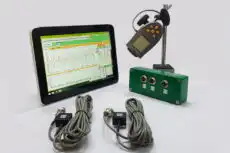


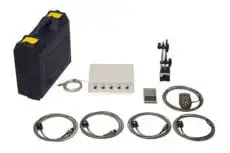



A shaft orbit ni njama inayoonyesha njia inayotengana na kituo cha kijiometri cha shimoni linalogeuka wakati wa mapinzani moja au zaidi. Inaonyesha muonekano wa pande mbili wa mwendo wa shimoni ndani ya ’s wazi wa kupenya, kama kana kwamba ungetazama moja kwa moja kutoka ncha ya shimoni. Muafaka huu wenye nguvu wa kufanya tafiti unakadiriwa kwa kutumia jozi ya detektor za karibu bila kuwasiliana detektor wa kurbanyili digrii 90 mbali — karibu kila wakati katika usanidi wa X-Y — na kuchora ishara zao za kuhamishwa sambamba kinyume-jinyume badala ya kulingana na wakati.
1. Kwanini Njia ya Mzunguko Ni Muhimu Sana
A standard time waveform or Wigo wa FFT shows vibration katika mwelekeo mmoja tu. Njia ya mzunguko inachanganya mwelekeo mbili wenye pembe ya kulia ili kutoa picha kamili ya harakati ya shimoni kwa wakati wa kuendelea, na kuruhusu wachumi kuona sura halisi na mwelekeo wa harakati badala ya kukadiria. Kiwango hicho cha ziada kinatoa mwongozo wa thamani kubwa kwa kutambua hitilafu nyingi tofauti, hii ndiyo sababu mzunguko ni jivu la rotor-dynamic uchambuzi — sana kwa mashine yenye kasi ya juu, yenye umuhimu inayolingana na filamu ya kioevu kumimina mabamba, kama vile maturbini, vikunzi, na jenereta kubwa.
Kwa sababu detektor hupima kuhamishwa moja kwa moja dhidi ya kuzaa, mzunguko pia unafichua mahali pa shimoni ndani ya wazi wake, si tu kwa umbali gani gani unaposogea — taarifa ambayo kuzaa-mmotokeni accelerometer haiwezi kutoa. Kuongeza tachometer or Keyphasor alama kuzaa kila mapinzani kwenye mzunguko, akifunga phase na kuweka mwelekeo wa kurejea kuwa wazi kabisa.
2. Jinsi ya Kutafsiri Maumbo ya Mzunguko
Umbo, saizi, na mwelekeo wa mzunguko ni viashiria vya moja kwa moja vya nguvu zinazotenda shimoni. Mchumi aliyejifunza vizuri karapati wakati mwingine anaweza kutambua hali ya mashine kwa kuangalia tu umbo la mzunguko.
Mzunguko Duara au Elliptical
Mzunguko rahisi wa duara au elliptical, katikati ya kuzaa, karapati unaonyesha shimoni linalofanya vizuri linaloongezwa na frequency moja tu — karapati unbalance. Mzunguko utakuwa wa duara kama kuzaa kumuunga mkono unanataka ni sawa katika mwelekeo wote (isotropic) na elliptical kama kuzaa kumuunga mkono kunatofauti kila upande na ule wa wima (anisotropic), ambayo ni kawaida sana kwa takwimu kwa sababu mashine nyingi ni ngumu zaidi kwa wima kuliko kwa kila upande.
Mzunguko Uliolegezwa, Umbo la Tamanisho, au Umbo la Ndani ya Maziwa
Wakati mzunguko umelekezwa kutoka ellipse rahisi, frequencies nyingi zinatika harakati ya shimoni:
- A mzunguko wa "ndani ya maziwa" au umbo la crescent karapati kuhusu misalignment, where both 1× and 2× frequencies are present.
- A figure-8 shape ni dalili ya kawaida ya kipengele kizito cha 2× (mbili-kwa-kuwa), kiashiria cha kitabu cha silika cha kutokuwa kwa usawa wa milangani. Takwimu ya 8 yenye kitanzi cha ndani mara nyingi inapendekeza hali ngumu zaidi au kuwepo kwa maajabu.
Jirondos lenye Findo au Pembe Kali
Mabadiliko makali katika mwelekeo, sehemu za gorofa, au “findos” katika jirondo ni ushahidi wenye nguvu wa maajabu ya rotor-kwa-stator. Zinaonyesha kuwa harakati za milangani zinakabiliwa kwa muda mfupi kwani linagusana na sehemu isiyosimama kama vile kubali, a seal, au ganda la mashine.
Jirondo za Kiloseshi
Jirondo ambalo linabadilika haba na haba, halisi au linaonekana limejazwa na “kelele” linaweza kusaini mitishamba mingi looseness, ujinga unaosababishwa na maji kama vile oil whirl or whip, au hali ya mtiririko yenye ghasia katika pampu au zakaushi.
3. Mwelekeo wa Precession: Mbele dhidi ya Nyuma
Mwelekeo ambao jirondo linachorwa, kulingana na mwelekeo wa kuzunguka kwa milangani, yenyewe ni sababu muhimu ya utambuzi:
- Precession ya mbele: jirondo linachorwa katika mwelekeo sawa na kuzunguka kwa milangani. Hii ni tabia ya kawaida kwa nguvu kama vile kutokuwa na usawa.
- Precession ya nyuma: jirondo linachorwa kinyume na kuzunguka kwa milangani. Hii ni hali isiyo ya kawaida na inaweza kuonyesha shaft crack, maajabu makali, au aina fulani za ujinga unaosababishwa na maji.
Kuzifafanua zote mbili kunahitaji alama ya awamu inayotokea mara moja per mapinduzi; bila hiyo jirondo linaonyesha umbo lakini si mwelekeo ambao unatasafiwa, na tofauti ya utambuzi inapotea.
4. Jirondo katika Utambuzi wa Shambani
Jeni za kwasheria za karibu zilizoingia mfumo wa kuzama ni njia ya kitabu cha takwimu kumkamatia jirondo kwenye mashine makubwa muhimu, lakini kanuni ya msingi — ishara mbili za kuhamia pembetatu iliyowaziwa iliyochorwa dhidi ya kila mmoja na kumbukumbu ya awamu — inapatikana kwa usawa kwa mhandisi wa shambani. Chombo cha kawaida cha raia wa safu mbili kama vile Balancet-1A hupima amplitude ya synchronous na awamu kwenye nyuso mbili wakati mmoja, kwa hivyo mara tu trajectory au spectrum itakapokubali kuwa unbalance ni nguvu inayodominisha, usanidi huo huo unabaki karibu na kubaki ukienda moja kwa moja hadi field balancing na uthibitisho wa hali iliyorekebishwa. Wakati trajectory badala yake inaonyesha kugeuza kwa pembe, kuvunjika, au kutokuwa na utulivu, matokeo hayo yanatoa mwelekeo upya kwa kazi kuelekea ujustereni au marekebisho ya mitambo badala ya kuandikisha.
5. Nini Trajectory ya Shimoni Inaonyesha
Kwa muhtasari, trajectory moja ya shimoni hutoa habari nyingi kwa mtazamo mmoja:
- Amplitude ya jumla ya mitetemo ya shimoni.
- Sura ya harakati ya shimoni, ambayo husaidia kutambua aina ya hitilafu.
- Mwelekeo wa kukizunguka, mbele au nyuma.
- Nafasi ya wastani ya shimoni ndani ya kutoweka kwa mitambo — yake shimoni na kituo.
Ikiwa inachambuliwa kwa muunganisho na mtindo wa FFT na wimbi la wakati, trajectory inasaidia mtafsiri kufikia hitimisho la kina na kuwa na ujuzi na kwa makini diagnosis ya tabia ya nguvu ya mitambo — kuchanganya “kiasi gani,” “umbo gani,” na “je ni njia gani” kuwa picha moja ya kuamua.

