இயக்க-அப் பகுப்பாய்வு புரிந்துகொள்ளல்
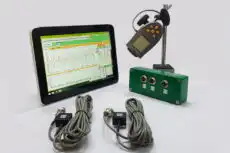


இயக்க-அப் பகுப்பாய்வு இயற்கையான அளவீடு மற்றும் மதிப்பீடு vibration amplitude and phase ஒரு இயந்திரம் நிலையிலிருந்து அல்லது குறைந்த வேகத்திலிருந்து அதன் செயல்பாடு வேகம் வரை முடுக்கும்போது. முழுவதும் தரவுத் தொடர்ந்து பதிவு செய்வதன் மூலம் startup, ஒரு பகுப்பாய்வாளர் ஒவ்வொரு நிலைநாட்டு செய்யலாம் critical speed சுழற்சி வெளியேறு கடந்து செல்லலாம் (ஒவ்வொரு பெரிய சமிக்ஞை தோன்றும்), எவ்வளவு பரிமாணம் damping முறைமை உள்ளது (முடிசூட்டுதல் பூம் கூர்மை), ஆரம்ப-உறுதிசெய்ய பழுதுகளை வெளிப்படுத்த thermal bow, மற்றும் ஆரம்பம் நடைமுறை தானே உறுதியை உறுதிசெய்க. முடிவுகள் இயல்பாக எளிதளவு Bode plots — பெரிய சமிக்ஞை மற்றும் கட்டம் வேகத்திற்கு எதிரான — மற்றும் நீர்மழை சதி இயந்திரம் வேகம் எடுக்கும்போது முழு ஸ்பெக்ட்ரம் எவ்வாறு பரিணாமம் அடைகிறது என்பதைக் காட்டுகின்றன.
இந்த நுட்பம் மூன்று சூழ்நிலைகளில் அপরिहार्य ஆகும்: புதிய உபகரணங்களை நிறுவுதল் போது, இது உண்மையான இயந்திரம் ரோட்டார்-டைனামிக் வடிவமைப்பு முன்னறிவிக்கப்பட்ட பதிப்பு நடந்து கொள்கிறது என்பதை சரிபார்க்கிறது; சிக்கல் நிவர்த்தி, இது একটি தொடக்க அதிர்வு சிக்கல் அनுरणन-চালিত தேவையா என்பதை வெளிப்படுத்துகிறது; மற்றும் கால முறையான ஆரோக்கிய மূल்यांकन, இன்றைய চালக்க-பொத்தான் பதிவு ঐতिहाসिक அடிப்படி எதिरായі ஒப்பிடப்படுகிறது தாமதமாக சிதைவு பிடிக்க அது ஒரு தோல్్வि அன०० முன்.
1. தரவு சংग्रহணை
ஒரு அர்த்தமுள்ள चালक்-மேலே சரியான அறிசலை கைப్పட்డ ஆவश்yक है, தொடர্ச్$్జ్జ్, இயந்திரம் கூட தொடங்க தொடங்குவதற்கு முன்.
தேவையான அளவீடுகள்
- Vibration: ஒவ்வொரு தாங்கு நடுத்தரபত்தி இடத்தில் தொடர்ச்சியான பதிவு.
- Speed: a tachometer அறிமுக அல్லాவ RPM கணிக்க ক্ষण ক্ষণ.
- Phase: வskමएк-प្রতি-বিপ্লব नাड़ी, যা Bode প्લॉт সম्ভbhव गर्छ कर phase संदर्भ प्रदान गर्छ.
- Duration: सम्पूर्ण transient, प्रारम्भ आदेश देखि स्थिर काल करण गति.
- Sampling: या तो साँच्चै तरल ग्रहण वा मास्साफ spaced समय-आधारित staleshots.
उपकरण सेटअप
- एक बहु-चैनल विश्लेषक वा डेटा-অধिग्रहण प्रणाली.
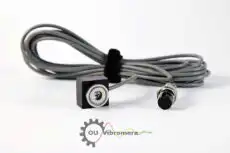
- Accelerometers सभी bearings मा, ideally मा क्षैतिज, ऊर्ध्वाधर र axial दिशा मा.
- एक अप्टिकल वा laser tachometer triggered देखि एक strip को பிரதிபலிக்கும் நாடா on the shaft.
- Triggered गरिएको पंजीकरण हथियार before त्वरण शुरु गर्छ, त्यसैले पहिलो बिपुलेव हराउन छैन.
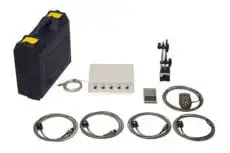
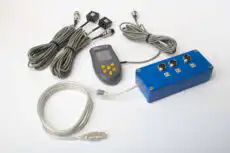
सानो मेसिन को लागि समान essentials — synchronized amplitude, phase र RPM — एक portable दुई-चैनल विश्लेषक संग जमा गर्न सकिन्छ. The Balanset-1A यसको लेजर-tachometer संदर्भ को विरुद्ध 1× amplitude र phase ट्र्याक गर्छ rotor गति, त्यसैले Bode र waterfall plots को data feeding स्थल मा मेसिन को आफनै bearings मा कब्जा गर्न सकिन्छ बरु एक स्थायी instrumented train मा मात्र.
2. विश्लेषण आउटपुट
பதிவு செய்யப்பட்ட ஒரே தரவுத் தொகுப்பு பல நிரப்பு வழிகளில் காட்டப்படலாம், ஒவ்வொன்றும் சுழலியின் நடத்தையின் ஒரு வேறுபட்ட பகுதியை வெளிப்படுத்துகிறது.
Bode Plot
தரமான ரன்-அப் காட்சி, ஒரு ஜோடி அடுக்கடுக்கான வரைபடங்களாக வரையப்பட்டது:
- Upper plot: அதிர்வ வீச்சு வேகத்திற்கு எதிராக.
- Lower plot: கட்ட கோணம் வேகத்திற்கு எதிராக.
- முக்கியமான வேகங்கள்: வீச்சு உச்சங்களாக தோன்றுகின்றன, ஒரு சிறப்பியல்பு 180° கட்ட மாற்றத்துடன் சேர்ந்து.
- பல சதித்திட்டங்கள்: ஒவ்வொரு அளவீட்டு இருப்பிடம் மற்றும் திசைக்கும் ஒன்று.
நீர் வீழ்ச்சி (கேடு) சதிக்கணி
- அதிர்வெண், வேகம் மற்றும் வீச்சுக்கு ஒரு போலி-3D காட்சி ஒன்றாக.
- ரன் முழுவதும் முழுமையான நிறமாலை பரிணாமம் காட்டுகிறது.
- 1× கூறு வேகம் உயரும் போது குறுக்கு வழியாக பின்தொடர்கிறது.
- இயல்பான அதிர்வெண்கள் நிश்চய செங்குத்து அம்சங்களாக தோன்றுகின்றன.
- குறுக்கு 1× கோடு ஒரு இயல்பான அதிர்வெண்ணை கடக்கும் இடத்தில், ஒரு முக்கியமான வேகம் உறுதிப்படுத்தப்படுகிறது.
Polar Plot
- ஒரு ஒற்றை வரைபடத்தில் வீச்சு மற்றும் கட்டத்தை இணைத்து ஒரு திசையன் சதித்திட்டம்.
- சுழலி ஒவ்வொரு முக்கியமான வேகத்தின் வழியாக செல்லும்போது ஒரு சிறப்பியல்பு சுழல் பின்தொடர்கிறது.
- மேம்பட்டவற்றில் பரவலாக பயன்படுத்தப்படுகிறது rotor-dynamics work.
3. ரன்-அப் வெளிப்படுத்தும் தகவல்
முக்கியமான வேகம் அடையாளம்
- வீச்சு சதித்திட்டத்தில் உச்சங்கள் முக்கியமான வேகங்களைக் குறிக்கிறது.
- 180° கட்ட மாற்றம் உண்மையான resonance பதிலாக ஒரு உடனடி அதிர்ச்சி.
- பூஜ்ஜியத்திற்கும் இயக்க வேகத்திற்கும் இடையே உள்ள ஒவ்வொரு சமன்வய வேகமும் பிடிபடுகிறது.
- அளவிடப்பட்ட மதிப்புகளை வடிவமைப்பு முன்னறிவிப்புகளுடன் சரிபார்க்க முடியும்.
அடக்ககை மதிப்பீடு
- Sharp peaks: குறைந்த அடக்ககை (பெருக்கம் காரணி Q ≈ 20–50) — உচ்சமான-பெருக்கம் சமன்வயம் மற்றும் சாத்தியமான சிக்கல்.
- Broad peaks: அதிக அடக்ககை (Q ≈ 5–10) — சமன்வயத்தின் மூலம் மென்மையான, பாதுகாப்பான பார்வை.
- Quantitative: அடக்ககை விகிதத்தை சிகரம் அகலம் பயன்படுத்தி கணக்கிடலாம் அரைச்சக்தி (−3 dB) முறை, வசதியாக ஆற்றல் குறைப்பு விகிதம் கணக்கீடு.
பிரிப்பு விளிம்பு
- இயக்க வேகம் எந்த சமன்வய வேகத்திலிருந்தும் நன்றாக தெளிவாக இருப்பதை உறுதிப்படுத்தவும்.
- ஒரு வழக்கமான தேவை ±20–30% விளிம்பு.
- போதுமான பிரிப்பு பாதுகாப்பான, குறைந்த-அதிர்வு இயக்கம் என்று பொருள்.
- போதிய பிரிப்பு சமன்வய அல்லது அதன் அருகில் இயக்கம் செய்வது ஆபத்து.
தொடக்க நடைமுறை சரிதல்
- முடுக்கம் விகிதம் உயர்ந்த நிலையில் ஒவ்வொரு சமன்வய வேகத்தின் மூலம் சுழலி கொண்டு செல்ல போதுமான மற்றும் அங்கு தங்க தவிர்க்கவும் என்பதை சரிபார்க்கவும்.
- அதிர்வு வழியாக ஒவ்வொரு வேகத்தில் எல்லைக்குள் இருப்பதை உறுதிப்படுத்தவும்.
- எந்த வேக பிடிப்பு-புள்ளிகள் அவசியமற்றவை என்பதை முடிவு செய்யவும்.
4. கடற்கரையோடு ஒப்பீடு
பயணம் அதன் கண்ணாடி உருவத்துடன் இணைக்கப்பட்டபோது மிகவும் சக்திশாலியாக இருக்கிறது, coastdown.
Similarities
- இரண்டும் சமன்வய வேகங்கள் மற்றும் இயற்கை அதிர்வெண்களை அடையாளம் காணுகின்றன.
- இரண்டும் ஒரே பகுப்பாய்வு நுட்பங்கள் மற்றும் ஒரே வகையான சதியை பயன்படுத்துகிறது.
- இவை ஒன்றாகப் பரிந்துரைக்கப்பட்ட தரவு தொகுப்புகளை வழங்குகின்றன.
Differences
- Run-up: வேகம் அதிகரிப்பு, குளிர்-முதல்-வெப்ப வெப்ப மாற்றம், மற்றும் சக்தியுள்ள முடுக்கம் கள் சுழலிகளை விமர্சனத்தின் மூலம் விரைவாக தள்ள முடியும்.
- Coastdown: வேகம் குறைவு, வெப்ப-முதல்-குளிர் மாற்றம், மற்றும் விசை அற்ற இயல்பான முந்துரை உராய்வு மற்றும் காற்றோட்டத்தால் மட்டுமே இயக்கப்படுகிறது.
- Comparison: இரண்டு கையொப்பங்களுக்கு இடையிலான வேறுபாடுகள் வெப்ப அல்லது சுமை-சார்ந்த விளைவுகளை வெளிப்படுத்துகின்றன — ஒரு গুরুத்வபூர்ணமான வேகம் மெல்ல கூடிய மற்றும் கடற்கரை போது மாற்றம், எடுத்துக்காட்டாக, வெப்பநிலை-உணர்வி ஆதரணை சுட்டிக்காட்டுகிறது।
5. பயன்பாடுகள்
ஆணையிடுதல்
- புதிய பொருளாக தயாரிக்கப்பட்ட உபகரணங்களின் முதல் தொடக்கம்.
- இயந்திரம் அதன் வடிவமைப்பு விவரணை பூர்த்தி செய்கிறது என்பதை சரிபார்க்கவும்.
- எல்லா இரகசிய ஒப்பீட்டிற்கான ஆரம்ப நிர்ণயத்தை ஸ்தாபனை.
- ஒரு அடிக்கடி ஆணை உறுதிப்படுத்தல் சோதனை தேவை.
குறிப்பிட்ட மூல்यांकन
- ஆண்டு அல்லது அரை-ஆண்டு இயக்க-சோதனைகள்.
- கமிশনிங் பசை நுண்ணறிவு உள்ளடக்கிய நேரடி ஒப்பீடு.
- பொறுத்தமான விமர்சன வேகங்கள் அல்லது குறைந்த ஆ மூளைப் மாற்றம் என்பதை গుணம் கண்டுபிடிப்பு।
- அறிக்கையிட்ட தரவு நேரம் மெதுவாக சீரழிவை கொடியை நிலையிலான.
Troubleshooting
- தொடக்க அதிர்வு சிக்கல்களைக் கண்டறிதல்.
- தொல்லை அनुनادம்-தொடர்புடையதாக இருக்கிறது என்றால் தீர்மானிக்கவும்।
- ஒரு மாற்றம் — ஒரு புதிய ஆதரணை, ஒரு ஆப்பு சரிசெய்தல், சேர்க்கப்பட்ட கொலாகன் — உண்மையில் வேலை எதிரிடம் மதிப்பீடு செய்யவும்।
சுருக்கமாக, இயக்க-சோதனை பகுப்பாய்வு ஒரு சாதாரண தொடக்கத்தை முழுமையான சுழலி-இயந்திர பண்பாக மாற்றுகிறது. Bode, நீர்வீழ்చி மற்றும் ध्रुवीय சதிமுறைகளை அது தயாரிக்கிறது இயந்திரத்தின் முக்கிய வேகங்கள், கொலாகன் மற்றும் தொடக்க நடத்தையை வெளிப்படுத்துகின்றன — ஒரு பொறியாளர் உபகரணம் தற்கொண்டு வருந்தி, பல வருடங்கள் கொண்டு அதன் ஆரோக்கியத்தை உணர்ந்து, மற்றும் சுழற்றப்பட்ட இயந்திரம் தொடக்க-தொடர்புடைய அதிர்வுக்கான வேரை பெற்றுக் கொள்ள தேவைப்படும் தகவல்.

