சுழலிய இயக்கவியலைப் புரிந்து கொள்ளுங்கள்






Rotor dynamics இயান் இயக்க பொறியியலின் சிறப்பு கிளை ஆகும் வரையறுக்கப்பட்ட அமைப்புகளின் நடத்தையை பட்டியலிடுகிறது — எல்லாவற்றிற்குமே vibration, நிலைத்தன்மை, மற்றும் மறுமொழி rotors ஆதாரங்கள் மீது நிகழ்ந்து. இது இயக்கவியல், பொருட்களின் இயக்கவியல், नियंत्रण கோட்பாடு, மற்றும் சிறுசலன பகுப்பாய்வை ஒன்றாக இணைக்கிறது இயந்திரம் முழு இயக்க வேக வரம்பு முழுவதும் எப்படி நடந்து கொள்ளும் என்பதை கணிக்க மற்றும் கட்டுப்படுத்த. பிரிப்பு என்ன பொறியாளர்களை சிறிய উচ்च-வேக turbomolecular பம்ப் ஆ 300-டன் வினை-ஜெனரேட்டர் முடிய சுழலும் உபகரணம் வடிவமைப்பு, விश்லேषण, மற்றும் சிக்கல் தீர்ப்பு செய்ய அனுமதிக்கிறது — ஒரு பாதுகாப்பாக மற்றும் நம்பிக்கையுடன் இந்த அதன் சேவை வாழ்க்கை முழுவதும் தொடர்ந்து இயங்கும் என்பதை நிச்சயப்படுத்தியுள்ளது।
1. ரோட்டர் இயக்கவியலின் அடிப்படைக் கருத்துக்கள்
சுழலும் ரோட்டரை ஒரு சாதாரண நிலையான கட்டமைப்பிலிருந்து வேறுபடுத்தும் பல கருத்துக்கள் உள்ளன. மிக முக்கியமானது என்னவென்றால் ரோட்டரின் இயக்கவியல் பண்புகள் speed-dependent: விறைப்பு, தணிப்பு மற்றும் சைரோஸ்கோபிக் விளைவுகள் அனைத்தும் இயந்திரம் முடுக்கிவிடும்போது மாறுகின்றன, எனவே அதன் நடத்தை ஒரு சிறிய நிலையான மாதிரியிலிருந்து புரிந்து கொள்ள முடியாது.
விமர்சன வேகம் மற்றும் இயற்கையான அதிர்வெண்
ஒவ்வொரு ரோட்டர் அமைப்பும் ஒன்று அல்லது அதற்கு மேற்பட்ட முக்கிய வேகங்கள் — சுழற்சி வேகங்களில் எந்த இயல்பு அதிர்வெண் அமைப்பின் தூண்டப்படுகிறது, உற்பத்தி resonance மற்றும் அதிர்வனின் கூர்மையான பெருக்கம். விமர்சன வேகங்களை கண்டறிந்து நிர்வகிப்பது ரோட்டர் இயக்கவியலின் மிகவும் அடிப்படையான பணிகளில் ஒன்று என்று வாதிடலாம், ஏனெனில் ஒன்றுக்கு மிக அருகாமையில் இயங்குவது வீச்சுகளை சில நொடிகளில் நாசகரமான அளவுக்கு চালிয়ে செல்லலாம்.
சுழல் விளைவுகள்
ஒரு ரோட்டர் சுழலும் போது மற்றும் அதன் சுழற்சி அச்சின் திசையை மாற்ற முயற்சிக்கப்படும் போது — விமர்சன வேகத்தின் வழியாக செல்லலாம் அல்லது ஒரு தொடர்ச்சியான உத்திரம் மூலம் — சைரோஸ்கோபிக் கணம் எழுகின்றன. இந்த கணங்கள் சுழல் திசையைப் பொறுத்து அமைப்பை விறைப்புப்படுத்துகின்றன அல்லது மென்மையாக்குகின்றன, எனவே அவை இயற்கையான அதிர்வெண்களை முன்னோக்கி மற்றும் பின்நோக்கி கிளைகளாக பிரிக்கின்றன மற்றும் பயன்முறை வடிவங்களை மீண்டும் உருவாக்குகின்றன. ரோட்டர் வேகமாக திரும்பும் போது, சைரோஸ்கோபிக் செல்வாக்கு மிகவும் உச்சரிக்கப்பட்டதாகிறது, எனவே உচ்ச வேக இயந்திரங்கள் மிகவும் நெருக்கமான பகுப்பாய்வு தேவை.
சமநிலைக்கு இல்லாத பதிலளி
ஒவ்வொரு உண்மையான ரோட்டரும் சில unbalance — ஒரு சமச்சீரற்ற நிறை விநியோகம் அது ஒரு சுழலும் மையவிலக்கு விசை உৎপন்ன செய்கிறது. ரோட்டர் இயக்கவியல் ஒரு கொடுக்கப்பட்ட ரோட்டர் எந்த வேகத்திலும் அந்த விசையுடன் எவ்வாறு பதிலளிக்கும் என்பதை கணிக்க கருவிகளை வழங்குகிறது, தண்டு விறைப்பு, அமைப்பு தணிப்பு, தாங்கு பண்புகள் மற்றும் ஆதார கட்டமைப்பின் பண்புகள் கணக்கில் எடுத்துக்கொள்ள.
ரோட்டர்-தாங்கு-அடிப்படை அமைப்பு
ஒரு முழுமையான பகுப்பாய்வு ரோட்டரை தனிமைப்படுத்தி கருதாது. இது ஒரு ஒருங்கிணைந்த ரோட்டர்-ஆதரணம் முறை என மாதிரிப்படுத்தப்பட்டுள்ளது அது முத்திரைகள், இணைப்புகள் மற்றும் ஆதார கட்டமைப்பு — பீடபுங்கள், அடிப்படை தட்டு மற்றும் அடிப்படை ஆகியவற்றை உள்ளடக்கியது. ஒவ்வொரு உপাদানும் அதன் சொந்த விறைப்பு, தணிப்பு மற்றும் நிறையை வழங்குகிறது, மேலும் அடிப்படை விறைப்பு குறிப்பாக நிர்வாணமான ரோட்டரின் மதிப்பிலிருந்து प्रभावी விமர்சன வேகங்களை நன்றாக மாற்றி வெளியேற்ற முடியும்.
நிலைத்தன்மை மற்றும் சுய-உত்তেজிত அதிர்வு
சமநிலையற்ற தன்மையால் চালিக்கப்படும் கட்டாய அதிர்வனைப் போல் அல்லாமல், சில அமைப்புகள் வளர்ச்சி பெற முடியும் சுய-உத்தேজிত அதிர்வு — அமைப்பின் கிண்ணத்தினுள் ஆற்றல் மூலமாக வழங்கப்படும் அலைவுகள், இயங்கும் வேகத்தில் வெளிப்புற விசையினால் அல்ல. பின்வரும் நிகழ்வுகள் போன்றவை oil whirl, எண்ணை சுழலூட்டம், மற்றும் நீராவி சுழலூட்டம் ஆகியவை கடுமையான உறுதியற்ற நிலைகளாக வளரலாம், மற்றும் ரோட்டர் இயக்கவியலின் ஒரு முக்கிய வேலை இந்த நிகழ்வுகளை இயந்திரம் கட்டப்படுவதற்கு முன்பே முன்னறிவித்து வடிவமைத்தல் ஆகும்.
2. நடத்தையை கட்டளையிடும் முக்கிய அளவுருக்கள்
ரோட்டர் இயக்கவியல் நடத்தை சில அளவுரு குழுக்களால் நির்ணயிக்கப்படுகிறது. அவற்றில் ஏதேனும் ஒன்றை தவறாக வாங்குவது முக்கியமான வேகங்களை நகர்த்துகிறது அல்லது உறுதிநிலையை குறைகிறது.
ரோட்டர் பண்புகள்
- நிறை விநியோகம்: ரோட்டரின் நீளத்தில் மற்றும் அதன் சுற்றளவைப் பொறுத்து நிறை எவ்வாறு பரவியுள்ளது.
- Stiffness: தண்டு வளைவதற்கான தடை, பொருள், விட்டம் மற்றும் ஆதாரங்களுக்கு இடையிலான இடைவெளியால் கட்டளையிடப்படுகிறது।
- நমনீயতா விகிதம்: இயங்கும் வேகத்தின் விகிதம் முதல் முக்கியமான வேகம் வரை, இது கடினமான ரோட்டர்களை நমனீய ரோட்டர்களிலிருந்து பிரிக்கிறது (கீழே விரிவாக வரையறுக்கப்பட்டுள்ளது)।
- ஜைரோஸ்கோபிக் மற்றும் விட்ட மந்தநிலை: ஜைரோஸ்கோபிக் விளைவுகள் மற்றும் சுழற்சி இயக்கவியலை இயக்கும் நிலை பண்புகள்।
தாங்கு பண்புகள்
- தாங்கு கடினத்தன்மை: சுமையின் கீழ் தாங்கு எவ்வளவு விலகுகிறது — திரவ-படல் வடிவமைப்புகளில் வேகம், சுமை மற்றும்윤활 பொருட்களின் பண்புகளைப் பொறுத்து வலுவாக இருக்கிறது.
- தாங்கு தணிப்பு: தாங்கு சிதறடிக்கும் ஆற்றல், இது ரோட்டர் முக்கியமான வேகம் வழியாக செல்லும் போது வீச்சு நிலை வைக்க முக்கியமாகும்।
- தாங்கி வகை: உருண்டை-மூலப்பொருள் மற்றும் திரவ-படல் (journal) தாங்குகள் வேறுபட்ட இயக்கவியல் நடத்தையைக் கொண்டுள்ளன, பிந்தையது குறுக்கு-சேர்ந்த கடினத்தன்மையை அறிமுகப்படுத்துகிறது, இது உறுதியற்ற நிலையை இயக்கலாம்।
அமைப்பு அளவுருக்கள்
- ஆதாரக் கட்டமைப்பின் கடினத்தன்மை: அடிப்படை மற்றும் பாசணா நমனीয়தை கணினி இயற்கை அதிர்வெண்களை மாற்றுகிறது.
- இணைப்பு விளைவுகள்: இணைக்கப்பட்ட உபகரணங்கள் சுழலிக்கு சுமை மற்றும் கட்டுப்பாடு செலுத்தும் விதம்.
- காற்று இயக்கவியல் மற்றும் உடல்பெயர்ச்சி சக்திகள்: the aerodynamic and hydraulic செயல்படும் திரவத்தால் விதிக்கப்பட்ட சுமைகள்.
3. கடினமான மற்றும் நমனீய சுழலிகள்
ஒரு அடிப்படை வகைப்பாடு சுழலிகளை இரண்டு இயக்க ஆட்சிகளாகப் பிரிக்கிறது, மேலும் இது எந்த சமநிறுத்தல் அணுகுமுறை செல்லுபடி ஆகும் என்பதை குறிப்பிடுகிறது.
Rigid Rotors
A rigid rotor அதன் முதல் সমன்வய வேகத்தின் கீழே இயங்குகிறது. தண்டு இயக்க நேரத்தில் கணிசமாக வளைந்து விடாது, எனவே இது ஒரு கடினமான உடல் என கருதப்படலாம் மற்றும் இரண்டு தன்னிச்சையான சமநிறுத்தல் தளங்களில் சமநிறுத்தப்படலாம். பெரும்பாலான தொழிற்சாலை যন்திரங்கள் — விசிறிகள், பம்புகள், மின்சார மோட்டारீக்கள், சுழற்சியாளிகள் — இந்த வகைகளில் வருகின்றன, மற்றும் அவற்றை சமநிறுத்துவது ஒப்பீட்டளவில் நேரடியானது, வழக்கமாக தேவை மட்டுமே இரு-தளம் சமநிலையமைக்கல் இதன் சகிப்புத்தன்மைக்கு ISO 21940-11.
நமনीய சுழலிகள்
A flexible rotor ஒன்று அல்லது அதற்கு மேற்பட்ட சமன்வய வேகத்திற்கு மேலே இயங்குகிறது. தண்டு சேவையில் கணிசமாக வளைந்து விடுகிறது மற்றும் அதன் விலகிய mode shape வேகம் மாறிய தொடர்புடையது, எனவே ஒரு வேகத்தில் வேலை செய்யும் திருத்தம் மற்றொரு வேகத்தில் வேலை செய்யாமல் இருக்கலாம். உচ்च வேக விசையாழிகள், சுருக்கமாக்கிகள், மற்றும் மின்னுற்பத்தியாளர்கள் இந்த விதமாக செயல்படுகின்றன மற்றும் மேம்பட்ட நுட்பங்கள் தேவைப்படுகின்றன, அதாவது மாடல் சமநிறுத்தல் அல்லது பல-தளம் சமநிலைப்பாடு, ISO 21940-12 ஆல் பிரணயமாக உள்ளன.
4. கருவிகள் மற்றும் முறைகள்
பொறியாளர்கள் பகுப்பாய்வு முன்னறிவிப்பு மற்றும் உடல் அளவீட்டின் கலவையுடன் சுழலி சிக்கல்களை தாக்குகின்றனர், இலட்சணமாக ஒருவருக்கொருவர் குறுக்குச் சரிபார்ப்பு செய்தல்.
பகுப்பாய்வு முறைகள்
- பாரம்பரிய அணிமாற்றிப் பொறி முறை: சமன்வய வேகங்கள் மற்றும் முறை வடிவங்களின் கையினால் சுলபமாக கணக்கிட முடிந்த பிரக்ஞாபகரணம்.
- முடிவுறு உறுப்பு பகுப்பாய்வு (FEA): நவீன கணக்கீட்டுத் தரநிலை, ஆவணப்பதிவு, நிலைத்தன்மை, மற்றும் முறை வடிவங்களின் விரிவான முன்னறிவிப்புகளை வழங்குகிறது.
- Modal analysis: ஒன்றிணைக்கப்பட்ட கணினியின் இயற்கை அதிர்வெண்கள் மற்றும் முறை வடிவங்களைக் குறிப்பிடுகிறது.
- நிலைத்தன்மை பகுப்பாய்வு: சுய-உত்தేজக தகரம் தொடங்கும் வேகத்தை முன்னறிவித்தல்.
பரிசோதனামூலक முறைகள்
- தொடக்க / கடற்பயணம் சோதனை: வேகம் மாறும்போது தகரத்தை அளவிட்டு பாதுகாப்பு வேகங்களைக் கண்டறிதல். தி தண்டு நியமக வேக கணக்கெடுப்பி இயந்திரம் இயங்குவதற்கு முன்பே பயனுள்ள முதல் மதிப்பீடை வழங்குகிறது.
- Bode plots: வேகத்திற்கு எதிராக திட்ட வடிவமாக்கப்பட்ட வீச்சுமை மற்றும் கட்டம்.
- Campbell வரைபடங்கள்: இயற்கை அதிர்வெண்கள் வேகத்துடன் எவ்வாறு வேறுபடுகின்றன மற்றும் உত்தேজனைப் பணிகள் எங்கே அவற்றைக் கடக்கின்றன என்பதைக் காட்டுகிறது.
- தாக்க சோதனை: நிலையான சுழலிப்பொருளில் இயற்கை அதிர்வெண்களை உত்தேજிப்பித்து அளவிட கருவிப்படுத்தப்பட்ட சொம்பு மூலம் அடிதல்.
- Orbit analysis: தண்டு மধ்যக்கோட்டுவரி தனது ஆதாரத் தெளிவுக்குள் வரைகின்ற உண்மையான பாதையை ஆய்வு செய்தல்.
5. பயன்பாடுகள் மற்றும் முக்கியத்துவம்
சுழலிப்பொருள் இயக்கவியல் ஒரு இயந்திரத்தின் வாழ்க்கையில் இரண்டு வெவ்வேறு நேரங்களில் முக்கியமாக இருக்கிறது: அது வடிவமைக்கப்படுகையில், மற்றும் பின்னர் அது பாதிப்புறும்போது.
Design Phase
- பாதுகாப்பு வேகங்களை ஆரம்பத்திலேயே முன்னறிவிக்க போதுமான பிரிப்பு விளிம்புகளை இயக்க வரம்பில் இருந்து உத்தரவாதம் செய்ய.
- ஆதாரத் தேர்வு மற்றும் வையப்பை உச்சிதம் செய்தல்.
- தேவையான ஈடு நிலை வகையை நிர্ணயித்தல்.
- நிலைத்தன்மை விளிம்புகளை மதிப்பிடுதல் மற்றும் சுய-உத்தேજக தகரம் எதிராக வடிவமைத்தல்.
- தொடக்கம் மற்றும் நிறுத்தலின் போது அভ்যாசகত்ரி நடத்தையை மূல்யாঙ্கனம் செய்தல்.
சிக்கல்களின் தீர்வு மற்றும் தீர்மானம்
- இயங்கும் இயந்திரங்களில் தகரம் சிக்கல்களைக் கண்டறிதல்.
- அதிர்வு ISO 20816 வரம்புகளை மீறும் போது மூல காரணங்களைக் கண்டறிதல் ISO 20816 (ISO 10816 இன் நவீன வாரிசு)।
- வேகம் அதிகரிப்பு அல்லது உபகरण மாற்றங்களின் சாத்தியতையை மதிப்பிடுதல்।
- பயணம் நிறுத்தல், அதிக வேகம் நிகழ்வுகள் அல்லது தாங்கி தோல்விகள் போன்ற சம்பவங்களுக்குப் பிறகு ক্षতিக்கான மதிப்பீடு।
தொழில் பயன்பாடுகள்
- மின் உற்பादனம்: நீராவி மற்றும் வாயு விசையாழிகள், மின்னியற்றிகள்।
- Oil & gas: சுBureau்ஷணிகள், விசைப்பம்ப்ஸ், விசையாழிகள்।
- Aerospace: விமान இரட்டை மற்றும் உதவி சக்தி அலகுகள்।
- Industrial: மோட்டார்கள், விசிறிகள், பொத்தாம் இயங்குகள், இயந்திர-கருவி தண்டுகள்।
- Automotive: இரட்டை கிரankshaft்கள், விசை உயர்த்திகள், இயக்க தண்டுகள்।
6. பொதுவான உலகவியல் இயங்குணை நிகழ்வுகள்
ஆரோக்கியமான உலகவியல் பகுப்பாய்வு ஒரு அங்கீகரிக்கக்கூடிய சிக்கல்கள் குடும்பத்தை எதிர்பார்ப்புடன் தடுக்கிறது:
- விமர்شন-வேக அதிரணி: இயக்கு வேகம் ஒரு இயற்கை அதிர்வெண்ணுடன் தொடர்புடையாக இருக்கும்போது அதிகமான அதிர்வு।
- எண்ணை சுழல் / சாட்டை: திரவ-படலம் தாங்கிகளில் சுய-உত்தேજিত অস্थிரத்தை।
- Synchronous and ஒத்திசைவற்ற அதிர்வு: असंतुलन-இயக்கிய தாக்க முறையை மற்ற மூலங்களிலிருந்து வேறுபடுத்துதல்।
- தேய்மான மற்றும் தொடர்பு: rotor rub சுழலும் மற்றும் நிலையான பகுதிகளை தொடும்போது।
- Thermal bow: சம்மற்ற வெப்பத்தினால் ஏற்படும் தண்ட வளைவு।
- முறுக்கு அதிர்வন்: தண்டத்தின் சொந்த அச்சைப் பற்றிய கோணக் கோலாहलத்தி.
7. சமநிலைப்படுத்தல் மற்றும் அதிர்வன் பகுப்பாய்வுக்கான உறவு
சுழலிக் গতியியல் என்பது பொதுவான நடைமுறையின் பின்னணியில் உள்ள கோட்பாடாகும் சமநிலைப்படுத்துதல் மற்றும் கண்டறிதல். இது விளக்குவது ஏன் தாக்க குணகங்கள் களத்து சமநிலைப்படுத்தலில் பயன்படுத்தப்படுபவை வேகம் மற்றும் தாங்கி நிலையின் சார்பாக வேறுபடுகின்றன என்பதைக் கூறுகிறது; ஒற்றைத் தளம், இரட்டைத் தளம் அல்லது முயற்சி சமநிலைப்படுத்தல் சரியான உத்தியா என்பதைக் கூறுகிறது; கொடுக்கப்பட்ட சீரின்மை வெவ்வேறு வேகங்களில் அதிர்வனை எவ்வாறு பாதிக்கும் என்பதைக் கணிக்கிறது; மேலும் இயக்க வேகம் மற்றும் சுழலி நிறையிலிருந்து சமநிலைப்படுத்தல் சகிப்பு தன்மையைத் தேர்ந்தெடுப்பதற்கு வழிகாட்டுகிறது. இது தவறு விளக்கத்தையும் ஆதரிக்கிறது, ஒரு பகுப்பாய்வாளர் ஒரு அதிர்வன் கையொப்பத்தை மற்றொன்றிலிருந்து பிரிக்க உதவுகிறது।
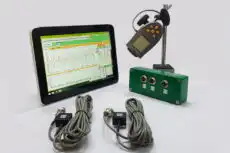
இது சரியாக கோட்பாடு நடைமுறையாகச் சந்திக்கும் இடமாகும்। போர்டபிள் இரண்டு-சேனல் பகுப்பாய் francia போன்ற Balanset-1A இந்த கொள்கைகளை உடனடியாக தளத்தில் பயன்படுத்துகிறது: இது 1× ஐ அளவிடுகிறது வீச்சு மற்றும் நிலை இயந்திரத்தின் சொந்த தாங்கிகளில் இயக்க வேகத்தில், ஒரு சோதனை ஓட்டத்திலிருந்து சுழலির் প्रभाव குணங்களைக் கணக்கிடுகிறது, மற்றும் ஒரு விரயங்கள் சமநிலைப்படுத்தும் இயந்திரம் இல்லாமல் சீரின்மையைத் திருத்துகிறது — விறுவிறு சுழலி கோட்பாட்டின் பெரும்பாலான தொழிற்சாலை உபகரணங்களுக்கான ஒரு நடைமுறையான உருவமாகும்।
8. நவீன வளர்ச்சிகள்
இந்த பகுதி பல முனைகளில் முன்னேறிக் கொண்டிருக்கிறது:
- கணக்கீட்டு சக்தி: மேலும் விவரமான FEA மாதிரிகள் மிகக் குறைந்த நேரத்தில் தீர்க்கப்பட்டுள்ளன।
- செயலில் கட்டுப்பாடு: நிகழ்நேரத்தில் stiffness மற்றும் damping ஐ சரிசெய்யும் magnetic bearings மற்றும் active dampers.
- நிலை கண்காணிப்பு: சுழலி நடத்தைக்கான தொடர்ச்சியான கண்காணிப்பு மற்றும் கண்டறிதல்।
- டிজிட்டல் இரட்டை தொழில்நுட்பம்: உண்மையான இயந்திரத்தை பிரதிபலிக்கும் மற்றும் அதன் சென்சர் தரவ்वுலிருந்து புதுப்பிக்கும் நேரடி மாதிரிகள்।
- மேம்பட்ட பொருட்கள்: அதிக வேகம் மற்றும் திறன்களை செயல்படுத்தக்கூடிய கூட்டுறவு மற்றும் உচ்চ-செயல்திறன் அலாய்.
சுழலும் இயந்திரங்களை வடிவமைக்கும், இயக்கும் அல்லது பராமரிக்கும் எவருக்கும், சுழலிக் கதியியலின் செயல்பட்ட புரிதல் அপরிহார்யமாகும் — இது ஒரு அதிர்வன் வாசிப்பையை ஒரு முடிவாக மாற்றும் தெளிவு மற்றும் உচ்च-ஆற்றல் இயந்திரங்களை பாதுகாப்பாக, திறமையாக மற்றும் கணிக்கத்தக்கத்தகுந்தாக இயக்குகின்றது.

