இயந்திரக் கண்காணிப்பில் வெப்பநிலை சென்சார்களைப் புரிந்துகொள்ளுதல்





A வெப்பநிலை சென்சார், இயந்திரக் கண்காணிப்பு என்ற பொருளில், தாங்கிகள், மோட்டார் சுருள்கள், செயல்முறை திரவங்கள் அல்லது உபகரணப் பரப்புகளின் வெப்பநிலையை அளவிடும் ஒரு சாதனம் ஆகும்; இது அதிக வெப்பமாதல், மசகு பிரச்சினைகள், அதிகப்படியான உராய்வு மற்றும் இயல்பற்ற இயக்க நிலைகளைக் கண்டறிவதற்கான முக்கியத் தகவலை வழங்குகிறது. எங்கு vibration கண்காணிப்பு இயந்திர குறைபாடுகளைக் கண்டறிகிறதோ, அங்கு வெப்பநிலை கண்காணிப்பு வெப்ப நிலையைப் பற்றி அறிக்கையிடுகிறது — மேலும் இவ்விரண்டின் கலவையும் தனித்தனியாக இருப்பதைவிட மிகவும் சக்திவாய்ந்தது. பல இயந்திர செயலிழப்புகள் வெப்பநிலை உயர்வால் முன்னறிவிக்கப்படுவதால் — உராய்வால் தாங்கிகள் அதிக வெப்பமாதல், சுமை அதிகரிப்பால் சுருள்கள், உராய்வால் சீல்கள் — வெப்பநிலை எந்தவொரு தீவிரமான நிலை கண்காணிப்பு திட்டத்தின் ஒரு மூலக்கல்லாகும், மேலும் அதை போக்காக கண்காணிப்பது, ஒரு குறைபாடு பேரழிவாக மாறுவதற்கு முன்பே குழு தலையிட அனுமதிக்கிறது.
1. இயந்திரங்களுக்கான பொதுவான சென்சார் வகைகள்
நான்கு தொழில்நுட்பங்கள் கிட்டத்தட்ட அனைத்து சுழலும் உபகரண பயன்பாடுகளையும் உள்ளடக்குகின்றன, துல்லியம், வரம்பு, உறுதிப்பாடு மற்றும் செலவு ஆகியவற்றை ஒன்றோடொன்று சமன்செய்கின்றன.
RTD (Resistance Temperature Detector)
மிகவும் துல்லியமான மற்றும் நிலையான தேர்வு, மேலும் முக்கியமான தாங்கிகள் மற்றும் மோட்டார் சுருள்களுக்கான இயல்புநிலைத் தேர்வு.
- Principle: வெப்பநிலைக்கு ஏற்ப மின் தடை கணிக்கத்தக்க வகையில் மாறும் ஒரு பிளாட்டினம் கம்பி.
- Common types: Pt100 (0 °C இல் 100 Ω) மற்றும் Pt1000.
- துல்லியம்: பொதுவாக ±0.1–0.5 °C.
- Range: −200 முதல் +600 °C வரை, சிறந்த நீண்டகால நிலைப்புத்தன்மையுடன்.
- Cost: மிதமானது முதல் அதிகம் வரை — முக்கியமான மற்றும் துல்லியமான அளவீடுகளுக்கு நியாயப்படுத்தப்படுகிறது.
Thermocouple
பரந்த-வரம்பு மற்றும் உறுதியானது, வெப்பமான மற்றும் கடுமையான சூழல்களுக்கு நன்கு பொருந்துகிறது.
- Principle: இரண்டு வேறுபட்ட உலோகங்களின் சந்திப்பு வெப்பநிலைக்கு விகிதாசாரமான ஒரு சிறிய மின்னழுத்தத்தை உருவாக்குகிறது (சீபெக் விளைவு).
- Types: வகை K (மிகவும் பொதுவானது), மேலும் வகைகள் J, T மற்றும் E.
- துல்லியம்: பொதுவாக ±1–3 °C.
- Range: வகையைப் பொறுத்து −200 முதல் +1300 °C வரை, குறைந்த செலவில்.
- பயன்பாடுகள்: வெளியேற்றங்கள் மற்றும் உலைகள் போன்ற அதிக-வெப்பநிலை கண்காணிப்பு.
Thermistor
- Principle: மின் தடை வெப்பநிலைக்கு மிகவும் உணர்திறன் கொண்ட ஒரு குறைக்கடத்தி.
- Sensitivity: very high — a large resistance change per degree.
- துல்லியம்: வரம்புக்குட்பட்ட எல்லைக்குள் ±0.1–1 °C (பொதுவாக −50 முதல் +150 °C வரை).
- பயன்பாடுகள்: நுகர்வோர் உபகரணங்கள் மற்றும் சில தொழில்துறை பயன்பாடுகள், குறைந்த செலவில்.
அகச்சிவப்பு (தொடாத)
- Principle: ஒரு பரப்பினால் வெளியேற்றப்படும் வெப்பக் கதிர்வீச்சைக் கண்டறிகிறது, எனவே உடல் ரீதியான தொடர்பு தேவையில்லை.
- Range: −50 முதல் +1000 °C மற்றும் அதற்கு மேலும், அளவீட்டின் ±2–5 % அளவிலான துல்லியத்துடன்.
- பயன்பாடுகள்: புள்ளி சோதனைகள் மற்றும் வெப்பப்-படிம ஆய்வுகள்; அதே இயற்பியல் அடிப்படையாக அமைகிறது thermography, இதில் பரப்பு உமிழ்திறன் மற்றும் இலக்கு தூரம் கணக்கில் எடுத்துக்கொள்ளப்பட வேண்டும். இத்தகைய ஆய்வுகளுக்கான நியாயமான அலாரம் வரம்புகள் பின்வரும் வழிகாட்டுதலைப் பின்பற்றுகின்றன ISO 18434 thermography limits.
2. தாங்கி வெப்பநிலை கண்காணிப்பு
தாங்கி என்பது மிகவும் பொதுவான ஒற்றை வெப்பநிலை-கண்காணிப்பு இலக்கு ஆகும், ஏனெனில் உருளும்-உறுப்பு மற்றும் ஜர்னல் தாங்கிகள் மசகு முறிவு மற்றும் சுமை அதிகரிப்பை நேரடியாக வெப்பமாக மாற்றுகின்றன.
Measurement locations
- தாங்கி உறையில், வெளிப்புற ரேஸுக்கு முடிந்தவரை அருகில் பொருத்தப்பட்டது.
- தாங்கி மூடியில் பரப்பில் பொருத்தப்பட்டது.
- எண்ணெய்-மசகிடப்பட்ட தாங்கிகளுக்கு, எண்ணெய் வடிகாலில்.
- வெப்பநிலை சீரற்றதாக இருக்கும் பெரிய தாங்கிகளைச் சுற்றி பல புள்ளிகளில்.
Normal temperature ranges
- சுற்றுப்புற வெப்பநிலை + 20–40 °C: normal operating temperature.
- சுற்றுப்புற வெப்பநிலை + 50–60 °C: பெரும்பாலான தாங்கிகளுக்கு ஏற்றுக்கொள்ளக்கூடிய அதிகபட்சம்.
- > சுற்றுப்புற வெப்பநிலை + 70 °C: ஒரு பிரச்சினை சுட்டிக்காட்டப்படுகிறது — விசாரிக்கவும்.
- > 90–100 °C absolute: an alarm condition for most bearings.
These rules of thumb should always be checked against the manufacturer’s data and the relevant component temperature limits for the specific bearing, seal, and lubricant; a high-speed grease may be near its limit at a temperature a circulating-oil bearing tolerates comfortably. Large machines often have dedicated guidance, such as a ஜெனரேட்டர் தாங்கி பதப்பாடு கண்காணிப்பாளர்.
Trending and alarms
- Establish a baseline temperature for each bearing under known load and ambient conditions.
- Raise a எச்சரிக்கை on a 10–15 °C rise from baseline.
- Raise an alarm on a 20–25 °C rise, or on an absolute limit.
- Trip (shut down) on a 30–40 °C rise or a critical absolute value.
Because ambient temperature and load both shift the reading, trending the change from baseline is usually more revealing than any single absolute number — a steady upward drift is the classic early-warning signature of a degrading bearing. Multi-parameter standards such as ISO 13373 formalise how these alarm and danger thresholds are set.
3. Integration with Vibration Monitoring
Temperature and vibration are complementary measurements, and reading them together sharply improves diagnostic confidence. Vibration detects mechanical defects early, often long before any heat appears; temperature confirms severity and flags friction or lubrication problems that vibration alone may not localise.
The two parameters combine into a simple, powerful diagnostic matrix:
- High vibration + normal temperature: a mechanical issue such as unbalance அல்லது misalignment — forces are high but friction is not yet excessive.
- High vibration + high temperature: a bearing defect with significant friction, typically an advanced stage.
- Normal vibration + high temperature: a lubrication problem, or alignment/preload causing friction, such as a tight or rubbing seal.
- Both increasing: a progressing தாங்கு(bearing) தோல்வி approaching the end of its useful life.
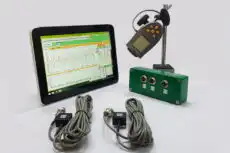
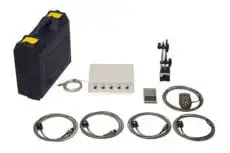
This pairing is exactly why mature predictive-maintenance routes collect both parameters at every measurement point. In practice the vibration half of the picture is gathered with a portable analyser — for example, a two-channel instrument such as the Balanset-1A measures amplitude and phase at the bearing housings while the machine runs, so that a spot temperature reading taken at the same point can be interpreted against what the vibration is doing rather than in isolation.
4. Installation Best Practices
A temperature reading is only as trustworthy as the thermal path between the sensor and the heat it is meant to measure.
Sensor placement
- Position the sensor as close to the heat source — the bearing — as practicable.
- Ensure good thermal contact with the measured surface, using thermal paste to eliminate air gaps.
- Shield the sensor from ambient temperature swings and from radiant or convective heat sources that are not the target.
Wiring
- Use the correct wire type for the sensor — compensating cable is mandatory for thermocouples to avoid introducing spurious junctions.
- Route signal cables away from high-current and high-voltage conductors to limit electrical noise.
- Terminate connections properly, and shield and ground the run where the environment demands it.
5. வழக்கமான பயன்பாடுகள்
Temperature monitoring appears across the whole spectrum of rotating equipment:
- தாங்கு கணிப்பு: the most common application — early detection of lubrication problems, confirmation of a developing bearing defect, and overload detection.
- Motor protection: உட்பொதிக்கப்பட்ட RTD-கள் வழியாக சுருள் வெப்பநிலை (இதற்கு எதிரான முதல்கட்ட பாதுகாப்பு வரிசை stator overheating and other motor defects), மேலும் அதிக சுமை மற்றும் போதிய குளிரூட்டலின்மையை வெளிப்படுத்தும் தாங்கி மற்றும் சட்டக வெப்பநிலைகள்.
- செயல்முறை உபகரணம்: pumps (bearing, seal, மற்றும் உறை வெப்பநிலைகள்), அமுக்கிகள் (வெளியேற்று மற்றும் தாங்கி வெப்பநிலைகள்), மற்றும் கியர்பாக்ஸ்கள் (எண்ணெய்-தொட்டி வெப்பநிலை).
ஒரு விரிவான முறையில் அதிர்வு உணரிகளுக்கு வெப்பநிலை உணரிகள் இன்றியமையாத துணைகளாகும் machinery-monitoring திட்டம். அதிர்வு பகுப்பாய்வு இயந்திர குறைபாடுகளை ஆரம்பத்திலேயே கண்டறிகிறது, அதே வேளையில் வெப்பநிலை கண்காணிப்பு வெப்ப நிலை, உராய்வு மற்றும் மசகூட்டலின் போதுமான தன்மையை உறுதிப்படுத்துகிறது — இவை இணைந்து சாதன ஆரோக்கியத்தைப் பற்றிய மிகவும் முழுமையான படத்தையும், ஒவ்வொரு தொழில்நுட்பமும் தனித்தனியாக வழங்கக்கூடியதைவிட பரந்த அளவிலான செயலிழப்பு வகைகளில் முந்தைய எச்சரிக்கையையும் வழங்குகின்றன.

