ఎలక్ట్రిక్ మోటార్ లోపాలను అర్థం చేసుకోవడం

మోటార్ లోపాలు విద్యుత్ మోటార్లలో అభివృద్ధి చెందే లోపాలు మరియు వైఫల్య విధానాలు — పూర్తిగా యాంత్రిక సమస్యలు (బేరింగ్ వైఫల్యాలు, రోటార్ నుండి స్టేటర్ సంపర్కం, షాఫ్ట్ సమస్యలు), విద్యుదయస్కాంత సమస్యలు (విరిగిన రోటార్ బార్లు, స్టేటర్ వైండింగ్ వైఫల్యాలు, ఎయిర్-గ్యాప్ అసమానతలు), మరియు ఒకటి మరొకదానిని ప్రభావితం చేసే సంయుక్త విద్యుత్-యాంత్రిక సమస్యలు వీటిని కలిగి ఉంటాయి. ప్రతి లోప వర్గం యంత్రం యొక్క లక్షణమైన సంతకాన్ని ముద్రిస్తుంది వైబ్రేషన్ మరియు విద్యుత్ ప్రవర్తనపై, కాబట్టి వాటిని వైబ్రేషన్ విశ్లేషణ, మోటార్ కరెంట్ సిగ్నేచర్ విశ్లేషణ (MCSA), మరియు థర్మల్ ఇమేజింగ్ ద్వారా మోటార్ వాస్తవంగా వైఫలమవడానికి చాలా ముందే గుర్తించవచ్చు.
విద్యుత్ మోటార్లు ఏ పారిశ్రామిక సౌకర్యంలోనైనా అత్యంత సంఖ్యలో ఉండే యంత్రాలలో ఒకటి, మరియు వాటి వైఫల్యాలు ప్రణాళిక వేయని డౌన్టైమ్ మరియు నిర్వహణ వ్యయంలో పెద్ద వాటా కలిగి ఉంటాయి. మోటార్-నిర్దిష్ట లోప విధానాలను — మరియు అవి ఉత్పత్తి చేసే ఫ్రీక్వెన్సీలను — తెలుసుకోవడం ద్వారా రిలయబిలిటీ బృందం రియాక్టివ్ రీప్లేస్మెంట్ నుండి ప్రణాళిక జోక్యానికి మారగలదు, విపత్కర వైఫల్యాన్ని నివారించి ప్రతి డ్రైవ్ నుండి గరిష్ట విశ్వసనీయతను పిండవచ్చు.
1. మోటార్ లోపాల మూడు వర్గాలు
మోటార్ సమస్యలను మూడు సమూహాలుగా వర్గీకరించడం ఉపయోగకరంగా ఉంటుంది: అన్ని తిరిగే యంత్రాలతో సమానమైన లోపాలు, విద్యుదయస్కాంత శాస్త్రానికి ప్రత్యేకమైన లోపాలు, మరియు రెండు రంగాలను కలిపే హైబ్రిడ్ లోపాలు.
యాంత్రిక లోపాలు (అన్ని తిరిగే యంత్రాలకు సాధారణమైనవి)
- అసమతుల్యత: రోటర్ ద్రవ్యరాశి అసమానత, ఒక ప్రధానమైన 1× నడుస్తున్న వేగం కంపనం.
- బేరింగ్ వైఫల్యాలు: అన్ని వైఫల్యాలలో దాదాపు సగం భాగం, అత్యంత సాధారణమైన మోటార్ లోపం.
- అసమరేఖనం: మోటార్-లోడ్ కప్లింగ్ లోపం, సాధారణంగా బలమైన 2× కాంపోనెంట్గా కనిపిస్తుంది.
- మెకానికల్ లూజ్నెస్: అడుగుల అమరికలు, ఎండ్ బెల్లు, లేదా రోటార్ భాగాలు వదులుగా ఉండటం, తరచుగా హార్మోనిక్స్ శ్రేణిని పెంచుతుంది.
- షాఫ్ట్ సమస్యలు: a వంగిన షాఫ్ట్ లేదా పగిలిన రోటర్ తిరిగే అసెంబ్లీని వంచేది.
విద్యుదయస్కాంత లోపాలు (మోటార్-నిర్దిష్టం)
ఇవి గేర్బాక్స్ లేదా పంపు ఎప్పుడూ చూపించని లోపాలు — ఇవి రోటార్ కేజ్లో, స్టేటర్ వైండింగ్లో, మరియు వాటి మధ్య ఉండే మాగ్నెటిక్ ఎయిర్ గ్యాప్లో నివసిస్తాయి.
- రోటార్ విద్యుత్ లోపాలు: విరిగిన రోటర్ బార్లు (స్క్విరెల్-కేజ్ రోటార్లలో విరిగిన కండక్టర్ బార్లు, వైఫల్యాలలో దాదాపు 10–15%), పగిలిన ఎండ్ రింగులు (బార్లను కలిపే షార్ట్-సర్కిట్ రింగులలో పగుళ్లు), రోటార్ పోరోసిటీ (విద్యుత్ లక్షణాలను మార్చే కాస్టింగ్ శూన్యాలు), మరియు బార్లు మరియు ఎండ్ రింగుల మధ్య అధిక నిరోధక జాయింట్లు.
- స్టేటార్ విద్యుత్ లోపాలు: వైండింగ్ ఇన్సులేషన్ విచ్ఛిన్నం, టర్న్-టు-టర్న్ షార్ట్స్ మరియు ఫేజ్-టు-ఫేజ్ లోపాలు (వైఫల్యాలలో 30–40%), ఇన్సులేషన్ ఫ్రేమ్కు వైఫలమయ్యే గ్రౌండ్ ఫాల్ట్లు, మరియు థర్మల్ క్షీణత, యాంత్రిక ఒత్తిడి, లేదా కాలుష్యం వల్ల కాయిల్ దెబ్బ.
- ఎయిర్-గ్యాప్ సమస్యలు: ఒక అసమకేంద్రిత రోటార్ తయారీ లేదా మరిగిపోవడం వల్ల అసమానమైన గ్యాప్ ఇవ్వడం, రబ్బింగ్ బేరింగ్ వైఫల్యం లేదా తప్పు అమరిక వల్ల రోటార్ మరియు స్టేటర్ మధ్య సంపర్కం, మరియు చుంబక ఆకర్షణ బలం — గ్యాప్ అసమానత వల్ల ఉత్పన్నమయ్యే అసమతుల్య అయస్కాంత శక్తి.
మిళిత విద్యుత్-యాంత్రిక లోపాలు
- ఉష్ణ సమస్యలు: అతిభారం, అసమర్థ వెంటిలేషన్, లేదా అంతర్లీన విద్యుత్ లోపం వల్ల అతి వేడెక్కడం.
- వెంటిలేషన్ సమస్యలు: వైండింగ్లను మాడిపోయేలా చేసే అడ్డుపడిన లేదా దెబ్బతిన్న శీతలీకరణ ఫ్యాన్లు.
- క్రాస్-డొమైన్ కప్లింగ్: విద్యుత్ లోపాలు యాంత్రిక కంపనాన్ని రేకెత్తిస్తాయి, మరియు యాంత్రిక లోపాలు అయస్కాంత సర్క్యూట్ను వక్రీకరిస్తాయి — ఒకటి మరొకటిని మరింత తీవ్రతరం చేస్తాయి.
2. ప్రధాన లోపాల కంపన సంకేతాలు
మోటార్లపై కంపన డయాగ్నొస్టిక్స్ యొక్క శక్తి ఏమిటంటే, విద్యుదయస్కాంత లోపాలు షాఫ్ట్ వేగం యొక్క సాధారణ గుణిజాలలో కాకుండా, అంచనా వేయదగిన, లైన్-సంబంధిత పౌనఃపున్యాలలో కనిపిస్తాయి. లైన్ ఫ్రీక్వెన్సీ, పోల్స్ సంఖ్య, మరియు స్లిప్ ఫ్రీక్వెన్సీ కలిసి డయాగ్నొస్టిక్ శిఖరాలు ఎక్కడ పడతాయో నిర్ణయిస్తాయి.
విరిగిన రోటర్ బార్లు
అత్యంత ముఖ్యమైన మోటార్-నిర్దిష్ట లోపాలలో ఒకటి, మరియు ఒక పాఠ్యపుస్తక ఉదాహరణ సైడ్బ్యాండ్ విశ్లేషణ:
- ఫ్రీక్వెన్సీ: ±(పోల్-పాస్ ఫ్రీక్వెన్సీ) అంతరంతో నడిచే వేగాన్ని చుట్టుముట్టే సైడ్బ్యాండ్లు — 1× ± FP నమూనా, ఇక్కడ FP = పోల్స్ సంఖ్య × స్లిప్ ఫ్రీక్వెన్సీ; 60 Hz మోటార్లో సాధారణంగా కొన్ని హెర్ట్జ్.
- యాంప్లిట్యూడ్ మాడ్యులేషన్: కరెంట్ మరియు టార్క్ పోల్-పాస్ ఫ్రీక్వెన్సీ వద్ద పల్స్ అవుతాయి (పర్-యూనిట్ స్లిప్కు రెండింతలు × లైన్ ఫ్రీక్వెన్సీ).
- లోడ్ ఆధారపడటం: లోడ్ కింద సైడ్బ్యాండ్లు మరింత స్పష్టంగా పెరుగుతాయి, కాబట్టి మీరు కొలత తీసుకునేటప్పుడు మోటార్ను లోడ్ చేయాలి.
- పురోగతి: అదనపు బార్లు విరిగిపోవడంతో సైడ్బ్యాండ్ వ్యాప్తి పెరుగుతుంది, ఇది లోపాన్ని మంచి అభ్యర్థిగా చేస్తుంది ట్రెండింగ్.
స్టేటార్ సమస్యలు
- ఫ్రీక్వెన్సీ: సాధారణంగా లైన్ ఫ్రీక్వెన్సీకి రెండింతల వద్ద ప్రధాన పీక్ ఉంటుంది — 60 Hz సరఫరాలో 120 Hz, 50 Hz సరఫరాలో 100 Hz.
- కారణం: వైండింగ్ లోపాల వల్ల ఏర్పడే మాగ్నెటిక్-ఫోర్స్ అసమమితి. 2× లైన్-ఫ్రీక్వెన్సీ పీక్ ఒక్కటే తుది ఆధారం కాదు — సరఫరా అసమతుల్యత మరియు ఎయిర్-గ్యాప్ ఎక్సెంట్రిసిటీ కూడా దానిని సృష్టిస్తాయి, కాబట్టి ఫేజ్-కరెంట్ తనిఖీలతో నిర్ధారించండి.
- అదనంగా: లైన్ పౌనఃపున్యం యొక్క హార్మోనిక్లు కూడా కనిపించవచ్చు.
- విద్యుదయస్కాంత శబ్దం: రెండు రెట్లు లైన్ పౌనఃపున్యంలో వినిపించే హమ్మింగ్ శబ్దం తరచుగా కంపనంతో పాటు వస్తుంది.
వికేంద్రీయ రోటర్ (ఎయిర్-గ్యాప్ వైవిధ్యం)
- ఫ్రీక్వెన్సీలు: లైన్ ఫ్రీక్వెన్సీకి రెండింతల వద్ద మరియు నడిచే వేగం వద్ద పీక్లు, వాటి పక్కన ఈ అంతరంతో ఉన్న సైడ్బ్యాండ్లు పోల్-పాస్ పౌనఃపున్యం.
- నమూనా: 2×FL ± FP మరియు 1× ± FP, ఇక్కడ FP (పోల్-పాస్ ఫ్రీక్వెన్సీ) = పోల్స్ సంఖ్య × స్లిప్ ఫ్రీక్వెన్సీ.
- అయస్కాంత అసమతుల్యత: రోటర్ యాంత్రికంగా చక్కగా బ్యాలెన్స్ చేయబడినప్పటికీ, అసమాన గ్యాప్ రేడియల్ కంపనాన్ని ఉత్పత్తి చేస్తుంది.
- సమ్మిళిత ప్రభావం: యాంత్రిక సహకారం (విక్కేంద్రత స్వయంగా) మరియు విద్యుదయస్కాంత సహకారం (గ్యాప్ చుట్టూ మారుతున్న అయస్కాంత నిరోధం) రెండూ ఉంటాయి.
3. గుర్తింపు పద్ధతులు
ఒకే పద్ధతి ప్రతి మోటార్ లోపాన్ని పట్టుకోదు. బలమైన కార్యక్రమాలు పరిపూరకరమైన పద్ధతులను పొందుపరుస్తాయి, తద్వారా ఒకటి పట్టుకోని లోపాన్ని మరొకటి గుర్తిస్తుంది.
వైబ్రేషన్ విశ్లేషణ
- ప్రామాణిక FFT: ఒక FFT స్పెక్ట్రం యాంత్రిక లోపాలు మరియు విద్యుదయస్కాంత లైన్ పౌనఃపున్యాలు రెండింటినీ గుర్తిస్తుంది.
- సైడ్బ్యాండ్ విశ్లేషణ: రోటర్-బార్ మరియు ఎయిర్-గ్యాప్ సమస్యలను పట్టుకోవడానికి కీలకమైనది, ఇవి 1× శిఖరం యొక్క అంచులలో దాగి ఉంటాయి.
- బేరింగ్ పౌనఃపున్యాలు: ఎన్వెలప్ విశ్లేషణ ప్రారంభ దశ లోపాలను వెలికితీస్తుంది బేరింగ్ లోపం పౌనఃపున్యాలు బలమైన భాగాల క్రింద దాగివున్నవి.
- ట్రెండింగ్: కాలక్రమేణా వ్యాప్తులను ట్రాక్ చేయడం నెమ్మదిగా అభివృద్ధి చెందుతున్న లోపాన్ని బయటపెడుతుంది.
మోటార్ కరెంట్ సిగ్నేచర్ విశ్లేషణ (MCSA)
- కంపనం కాకుండా మోటార్ యొక్క లైన్ కరెంట్ యొక్క పౌనఃపున్య స్పెక్ట్రమ్ను విశ్లేషిస్తుంది.
- యంత్రంపై కంపన సెన్సర్లు అమర్చకుండా విద్యుత్ లోపాలను గుర్తిస్తుంది.
- రోటర్-బార్ మరియు స్టేటర్-వైండింగ్ లోపాలకు ముఖ్యంగా సమర్థవంతంగా ఉంటుంది.
- ఉత్పత్తిని ఆపకుండా ఆన్లైన్లో నిర్వహించవచ్చు.
- కంపన విశ్లేషణను భర్తీ చేయకుండా, దానికి పూరకంగా పనిచేస్తుంది.
థర్మల్ ఇమేజింగ్
- ఇన్ఫ్రారెడ్ కెమెరాలు మోటార్ ఫ్రేమ్ అంతటా వేడి మచ్చలను బయటపెడతాయి.
- వైండింగ్ లోపాలు స్థానికంగా వేడెక్కడంగా కనిపిస్తాయి.
- వెంటిలేషన్ అవరోధాలు విస్తృత వేడి ప్రాంతాలుగా కనిపిస్తాయి.
- బేరింగ్ సమస్యలు బేరింగ్-హౌసింగ్ ఉష్ణోగ్రతను పెంచుతాయి.
- అధిక లోడ్ పరిస్థితులు సాధారణ ఉష్ణోగ్రత పెరుగుదలను కలిగిస్తాయి.
విద్యుత్ పరీక్ష
- ఇన్సులేషన్ నిరోధకత: మెగోహ్మీటర్ పరీక్ష వైండింగ్ ఇన్సులేషన్ క్షీణతను వెల్లడిస్తుంది.
- పోలారైజేషన్ సూచిక: మొత్తం ఇన్సులేషన్ స్థితిని సూచించే నిష్పత్తి.
- హైపాట్ పరీక్ష: అధిక వోల్టేజ్ కింద ఇన్సులేషన్ సమగ్రతను ధృవీకరిస్తుంది.
- కరెంట్ సమతుల్యత: ప్రతి దశలో కరెంట్ కొలవడం బయటపెడుతుంది విద్యుత్ అసమతుల్యత దశల మధ్య.
4. వైఫల్య గణాంకాలు మరియు Balanset-1A క్షేత్రంలో
ప్రతి వైఫల్య విధానం యొక్క సాపేక్ష పౌనఃపున్యాన్ని తెలుసుకోవడం ఒక బృందాన్ని దాని పర్యవేక్షణ ప్రయత్నాన్ని అత్యంత ఉపయోగకరమైన చోటికి లక్ష్యంగా చేసుకోవడానికి అనుమతిస్తుంది:
- బేరింగ్ వైఫల్యాలు: మోటార్ వైఫల్యాలలో దాదాపు 50%.
- స్టేటర్ వైండింగ్ వైఫల్యాలు: దాదాపు 30–35%.
- రోటర్ లోపాలు: దాదాపు 10–15%.
- బాహ్య కారకాలు: మిగిలిన ~5% — కలుషితాలు, వాతావరణం మరియు ఇలాంటివి.
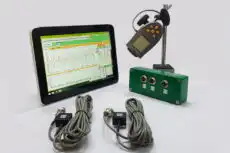
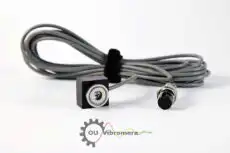
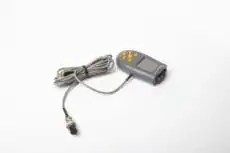
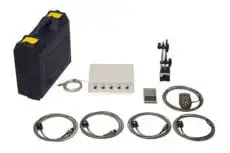
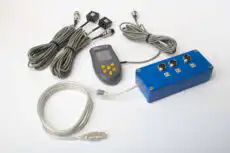
ఎందుకంటే ఆ వైఫల్యాలలో సగం బేరింగ్లకు సంబంధించినవి, మరియు అనేక బేరింగ్ వైఫల్యాలు అధిక vibration వల్ల సంభవిస్తాయి; కాబట్టి మూలంలోనే unbalance ని నియంత్రించడం మెయింటెనెన్స్ టీమ్ చేయగలిగే అత్యంత సార్థకమైన పనులలో ఒకటి. ఒక మోటారు యొక్క 1× vibration అధికంగా ఉన్నప్పుడు, ఒక ఇంజినీర్ దాన్ని అక్కడికక్కడే ధృవీకరించి సరిచేయవచ్చు — పోర్టబుల్ రెండు-ఛానెల్ analyser అయిన Balanset-1A: ఇది కొలుస్తుంది ఆంప్లిట్యూడ్ మరియు దశ నడుస్తున్న వేగం యొక్క vibration యొక్క amplitude మరియు phase ను కొలుస్తుంది, నిజమైన unbalance ను విద్యుదయస్కాంత 2×-లైన్ పీక్ నుండి వేరు చేస్తుంది, మరియు — లోపం మెకానికల్ అయినప్పుడు — సింగిల్-ప్లేన్ లేదా టూ-ప్లేన్ ఫీల్డ్ బ్యాలెన్సింగ్ మోటారు యొక్క స్వంత బేరింగ్లలో, తర్వాత ధృవీకరిస్తుంది అవశేష అసమతుల్యత డ్రైవ్ని విప్పకుండానే. ఈ విధంగా సమస్యను పట్టుకోవడం వల్ల బేరింగ్ జీవితకాలాన్ని తగ్గించే సైడ్-లోడింగ్ నివారించబడుతుంది.
5. నివారణ నిర్వహణ వ్యూహాలు
కండిషన్ మానిటరింగ్
- ఒక రూట్ షెడ్యూల్లో త్రైమాసిక లేదా నెలవారీ vibration సర్వేలు.
- నిరంతర పర్యవేక్షణ అత్యంత క్రిటికల్ మోటార్లకు.
- వార్షికంగా లేదా అర్ధ-వార్షికంగా థర్మల్-ఇమేజింగ్ సర్వేలు.
- మోటార్-కరెంట్ విశ్లేషణ, ఆవధిక లేదా నిరంతర.
- విస్తృత కండిషన్ మానిటరింగ్ ప్రోగ్రామ్లో భాగంగా మార్పులు ముందుగా గుర్తించబడేలా ప్రతి పారామీటర్ను ట్రెండ్ చేయడం ప్రెడిక్టివ్-మెయింటెనెన్స్ కార్యక్రమం.
నిత్య నిర్వహణ
- లూబ్రికేషన్: బేరింగ్లను షెడ్యూల్ ప్రకారం రీలూబ్రికేట్ చేయండి — సాధారణంగా ప్రతి 6–12 నెలలకు ఒకసారి.
- శుభ్రపరచడం: కూలింగ్ మార్గాల నుండి దుమ్ము మరియు చెత్తను శుభ్రం చేయండి.
- బిగించడం: మౌంటింగ్ బోల్ట్లు మరియు టెర్మినల్ కనెక్షన్లను తనిఖీ చేయండి.
- తనిఖీ: కనిపించే నష్టం, అతిగా వేడెక్కడం మరియు కలుషితత కోసం పరిశీలించండి.
- పరీక్ష: ఆవధికంగా ఇన్సులేషన్-నిరోధకత పరీక్షలను పునరావృతం చేయండి.
బ్యాలన్సింగ్ మరియు అలైన్మెంట్
- మంచిగా నిర్వహించండి బ్యాలెన్సింగ్ నాణ్యత బేరింగ్ లోడ్లను తక్కువగా ఉంచడానికి.
- ఖచ్చితంగా ఉంచండి షాఫ్ట్ అలైన్మెంట్ నడపబడే పరికరానికి.
- అలైన్మెంట్ను క్రమానుగతంగా మళ్ళీ సరిచూడండి — వార్షికంగా లేదా ఏదైనా మెయింటెనెన్స్ తర్వాత.
6. మూల కారణ విశ్లేషణ
ఒక మోటారు వైఫల్యానికి గురైనప్పుడు, అదే వైఫల్యం మళ్ళీ పునరావృతం కాకుండా నిలువరించేది మూల కారణాన్ని కనుగొనడమే. లక్షణాన్ని సంభావ్య కారణాలతో జత కలపండి:
బేరింగ్ వైఫల్యాలు
- పరిశీలించండి: లూబ్రికేషన్ సమర్థత, కాలుష్య వనరులు, అలైన్మెంట్, కంపన స్థాయిలు.
- సాధారణ కారణాలు: అతిగా గ్రీజు వేయడం, తప్పు గ్రీజు రకం, misalignment, అధిక vibration.
విద్యుత్ వైఫల్యాలు
- పరిశీలించండి: నిర్వహణ పరిస్థితులు, వోల్టేజ్ నాణ్యత, డ్యూటీ సైకిల్, శీతలీకరణ సమర్థత.
- సాధారణ కారణాలు: అతిభారం, వోల్టేజ్ అసమతుల్యత, సింగిల్-ఫేసింగ్, అడ్డుపడిన శీతలీకరణ.
యాంత్రిక వైఫల్యాలు
- పరిశీలించండి: భారం లక్షణాలు, అమరిక నాణ్యత, నిర్వహణ వాతావరణం.
- సాధారణ కారణాలు: అఘాత భారాలు, తప్పుడు అమరిక (misalignment), లోపభూయిష్ట స్థాపన, కలుషిత వాతావరణం.
7. పరిశ్రమ ప్రమాణాలు
అనేక ప్రమాణాలు మోటారు పనితీరు, పరీక్ష మరియు అనుమతించదగిన vibration కి చట్రాన్ని ఏర్పాటు చేస్తాయి:
- NEMA MG-1: మోటార్ పనితీరు మరియు పరీక్ష.
- IEC 60034: కంపన పరిమితులతో సహా అంతర్జాతీయ మోటార్ ప్రమాణాలు.
- IEEE 43: ఇన్సులేషన్-టెస్టింగ్ పద్ధతి (పోలరైజేషన్ ఇండెక్స్ యొక్క మూలం).
- ISO 20816: విద్యుత్ మోటార్లకు vibration-severity ప్రమాణాలు — చాలా కాలంగా ఉదహరించిన ISO 10816 సిరీస్కు ఆధునిక వారసుడు.
విద్యుత్ మోటారు లోపాలు మొత్తం పారిశ్రామిక పరికరాల వైఫల్యాలలో గణనీయమైన వాటాను సూచిస్తాయి. మెకానికల్, ఎలక్ట్రికల్ మరియు విద్యుదయస్కాంత లోపాల విలక్షణమైన సంకేతాలను అర్థం చేసుకుని — vibration విశ్లేషణ, కరెంట్ విశ్లేషణ మరియు థర్మల్ ఇమేజింగ్ను ఒకే కండిషన్ మానిటరింగ్ ప్రోగ్రామ్లో కలపడం ద్వారా — మోటారు మెయింటెనెన్స్ను అగ్నిమాపన నుండి అంచనా వేయడానికి మారుస్తుంది, అనుకోని డౌన్టైమ్ను తగ్గిస్తూ విశ్వసనీయతను గరిష్ఠం చేస్తుంది.

