కండిషన్ మానిటరింగ్లో థ్రెషోల్డ్లను అర్థం చేసుకోవడం






A పరిమితి — దీన్ని పరిమితి, సెట్పాయింట్, లేదా ట్రిగ్గర్ విలువ అని కూడా అంటారు — ఇది ఒక కండిషన్ మానిటరింగ్ వ్యవస్థలో సాధారణ స్థితిని అసాధారణ స్థితి నుండి వేరుచేసే ముందే నిర్ణయించిన స్థాయి. vibration వంటి కొలిచిన పారామీటర్ వైబ్రేషన్, ఉష్ణోగ్రత, లేదా పీడనం దాని థ్రెషోల్డ్ను దాటినప్పుడు, అది ఒక చర్యను ప్రారంభిస్తుంది: అలారం నోటిఫికేషన్, స్వయంచాలక డేటా క్యాప్చర్, వర్క్-ఆర్డర్, లేదా అత్యంత తీవ్రమైన సందర్భంలో పరికరాన్ని షట్డౌన్ చేయడం. థ్రెషోల్డ్లు నిర్ణయ సరిహద్దులు, ఇవి కొలత డేటా యొక్క నిరంతర ప్రవాహాన్ని విడివిడి, చర్య అవసరమయ్యే సంఘటనలుగా మారుస్తాయి, నిజంగా మానవ శ్రద్ధ అవసరమయ్యే కొన్ని అపవాదులను స్వయంచాలక వ్యవస్థ గుర్తించేందుకు వీలు కల్పిస్తాయి.
ఆ సరిహద్దులను సరిగ్గా ఎంచుకోవడం మానిటరింగ్ కార్యక్రమం యొక్క విజయానికి మూలాధారం. ప్రతి థ్రెషోల్డ్ అనేది సంవేదనశీలత (సమస్యలను ముందుగా గుర్తించడం) మరియు నిర్దిష్టత (అనవసర అలారాలు ఇవ్వకుండా ఉండటం) మధ్య రాజీ, మరియు ఇది పరికరం యొక్క క్రిటికాలిటీ, మీరు ఆశించే వైఫల్య మోడ్లు, మరియు సైట్ భరించడానికి సిద్ధంగా ఉన్న కార్యాచరణ రిస్క్ను ప్రతిబింబించాలి.
1. థ్రెషోల్డ్ రకాలు
థ్రెషోల్డ్లు ఇందులో భిన్నంగా ఉంటాయి ఏమిటి వాటిని ఒక రీడింగ్తో పోల్చవచ్చు. నాలుగు వర్గాలు దాదాపు ప్రతి మానిటరింగ్ పద్ధతిని కవర్ చేస్తాయి, మరియు పరిపక్వ కార్యక్రమాలు తరచుగా ఒకే యంత్రంపై అనేకటిని సమాంతరంగా నిర్వహిస్తాయి.
సంపూర్ణ థ్రెషోల్డ్లు
- ఇంజనీరింగ్ యూనిట్లలో (mm/s, °C, bar) స్థిర విలువలు — ఉదాహరణకు, వేగం 7.1 mm/s మించితే అలారం ఇవ్వడం, కొన్ని ISO 10816/20816 మెషిన్-నిర్దిష్ట పట్టికలు నిర్దిష్ట మెషిన్ గ్రూపులు మరియు సపోర్ట్ కండిషన్ల కోసం జోన్ సరిహద్దుగా ఉపయోగించే విలువ.
- వర్తించే మెషిన్-నిర్దిష్ట భాగం నుండి తీసుకోబడింది ISO 20816 (ISO 10816కు ఆధునిక వారసత్వ ప్రమాణం), పరికర స్పెసిఫికేషన్లు, లేదా సంచిత అనుభవం నుండి — సంఖ్యా జోన్ సరిహద్దులు మెషిన్ గ్రూప్ మరియు సపోర్ట్ కండిషన్లను బట్టి మారుతాయి, కాబట్టి ఒకే విలువ సార్వత్రికంగా వర్తించదు.
- యంత్రం యొక్క వ్యక్తిగత చరిత్రతో సంబంధం లేకుండా అదే పరిమితి వర్తిస్తుంది — అర్థం చేసుకోవడానికి, డాక్యుమెంట్ చేయడానికి మరియు సమర్థించడానికి సులభం.
సాపేక్ష థ్రెషోల్డ్లు
- ఒక బేస్లైన్ లేదా రెఫరెన్స్ రీడింగ్ యొక్క గుణకంగా నిర్వచించబడింది — ఉదాహరణకు, vibration బేస్లైన్ కంటే 3× ఎక్కువగా ఉంటే అలారం ఇవ్వడం.
- ప్రతి యంత్రం యొక్క స్వస్థ సంతకానికి అనుగుణంగా ఉంటుంది, కాబట్టి నిజమైన మార్పుపై ఇది మరింత సున్నితంగా ఉంటుంది.
- దాని వెనుక ఉన్న బేస్లైన్ అంత మాత్రమే మంచిది, కాబట్టి ఇది సరైన బేస్లైన్ డేటా.
మార్పు రేటు థ్రెషోల్డ్లు
- విలువ దాని స్థాయికి బదులు ఎంత వేగంగా కదులుతుందో గమనించండి — ఉదాహరణకు, vibration ఒక వారంలో 50% కంటే ఎక్కువగా పెరిగితే అలారం ఇవ్వడం.
- వేగంగా జరుగుతున్న క్షీణతను ముందుగా గుర్తిస్తాయి మరియు సంపూర్ణ రీడింగ్తో సంబంధం లేకుండా ఉంటాయి, క్లాసిక్ను పూరిస్తాయి ట్రెండ్ విశ్లేషణ.
గణాంక థ్రెషోల్డ్లు
- చారిత్రక డేటా యొక్క గణాంకాల నుండి తీసుకోబడింది — ఉదాహరణకు, విలువ సగటు మరియు మూడు ప్రామాణిక విచలనాల మొత్తాన్ని మించితే అలారం ఇవ్వడం.
- సాధారణ వ్యాప్తిని పరిగణనలోకి తీసుకుంటాయి మరియు ప్రక్రియ వైవిధ్యానికి అనుగుణంగా ఉంటాయి, కానీ విశ్వసనీయంగా ఉండేందుకు తగినంత చరిత్ర అవసరం.
2. థ్రెషోల్డ్లను నిర్ణయించే విధానాలు
ఎక్కడ సంఖ్యలు స్వయంగా ఎక్కడ నుండి వస్తాయో అనే ప్రశ్న రకం నుండి వేరే ప్రశ్న. మూడు విధానాలు సాధారణం, మరియు ఇవి తరచుగా కలిపి ఉపయోగించబడతాయి.
ప్రమాణాల ఆధారిత
- ప్రచురించిన జోన్ సరిహద్దులను ఉపయోగిస్తుంది — ISO 20816 vibration జోన్లు, లేదా API మరియు NEMA వంటి పరిశ్రమ కోడ్లు.
- ప్రయోజనాలు: నిరూపితమైనది, డాక్యుమెంటేడ్ మరియు ఆడిటర్కు సమర్థించడం సులభం.
- పరిమితులు: స్వభావంతో సాధారణమైనది; విస్తృతమైన ప్రమాణం ప్రతి యంత్రానికి మరియు మౌంటింగ్కు సరిపోలదు.
అనుభవం ఆధారిత
- సైట్ యొక్క స్వంత వైఫల్యాలు మరియు మంచి నడకల రికార్డు నుండి నిర్మించబడింది, సంవత్సరాల పాటు మెరుగుపరచబడింది.
- ప్రయోజనాలు: పరికరానికి మరియు దాని విధికి నిజంగా నిర్దిష్టంగా ఉంటుంది.
- పరిమితులు: సేకరించడానికి సమయం మరియు నైపుణ్యం అవసరం.
రిస్క్ ఆధారిత
- వైఫల్యం యొక్క పరిణామాల ఆధారంగా పరిమితిని నిర్ణయిస్తుంది: అధిక పరిణామ ఆస్తులపై కఠినమైన థ్రెషోల్డ్లు, ఆపు చేయడం చవుకగా ఉండే చోట సడలించిన వాటిని.
- పర్యవేక్షణ ప్రయత్నాన్ని సమలేఖనం చేస్తుంది క్రిటికల్ యంత్రాలు ప్రాధాన్యతలతో మరియు రిస్క్కు వ్యతిరేకంగా మొత్తం కార్యక్రమ వ్యయాన్ని అనుకూలిస్తుంది.
3. అలారమ్ క్రమానుగతం
ఒకే థ్రెషోల్డ్ అరుదుగా సరిపోతుంది. చాలా వ్యవస్థలు అనేకం వరుసగా అమర్చుతాయి, తద్వారా అభివృద్ధి చెందుతున్న లోపం ఒకే బైనరీ ట్రిప్ కాకుండా దశల వారీ ప్రతిస్పందనతో ఎదుర్కొనబడుతుంది:
- మొదటి హెచ్చరిక స్థాయి తొలి, గమనించాల్సిన విచలనాన్ని సూచిస్తుంది.
- ఒక అలారం స్థాయి తదుపరి అవకాశం కోల్పోయే ముందు ప్రణాళికాబద్ధమైన జోక్యం కోసం పిలుపు నిస్తుంది.
- A ట్రిప్ స్థాయి స్వయంచాలక పరికరాన్ని నడిపిస్తుంది షట్డౌన్ తీవ్రమైన నష్టాన్ని నివారించడానికి.
ఈ పొరలు నిర్ణయ సమయాన్ని కొనుగోలు చేస్తాయి: మొదటి హెచ్చరిక మరియు ట్రిప్ మధ్య అంతరం మెయింటెనెన్స్ బృందానికి చర్య తీసుకోవడానికి ఉన్న లీడ్ టైమ్, ఇది ప్రారంభ హెచ్చరిక మానిటరింగ్.
4. సాధారణ తప్పులు
చాలా తీవ్రంగా (అతి సున్నితంగా)
- ఫలితం: తప్పుడు అలారమ్ల వరద.
- ప్రభావం: అలారమ్ అలసట మరియు వృథా పరిశోధన సమయం — మరియు శబ్దంలో నిజమైన అలారమ్ విస్మరించబడే నిజమైన ప్రమాదం.
- పరిష్కారం: కొలిచిన తప్పుడు అలారమ్ రేటు ఆధారంగా పరిమితిని సడలించండి.
చాలా సడలించి (అతి అనుమతించేలా)
- ఫలితం: సమస్యలు ఆలస్యంగా గుర్తించబడ్డాయి.
- ప్రభావం: తక్కువ లీడ్ టైమ్, అధిక మరమ్మత్తు వ్యయం, కొన్నిసార్లు ఏ హెచ్చరిక రాకముందే వైఫల్యం.
- పరిష్కారం: పరిమితిని బిగించి పర్యవేక్షణ పౌనఃపున్యాన్ని పెంచండి.
అందరికీ ఒకే పరిమాణం సరిపోయే
- భిన్నమైన యంత్రాలకు అదే పరిమితి వర్తింపజేయడం వాటి తేడాలను విస్మరిస్తుంది — ఇది ఒకే సమయంలో కొన్నింటికి చాలా కఠినంగా మరియు మరికొన్నింటికి చాలా సడలింపుగా ఉంటుంది. పరికర-నిర్దిష్ట థ్రెషోల్డ్లు దాదాపు ఎల్లప్పుడూ శ్రేయస్కరం.
5. అనుకూలన, ధృవీకరణ మరియు డాక్యుమెంటేషన్
థ్రెషోల్డ్ ఒకసారి నిర్ణయించి మరిచిపోయేది కాదు; ఇది కార్యక్రమం యొక్క జీవితకాలమంతా ట్యూన్ చేయబడుతుంది.
- ప్రారంభ సెట్టింగ్: ఒక ప్రమాణం లేదా సంప్రదాయ అంచనా నుండి ప్రారంభించి, కారణాన్ని నమోదు చేసి, దాన్ని మెరుగుపరచడానికి ప్రణాళిక వేయండి.
- ట్యూనింగ్: నిజమైన మరియు తప్పుడు అలారమ్లను లెక్కించండి, ~10% కంటే తక్కువ తప్పుడు అలారమ్లు కోసం లక్ష్యంగా ఉండటంతో పాటు ~90% కంటే ఎక్కువ నిజమైన సమస్యలను పట్టుకోండి; లోపాలు మిస్ అవుతుంటే బిగించండి, అనవసరమైన ట్రిప్లలో మునిగిపోతుంటే సడలించండి, మరియు ప్రతి మార్పును డాక్యుమెంట్ చేయండి.
- ధృవీకరణ: ప్రతి నిజమైన వైఫల్యం తర్వాత, థ్రెషోల్డ్ తగిన హెచ్చరిక ఇచ్చిందా మరియు తప్పుడు అలారమ్లు వనరులు వృథా చేశాయా అని అడగండి, ఆపై ఆ ఫలితాల ఆధారంగా సర్దుబాటు చేయండి.
- గవర్నెన్స్: ప్రతి యంత్రానికి ప్రస్తుత విలువలు, మార్పు చరిత్ర మరియు కారణాన్ని కలిగి ఉండే థ్రెషోల్డ్ డేటాబేస్ను నిర్వహించండి, ఇంజనీరింగ్ సమీక్ష మరియు ఆపరేషన్లకు కమ్యూనికేషన్తో అధికారిక మార్పు-నియంత్రణ ప్రక్రియ కింద.
థ్రెషోల్డ్లను మొత్తం స్థాయికి మించి కూడా వర్తింపజేయవచ్చు: నిర్దిష్ట స్పెక్ట్రల్ లైన్లపై అంకితమైన పరిమితులు, అలాంటివి బేరింగ్ లోపం పౌనఃపున్యాలు లేదా 1× మరియు 2× ఆపరేటింగ్ వేగం తొలి, మరింత నిర్దిష్ట లోపం గుర్తింపు ఇస్తాయి, మరియు నిర్గమించిన మెట్రిక్లపై పరిమితులు అలాంటివి క్రెస్ట్ ఫ్యాక్టర్ మరియు కర్టోసిస్ విస్తృత బ్యాండ్ స్థాయి కదలడానికి చాలా ముందే బేరింగ్ డ్యామేజ్ను సూచించగలవు.
6. ఫీల్డ్ బ్యాలెన్సింగ్లో థ్రెషోల్డ్లు
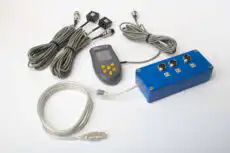
థ్రెషోల్డ్ భావన నిఘా దాటి సరిదిద్దే పనికి చేరుతుంది. రోటర్ బ్యాలెన్స్ చేయబడినప్పుడు, అంగీకార పరిమితి అదే ఒక థ్రెషోల్డ్: పని అప్పుడే పూర్తవుతుంది, కొలిచిన అవశేష అసమతుల్యత — లేదా ఫలితంగా వచ్చే వైబ్రేషన్ — ఎంచుకున్న టాలరెన్స్ కంటే తక్కువకు వెళ్ళినప్పుడు. Balanset-1A వంటి పోర్టబుల్ రెండు-ఛానల్ అనలైజర్ Balanset-1A దిద్దుబాటుకు ముందు మరియు తర్వాత 1× వ్యాప్తిని కొలుస్తుంది మరియు చివరి రీడింగ్ లక్ష్య బ్యాలెన్సింగ్ సహన పరిమితి బ్యాండ్ లోపల ఉందని నిర్ధారిస్తుంది, ఇది నిరంతర పర్యవేక్షణకు కాకుండా ఒకే మరమ్మత్తుకు వర్తించే పాస్/ఫెయిల్ థ్రెషోల్డ్ సరిగ్గా.

