ట్రెండ్ విశ్లేషణను అర్థం చేసుకోవడం
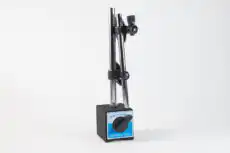

ట్రెండ్ విశ్లేషణ అనేది క్రమబద్ధమైన వ్యాఖ్యానం ట్రెండ్ చేయబడింది వైబ్రేషన్ డేటాను pattern లను గుర్తించడానికి, మార్పు రేట్లను అంచనా వేయడానికి, భవిష్యత్తు ప్రవర్తనను అంచనా వేయడానికి మరియు సమాచారాత్మక నిర్వహణ నిర్ణయాలు తీసుకోవడానికి వినియోగిస్తారు. ఈ భేదం ముఖ్యమైనది: trending అనేది కాలక్రమంలో కొలతలను సేకరించి చిత్రీకరించే చర్య, అయితే trend analysis అనేది ఆ చిత్రాల నుండి అర్థాన్ని వెలికితీసే విశ్లేషణ దశ — ఒక మార్పు ముఖ్యమైనదా, అది యంత్ర స్థితి గురించి ఏమి చెప్తుందో, మరియు దాని గురించి ఏమి చేయాలో నిర్ణయించడం.
సరిగ్గా అమలు చేయబడినప్పుడు, trend analysis నిజ సంఖ్యలను చర్యాత్మక సమాచారంగా మారుస్తుంది మరియు ఒక ప్రెడిక్టివ్ మెయింటెనెన్స్ వ్యూహాన్ని ఆధారపరుస్తుంది, ఇది విశ్వసనీయతను మెరుగుపరుస్తుంది, ఖర్చులను నియంత్రిస్తుంది మరియు వైఫల్యాలను ముందే నివారిస్తుంది. ఇది ఒకేసారి రెండు నైపుణ్యాల సమితిపై ఆధారపడుతుంది: యంత్రాలు వాస్తవంగా ఎలా వైఫలమవుతాయో అనే సాంకేతిక అవగాహన, మరియు noise తో మోసపోకుండా data pattern లను చదవడానికి అవసరమైన గణాంక తీర్పు. ఇది ఏదైనా ఒక విశ్లేషణాత్మక కేంద్రం స్థితి ఆధారిత నిర్వహణ కార్యక్రమం.
1. దృశ్య నమూనా గుర్తింపు
trend analysis యొక్క పునాది డేటా యొక్క ఆకారాన్ని గుర్తించడమే. కొన్ని ప్రామాణిక pattern లు చాలా వాస్తవ యంత్రాల సందర్భాలను కవర్ చేస్తాయి.
- స్థిర నమూనా: బిందువులు ±10–20% యాదృచ్ఛిక వ్యాప్తితో స్థిర విలువ చుట్టూ సమూహంగా ఉంటాయి. ఇది ఆరోగ్యకరమైన, స్థిరమైన స్థితిని సూచిస్తుంది, మరియు సరైన చర్య సాధారణ పర్యవేక్షణను కొనసాగించడమే.
- రేఖీయ ఊర్ధ్వ ధోరణి: సుమారు స్థిరమైన రేటుతో స్థిరంగా పెరుగుదల, ప్రగతిశీల అరుగుదల లేదా క్షీణత యొక్క క్లాసిక్ సంకేతం. slope ని ముందుకు extrapolate చేయడం ద్వారా స్థాయి ఒక అలారం పరిమితి, కు చేరుకునే సమయాన్ని అంచనా వేయవచ్చు మరియు ఆ సమయ కిటికీకి నిర్వహణ ప్రణాళిక వేయవచ్చు.
- విస్ఫోటక వృద్ధి: పెరిగే రేటుతో పెరుగుదల, పైకి వంగి — సాధారణంగా పెరుగుతున్న పగులు లేదా spall వంటి సక్రియ దోష వ్యాప్తి. వైఫల్యం సన్నిహితంగా ఉండవచ్చు, కాబట్టి ప్రతిస్పందన అత్యవసర జోక్యం మరియు ఇంకా నిశితమైన పర్యవేక్షణ.
- స్టెప్ మార్పు: రెండు రీడింగ్ ల మధ్య అకస్మాత్తు జంప్, ఒక నిర్దిష్ట సంఘటన జరిగిందని సూచిస్తుంది. మొదటి పని కారణాన్ని కనుగొనడం — నిజమైన వైఫల్యం, పని చేసే మార్పు, లేదా కేవలం కొలత లోపం — మరియు కొత్త స్థాయి ప్రకారం చర్య తీసుకోవడం.
2. గణాంక మరియు పరిమాణాత్మక పద్ధతులు
సగటు మరియు ప్రామాణిక విచలనం
trending వ్యవధిలో సగటు స్థాయిని దాని standard deviation తో కలిపి గణించడం, కేంద్ర విలువ మరియు వైవిధ్యం రెండింటినీ వర్గీకరిస్తుంది. అధిక standard deviation అస్థిరమైన పనిని సూచిస్తుంది, మరియు control-chart ఆలోచన — ±2σ లేదా ±3σ కంటే మించిన విచలనాలను గుర్తించడం — gut feel కాకుండా గణాంక ప్రాతిపదికన హెచ్చరించడానికి రక్షించదగిన ఆధారాన్ని అందిస్తుంది.
రేఖీయ రిగ్రెషన్
డేటాకు నేరుగా రేఖను అమర్చడం మార్పు రేటును slope గా పరిమాణీకరిస్తుంది, అయితే R² విలువ రేఖ వాస్తవంగా ఎంత బాగా సరిపోతుందో నివేదిస్తుంది — ప్రభావంలో, trend ఎంత బలంగా మరియు విశ్వసనీయంగా ఉందో. రేఖను ముందుకు project చేయడం భవిష్యత్తు విలువల మొదటి అంచనాను అందిస్తుంది, ఒక సాధారణ ఆధారంగా పరిమితి-థ్రెషోల్డ్ దాటే అంచనా.
కర్వ్ ఫిటింగ్
వృద్ధి సరళరేఖీయంగా లేనప్పుడు — ఘాత, బహుపది లేదా లఘుగణిత రకాలుగా ఉన్నప్పుడు — డేటాను సరళరేఖ కంటే ఈ వక్ర సమీకరణాలు మెరుగ్గా వర్ణిస్తాయి మరియు వేగంగా పెరుగుతున్న లోపాల విషయంలో చాలా ఖచ్చితమైన అంచనాలు ఇస్తాయి; సరళ రేఖాంకన పద్ధతి అయితే పరిమితి ఎంత త్వరగా చేరుతుందో అనే అంచనాను ప్రమాదకర స్థాయిలో తక్కువగా చెప్పేది.
మార్పు రేటు విశ్లేషణ
కాల యూనిట్కు మార్పును అనుసరించడం — ఉదాహరణకు నెలకు mm/s — మరియు ప్రస్తుత రేటును చారిత్రక రేట్లతో పోల్చడం వేగవృద్ధిని నేరుగా బహిర్గతం చేస్తుంది. వేగవంతమవుతున్న రేటు స్వతంత్రంగా ఒక హెచ్చరిక సంకేతం; మొత్తం విలువ ఇంకా తక్కువగా ఉన్నప్పటికీ అధిక మార్పు రేటుపై హెచ్చరిక సెట్ చేయడం తరచుగా వివేకవంతమైన నిర్ణయం.
3. తులనాత్మక విశ్లేషణ
సంఖ్యలు పోలిక వల్ల అర్థవంతమవుతాయి. నిల్వ చేయబడిన దానితో పోల్చి శాతం పెరుగుదలను కొలవడం బేస్లైన్ యంత్రం తన తెలిసిన-మంచి స్థితి నుండి ఎంత దూరం వెళ్ళిపోయిందో వెల్లడిస్తుంది. ఒక యంత్రాన్ని సారూప్య యూనిట్లతో పోల్చడం ఆ రకానికి ఒక నిర్దిష్ట స్థాయి సాధారణమో కాదో తెలియజేస్తుంది; వేర్వేరు కొలత పాయింట్లను పోల్చడం ఏ బేరింగ్ అధ్వాన్నంగా ఉందో గుర్తిస్తుంది; మరియు వేర్వేరు పారామీటర్లను పోల్చడం — మొత్తం స్థాయి వర్సెస్ నిర్దిష్ట స్పెక్ట్రల్ భాగాలు, ఉదాహరణకు — అభివృద్ధి చెందుతున్న లోపాన్ని స్థానీకరించడంలో సహాయపడతాయి. ప్రతి పోలిక ముడి ట్రెండ్ మాత్రమే అందించలేని ఒక కొత్త కోణాన్ని జోడిస్తుంది.
4. వైఫల్య అంచనా పద్ధతులు
థ్రెషోల్డ్-దాటే అంచనా
అత్యంత ప్రత్యక్ష అంచనా పద్ధతి సమర్పించిన ట్రెండ్ను ముందుకు విస్తరిస్తుంది మరియు అది హెచ్చరిక సీమను ఎప్పుడు దాటుతుందో గుర్తిస్తుంది. ఆ తేదీ ప్రణాళికకు అవసరమైన ముందస్తు సమయాన్ని అందిస్తుంది; ప్రతి కొత్త కొలత వచ్చిన తర్వాత దాన్ని తాజాపరచాలి, తద్వారా వైఫల్యం సమీపిస్తున్నప్పుడు అంచనా మరింత ఖచ్చితంగా మారుతుంది.
P-F విరామ అంచనా
P-F వ్యవధి అంటే సంభావ్య వైఫల్యం యొక్క మొదటి గుర్తించదగిన సంకేతం (P) నుండి క్రియాత్మక వైఫల్యం (F) చేరే క్షణం వరకు ఉన్న సమయం. సారూప్య వైఫల్యాల చారిత్రక డేటాను ప్రస్తుత ట్రెండ్ వాలు ఆధారంగా స్కేల్ చేసి, లోప రకం మరియు తీవ్రతకు అనుగుణంగా సర్దుబాటు చేయడం ద్వారా విశ్లేషకుడు ఆ వ్యవధిలో ఎంత మిగిలిందో అంచనా వేయవచ్చు.
మిగిలిన ఉపయోగకర జీవితకాలం (RUL)
ట్రెండ్ అంచనాను సంబంధిత హెచ్చరిక పరిమితులతో కలపడం వల్ల లభించే అంచనా మిగిలిన ఉపయోగకర జీవితకాలం — నిర్వహణ అవసరమయ్యే వరకు మిగిలిన సమయం. నిరంతరం నవీకరించబడే షెడ్యూలింగ్ ఇన్పుట్గా ఇది మొత్తం ప్రక్రియ యొక్క అత్యంత విలువైన అవుట్పుట్లలో ఒకటి; మరియు ఒక అంకితమైన vibration ట్రెండ్ నుండి RUL అంచనాకారు ఒక వాలు మరియు పరిమితిని క్షణాల్లో అంచనా తేదీగా మార్చగలదు.
5. సాధారణ సవాళ్ళు
డేటా నాణ్యత సమస్యలు
- అవుట్లయర్లు: కొలత లోపాల వల్ల ఏర్పడిన తప్పు పాయింట్లు, వడపోత చేయకపోతే సమీకరణాన్ని వక్రీభవింపజేస్తాయి.
- తప్పిపోయిన డేటా: చరిత్రలో ఖాళీలు, ఏ అంచనాకైనా బలహీనత కలిగిస్తాయి.
- అస్థిర పరిస్థితులు: వేర్వేరు లోడ్లు లేదా వేగాల వద్ద తీసుకున్న రీడింగ్లు, నిజంగా పోల్చదగినవి కావు.
- సెన్సార్ మార్పులు: వేరొక ట్రాన్స్డ్యూసర్ రకం లేదా మౌంటింగ్ ట్రెండ్ మధ్యలో స్థానం, కృత్రిమ దశాంతరాన్ని ప్రవేశపెట్టింది.
వివరణ సవాళ్ళు
- అధిక వైవిధ్యం: శబ్దకాలుష్యపు డేటాలో దాగి ఉన్న నిజమైన ట్రెండ్లు.
- స్వల్ప చరిత్ర: నమ్మకమైన అంచనాకు పాయింట్లు చాలా తక్కువగా ఉన్నాయి.
- ఏకకాలంలో బహుళ మార్పులు: వేరు చేయడానికి కష్టమైన అతిక్రమించే ప్రభావాలు, ఉదాహరణకు అసమతుల్యత బేరింగ్ లోపంతో పాటు అదే సమయంలో అభివృద్ధి చెందుతోంది.
- అరేఖీయ ప్రవర్తన: వ్యవస్థిత, అంచనా వేయదగిన విధంగా పురోగమించని లోపాలు.
6. సాధనాలు మరియు సాఫ్ట్వేర్
ఆధునిక కంపన-విశ్లేషణ సాఫ్ట్వేర్ ట్రెండింగ్ మరియు ప్లాటింగ్ను స్వయంచాలకంగా చేస్తుంది, సాంఖ్యిక సాధనాలను అంతర్నిర్మితంగా కలిగి ఉంటుంది, ట్రెండ్లకు వ్యతిరేకంగా హెచ్చరికలను నిర్వహిస్తుంది, స్పెక్ట్రల్ ప్రదర్శిస్తుంది వాటర్ఫాల్ ప్లాట్లు, మరియు ట్రెండ్ విచలనాలను స్వయంచాలకంగా నివేదిస్తుంది. CMMS తో అనుసంధానం ఆ ట్రెండ్లను వర్క్ ఆర్డర్లకు అనుసంధానిస్తుంది, మెయింటెనెన్స్ ప్లానర్లకు హెచ్చరికలు పంపుతుంది, గతంలోని మెయింటెనెన్స్ చరిత్రతో సంబంధాన్ని స్థాపిస్తుంది మరియు వ్యయం మరియు ROI ని ట్రాక్ చేస్తుంది. అత్యాధునిక స్థాయిలో, అడ్వాన్స్డ్ అనలిటిక్స్ మెషిన్-లెర్నింగ్ పాటర్న్ రికగ్నిషన్ను, చారిత్రక వైఫల్య డేటాపై శిక్షణ పొందిన ప్రెడిక్టివ్ మోడళ్ళను, మరియు vibration ని ఉష్ణోగ్రత, లోడ్ మరియు ఇతర పారామీటర్లతో కలిపే మల్టీవేరియేట్ పద్ధతులను స్వయంచాలక నిర్ధారణ ట్రెండ్ నుండి నేరుగా.
7. క్షేత్రంలో ట్రెండ్ విశ్లేషణ
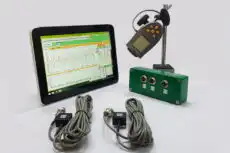
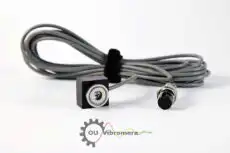
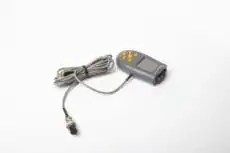
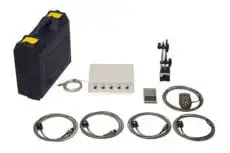
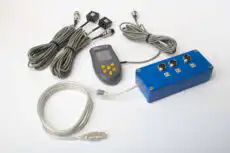
ట్రెండ్ విశ్లేషణ శాశ్వతంగా వైర్ చేయబడిన ప్లాంట్ల ప్రత్యేక అధికారం మాత్రమే కాదు — పోర్టబుల్ ఇన్స్ట్రుమెంట్ ద్వారా తీసుకోబడిన పీరియాడిక్, రూట్-ఆధారిత రీడింగ్లతో కూడా ఇది సమానంగా శక్తివంతమైనది. ఒక ఫీల్డ్ ఇంజినీర్ ప్రతి సందర్శనలో ఒక యంత్రం యొక్క మొత్తం స్థాయి మరియు కీలక స్పెక్ట్రల్ బ్యాండ్లను లాగ్ చేసి, వరుస సర్వేలలో అర్థవంతమైన ట్రెండ్ను నిర్మించగలడు. Balanset-1A, పోర్టబుల్ టూ-ఛానల్ అనలైజర్, amplitude ని, దశ మరియు అటువంటి ట్రెండ్కు ఆహారం అందించే స్పెక్ట్రల్ డేటాను క్యాప్చర్ చేస్తుంది, మరియు ట్రెండ్ ఎక్కడికి సూచిస్తుందో అసమతుల్యత చోదక శక్తిగా, అదే ఇన్స్ట్రుమెంట్ ఫీల్డ్ బ్యాలెన్సింగ్ దాన్ని సరిదిద్దే పని చేస్తుంది — పెరుగుతున్న ట్రెండ్ను గుర్తించడం మరియు యంత్రాన్ని వదిలి వెళ్ళకుండా దానిపై చర్య తీసుకోవడం మధ్య లూప్ను మూయడం.
8. విశ్లేషణను నిర్ణయాలుగా మార్చడం
ట్రెండ్ విశ్లేషణ యొక్క అంతిమ ఉత్పత్తి ఒక నిర్ణయం. మొదటిది సమయ నిర్ణయం: ట్రెండ్ సరైన సమయం చెప్పినప్పుడు మెయింటెనెన్స్ షెడ్యూల్ చేయండి — మంచి శేష జీవితం వృథా అయ్యేంత ముందు కాదు, వైఫల్యం సంభావ్యమయ్యేంత ఆలస్యంగా కాదు — మరియు ఆ విండోను ఉత్పత్తితో సమన్వయించి రిస్క్ను అవకాశ వ్యయంతో సమతుల్యం చేయండి. రెండవది వనరుల కేటాయింపు: ట్రెండ్లు అత్యంత ప్రమాదకరంగా ఉన్న పరికరాలకు ప్రాధాన్యత ఇవ్వండి, స్థిరమైన యంత్రాలపై పనిని వాయిదా వేయండి, మరియు స్పేర్ పార్ట్స్ ఇన్వెంటరీని తదనుగుణంగా నిర్వహించండి. మూడవది పరిశోధన: వేగవంతమైన ట్రెండ్ మూల కారణాన్ని వెతికే పనిని ప్రేరేపించాలి, తద్వారా అంతర్లీన సమస్య, కేవలం దాని లక్షణం మాత్రమే కాకుండా, పరిష్కరించబడుతుంది మరియు పునరావృతం నిరోధించబడుతుంది. విజువల్ పాటర్న్ రికగ్నిషన్, స్టాటిస్టికల్ పద్ధతి మరియు అనుభవజ్ఞుల ఇంజినీరింగ్ తీర్పు ద్వారా, ట్రెండ్ విశ్లేషణ ముందస్తు లోపం గుర్తింపు, వైఫల్య అంచనా మరియు అనుకూలీకరించిన సమయాన్ని అందిస్తుంది, ఇవి విజయవంతమైన కండిషన్-బేస్డ్ మెయింటెనెన్స్ కార్యక్రమం యొక్క లక్షణాలు.

