కండిషన్-బేస్డ్ మెయింటెనెన్స్ (CBM)ను అర్థం చేసుకోవడం




కండిషన్-బేస్డ్ మెయింటెనెన్స్ (CBM) అనేది ఒక asset యొక్క వాస్తవ స్థితిని పర్యవేక్షించి ఏ maintenance అవసరమో మరియు ఎప్పుడు అవసరమో నిర్ణయించే maintenance వ్యూహం. నిర్దిష్ట సూచికలు పనితీరు తగ్గుదల లేదా ఆసన్నమవుతున్న వైఫల్యం యొక్క ఆధారాలు చూపినప్పుడు మాత్రమే పని నిర్వహించాలని CBM నిర్దేశిస్తుంది — కఠినమైన షెడ్యూల్-ఆధారిత సర్వీసింగ్ నుండి “just-in-time” మరమ్మత్తు నమూనాకు మార్పు. ఈ విధానం పరికరం నుండి real-time లేదా periodic డేటాను సేకరించి వ్యాఖ్యానించే సామర్థ్యంపై ఆధారపడుతుంది, మరియు కంపన పర్యవేక్షణ CBM వ్యూహాన్ని ఆచరణలో పెట్టడానికి అత్యంత శక్తివంతమైన మరియు విస్తృతంగా ఉపయోగించే సాంకేతికతలలో ఒకటి.
1. నిర్వచనం: Condition-Based Maintenance అంటే ఏమిటి?
CBM వెనుక ఉన్న కేంద్ర ఆలోచన ఏమిటంటే, యంత్రానికి సేవ అవసరమైనప్పుడు అది మీకు స్వయంగా చెప్పనివ్వడం. క్యాలెండర్ చెప్పినందుకు ఒక భాగాన్ని మార్చే బదులు, కొలవబడిన ఆధారాలు — పెరుగుతున్న vibration ధోరణి, కలుషితమైన నూనె నమూనా, వేడెక్కిన కనెక్షన్ — అది నిజంగా క్షీణిస్తోందని చూపించినప్పుడు మీరు దాన్ని మారుస్తారు. సరిగ్గా చేసినప్పుడు, ఇది మరమ్మతును ప్రణాళిక వేసుకోవడానికి తగినంత ముందుగా లోపాలను గుర్తిస్తుంది, అయినప్పటికీ ప్రతి భాగం నుండి దాదాపు పూర్తి ఉపయోగకర జీవితాన్ని సాధించేంత వరకు ఆగుతుంది. అందువల్ల CBM ఇప్పటికే విరిగిపోయిన వాటిని సరిచేయడం మరియు ఇంకా ఆరోగ్యంగా ఉన్న వాటిని వదిలివేయడం అనే రెండు వృథా అతిశయాలను నేరుగా లక్ష్యంగా చేసుకుంటుంది.
2. CBM మరియు ఇతర మెయింటెనెన్స్ వ్యూహాల మధ్య పోలిక
CBM ని ఇతర సాధారణ నిర్వహణ తత్వాలతో పోల్చి చూడడం సహాయకరంగా ఉంటుంది:
- రియాక్టివ్ నిర్వహణ (“వైఫల్యం వరకు నడపండి”): అత్యంత సరళమైన వ్యూహం — యంత్రం విఫలమైనప్పుడు మాత్రమే నిర్వహణ జరుగుతుంది. ఇది అత్యంత అంతరాయకరమైనది, అనియంత్రిత నిలకడ మరియు తదనుసంధాన ద్వితీయ నష్టం కారణంగా ఖరీదైనది, మరియు గణనీయమైన భద్రతా ప్రమాదం కావచ్చు.
- నివారణాత్మక (సమయ-ఆధారిత) నిర్వహణ: యంత్రం యొక్క వాస్తవ పరిస్థితితో సంబంధం లేకుండా సాధారణ నిర్ణీత వ్యవధుల్లో పని నిర్వహించబడుతుంది (ఉదాహరణకు, “ఈ పంప్ను ప్రతి 12 నెలలకు ఒకసారి పునర్నిర్మించండి”). ఇది reactive maintenance పై మెరుగుపడుతుంది కానీ ఆరోగ్యంగా ఉన్న యంత్రాలపై అనవసరమైన పనిని అర్థం చేసుకోవచ్చు, మరియు ఇది అవసరం లేని జోక్యం సమయంలో జరిగిన లోపాల వల్ల “శిశు మరణం” వైఫల్యాలను కూడా ప్రవేశపెట్టవచ్చు.
- ప్రిడిక్టివ్ మెయింటెనెన్స్ (PdM): CBM యొక్క మరింత అభివృద్ధి చెందిన రూపం. ఇది లోపాన్ని గుర్తించడానికి మాత్రమే కాకుండా కండిషన్ మానిటరింగ్ డేటాను ఉపయోగిస్తుంది మరియు వైఫల్యానికి ముందస్తుగా అంచనా వేయడానికి కూడా ఆ డేటాను ఉపయోగిస్తుంది ఉన్నప్పుడు లోపం వైఫల్యానికి ఎలా అభివృద్ధి చెందుతుందో, మరింత ఖచ్చితమైన ప్రణాళికను అనుమతిస్తుంది. కంపన విశ్లేషణ ఒక ప్రధాన PdM సాంకేతికత, మరియు అంచనా స్వయంగా ఆధారపడుతుంది ముందస్తు అంచనా అంచనా వేసే పద్ధతులు మిగిలిన ఉపయోగకర జీవితకాలం.
- చురుకైన నిర్వహణ: అత్యంత అభివృద్ధి చెందిన వ్యూహం. ఇది పరిస్థితి డేటాను వైఫల్యాలను కనుగొని అంచనా వేయడానికి మాత్రమే కాకుండా మూల కారణ విశ్లేషణ నిర్వహించడానికి మరియు మొదటి స్థానంలో వైఫల్యాలకు కారణమయ్యే అంతర్లీన పరిస్థితులను తొలగించడానికి కూడా ఉపయోగిస్తుంది — ఉదాహరణకు, ఉపయోగించడం లేజర్ షాఫ్ట్ అలైన్మెంట్ వల్ల కలిగే భవిష్యత్ bearing వైఫల్యాలను నివారించడానికి అసమరేఖనం.
CBM రెండింటినీ అనుమతించే ప్రాథమిక వ్యూహం ప్రిడిక్టివ్ మరియు చురుకైన నిర్వహణ — అవి అదే పరిస్థితి డేటాపై నిర్మించబడిన పొరలు, దానికి ప్రత్యేక ప్రత్యామ్నాయాలు కాదు.
3. Condition Monitoring పాత్ర
డేటా లేకుండా CBM సాధ్యం కాదు. ఇది సమిష్టిగా condition monitoring అని పిలువబడే పరిపూరక సాంకేతికతల కుటుంబంపై ఆధారపడుతుంది:
- కంపన విశ్లేషణ: అత్యంత బహుముఖ సాంకేతికత, ఇలాంటి యాంత్రిక లోపాలను గుర్తించడానికి ఉపయోగించబడుతుంది అసమతుల్యత, తప్పుడు అమరిక (misalignment), బేరింగ్ లోపాలు మరియు గేర్ సమస్యలు.
- ఆయిల్ విశ్లేషణ (ట్రైబాలజీ): నూనె మరియు యంత్రం రెండింటి పరిస్థితిని అంచనా వేయడానికి స్నేహన ద్రవ్యం యొక్క గుణాలు మరియు కలుషితాలను విశ్లేషించడం.
- ఇన్ఫ్రారెడ్ థర్మోగ్రఫీ: విద్యుత్ సమస్యలు, స్నేహన సమస్యలు లేదా ప్రక్రియ అసాధారణతలను సూచించే వేడి మచ్చలను గుర్తించడానికి థర్మల్ కెమెరాలను ఉపయోగించడం.
- అల్ట్రాసోనిక్స్: కంప్రెస్డ్ ఎయిర్ లీకేజీలు, విద్యుత్ ఆర్కింగ్ మరియు ప్రారంభ దశ bearing లోపాలను కనుగొనడానికి అధిక-పౌనఃపున్యం ధ్వనిని గుర్తించడం.
- మోటార్ కరెంట్ విశ్లేషణ: rotor-bar మరియు stator-winding లోపాలను గుర్తించడానికి మోటార్ యొక్క విద్యుత్ సంతకాన్ని విశ్లేషించడం.
ఈ పద్ధతులు ఉద్దేశపూర్వకంగా అతివ్యాప్తి చెందుతాయి: ఒక సాంకేతికతలో అస్పష్టంగా ఉన్న లోపం తరచుగా మరొకదాని ద్వారా నిర్ధారించబడుతుంది, మరియు పరిపక్వ CBM కార్యక్రమం ఏదైనా ఒకదానిపై ఆధారపడే బదులు అనేకింటిని మిళితం చేస్తుంది.
4. CBM యొక్క ప్రయోజనాలు
విజయవంతమైన CBM కార్యక్రమం గణనీయమైన, కొలవగలిగే ప్రయోజనాలను అందిస్తుంది:
- తగ్గిన నిర్వహణ ఖర్చులు: అనవసరమైన నివారణ పనులను తొలగించడం మరియు విపత్కర వైఫల్యాల అధిక వ్యయాన్ని నివారించడం ద్వారా, CBM మొత్తం నిర్వహణ బడ్జెట్ను గణనీయంగా తగ్గిస్తుంది.
- అసెట్ లభ్యత పెరుగుదల: అనియోజిత నిలయ సమయాన్ని కనిష్టంగా ఉంచడం మరియు ప్రణాళికాబద్ధమైన నిర్వహణ విండోలను అనుకూలీకరించడం పరికరాలు ఎక్కువ వ్యవధిలో పని చేస్తూ ఉండేందుకు తోడ్పడతాయి.
- మెరుగైన భద్రత: CBM సంభావ్య ప్రమాదకర వైఫల్యాల గురించి ముందస్తు హెచ్చరిక అందిస్తుంది, తద్వారా పరికరాలు ప్రమాదకరంగా మారే ముందే సేవ నుండి తొలగించవచ్చు.
- అసెట్ జీవితకాలం పొడిగింపు: సమస్యలను ముందుగానే గుర్తించి సరిదిద్దడం ద్వారా యంత్రాల ఉపయోగకర జీవితకాలాన్ని గణనీయంగా పెంచవచ్చు.
ఈ లాభాలను లెక్కించవచ్చు: ఒక డౌన్టైమ్ వ్యయ కాలిక్యులేటర్ అనియోజిత ఆపుడు వల్ల కోల్పోయిన ఉత్పత్తిపై అంకె ఉంచుతుంది, అదే సమయంలో ఒక ప్రిడిక్టివ్ మెయింటెనెన్స్ ROI కాల్క్యులేటర్ పర్యవేక్షణ హార్డ్వేర్ మరియు శిక్షణలో పెట్టుబడిని సమర్థించడంలో సహాయపడుతుంది.
5. CBMను అమలులో పెట్టడం
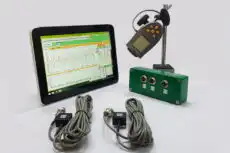
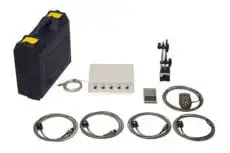
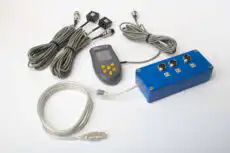
చాలా సాధారణ-ప్రయోజన యంత్రాల కోసం ఒక CBM కార్యక్రమం క్రమబద్ధమైన vibration రీడింగులు మరియు స్పష్టమైన వృద్ధి మార్గంతో మొదలవుతుంది: పర్యవేక్షించడం, మార్పును గుర్తించడం, కారణాన్ని నిర్ధారించడం, ఆపై సరిదిద్దడాన్ని ప్రణాళిక చేయడం. వంటి పోర్టబుల్ రెండు-ఛానెల్ పరికరం Balanset-1A ఈ వర్క్ఫ్లోకు చక్కగా సరిపోతుంది — ఇది condition-monitoring డేటాబేస్కు అందించే spectra మరియు మొత్తం స్థాయులను సేకరిస్తుంది, మరియు నిర్ధారణ unbalance వైపు సూచించినప్పుడు అది పని వేగంతో రోటర్ను అదే స్థానంలో balance కూడా చేస్తుంది, ఒకే సాధనంతో గుర్తింపు నుండి సరిదిద్దే చర్య వరకు లూప్ మూసివేస్తుంది. కొలత మరియు on-site సరిదిద్దడం యొక్క ఆ కలయిక చిన్న మరియు మధ్యతరహా ప్లాంట్లకు CBM కార్యక్రమాన్ని ఆచరణాత్మకంగా ఉంచేది అదే.

