వేగ ట్రాన్స్డ్యూసర్లను అర్థం చేసుకోవడం
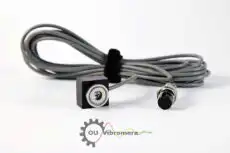

A వేగ ట్రాన్స్డ్యూసర్ — దీన్ని ఇలా కూడా అంటారు వెలోమీటర్, సీస్మిక్ సెన్సర్, లేదా మూవింగ్-కాయిల్ సెన్సర్ — ఒక స్వీయ-ఉత్పత్తి చేసే వైబ్రేషన్ కంపనానికి నేరుగా అనుపాతంలో అవుట్పుట్ వోల్టేజ్ ఉత్పత్తి చేసే సెన్సర్ వేగం, బాహ్య విద్యుత్ శక్తి లేకుండా మరియు సిగ్నల్ కండిషనింగ్ లేకుండా. ఇది విద్యుదయస్కాంత ప్రేరణ ద్వారా పని చేస్తుంది: మృదువైన స్ప్రింగులపై వ్రేలాడే అయస్కాంతం హౌజింగ్ వైబ్రేట్ అయినప్పుడు కాయిల్కు సాపేక్షంగా కదులుతుంది, మరియు ఆ సాపేక్ష చలనం వేగానికి అనుపాతంలో వోల్టేజ్ను ఉత్పత్తి చేస్తుంది. ఇది సైస్మిక్ ట్రాన్స్డ్యూసర్ కుటుంబానికి చెందిన సభ్యుడు — అడ్డంకి అంతర్గత ద్రవ్యరాశిని జడత్వ సూచికగా ఉపయోగించే సెన్సర్లు — ఇది బిగించబడిన ఉపరితలం యొక్క సంపూర్ణ చలనాన్ని కొలుస్తుంది.
వేగ ట్రాన్స్డ్యూసర్లు సుమారు 1950ల నుండి 1980ల వరకు ప్రధాన వైబ్రేషన్ సెన్సర్లుగా ఉండేవి మరియు ఇప్పటికీ శాశ్వత పర్యవేక్షణ సంస్థాపనలలో మరియు కొన్ని పోర్టబుల్ పరికరాలలో ఉపయోగపడతాయి. అయితే, కొత్త రూపకల్పనలలో, అవి ఎక్కువగా యాక్సిలరోమీటర్లుకి తావిచ్చాయి, ఇవి చిన్నవి, విస్తృత పౌనఃపున్య పరిధిని కలిగి ఉంటాయి మరియు బేరింగ్ లోపాల గుర్తింపుకు అవసరమైన అధిక పౌనఃపున్యాలకు చేరుకుంటాయి.
1. పనిచేసే సూత్రం
విద్యుదయస్కాంత ప్రేరణ
యంత్రాంగం ఫారడే’s నియమానికి ప్రత్యక్ష అనువర్తనం:
- శాశ్వత అయస్కాంతం కాయిల్ లోపల స్ప్రింగులచే సస్పెండ్ చేయబడింది.
- వైబ్రేషన్ హౌజింగ్ను మరియు కాయిల్ను దానితో పాటు కదిలిస్తుంది.
- సెన్సర్ యొక్క రెసొనెన్స్ కంటే పైన, అయస్కాంతం యొక్క జడత్వం దాన్ని స్థలంలో దాదాపు స్థిరంగా ఉంచుతుంది.
- దాని వలన కాయిల్ మరియు అయస్కాంతం మధ్య సాపేక్ష చలనం ఏర్పడుతుంది.
- చలనం కాయిల్లో వోల్టేజ్ను ప్రేరేపిస్తుంది (V ∝ వేగం).
- అందువల్ల అవుట్పుట్ వోల్టేజ్ వైబ్రేషన్ వేగానికి నేరుగా అనుపాతంలో ఉంటుంది.
స్వయం-జనన పనితీరు
సెన్సర్ తన స్వంత సిగ్నల్ను సృష్టించుకోవడం వల్ల, దానికి బాహ్య విద్యుత్ శక్తి అవసరం లేదు — ఇది నిష్క్రియ, రెండు-వైర్ ట్రాన్స్డక్షన్, ఇది సహజంగా వైఫల్య-రహితంగా ఉంటుంది, కోల్పోవడానికి విద్యుత్ సరఫరా లేదు. ఈ లక్షణమే వేగ ట్రాన్స్డ్యూసర్లను నేటికీ నిర్దిష్ట సముచిత రంగాలలో సంబంధితంగా ఉంచుతుంది.
2. లక్షణాలు
పౌనఃపున్య స్పందన
- తక్కువ పౌనఃపున్య పరిమితి: సెన్సర్ యొక్క ద్వారా నిర్ణయించబడుతుంది స్వాభావిక పౌనఃపున్యం, సాధారణంగా 8–15 Hz.
- వినియోగించదగిన పరిధి: సహజ పౌనఃపున్యం కంటే సుమారు 2× పైన, కాబట్టి కనీసం 16–30 Hz.
- అధిక పౌనఃపున్య పరిమితి: సాధారణంగా 1–2 kHz.
- ఫ్లాట్ రెస్పాన్స్: ఉపయోగపడే పరిధిలో విస్తృతమైన, సమతలమైన ప్రాంతం.
- దీనికి ఉత్తమం: 10–1000 Hz — చాలా సాధారణ యంత్రాల లోపాలు కనిపించే బ్యాండ్.
సంవేదనశీలత
- సాధారణంగా ఇంచ్/సెకనుకు 10–500 mV (సుమారు మిమీ/సెకనుకు 0.4–20 mV).
- సాధారణ విలువ 100 mV/in/s (≈ 3.94 mV/mm/s, అంటే సుమారు 4 V/(m/s)).
- అధిక సంవేదనశీలత తక్కువ కంపన అనువర్తనాలకు అనుకూలం; తక్కువ సంవేదనశీలత అధిక కంపన కొలతలకు అనుకూలం.
పరిమాణం మరియు బరువు
- సాపేక్షంగా పెద్దది — దాదాపు 50–100 mm పొడవు మరియు 25–40 mm వ్యాసం.
- బరువైనది, తరచుగా 100–500 g.
- యాక్సిలెరోమీటర్ కంటే చాలా పెద్దది.
- ఆ ద్రవ్యరాశి చేయగలదు ద్రవ్యరాశి-లోడ్ మరియు తేలికైన నిర్మాణాల ప్రతిస్పందనను వక్రీకరిస్తాయి.
3. ప్రయోజనాలు
ప్రత్యక్ష వేగ అవుట్పుట్
ట్రాన్స్డ్యూసర్ ఏ ఇంటిగ్రేషన్ దశ లేకుండా వేగాన్ని నేరుగా కొలుస్తుంది. అది యంత్ర-వైబ్రేషన్ ప్రమాణాలు పరిమితులను వ్యక్తీకరించే విధానానికి సరిపోతుంది — ISO 20816 (ISO 10816 యొక్క వారసుడు) లో రాయబడింది RMS వేగం — సిగ్నల్ ప్రాసెసింగ్ను సరళంగా ఉంచుతుంది మరియు వేగ-ఆధారిత వైబ్రేషన్ తీవ్రత మదింపు.
స్వయం-ఉత్పాదక మరియు వైఫల్య-రహిత
- విద్యుత్ శక్తి అవసరం లేదు.
- సరళమైన రెండు-తీగల కనెక్షన్.
- విద్యుత్ నష్టం వల్ల వైఫల్యం చెందజాలదు.
- నిర్దేశించడానికి విద్యుత్ సరఫరా అవసరం లేకుండా తక్కువ వ్యవస్థ ఖర్చు.
మంచి తక్కువ-పౌనఃపున్య స్పందన
- 10–15 Hz వరకు ఉపయోగించదగినది, చాలా యాక్సిలెరోమీటర్ల కంటే మెరుగైనది.
- సుమారు 600 RPM వరకు తక్కువ వేగంతో పని చేసే యంత్రాలకు అనుకూలం.
- తన పౌనఃపున్య బ్యాండ్లో పని చేసే అనువర్తనాలకు సహజమైన సరిపోలిక.
4. అప్రయోజనాలు
పరిమిత అధిక-పౌనఃపున్య స్పందన
- దాదాపు 1–2 kHz వద్ద పరిమితం.
- అధిక పౌనఃపున్య బేరింగ్ లోపం శక్తికి (5–20 kHz) చేరుకోలేదు.
- దీనికి సరిపోదు ఎన్వెలప్ విశ్లేషణ.
- ఇది యాక్సిలెరోమీటర్లతో పోలిక్లో నిర్ణయాత్మక పరిమితి.
పరిమాణం, బరువు మరియు పెళుసుదనం
- పెద్దవి మరియు భారంగా ఉంటాయి, చిన్న యంత్రాలపై అమర్చడం కష్టంగా ఉంటుంది మరియు తేలికపాటి నిర్మాణాలపై mass-loading సమస్యకు గురయ్యే అవకాశం ఉంది.
- యాక్సిలెరోమీటర్ కంటే తక్కువ వహనయోగ్యత.
- అంతర్గత స్ప్రింగులు మరియు కదిలే అయస్కాంతం షాక్ లేదా పడిపోవడం వల్ల దెబ్బతినవచ్చు, అందువల్ల సెన్సార్ కఠినమైన నిర్వహణకు సున్నితంగా ఉంటుంది మరియు solid-state పరికరం కంటే ఎక్కువ జాగ్రత్త అవసరం.
ఉష్ణోగ్రత పరిమితులు
- ఉష్ణోగ్రత పెరిగే కొద్దీ అయస్కాంత బలం తగ్గుతుంది.
- సాధారణంగా సుమారు 120 °C వరకు పరిమితం.
- అధిక-ఉష్ణోగ్రత సామర్థ్యం తక్కువగా ఉంటుంది, ఒక చార్జ్-మోడ్ యాక్సిలరోమీటర్.
5. వేగ ట్రాన్స్డ్యూసర్లు ఇంకా ఉపయోగించబడే చోట
- లెగసీ శాశ్వత ఇన్స్టాలేషన్లు: పాత టర్బోమెషినరీ పర్యవేక్షణ సిస్టమ్లు, ఇక్కడ అదే రకమైన భర్తీ ద్వారా ఇప్పటికే ఉన్న వైరింగ్ మరియు ర్యాక్లతో అనుకూలత నిలబెట్టబడుతుంది.
- తక్కువ-పౌనఃపున్య అనువర్తనాలు: చాలా తక్కువ వేగంగా పని చేసే పరికరాలు (300 RPM కంటే తక్కువ) మరియు 10–1000 Hz బ్యాండ్ సరిపోయే మరియు అధిక పౌనఃపుణ్యాలు అవసరం లేని ఏ పని అయినా.
- నిర్దిష్ట అవసరాలు: నిజంగా self-generating సెన్సార్ అవసరమయ్యే పరిస్థితులు, ఎలక్ట్రానిక్స్కు విద్యుత్ అనుమతించబడని intrinsically-safe విధులు, లేదా నేరుగా velocity output కు ప్రాధాన్యత.
6. మౌంటింగ్
సెన్సార్ భారంగా ఉన్నందున, అమర్చే సమగ్రత కీలకమైనది — సరిగ్గా బిగించబడని వేగ ట్రాన్స్డ్యూసర్ డేటాకు దాని స్వంత రెసొనెన్స్ను జోడిస్తుంది.
- పద్ధతులు: tapped hole లో stud mounting (అత్యంత విశ్వసనీయం), adapter plates తో bracket mounting, లేదా ఉపరితలం అయస్కాంతంగా ఉన్నప్పుడు మరియు సెన్సార్ అధిక భారంగా లేనప్పుడు magnetic mounting.
- పరిగణనలు: rigid mounting తప్పనిసరి, సెన్సార్ స్వతంత్రంగా కంపించకుండా ఉండేలా గట్టిగా బిగించాలి, mounting face చదునుగా మరియు శుభ్రంగా ఉండాలి, మరియు కేబుల్ తేలిపోకుండా ఉండేలా strain relief అవసరం.
7. ఆధునిక ప్రత్యామ్నాయాలు మరియు ఫీల్డ్ అభ్యాసం
చాలా కొత్త పనులలో యాక్సిలెరోమీటర్ గెలిచింది: ఇది చాలా చిన్నగా మరియు తేలికగా ఉంటుంది, చాలా విస్తృతమైన బ్యాండ్ను (సుమారు 0.5 Hz నుండి 50 kHz వరకు) కవర్ చేస్తుంది, bearing లోపాల గుర్తింపుకు మెరుగైనది, మరింత దృఢంగా ఉంటుంది మరియు తక్కువ ఖర్చు అవుతుంది. కాబట్టి ప్రామాణిక ఆధునిక విధానం త్వరణాన్ని కొలవడం మరియు ఇంటిగ్రేట్ చేయాలి వేగంగా మార్చడం ద్వారా, ప్రతి యాక్సిలెరోమీటర్ ప్రయోజనాన్ని నిలుపుకుంటూ ప్రమాణాలు కోరుకునే velocity రీడింగ్ సాధించడం — మరియు ఆధునిక పరికరాలు ఆ integration వినియోగదారుకు పూర్తిగా పారదర్శకంగా ఉండేలా చేస్తాయి.
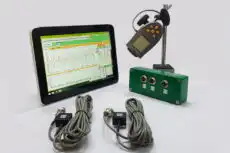
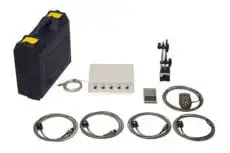
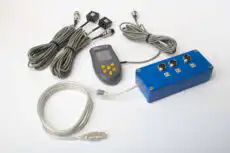
ఇది సరిగ్గా portable balancing analyser ఎలా పని చేస్తుందో. Balanset-1A bearing housings వద్ద యాక్సిలెరోమీటర్లను ఉపయోగించి అంతర్గతంగా వేగంగా integrate చేస్తుంది, తద్వారా ఒక ఇంజనీర్కు ISO 20816 severity తనిఖీ కోసం వేగ ట్రాన్స్డ్యూసర్ అందించే నేరుగా velocity విలువ లభిస్తుంది — అధిక-పౌనఃపుణ్య పరిధి మరియు 1×తో కలిపి వ్యాప్తి మరియు దశ కోసం అవసరమైన ఫీల్డ్ బ్యాలెన్సింగ్, ఇవి ఏదీ 1–2 kHz వేగ ట్రాన్స్డ్యూసర్ అందించలేదు.
8. కాలిబ్రేషన్ మరియు నిర్వహణ
- కాలిబ్రేషన్: shaker table పై sensitivity (mV/in/s లేదా mV/mm/s) మరియు frequency response ని ధృవీకరించడం, వార్షిక క్యాలిబ్రేషన్ క్రిటికల్ అనువర్తనాలకు సాధారణం.
- నిర్వహణ: పడిపోవడం మరియు షాక్లు నివారించడానికి జాగ్రత్తగా నిర్వహించండి, కేబుల్ స్థితిని తనిఖీ చేయండి, mounting సురక్షితతను ధృవీకరించండి, output ను క్రమానుగతంగా పరీక్షించండి, మరియు సెన్సార్ sensitivity లేదా response మారితే భర్తీ చేయండి.
వేగ ట్రాన్స్డ్యూసర్లు కొత్త ఇన్స్టాలేషన్లలో తగ్గిపోతున్నప్పటికీ, ఇప్పటికే ఉన్న శాశ్వత monitoring సిస్టమ్లలో మరియు కొన్ని తక్కువ-పౌనఃపుణ్య, self-powered, లేదా intrinsically-safe విధులలో ముఖ్యమైనవిగా ఉన్నాయి. అవి ఎలా పని చేస్తాయో, ఏమి బాగా చేస్తాయో మరియు ఎక్కడ తక్కువగా ఉంటాయో అర్థం చేసుకోవడం legacy సిస్టమ్లను నడుపుతూ ఉంచడానికి మరియు సమాచారపూర్వకమైన నిర్ణయం తీసుకోవడానికి అవసరం సెన్సార్ ఎంపిక వేగ ట్రాన్స్డ్యూసర్ ఇంకా సరైన ఎంపిక అయినప్పుడు.

