Transducers: Vibration Analysis యొక్క Sensors
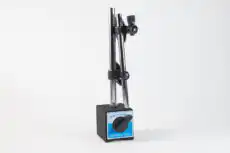

లో వైబ్రేషన్ విశ్లేషణ, ఒక ట్రాన్స్డ్యూసర్ భౌతిక, యాంత్రిక కదలికను మారుస్తుంది — వైబ్రేషన్ — దానికి అనుపాతంగా ఒక electrical signal గా మారుస్తుంది, దాన్ని ఒక డేటా కలెక్టర్ లేదా monitoring system ప్రాసెస్ చేయగలదు, కొలవగలదు మరియు విశ్లేషించగలదు. Transducers ప్రాథమిక sensors మరియు కొలత గొలుసులో మొదటి లింక్; నమ్మకమైన transducer లేకుండా, అర్థవంతమైన analysis సాధ్యం కాదు. సరైనదాన్ని ఎంచుకోవడం ఒక కీలకమైన నిర్ణయం, అది యంత్రం రకం, దాని నడుస్తున్న వేగం మరియు పర్యవేక్షించబడుతున్న నిర్దిష్ట లోపాలపై ఆధారపడి ఉంటుంది — ఎందుకంటే ప్రతి transducer రకం సహజంగా vibration చిత్రంలో వేర్వేరు భాగానికి సున్నితంగా ఉంటుంది.
1. కొలత గొలుసు మరియు మూడు Parameters
Vibration ని మూడు సంబంధిత పరిమాణాలలో ఏదైనా ఒకటి ద్వారా వివరించవచ్చు, మరియు ఒక transducer ఏది కొలుస్తుందో అది అది ఎక్కడ రాణిస్తుందో రూపొందిస్తుంది. స్థానచలనం తక్కువ frequency లో dominant గా ఉంటుంది మరియు మొత్తం కదలికను ప్రతిబింబిస్తుంది; వేగం చాలా సాధారణ లోపాలు నివసించే మధ్య-బ్యాండ్ అంతటా అత్యంత సమతుల్య కొలత; మరియు త్వరణం తొలి bearing మరియు gear నష్టాన్ని సూచించే అధిక-frequency సంఘటనలను నొక్కి చెప్తుంది. మూడు గణితపరంగా అనుసంధానించబడి ఉన్నాయి — ఇంటిగ్రేషన్ త్వరణ సంకేతాన్ని వేగంగా మార్చుతుంది, మరియు మళ్ళీ స్థానభ్రంశంగా మార్చుతుంది — అందుకే ఒకే సెన్సార్ ఎలక్ట్రానిక్స్ సహాయంతో అనేక పాత్రలు నిర్వహించగలదు. పరామితి ఏదైనా సరే, ట్రాన్స్డ్యూసర్ మిగిలిన శ్రేణికి సంకేతాన్ని అందిస్తుంది: సంకేత కండిషనింగ్, డిజిటైజేషన్, మరియు చివరగా విశ్లేషణకర్తకు.
2. మూడు ప్రధాన రకాల వైబ్రేషన్ ట్రాన్స్డ్యూసర్లు
పారిశ్రామిక యంత్ర పర్యవేక్షణలో మూడు ప్రధాన ట్రాన్స్డ్యూసర్ రకాలు ఉపయోగించబడతాయి, ఒక్కొక్కటి వైబ్రేషన్ యొక్క వేర్వేరు భౌతిక పరామితిని కొలుస్తుంది.
యాక్సిలెరోమీటర్ (త్వరణాన్ని కొలుస్తుంది)
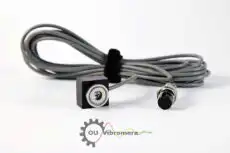
యాక్సిలెరోమీటర్ ఇది అత్యంత సాధారణమైన మరియు బహుళ-వినియోగ వైబ్రేషన్ ట్రాన్స్డ్యూసర్, ఇది అమర్చబడిన నిర్మాణం యొక్క త్వరణాన్ని కొలుస్తుంది.
- సూత్రం: చాలా పారిశ్రామిక యూనిట్లు అయి ఉంటాయి పీజోఎలక్ట్రిక్, అంతర్గత భూకంప ద్రవ్యరాశి ద్వారా ఒత్తిడికి గురైనప్పుడు చార్జ్ ఉత్పత్తి చేసే క్రిస్టల్ను ఉపయోగించి.
- బలాలు: అత్యంత విస్తృతమైన ఫ్రీక్వెన్సీ పరిధి, అధిక దృఢత్వం, అనేక అందుబాటులో ఉన్న డిజైన్లు, మరియు దాదాపు ఏ యంత్రానికైనా అనుకూలత. ఇవి అధిక-ఫ్రీక్వెన్సీ సంఘటనలను గుర్తించడంలో ముఖ్యంగా అత్యుత్తమంగా ఉంటాయి.
- ప్రాథమిక వినియోగం: తక్కువ-వేగం యంత్రాల నుండి అత్యధిక-వేగం టర్బోమెషినరీ వరకు సాధారణ-ప్రయోజన యంత్ర పర్యవేక్షణ, మరియు అధిక-ఫ్రీక్వెన్సీ లోపాల కోసం అగ్రశ్రేణి సెన్సార్ అయిన బేరింగ్ మరియు గియర్ లోపాలు.
వేగ ట్రాన్స్డ్యూసర్ (వేగాన్ని కొలుస్తుంది)
A వేగ ట్రాన్స్డ్యూసర్ ఇది వైబ్రేషన్ వేగాన్ని నేరుగా కొలిచే ఎలక్ట్రోడైనమిక్ సెన్సార్.
- సూత్రం: ఇది మైక్రోఫోన్ మాదిరిగా పనిచేస్తుంది — తీగ కాయిల్ అయస్కాంత క్షేత్రంలో నిలిపి ఉంచబడుతుంది, మరియు హౌసింగ్ వైబ్రేట్ అయినప్పుడు కాయిల్ మరియు అయస్కాంతం మధ్య సాపేక్ష చలనం వేగానికి అనుపాతంలో వోల్టేజ్ ఉత్పత్తి చేస్తుంది.
- బలాలు: మధ్య-ఫ్రీక్వెన్సీ బ్యాండ్లో (సుమారు 10 Hz నుండి 1,000 Hz వరకు) బలమైన, తక్కువ-శబ్దం సంకేతం, సాధారణ లోపాలు సంభవించే సరిగ్గా అదే పరిధిలో అసమతుల్యత మరియు అసమరేఖనం కనిపిస్తాయి, మరియు బాహ్య విద్యుత్ సరఫరా అవసరం లేదు.
- బలహీనతలు: యాక్సిలెరోమీటర్ కంటే మరింత పెళుసుగా ఉంటుంది, పరిమిత ఫ్రీక్వెన్సీ పరిధితో మరియు అయస్కాంత క్షేత్రాలకు మరియు అమరిక దిశకు సున్నితంగా ఉంటుంది. క్లాసిక్ స్వయం-ఉత్పత్తి కాయిల్-మరియు-అయస్కాంత డిజైన్ — వెలోమీటర్ — ఎక్కువగా ఎలక్ట్రానిక్ ఇంటిగ్రేషన్తో కూడిన యాక్సిలెరోమీటర్ల చేత భర్తీ చేయబడింది.
- ప్రాథమిక వినియోగం: చారిత్రాత్మకంగా దృఢమైన యాక్సిలెరోమీటర్లు సాధారణమవ్వడానికి ముందు సాధారణ పర్యవేక్షణకు ప్రధాన సాధనం, మరియు ఇంకా కొన్నిసార్లు మధ్య-ఫ్రీక్వెన్సీ పరిధిలో శాశ్వత ప్రతిష్ఠాపనల కోసం ఎంచుకోబడుతుంది.
ప్రాక్సిమిటీ ప్రోబ్ (స్థానభ్రంశాన్ని కొలుస్తుంది)
ప్రాక్సిమిటీ ప్రోబ్, లేదా ఎడ్డీ కరెంట్ ప్రోబ్, ఇది తిరిగే షాఫ్ట్ యొక్క స్థానభ్రంశాన్ని కొలిచే నాన్-కాంటాక్ట్ ట్రాన్స్డ్యూసర్.
- సూత్రం: ఇది షాఫ్ట్ ఉపరితలంలో ఎడ్డీ కరెంట్లను ప్రేరేపించడానికి మరియు కొలవడానికి విద్యుదయస్కాంత క్షేత్రాన్ని ఉపయోగిస్తుంది, ప్రోబ్ చివర మరియు షాఫ్ట్ మధ్య అంతరాన్ని గ్రహిస్తుంది.
- బలాలు: ఇది కేసింగ్ కాకుండా షాఫ్ట్ యొక్క వాస్తవ చలనాన్ని కొలుస్తుంది, నాన్-కాంటాక్ట్గా ఉంటుంది, మరియు దాని స్పందన 0 Hz (DC) వరకు చేరుతుంది, కాబట్టి ఇది షాఫ్ట్ యొక్క సగటు స్థానాన్ని అలాగే దాని వైబ్రేషన్ను సంగ్రహిస్తుంది.
- ప్రాథమిక వినియోగం: ద్రవ-చలన బేరింగ్లపై క్రిటికల్, అధిక-వేగం టర్బోమెషినరీని రక్షించడానికి మరియు పర్యవేక్షించడానికి అవసరం జర్నల్ బేరింగ్లు — టర్బైన్లు మరియు కంప్రెసర్లు — మరియు విశ్లేషించడానికి షాఫ్ట్ కక్ష్య మరియు సెంటర్లైన్ స్థానం.
3. సరైన ట్రాన్స్డ్యూసర్ ఎంపిక
ట్రాన్స్డ్యూసర్ ఎంపిక ఏదైనా పర్యవేక్షణ కార్యక్రమాన్ని స్థాపించడంలో కీలకమైన దశ. సాధారణ నియమం ఏమిటంటే అంచనా వేయబడిన లోపాల ఫ్రీక్వెన్సీ పరిధిలో అత్యంత సున్నితమైన సెన్సార్ను ఎంచుకోవడం:
- ఉపయోగించండి ప్రాక్సిమిటీ ప్రోబ్లు ద్రవ-చలన బేరింగ్ యంత్రాలపై షాఫ్ట్ చలనం కోసం, ఇక్కడ షాఫ్ట్ సాపేక్షంగా స్థిరంగా ఉన్న కేసింగ్ లోపల గణనీయంగా కదలగలదు.
- ఉపయోగించండి యాక్సిలరోమీటర్లు దాదాపు అన్నిటికీ, ఎందుకంటే అవి అత్యంత బహుముఖంగా ఉంటాయి; సిగ్నల్ను మధ్య-పౌనఃపున్యం లోపాల కోసం వేగం (velocity)గా ఇంటిగ్రేట్ చేయవచ్చు లేదా అధిక-పౌనఃపున్యం లోపాల కోసం త్వరణం (acceleration)గా నేరుగా ఉపయోగించవచ్చు.
ఎంపికను పూర్తి చేసే రెండు ఆచరణాత్మక అంశాలు ఉన్నాయి. ట్రాన్స్డ్యూసర్యొక్క సంవేదనశీలత అంచనా వేసిన vibration amplitude కు సరిపోయేలా ఉండాలి — చాలా తక్కువగా ఉంటే చిన్న లోపాలు నాయిజ్లో కోల్పోతాయి, చాలా ఎక్కువగా ఉంటే బలమైన సిగ్నల్లు క్లిప్ అవుతాయి — మరియు దాని ఉపయోగ యోగ్యమైన ఫ్రీక్వెన్సీ పరిధి ఆసక్తిగల లోప పౌనఃపున్యాలను కప్పాలి. చార్జ్-అవుట్పుట్ పీజోఎలెక్ట్రిక్ సెన్సర్లకు అదనంగా సరిపోలే చార్జ్ యాంప్లిఫయర్ గొలుసులో.
4. ఫీల్డ్ బ్యాలెన్సింగ్ మరియు డయాగ్నోస్టిక్స్లో ట్రాన్స్డ్యూసర్లు
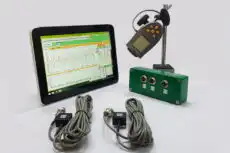
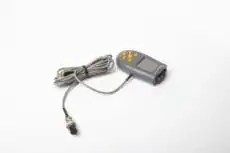
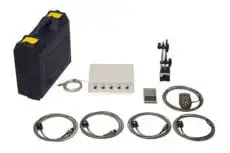
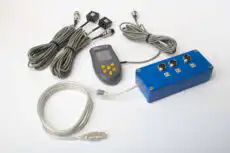
పోర్టబుల్ ఇన్స్ట్రుమెంట్లో ట్రాన్స్డ్యూసర్ అనేది మిగిలిన అన్నీ ఆధారపడే భాగం. రెండు-ఛానల్ ఫీల్డ్ అనలైజర్ అయిన Balanset-1A రెండు అనలాగ్ MEMS యాక్సిలరోమీటర్లను ఫేజ్ రిఫరెన్స్ కోసం ఆప్టికల్ టాకోమీటర్తో జతచేస్తుంది, యంత్రం తన సొంత సపోర్టుల్లో ఆపరేటింగ్ స్పీడ్లో నడుస్తున్నప్పుడు ప్రతి బేరింగ్ వద్ద సింక్రొనైజ్డ్ యాంప్లిట్యూడ్ మరియు ఫేజ్ను క్యాప్చర్ చేస్తుంది. ఈ యాక్సిలరోమీటర్ ఆధారిత చైన్ వల్లనే పరికరం సింగిల్- మరియు టూ-ప్లేన్ బ్యాలెన్సింగ్ కోసం కరెక్షన్ వెయిట్లను గణించి, రొటీన్ కంపన పర్యవేక్షణ — అధిక సంఖ్యలో రొటేటింగ్ మెషినరీ పనికి accelerometer డిఫాల్ట్ ట్రాన్స్డ్యూసర్ అనే సాధారణ సూత్రానికి స్పష్టమైన దృష్టాంతం, proximity probe మరియు సైస్మిక్ ట్రాన్స్డ్యూసర్ వాటి భౌతిక శాస్త్రం అత్యంత అనుకూలమైన సందర్భాల కోసం రిజర్వ్ చేయబడతాయి.

