محوری پنکھے کے نقائص کو سمجھنا



محوری پنکھے کے نقائص are the faults specific to axial-flow fans, in which air moves parallel to the shaft axis through a propeller-like روٹر. They include blade pitch-angle errors, tip-clearance degradation, blade تھکاوٹ and cracking, hub-attachment failures, rotating stall, and aerodynamic resonances. Axial fans differ from centrifugal fans in their flow path and force distribution, which exposes them to unique failure modes tied to blade twist, tip-leakage flow, and varying axial thrust. They sit within the wider family of پن کے نقائص but demand their own diagnostic approach.
Axial fans are everywhere in HVAC systems, cooling towers, power-plant draft fans, and industrial ventilation. Their large diameter and relatively lightweight blades make them especially prone to vibration-induced fatigue and to aerodynamic instabilities — problems that show up clearly in a کمپن تجزیہ survey when you know what signatures to look for.
1. بلیڈ پچ اور زاویہ کے مسائل
غلط پچ سیٹنگ
- Adjustable-pitch fans: the blade angle is adjustable to tune performance.
- غلط ایڈجسٹمنٹ: blades set to the wrong angle for the operating conditions.
- اثرات: poor performance, high vibration, and a tendency to stall.
- Non-uniform setting: blades sitting at different angles distribute mass and aerodynamic load unevenly, creating عدم توازن.
بلیڈ ٹوئسٹ اخترتی
- Blades permanently twisted by aerodynamic or centrifugal loads.
- Altered flow angles, which degrade performance.
- Asymmetric twist that creates unbalance.
- Thermal distortion driven by temperature gradients across the rotor.
2. ٹپ کلیئرنس کے مسائل
Why Tip Clearance Is Critical in Axial Fans
- Flow leaks over the blade tips, forming tip vortices.
- Efficiency is very sensitive to tip clearance.
- Each 1% increase in clearance loses roughly 1–2% efficiency.
- Clearance also affects vibration and acoustic performance.
ضرورت سے زیادہ کلیئرنس
- وجوہات: پہننا, housing distortion, blade deflection, and thermal growth.
- اثرات: performance loss, stronger tip vortices, and increased vibration.
- Typical new clearance: 0.5–1.5% of blade span.
- Action needed: more than 3% of span indicates the fan needs replacement or rebuild.
ٹپ رگڑنا
- Blade tips contacting the housing.
- Caused by excessive کمپن, thermal growth, or غلط ترتیب.
- Generates noise, vibration, and blade damage — a localised form of روٹر کا رگڑنا.
- Leaves wear marks visible on both the blade tips and the housing.
3. بلیڈ کے ساختی نقائص
تھکاوٹ میں دراڑیں
- مقام: the blade root (where it attaches to the hub) and the leading edge.
- وجہ: alternating aerodynamic loads, vibration, and بلیڈ ریزونینس.
- پتہ لگانا: dye penetrant, magnetic particle, or ultrasonic غیر تباہ کن جانچ.
- تنقید: if undetected, a fatigue crack can progress to blade liberation — the throwing of a whole blade.
بلیڈ اٹیچمنٹ کی ناکامیاں
- Welds cracking at the blade-to-hub junction.
- Bolted attachments working loose.
- Root fillet cracks.
- Progressive failure if the condition is not caught early.
4. ایروڈائنامک عدم استحکام
گھومنے والا اسٹال
- Flow separation that forms on some blades and rotates around the annulus.
- Produces ذیلی ہم وقت ساز vibration at 0.2–0.5× rotor speed.
- Occurs at low flow or under high inlet resistance.
- Can be violent and damaging to the blades.
پھڑپھڑانا
- Self-excited blade vibration arising from aeroelastic coupling — a form of خود پرجوش کمپن.
- Blade motion changes the airflow, and the airflow in turn drives the blade motion.
- Occurs at the blade’s قدرتی تعدد.
- Can cause rapid blade failure.
- Rare, but catastrophic when it happens.
5. Vibration Signatures
بلیڈ گزرنے کی فریکوئنسی
- حساب کتاب: BPF = number of blades × RPM / 60. You can work this out instantly with the بلیڈ پاس فریکوئینسی کیلکولیٹر.
- Axial fans: وہ بلیڈ گزرنے کی فریکوئنسی is often prominent — more so than in centrifugal fans.
- Elevated amplitude: points to tip-clearance issues, blade damage, or flow problems.
- ہارمونکس: multiple BPF ہارمونکس indicate blade or flow problems.
عدم توازن
- Arises from blade buildup, erosion, or pitch-angle non-uniformity.
- Shows up as a 1× running-speed component.
- Correctable by فیلڈ توازن بلیڈ پر نصب وزن کے ساتھ۔
اسٹال سے متعلق کمپن
- 0.2–0.5× کی حد میں سب-سنکرونس اجزاء۔
- بے ترتیب، متذبذب طول موج۔
- وسیع بینڈ شور میں اضافہ۔
- بہاؤ بڑھانے پر ختم ہو جاتا ہے — ایک مفید تصدیقی ٹیسٹ۔
6. پتہ لگانا اور نگرانی
کمپن تجزیہ
- بیئرنگ کی معیاری ارتعاش نگرانی۔
- وقت کے ساتھ BPF طول موج کا رجحانی تجزیہ۔
- سب-سنکرونس اجزاء پر نظر رکھنا جو اسٹال کی علامت ہوں۔
- محوری کمپن تھرسٹ تغیرات جاننے کے لیے پیمائش۔
کارکردگی کی نگرانی
- پریشر ڈِفرینشل طریقے سے ہوا کے بہاؤ کی پیمائش۔
- بجلی کی کھپت کا رجحانی تجزیہ۔
- کارکردگی کا حساب۔
- ڈیزائن یا کے مقابلے میں موازنہ بیس لائن performance.
معائنہ
- دراڑوں، گھسائی اور کے لیے بلیڈ کا بصری معائنہ سنکنرن.
- بلیڈ پِچ زاویے کی تصدیق۔
- ٹِپ کلیئرنس کی پیمائش۔
- ہب اور اتصال مقامات کا معائنہ۔
- اہم پنکھوں میں دراڑ کے پتہ لگانے کے لیے غیر تخریبی جانچ (NDT)۔
7. فیلڈ بیلنسنگ اور ارتعاش کی حدود
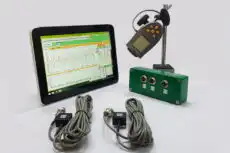
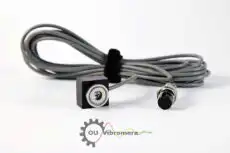
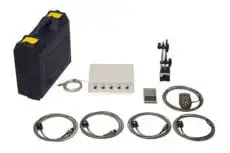
چونکہ ایک محوری پنکھا اپنے بیرنگز میں چلتا ہے، اس لیے غالب 1× عدم توازن سے نمٹنے کا عملی طریقہ یہ ہے کہ روٹر کو نکالنے کے بجائے اسے اسی جگہ بیلنس کیا جائے۔ ایک پورٹیبل دو چینل تجزیہ کار جیسے کہ بیلنسیٹ -1 اے 1× کی پیمائش کرتا ہے مقدار اور مرحلہ آپریٹنگ رفتار پر، حساب لگاتا ہے گتانک کو متاثر کرتا ہے۔ پنکھے کا، اور آپ کو اصلاح وزن بلیڈز پر شامل کرنے کے لیے ماس اور زاویہ بتاتا ہے۔ پھر یہ نتیجے کی تصدیق بقایا عدم توازن رواداری کے خلاف کرتا ہے۔ قبولیت اور بیلنس کوالٹی گریڈز کے لیے، بڑے صنعتی پنکھوں کو خاص طور پر آئی ایس او 14694میں بیان کیا گیا ہے، جبکہ بیرنگ ہاؤسنگز پر مجموعی وائبریشن شدت کو جدید آئی ایس او 20816-3 (وہ معیار جس نے ISO 10816-3 کی جگہ لی) کے مطابق جانچا جاتا ہے۔
8. دیکھ بھال اور اصلاح
بلیڈ کی بحالی
- بلیڈز سے جمع ہوئی تہہ صاف کریں، پھر دوبارہ بیلنس کریں۔
- معمولی کٹاؤ اور زنگ کے نقصان کی مرمت کریں۔
- دراڑ زدہ یا شدید طور پر تباہ شدہ بلیڈز تبدیل کریں۔
- تصدیق کریں کہ تمام بلیڈز یکساں پچ زاویے پر ہیں۔
- بلیڈ اٹیچمنٹ بولٹس کو چیک کریں اور کس کریں۔
کلیئرنس کی بحالی
- جہاں کلیئرنس ضرورت سے زیادہ ہو وہاں شراؤڈ رنگز یا ٹپ سیلز لگائیں۔
- ہاؤسنگ کو دوبارہ تعمیر کریں تاکہ اس کا قطر کم ہو۔
- پنکھا تبدیل کریں اگر یہ معاشی طور پر جائز ہو۔
آپریٹنگ پوائنٹ کنٹرول
- سسٹم مزاحمت کو ایڈجسٹ کریں تاکہ پنکھا اپنے ڈیزائن پوائنٹ کے قریب کام کرے۔
- بہترین میچنگ کے لیے متغیر رفتار کنٹرول استعمال کریں۔
- اسٹال زون میں آپریشن سے گریز کریں۔
- رفتار کم کرنے کے لیے انلیٹ وین یا ڈیمپر کنٹرول استعمال کریں۔
محوری پنکھے کے نقائص گھومنے والی مشینری کے معیاری مسائل کو محوری بہاؤ والی مشینوں کے مخصوص ایروڈائنامک مظاہر کے ساتھ جوڑتے ہیں۔ بلیڈ کے ساختی مسائل، ٹپ کلیئرنس کی اہمیت، اور گھومنے والے اسٹال جیسی غیر استحکامیوں کو سمجھنا — مناسب وائبریشن مانیٹرنگ اور کارکردگی جانچ کے ساتھ مل کر — صنعتی خدمات میں ہوا منتقل کرنے والی ان ضروری مشینوں کو قابل اعتماد طریقے سے چلاتا ہے۔

