ਮਕੈਨੀਕਲ ਵਾਈਬ੍ਰੇਸ਼ਨ ਵਿੱਚ ਡੈਂਪਿੰਗ ਨੂੰ ਸਮਝਣਾ

ਡੈਂਪਿੰਗ ਉਹ ਵਰਤਾਰਾ ਹੈ ਜਿਸ ਦੁਆਰਾ ਕੰਪਨਾਤਮਕ ਊਰਜਾ ਇੱਕ ਗਤੀਸ਼ੀਲ ਪ੍ਰਣਾਲੀ ਦੇ ਅੰਦਰ ਵਿਲੀਨ ਹੋ ਜਾਂਦੀ ਹੈ ਜਾਂ ਹੋਰ ਰੂਪਾਂ — ਮੁੱਖ ਤੌਰ 'ਤੇ ਤਾਪ — ਵਿੱਚ ਬਦਲ ਜਾਂਦੀ ਹੈ। ਇਹ ਉਹ ਵਿਧੀ ਹੈ ਜੋ ਵਾਈਬ੍ਰੇਸ਼ਨ ਨੂੰ ਘਟਾਉਂਦੀ ਹੈ ਅਤੇ ਉਤੇਜਨਾ ਦਾ ਸਰੋਤ ਹਟਾਏ ਜਾਣ ਤੋਂ ਬਾਅਦ ਆਖਰਕਾਰ ਬੰਦ ਕਰ ਦਿੰਦੀ ਹੈ। ਸਾਦੇ ਸ਼ਬਦਾਂ ਵਿੱਚ, ਡੈਂਪਿੰਗ ਗਤੀ ਦਾ ਉਹ ਵਿਰੋਧ ਹੈ ਜੋ ਕੰਪਨ ਦੇ ਵਿਰੁੱਧ ਕੰਮ ਕਰਦਾ ਹੈ। ਹਰ ਅਸਲ ਮਕੈਨੀਕਲ ਪ੍ਰਣਾਲੀ ਵਿੱਚ ਕੁਝ ਨਾ ਕੁਝ ਡੈਂਪਿੰਗ ਹੁੰਦੀ ਹੈ; ਇਸ ਤੋਂ ਬਿਨਾਂ, ਆਪਣੀ ਕੁਦਰਤੀ ਫ੍ਰੀਕੁਐਂਸੀ 'ਤੇ ਉਤੇਜਿਤ ਹੋਈ ਬਣਤਰ ਸਿਧਾਂਤਕ ਤੌਰ 'ਤੇ ਇੱਕ ਅਨੰਤ ਵੱਡੀ ਐਂਪਲੀਟਿਊਡ (ਆਯਾਮ).
1. ਪਰਿਭਾਸ਼ਾ: ਡੈਂਪਿੰਗ ਕੀ ਹੈ?
ਇੱਕ ਕੰਪਨਸ਼ੀਲ ਪ੍ਰਣਾਲੀ ਦੇ ਮਿਆਰੀ ਮਾਡਲ ਵਿੱਚ — ਪੁੰਜ, ਕਠੋਰਤਾ (stiffness) ਅਤੇ ਡੈਂਪਿੰਗ ਇਕੱਠੇ ਕੰਮ ਕਰਦੇ ਹਨ — ਡੈਂਪਿੰਗ ਹੀ ਇਹਨਾਂ ਤਿੰਨਾਂ ਵਿੱਚੋਂ ਇੱਕੋ-ਇੱਕ ਹੈ ਜੋ ਪ੍ਰਣਾਲੀ ਵਿੱਚੋਂ ਊਰਜਾ ਕੱਢਦਾ ਹੈ। ਪੁੰਜ ਅਤੇ ਕਠੋਰਤਾ ਊਰਜਾ ਦਾ ਆਪਸ ਵਿੱਚ ਵਟਾਂਦਰਾ ਕਰਦੇ ਹਨ (ਗਤਿਜ ਤੋਂ ਸਥਿਤਿਜ ਅਤੇ ਵਾਪਸ), ਇਸ ਲਈ ਇਕੱਲੇ ਇਹ ਦੋਵੇਂ ਇੱਕ ਦੋਲਨ ਨੂੰ ਹਮੇਸ਼ਾ ਲਈ ਜਾਰੀ ਰਹਿਣ ਦੇਣਗੇ। ਡੈਂਪਿੰਗ ਉਹ ਸ਼ਬਦ ਹੈ ਜੋ ਹਰ ਚੱਕਰ ਵਿੱਚ ਊਰਜਾ ਨੂੰ ਵਹਾ ਦਿੰਦਾ ਹੈ, ਜਿਸ ਨਾਲ ਗਤੀ ਰੁਕਣ ਤੱਕ ਐਂਪਲੀਟਿਊਡ ਸੁੰਗੜਦਾ ਰਹਿੰਦਾ ਹੈ। ਇਹੀ ਕਾਰਨ ਹੈ ਕਿ ਵੱਜੀ ਹੋਈ ਘੰਟੀ ਹੌਲੀ-ਹੌਲੀ ਖਾਮੋਸ਼ ਹੋ ਜਾਂਦੀ ਹੈ ਨਾ ਕਿ ਹਮੇਸ਼ਾ ਲਈ ਵੱਜਦੀ ਰਹਿੰਦੀ, ਅਤੇ ਕਿਉਂ ਇੱਕ ਮਸ਼ੀਨ ਇੱਕ ਅਸਥਾਈ ਝਟਕੇ ਤੋਂ ਬਾਅਦ ਸਥਿਰ ਹੋ ਜਾਂਦੀ ਹੈ।
2. ਮਸ਼ੀਨ ਗਤੀਸ਼ੀਲਤਾ ਵਿੱਚ ਡੈਂਪਿੰਗ ਦੀ ਨਾਜ਼ੁਕ ਭੂਮਿਕਾ
ਡੈਂਪਿੰਗ ਮਕੈਨੀਕਲ ਇੰਜੀਨੀਅਰਿੰਗ ਅਤੇ ਵਾਈਬ੍ਰੇਸ਼ਨ ਵਿਸ਼ਲੇਸ਼ਣ ਵਿੱਚ ਇੱਕ ਬੁਨਿਆਦੀ ਅਤੇ ਬਹੁਤ ਹੀ ਮਹੱਤਵਪੂਰਨ ਗੁਣ ਹੈ। ਇਸਦੀ ਮੁੱਖ ਭੂਮਿਕਾ ਹੈ ਕੰਪਨ ਦੇ ਐਂਪਲੀਟਿਊਡ ਨੂੰ ਨਿਯੰਤਰਿਤ ਕਰਦਾ ਹੈ ਰੈਜ਼ੋਨੈਂਸ (ਅਨੁਨਾਦ)। ਜਦੋਂ ਕਿਸੇ ਮਸ਼ੀਨ ਦੀ ਓਪਰੇਟਿੰਗ ਸਪੀਡ ਇਸਦੀ ਕਿਸੇ ਇੱਕ ਕੁਦਰਤੀ ਬਾਰੰਬਾਰਤਾ ਦੇ ਨੇੜੇ ਪਹੁੰਚਦੀ ਹੈ — ਇੱਕ ਕ੍ਰਿਟੀਕਲ ਸਪੀਡ — ਡੈਂਪਿੰਗ ਹੀ ਇੱਕੋ-ਇੱਕ ਕਾਰਕ ਹੈ ਜੋ ਕੰਪਨ ਨੂੰ ਵਿਨਾਸ਼ਕਾਰੀ ਪੱਧਰਾਂ ਤੱਕ ਵਧਣ ਤੋਂ ਰੋਕਦਾ ਹੈ। ਇੱਕ ਚੰਗੀ ਤਰ੍ਹਾਂ ਡੈਂਪ ਕੀਤੀ ਪ੍ਰਣਾਲੀ ਇੱਕ ਪ੍ਰਬੰਧਨਯੋਗ, ਨਿਯੰਤਰਿਤ ਸਿਖਰ ਨਾਲ ਕ੍ਰਿਟੀਕਲ ਸਪੀਡ ਵਿੱਚੋਂ ਲੰਘ ਸਕਦੀ ਹੈ, ਜਦਕਿ ਮਾੜੀ ਢੰਗ ਨਾਲ ਡੈਂਪ ਕੀਤੀ ਪ੍ਰਣਾਲੀ ਵਿੱਚ ਵਿਨਾਸ਼ਕਾਰੀ ਅਸਫਲਤਾ ਹੋ ਸਕਦੀ ਹੈ।
ਢੁਕਵੀਂ ਡੈਂਪਿੰਗ ਦੇ ਮੁੱਖ ਲਾਭਾਂ ਵਿੱਚ ਸ਼ਾਮਲ ਹਨ:
- ਵਿਨਾਸ਼ਕਾਰੀ ਰੈਜ਼ੋਨੈਂਸ ਨੂੰ ਰੋਕਦਾ ਹੈ: ਇਹ ਕ੍ਰਿਟੀਕਲ ਸਪੀਡਾਂ 'ਤੇ ਬੇਕਾਬੂ ਕੰਪਨ ਦੇ ਵਿਰੁੱਧ ਮੁੱਖ ਸੁਰੱਖਿਆ ਹੈ।
- ਪ੍ਰਣਾਲੀ ਦੀ ਸਥਿਰਤਾ ਵਿੱਚ ਸੁਧਾਰ ਕਰਦਾ ਹੈ: ਵਿੱਚ ਰੋਟਰ ਡਾਇਨਾਮਿਕਸ, ਡੈਂਪਿੰਗ ਸਵੈ-ਉਤੇਜਿਤ ਅਸਥਿਰਤਾਵਾਂ ਜਿਵੇਂ ਕਿ ਤੇਲ ਭੌਂਰੀ (oil whirl) ਅਤੇ ਵ੍ਹਿਪ.
- ਸੈਟਲਿੰਗ ਸਮਾਂ ਘਟਾਉਂਦਾ ਹੈ: ਇਹ ਇੱਕ ਪ੍ਰਣਾਲੀ ਨੂੰ ਝਟਕੇ ਜਾਂ ਅਸਥਾਈ ਘਟਨਾ ਤੋਂ ਬਾਅਦ ਵਧੇਰੇ ਤੇਜ਼ੀ ਨਾਲ ਸੰਤੁਲਨ ਵਿੱਚ ਵਾਪਸ ਆਉਣ ਦਿੰਦਾ ਹੈ।
- ਸ਼ੋਰ ਅਤੇ ਥਕਾਵਟ ਨੂੰ ਘੱਟ ਕਰਦਾ ਹੈ: ਕੁੱਲ ਕੰਪਨ ਪੱਧਰਾਂ ਨੂੰ ਘਟਾ ਕੇ, ਡੈਂਪਿੰਗ ਸ਼ੋਰ ਰੇਡੀਏਸ਼ਨ ਨੂੰ ਘਟਾਉਂਦੀ ਹੈ ਅਤੇ ਚੱਕਰੀ ਥਕਾਵਟ (ਫੈਟੀਗ) ਪੁਰਜ਼ਿਆਂ 'ਤੇ ਤਣਾਅ ਨੂੰ ਘੱਟ ਕਰਦੀ ਹੈ।
3. ਡੈਂਪਿੰਗ ਵਿਧੀਆਂ ਦੀਆਂ ਕਿਸਮਾਂ
ਊਰਜਾ ਕਈ ਤਰੀਕਿਆਂ ਨਾਲ ਵਿਲੀਨ ਹੋ ਸਕਦੀ ਹੈ, ਜਿਸ ਨਾਲ ਡੈਂਪਿੰਗ ਦੀਆਂ ਵੱਖ-ਵੱਖ ਕਿਸਮਾਂ ਪੈਦਾ ਹੁੰਦੀਆਂ ਹਨ।
ਵਿਸਕਸ ਡੈਂਪਿੰਗ
ਇਹ ਸਭ ਤੋਂ ਵੱਧ ਆਮ ਤੌਰ 'ਤੇ ਮਾਡਲ ਕੀਤੀ ਜਾਣ ਵਾਲੀ ਕਿਸਮ ਹੈ। ਇਹ ਉਦੋਂ ਪੈਦਾ ਹੁੰਦੀ ਹੈ ਜਦੋਂ ਕੋਈ ਪਦਾਰਥ ਕਿਸੇ ਤਰਲ ਵਿੱਚੋਂ ਲੰਘਦਾ ਹੈ, ਅਤੇ ਡੈਂਪਿੰਗ ਬਲ ਪਦਾਰਥ ਦੇ ਵੇਗ ਦੇ ਅਨੁਪਾਤੀ ਹੁੰਦਾ ਹੈ। ਕਲਾਸਿਕ ਉਦਾਹਰਨ ਕਾਰ ਦੇ ਸਸਪੈਂਸ਼ਨ ਵਿੱਚ ਸ਼ੌਕ ਅਬਜ਼ੌਰਬਰ ਹੈ। ਘੁੰਮਣ ਵਾਲੀ ਮਸ਼ੀਨਰੀ ਵਿੱਚ, ਤਰਲ-ਫਿਲਮ (ਜਰਨਲ) ਬੇਅਰਿੰਗਾਂ ਵਿੱਚ ਤੇਲ ਦੀ ਫਿਲਮ ਵਿਸਕਸ ਡੈਂਪਿੰਗ ਦਾ ਇੱਕ ਮੁੱਖ ਸਰੋਤ ਹੈ ਅਤੇ ਹਾਈ-ਸਪੀਡ ਰੋਟਰਾਂ ਦੀ ਸਥਿਰਤਾ ਲਈ ਜ਼ਰੂਰੀ ਹੈ; ਇੱਕ ਸਕੁਈਜ਼-ਫ਼ਿਲਮ ਡੈਂਪਰ ਇੱਕ ਯੰਤਰ ਹੈ ਜੋ ਖਾਸ ਤੌਰ 'ਤੇ ਇੱਕ ਨੂੰ ਨਿਯੰਤਰਿਤ ਵਿਸਕਸ ਡੈਂਪਿੰਗ ਜੋੜਨ ਲਈ ਬਣਾਇਆ ਗਿਆ ਹੈ ਰੋਟਰ-ਬੇਅਰਿੰਗ ਸਿਸਟਮ.
ਸਟ੍ਰਕਚਰਲ ਡੈਂਪਿੰਗ (ਹਿਸਟਰੇਟਿਕ ਡੈਂਪਿੰਗ)
ਇਹ ਕਿਸੇ ਪਦਾਰਥ ਦੇ ਵਿਗੜਨ ਦੌਰਾਨ ਉਸ ਦੇ ਅੰਦਰੂਨੀ ਘਿਰਣ ਕਾਰਨ ਹੁੰਦੀ ਹੈ। ਜਦੋਂ ਕਿਸੇ ਪਦਾਰਥ 'ਤੇ ਚੱਕਰੀ ਢੰਗ ਨਾਲ ਤਣਾਅ ਪਾਇਆ ਜਾਂਦਾ ਹੈ, ਤਾਂ ਹਰ ਚੱਕਰ ਵਿੱਚ ਕੁਝ ਊਰਜਾ ਤਾਪ ਵਜੋਂ ਗੁਆਚ ਜਾਂਦੀ ਹੈ। ਭਾਵੇਂ ਅਕਸਰ ਛੋਟੀ ਹੁੰਦੀ ਹੈ, ਇਹ ਅੰਦਰੂਨੀ ਡੈਂਪਿੰਗ ਸਾਰੇ ਪਦਾਰਥਾਂ ਦੀ ਇੱਕ ਸੁਭਾਵਿਕ ਵਿਸ਼ੇਸ਼ਤਾ ਹੈ ਅਤੇ ਕਈ ਜੋੜਾਂ ਅਤੇ ਫਾਸਟਨਰਾਂ ਵਾਲੀਆਂ ਬਣਤਰਾਂ ਵਿੱਚ ਮਹੱਤਵਪੂਰਨ ਬਣ ਸਕਦੀ ਹੈ — ਇਹੀ ਕਾਰਨ ਹੈ ਕਿ ਮਕੈਨੀਕਲ ਢਿੱਲਾਪਣ ਇੱਕ ਬਣਤਰ ਦੀ ਪ੍ਰਤੱਖ ਡੈਂਪਿੰਗ ਨੂੰ ਬਦਲਦਾ ਹੈ।
ਕੂਲੌਂਬ ਡੈਂਪਿੰਗ (ਸੁੱਕਾ ਘਿਰਣ)
ਇਹ ਦੋ ਸੁੱਕੀਆਂ ਸਤਹਾਂ ਦੇ ਆਪਸ ਵਿੱਚ ਰਗੜਣ ਕਾਰਨ ਪੈਦਾ ਹੁੰਦੀ ਹੈ। ਡੈਂਪਿੰਗ ਬਲ ਲਗਭਗ ਸਥਿਰ ਰਹਿੰਦਾ ਹੈ ਅਤੇ ਹਮੇਸ਼ਾ ਗਤੀ ਦੀ ਦਿਸ਼ਾ ਦੇ ਵਿਰੁੱਧ ਹੁੰਦਾ ਹੈ। ਇੱਕ ਜਾਣੀ-ਪਛਾਣੀ ਉਦਾਹਰਨ ਬ੍ਰੇਕ ਪੈਡ ਦਾ ਡਿਸਕ ਨਾਲ ਰਗੜਨਾ ਹੈ; ਮਸ਼ੀਨਰੀ ਵਿੱਚ, ਅਣਚਾਹੇ ਰਗੜ ਘੁੰਮਦੇ ਅਤੇ ਸਥਿਰ ਪੁਰਜ਼ਿਆਂ ਵਿਚਕਾਰ ਆਪਣੇ ਖੁਦ ਦੇ ਡਾਇਗਨੌਸਟਿਕ ਸਿਗਨੇਚਰ ਦੇ ਨਾਲ ਕੂਲੌਂਬ ਡੈਂਪਿੰਗ ਪੇਸ਼ ਕਰਦਾ ਹੈ।
ਏਅਰੋਡਾਇਨਾਮਿਕ ਡੈਂਪਿੰਗ
ਇਹ ਹਵਾ ਜਾਂ ਕਿਸੇ ਹੋਰ ਗੈਸ ਦੁਆਰਾ ਗਤੀਸ਼ੀਲ ਵਸਤੂ ਨੂੰ ਦਿੱਤਾ ਗਿਆ ਵਿਰੋਧ ਹੈ। ਇਹ ਆਮ ਤੌਰ 'ਤੇ ਸਿਰਫ਼ ਵੱਡੀਆਂ, ਤੇਜ਼ੀ ਨਾਲ ਚੱਲਣ ਵਾਲੀਆਂ ਬਣਤਰਾਂ ਜਿਵੇਂ ਕਿ ਟਰਬਾਈਨ ਬਲੇਡਾਂ ਜਾਂ ਪੱਖਾ ਇੰਪੈਲਰਾਂ ਲਈ ਮਹੱਤਵਪੂਰਨ ਹੁੰਦਾ ਹੈ, ਜਿੱਥੇ ਇਹ ਐਰੋਡਾਇਨਾਮਿਕ ਬਲ ਨਾਲ ਪਰਸਪਰ ਪ੍ਰਭਾਵ ਪਾਉਂਦਾ ਹੈ ਜੋ ਬਲੇਡਿੰਗ 'ਤੇ ਪਹਿਲਾਂ ਹੀ ਕੰਮ ਕਰ ਰਿਹਾ ਹੈ।
4. ਡੈਂਪਿੰਗ ਨੂੰ ਕਿਵੇਂ ਮਾਪਿਆ ਅਤੇ ਮਾਤਰਾਬੱਧ ਕੀਤਾ ਜਾਂਦਾ ਹੈ?
ਡੈਂਪਿੰਗ ਦੀ ਗਣਨਾ ਬੁਨਿਆਦੀ ਸਿਧਾਂਤਾਂ ਤੋਂ ਕਰਨੀ ਅਕਸਰ ਮੁਸ਼ਕਲ ਹੁੰਦੀ ਹੈ ਅਤੇ ਇਹ ਆਮ ਤੌਰ 'ਤੇ ਪ੍ਰਯੋਗਾਤਮਕ ਤੌਰ 'ਤੇ ਨਿਰਧਾਰਤ ਕੀਤੀ ਜਾਂਦੀ ਹੈ। ਇਸ ਨੂੰ ਕਈ ਸਬੰਧਿਤ ਮਾਪਦੰਡਾਂ ਦੀ ਵਰਤੋਂ ਕਰਕੇ ਮਾਤਰਾਬੱਧ ਕੀਤਾ ਜਾਂਦਾ ਹੈ:
- ਡੈਂਪਿੰਗ ਅਨੁਪਾਤ (ζ, ਜ਼ੀਟਾ): ਸਭ ਤੋਂ ਆਮ ਅਯਾਮ ਰਹਿਤ ਮਾਪਦੰਡ — ਇੱਕ ਪ੍ਰਣਾਲੀ ਦੀ ਅਸਲ ਡੈਂਪਿੰਗ ਦਾ ਉਸ ਡੈਂਪਿੰਗ ਨਾਲ ਅਨੁਪਾਤ ਜੋ ਇਸ ਨੂੰ ਕ੍ਰਿਟੀਕਲੀ ਡੈਂਪਡ (ਬਿਨਾਂ ਦੋਲਨ ਕੀਤੇ ਸੰਤੁਲਨ ਵਿੱਚ ਵਾਪਸ ਆਉਣ ਲਈ) ਹੋਣ ਲਈ ਲੋੜੀਂਦਾ ਹੈ। ਇੱਕ ਖਾਸ ਮਕੈਨੀਕਲ ਬਣਤਰ ਦਾ ਡੈਂਪਿੰਗ ਅਨੁਪਾਤ ਲਗਭਗ 0.01–0.05 (ਕ੍ਰਿਟੀਕਲ ਦਾ 1–5%) ਹੁੰਦਾ ਹੈ।
- Q ਫੈਕਟਰ (ਕੁਆਲਿਟੀ ਫੈਕਟਰ): ਇਹ ਮਾਪਦਾ ਹੈ ਕਿ ਇੱਕ ਪ੍ਰਣਾਲੀ ਕਿੰਨੀ ਅੰਡਰ-ਡੈਂਪਡ ਹੈ, ਜੋ ਰੈਜ਼ੋਨੈਂਸ 'ਤੇ ਕੰਪਨ ਦੇ ਐਂਪਲੀਫਿਕੇਸ਼ਨ ਨੂੰ ਦਰਸਾਉਂਦਾ ਹੈ। ਉੱਚ Q ਦਾ ਮਤਲਬ ਹੈ ਘੱਟ ਡੈਂਪਿੰਗ ਅਤੇ ਇੱਕ ਤਿੱਖਾ, ਉੱਚ-ਐਂਪਲੀਟਿਊਡ ਰੈਜ਼ੋਨੈਂਸ ਸਿਖਰ, ਜਿਸ ਵਿੱਚ Q ≈ 1 / 2ζ।
- ਲੌਗਰਿਦਮਿਕ ਡਿਕ੍ਰਿਮੈਂਟ: ਮੁਕਤ ਕੰਪਨ ਦੇ ਖ਼ਾਤਮੇ ਦੀ ਦਰ ਤੋਂ ਡੈਂਪਿੰਗ ਅਨੁਪਾਤ ਲੱਭਣ ਦਾ ਇੱਕ ਤਰੀਕਾ, ਜਿਵੇਂ ਕਿ ਇੱਕ “ਰਿੰਗ-ਡਾਊਨ” ਦੌਰਾਨ ਜਾਂ ਬੰਪ ਟੈਸਟ.
ਅਮਲ ਵਿੱਚ ਇਹ ਮੁੱਲ ਮਾਪੇ ਗਏ ਡੇਟਾ ਤੋਂ ਕੱਢੇ ਜਾਂਦੇ ਹਨ — ਉਦਾਹਰਨ ਲਈ ਇੱਕ ਰੈਜ਼ੋਨੈਂਸ ਸਿਖਰ ਦੀ ਚੌੜਾਈ ਤੋਂ ਫ੍ਰੀਕੁਐਂਸੀ ਰਿਸਪਾਂਸ ਫੰਕਸ਼ਨ, ਜਾਂ ਇੱਕ ਦੇ ਡਿਕੇ ਲਿਫ਼ਾਫ਼ੇ ਤੋਂ ਟਾਈਮ ਵੇਵਫਾਰਮ (ਸਮਾਂ ਤਰੰਗ-ਰੂਪ) ਉਤੇਜਨਾ ਬੰਦ ਹੋਣ ਤੋਂ ਬਾਅਦ। ਇੱਕ ਡੈਂਪਿੰਗ-ਅਨੁਪਾਤ ਕੈਲਕੁਲੇਟਰ ਇਹ ਲੌਗਰਿਦਮਿਕ ਡਿਕ੍ਰੀਮੈਂਟ ਮਾਪ ਜਾਂ ਹਾਫ਼-ਪਾਵਰ-ਬੈਂਡਵਿਡਥ ਰੀਡਿੰਗ ਨੂੰ ਸਿੱਧਾ ζ ਵਿੱਚ ਬਦਲਦਾ ਹੈ।
5. ਫੀਲਡ ਡਾਇਗਨੌਸਟਿਕਸ ਅਤੇ ਬੈਲੰਸਿੰਗ ਵਿੱਚ ਡੈਂਪਿੰਗ
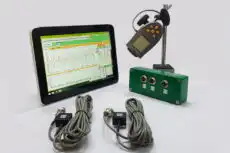
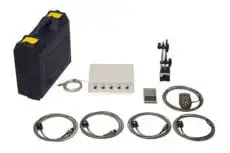
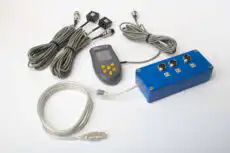
ਕਿਸੇ ਮਸ਼ੀਨ ਵਿੱਚ ਡੈਂਪਿੰਗ ਦੇ ਸਰੋਤਾਂ ਦੀ ਪਛਾਣ ਕਰਨਾ ਅਤੇ ਸਮਝਣਾ ਰੈਜ਼ੋਨੈਂਸ ਸਮੱਸਿਆਵਾਂ ਦੇ ਨਿਪਟਾਰੇ ਅਤੇ ਲੰਬੇ ਸਮੇਂ ਦੀ ਸੰਚਾਲਨ ਸਥਿਰਤਾ ਯਕੀਨੀ ਬਣਾਉਣ ਲਈ ਬਹੁਤ ਜ਼ਰੂਰੀ ਹੈ। ਫੀਲਡ ਵਿੱਚ, ਡੈਂਪਿੰਗ ਹੀ ਇਹ ਤੈਅ ਕਰਦੀ ਹੈ ਕਿ ਮਸ਼ੀਨ ਕ੍ਰਿਟੀਕਲ ਸਪੀਡ ਤੋਂ ਲੰਘਦੇ ਸਮੇਂ ਕਿੰਨੀ ਤਿੱਖੀ ਪ੍ਰਤੀਕਿਰਿਆ ਦਿੰਦੀ ਹੈ, ਅਤੇ ਘੱਟ-ਡੈਂਪਡ ਰੈਜ਼ੋਨੈਂਸ ਇੱਕ ਅਸੰਤੁਲਨ ਸਮੱਸਿਆ ਵਾਂਗ ਦਿਖ ਸਕਦੀ ਹੈ — ਜਾਂ ਇਸਨੂੰ ਵਧਾ ਸਕਦੀ ਹੈ। ਇੱਕ ਪੋਰਟੇਬਲ ਦੋ-ਚੈਨਲ ਵਿਸ਼ਲੇਸ਼ਕ ਜਿਵੇਂ ਕਿ Balanset-1A ਰਨ-ਅੱਪ ਜਾਂ ਕੋਸਟ-ਡਾਊਨ ਦੌਰਾਨ ਐਂਪਲੀਟਿਊਡ (ਆਯਾਮ)-ਅਤੇ-ਫੇਜ਼ ਪ੍ਰਤੀਕਿਰਿਆ ਨੂੰ ਕੈਪਚਰ ਕਰ ਸਕਦਾ ਹੈ, ਜੋ ਤਿੱਖੀ ਪੀਕ ਅਤੇ ਤੇਜ਼ ਫੇਜ਼ ਰਿਵਰਸਲ ਨੂੰ ਦਰਸਾਉਂਦਾ ਹੈ ਜੋ ਇੱਕ ਹਲਕੀ ਡੈਂਪਡ ਰੈਜ਼ੋਨੈਂਸ ਦੀ ਨਿਸ਼ਾਨੀ ਹੈ। ਇਹ ਪੁਸ਼ਟੀ ਕਰਨਾ ਕਿ ਵੱਧ ਵਾਈਬ੍ਰੇਸ਼ਨ ਅਸਲ ਵਿੱਚ ਅਸੰਤੁਲਨ ਹੈ — ਨਾ ਕਿ ਇੱਕ ਅਨਡੈਂਪਡ ਰੈਜ਼ੋਨੈਂਸ ਜੋ ਇੱਕ ਛੋਟੇ ਬਲ ਨੂੰ ਵਧਾ ਰਹੀ ਹੈ — ਇੱਕ ਜ਼ਰੂਰੀ ਜਾਂਚ ਹੈ ਇਸ ਤੋਂ ਪਹਿਲਾਂ ਕਿ ਸਾਈਟ ਬੈਲੇਂਸਿੰਗ (ਫੀਲਡ ਬੈਲੇਂਸਿੰਗ), ਕਿਉਂਕਿ ਭਾਰ ਜੋੜਨ ਨਾਲ ਰੈਜ਼ੋਨੈਂਸ ਸਮੱਸਿਆ ਠੀਕ ਨਹੀਂ ਹੋ ਸਕਦੀ।
6. ਡੈਂਪਿੰਗ, ਸਟਿਫਨੈੱਸ ਅਤੇ ਰੈਜ਼ੋਨੈਂਸ ਇਕੱਠੇ
ਡੈਂਪਿੰਗ ਕਦੇ ਵੀ ਇਕੱਲੀ ਕੰਮ ਨਹੀਂ ਕਰਦੀ; ਇਹ ਮਸ਼ੀਨ ਦੇ ਸਮੁੱਚੇ ਡਾਇਨਾਮਿਕ ਵਿਵਹਾਰ ਨੂੰ ਰੂਪ ਦੇਣ ਲਈ ਮਾਸ ਅਤੇ ਸਟਿਫਨੈੱਸ ਦੇ ਨਾਲ ਮਿਲ ਕੇ ਕੰਮ ਕਰਦੀ ਹੈ। ਸਟਿਫਨੈੱਸ ਅਤੇ ਮਾਸ ਤੈਅ ਕਰਦੇ ਹਨ ਕਿ ਕਿੱਥੇ ਜਿੱਥੇ ਕੁਦਰਤੀ ਫ੍ਰੀਕੁਐਂਸੀਆਂ ਘਟਦੀਆਂ ਹਨ, ਜਦੋਂ ਕਿ ਡੈਂਪਿੰਗ ਤੈਅ ਕਰਦੀ ਹੈ ਕਿੰਨੀ ਉੱਚੀ ਅਤੇ ਕਿੰਨੀ ਤਿੱਖੀ ਪ੍ਰਤੀਕਿਰਿਆ ਹੁੰਦੀ ਹੈ ਜਦੋਂ ਮਸ਼ੀਨ ਇਹਨਾਂ ਵਿੱਚੋਂ ਕਿਸੇ ਇੱਕ ਦੇ ਨੇੜੇ ਚੱਲਦੀ ਹੈ। ਇੱਕੋ ਜਿਹੀਆਂ ਕੁਦਰਤੀ ਫ੍ਰੀਕੁਐਂਸੀਆਂ ਵਾਲੀਆਂ ਦੋ ਮਸ਼ੀਨਾਂ ਬਿਲਕੁਲ ਵੱਖਰਾ ਵਿਵਹਾਰ ਕਰ ਸਕਦੀਆਂ ਹਨ ਜੇ ਇੱਕ ਚੰਗੀ ਤਰ੍ਹਾਂ ਡੈਂਪਡ ਹੋਵੇ ਅਤੇ ਦੂਜੀ ਨਾ ਹੋਵੇ — ਪਹਿਲੀ ਆਪਣੀ ਕ੍ਰਿਟੀਕਲ ਸਪੀਡ ਵਿੱਚੋਂ ਸਹਿਜੇ ਹੀ ਲੰਘ ਜਾਂਦੀ ਹੈ, ਦੂਜੀ ਨੂੰ ਵਿਨਾਸ਼ਕਾਰੀ ਐਂਪਲੀਟਿਊਡ ਦਾ ਖ਼ਤਰਾ ਰਹਿੰਦਾ ਹੈ। ਇਹੀ ਕਾਰਨ ਹੈ ਕਿ ਰੈਜ਼ੋਨੈਂਸ (ਅਨੁਨਾਦ) ਦੀ ਪੂਰੀ ਤਸਵੀਰ ਸਮਝਣ ਲਈ ਤਿੰਨੋਂ ਗੁਣਾਂ ਨੂੰ ਜਾਣਨਾ ਜ਼ਰੂਰੀ ਹੈ, ਸਿਰਫ਼ ਕੁਦਰਤੀ ਫ੍ਰੀਕੁਐਂਸੀ ਹੀ ਨਹੀਂ।

