მექანიკური ვიბრაციის დემპინგის გაგება





დემპინგი არის მოვლენა, რომლის დროსაც ვიბრაციული ენერგია დინამიკურ სისტემაში იფანტება ან სხვა ფორმებად — ძირითადად სითბოდ — გარდაიქმნება. ვიბრაციები ჩაქრეს და საბოლოოდ შეწყდეს მას შემდეგ, რაც აგზნების წყარო მოიხსნება. მარტივად რომ ვთქვათ, დემპფირება არის მოძრაობისადმი წინააღმდეგობა, რომელიც ვიბრაციის წინააღმდეგ მოქმედებს. ყველა რეალურ მექანიკურ სისტემას გარკვეული დემპფირება აქვს; მის გარეშე, საკუთარი საკუთარი სიხშირე მქონე სტრუქტურა, თეორიულად, უსასრულოდ დიდი ამპლიტუდა.
1. განმარტება: რა არის დემპფირება?
ვიბრირებადი სისტემის სტანდარტულ მოდელში — მასა, სიმტკიცე და დემპფირება ერთობლივად მოქმედებენ — ამ სამიდან მხოლოდ დემპფირება აშორებს ენერგიას სისტემას. მასა და სიხისტე ენერგიას ერთმანეთს უცვლიან (კინეტიკურიდან პოტენციურზე და უკან), ამიტომ მხოლოდ ისინი რხევას უსასრულოდ გააგრძელებდნენ. დემპფირება არის ტერმინი, რომელიც თითოეულ ციკლში ენერგიას აცლის სისტემას, ამცირებს ამპლიტუდას და ბოლოს მოძრაობას აჩერებს. ამიტომაც ზარის დარტყმის შემდეგ ხმა თანდათან ქრება და არ გრძელდება უსასრულოდ, და ამიტომაც მანქანა დროებითი დარტყმის შემდეგ წყნარდება.
2. დემპფირების კრიტიკული როლი მანქანის დინამიკაში
დემპინგი მექანიკური ინჟინერიისა და ვიბრაციის ანალიზის ფუნდამენტური და კრიტიკულად მნიშვნელოვანი თვისებაა. მისი ძირითადი როლია აკონტროლებს ვიბრაციის ამპლიტუდებს რეზონანსი. როდესაც მანქანის სამუშაო სიჩქარე მის ერთ-ერთ საკუთარ სიხშირეს უახლოვდება — კრიტიკული სიჩქარე — დემპფირება ერთადერთი ფაქტორია, რომელიც ვიბრაციის ზრდას დამანგრეველ დონემდე ზღუდავს. კარგად დემპფირებულ სისტემას შეუძლია კრიტიკულ სიჩქარეზე გავლა მართვადი, კონტროლირებადი პიკით, მაშინ როდესაც ცუდად დემპფირებულმა სისტემამ შეიძლება კატასტროფული მარცხი განიცადოს.
ადეკვატური დემპინგის ძირითადი უპირატესობებია:
- კატასტროფული რეზონანსის თავიდან აცილება: ეს არის კრიტიკულ სიჩქარეებზე უკონტროლო ვიბრაციისგან დაცვის მთავარი საშუალება.
- სისტემის მდგრადობის გაუმჯობესება: ში როტორის დინამიკა, დემპფირება ხელს უწყობს ისეთი თვითაგზნებული არასტაბილურობების თავიდან აცილებას, როგორიცაა ზეთის მორევი და უიპი.
- დამშვიდების დროის შემცირება: იგი სისტემას დარტყმის ან გარდამავალი მოვლენის შემდეგ წონასწორობაში უფრო სწრაფად დაბრუნების საშუალებას აძლევს.
- ხმაურისა და დაღლილობის მინიმიზაცია: ვიბრაციის საერთო დონის შემცირებით დემპფირება ამცირებს ხმაურის გამოსხივებას და ამსუბუქებს ციკლურ დაღლილობა დაძაბულობას კომპონენტებზე.
3. დემპფირების მექანიზმების ტიპები
ენერგია შეიძლება რამდენიმე გზით გაიფანტოს, რაც დემპფირების განსხვავებულ ტიპებს წარმოშობს.
ბლანტი დემპფირება
ეს ყველაზე ხშირად მოდელირებული ტიპია. იგი წარმოიშობა, როდესაც სხეული სითხეში მოძრაობს და დემპფირების ძალა სხეულის სიჩქარე პროპორციულია. კლასიკური მაგალითია ავტომობილის საკიდარში ამორტიზატორი. მბრუნავ მანქანებში ზეთის ფირი თხევადფილმიან (ჟურნალი) საკისრები წარმოადგენს სიბლანტის დემპფიკაციის ძირითად წყაროს და აუცილებელია მაღალსიჩქარიანი როტორების სტაბილურობისთვის. წნევით მორგებადი დამპერი არის მოწყობილობა, რომელიც სპეციალურადაა შექმნილი კონტროლირებადი ბლანტი დემპფირების დასამატებლად როტორ-საკისრების სისტემა.
სტრუქტურული დემპფირება (ჰისტერეზისული დემპფირება)
ეს განპირობებულია მასალის შიდა ხახუნით მისი დეფორმაციისას. როდესაც მასალაზე ციკლური დატვირთვა მოქმედებს, ყოველ ციკლში ენერგიის ნაწილი სითბოდ იკარგება. მიუხედავად იმისა, რომ ხშირად ეს მცირეა, ასეთი შიდა დემპფირება ყველა მასალის ბუნებრივი თვისებაა და შეიძლება მნიშვნელოვანი გახდეს მრავალი კვანძისა და სამაგრის მქონე შედგენილ კონსტრუქციებში — ამიტომაც მექანიკური ფხვიერება შეერთებები ცვლის კონსტრუქციის მოჩვენებით დემპფირებას.
კულონის დემპფირება (მშრალი ხახუნი)
ეს წარმოიშობა ორი მშრალი ზედაპირის ერთმანეთზე ხახუნის შედეგად. დემპფირების ძალა დაახლოებით მუდმივია და ყოველთვის მოძრაობის მიმართულების საწინააღმდეგოდ მოქმედებს. ნაცნობი მაგალითია დისკზე მომუშავე სამუხრუჭე ხუნდები; მანქანებში კი არასასურველი შეხება შეხება მბრუნავ და უძრავ ნაწილებს შორის კულონის დემპფირებასთან ერთად საკუთარ დიაგნოსტიკურ ნიშანსაც წარმოშობს.
აეროდინამიკური დემპფირება
ეს არის ჰაერის ან სხვა აირის მიერ მოძრავ ობიექტზე გაწეული წინააღმდეგობა. იგი, როგორც წესი, მნიშვნელოვანია მხოლოდ დიდი, სწრაფად მოძრავი კონსტრუქციებისთვის, როგორიცაა ტურბინის ფრთები ან ვენტილატორის იმპელერები, სადაც იგი ურთიერთქმედებს იმ აეროდინამიკური ძალები ძალებთან, რომლებიც უკვე მოქმედებს ფრთებზე.
4. როგორ იზომება და განისაზღვრება დემპფირება?
დემპინგის გამოთვლა ხშირად რთულია პირველი პრინციპებიდან და, როგორც წესი, ექსპერიმენტულად განისაზღვრება. ის რაოდენობრივად განისაზღვრება რამდენიმე დაკავშირებული ტერმინის გამოყენებით:
- დემპფირების კოეფიციენტი (ζ, zeta): ყველაზე გავრცელებული განზომილებაუდებელი მაჩვენებელი — სისტემის რეალური დემპფირების თანაფარდობა იმ დემპფირებასთან, რომელიც საჭიროა, რათა სისტემა იყოს კრიტიკულად დემპფირებული (წონასწორობაში დაბრუნდეს რხევის გარეშე). ტიპურ მექანიკურ კონსტრუქციას დემპფირების კოეფიციენტი დაახლოებით 0.01–0.05 (კრიტიკულის 1–5%) აქვს.
- Q ფაქტორი (ხარისხის ფაქტორი): მაჩვენებელი იმისა, რამდენად ნაკლებად არის სისტემა დემპფირებული; იგი რეზონანსზე ვიბრაციის გამაძლიერებელ ეფექტს გამოხატავს. მაღალი Q ნიშნავს დაბალ დემპფირებას და მკვეთრ, მაღალი ამპლიტუდის რეზონანსულ პიკს, სადაც Q ≈ 1 / 2ζ.
- ლოგარითმული დეკრემენტი: მეთოდი დემპფირების კოეფიციენტის საპოვნელად თავისუფალი ვიბრაციის ჩაქრობის სიჩქარიდან, მაგალითად “ring-down”-ის ან დარტყმის ტესტი.
პრაქტიკაში ეს მნიშვნელობები იზომება გაზომილი მონაცემებიდან — მაგალითად, რეზონანსული პიკის სიგანიდან სიხშირის რეაგირების ფუნქცია, ან ჩაქრობის კონვერტიდან დროის ტალღის ფორმა აგზნების შეწყვეტის შემდეგ. დემპფირების კოეფიციენტის კალკულატორი ლოგარითმული დემპირების გაზომვას ან ნახევრად სიმძლავრის გამტეხ წაკითხვას პირდაპირ ζ-ში გადაიყვანს.
5. დამპირება ველურ დიაგნოსტიკაში და ბალანსირებაში
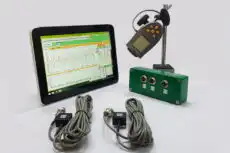
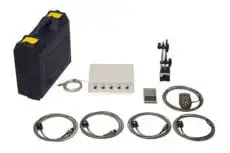
მანქანის დამპირების წყაროების იდენტიფიცირება და გაცნობიერება კრიტიკული წინააღმდეგობის პრობლემების აგვარებისა და ხანგრძლივი ოპერაციული სტაბილურობის უზრუნველსაყოფად აუცილებელია. ველურ პირობებში, დამპირება ის, რაც განსაზღვრავს რამდენად ტკივილოვნად რეაგირებს მანქანა კრიტიკულ სიჩქარეზე გავლისას, და დაბალი დემპირება მქონე რეზონანსი შეიძლება დაკამუფლებული იყოს როგორც — ან გაამძაფროს — ა დისბალანსი პრობლემა. ორ-არხიანი მოწყობილობა, როგორიცაა ბალანსეტი-1ა შეუძლია აღრეკოს ამპლიტუდა-და-ფაზა პასუხი ბეგ-აპ ან სეაბერი დროს, რაც ხილულ იძლევა მკვეთრ პიკს და სწრაფ ფაზის გაბრუნებას, რომელიც ახასიათებს მე-ბი დემპირებული რეზონანსი. იმის დადასტურება, რომ მაღალი ვიბრაცია ნამდვილი დისბალანსია — და არა დაუცემი რეზონანსი, რომელიც მცირე ძალას ამძაფრებს — აუცილებელი შემოწმებაა, სანამ შედეგს ველის ბალანსირება, რადგან წონის დამატება რეზონანსის პრობლემას ვერ მოგვარებს.
6. დამპირება, სიხისტე და რეზონანსი ერთობლივად
დამპირება არასოდეს მოქმედებს იზოლირებულად; იგი მასასთან და სიხისტესთან ერთად მუშაობს მანქანის სამ გადმოჰყოს დინამიკური ქცევა. სიხისტე და მასა განსაზღვრავს სადაც ბუნებრივი სიხშირეები ეცემა, დამპირება კი განსაზღვრავს რამდენად მაღალი და რამდენად მკვეთრი პასუხი არის, როდესაც მანქანა ერთ-ერთი მათ მახლობლად მუშაობს. ორი მანქანა იდენტური ბუნებრივი სიხშირის მქონე შეიძლება სრულიად განსხვავებულად იქცეს, თუ ერთი კარგად დემპირებული და მეორე არ არის — პირველი მერლოტ გადის მის კრიტიკულ სიჩქარეზე, მეორე დამღუპველი ამპლიტუდის რისკს აკისრებს. ეს ურთიერთქმედება ის იყო, რატომ სრული სურათი რეზონანსი მოითხოვს სამივე თვისების ცოდნას, და არა მხოლოდ ბუნებრივი სიხშირე თავისთავად.

