গুরুত্বপূর্ণ যন্ত্রপাতি বোঝা


গুরুত্বপূর্ণ যন্ত্রপাতি এমন সরঞ্জাম যার ব্যর্থতা মারাত্মক পরিণতি বহন করে — প্রধান উৎপাদন ক্ষতি, নিরাপত্তা ঝুঁকি, পরিবেশগত প্রকাশ বা ব্যতিক্রমীভাবে উচ্চ মেরামত খরচ — এবং যার জন্য অতএব সর্বোচ্চ স্তরের পর্যবেক্ষণ, রক্ষণাবেক্ষণ এবং সুরক্ষা প্রয়োজন। গুরুত্বপূর্ণতা সাধারণত একটি আনুষ্ঠানিক ঝুঁকি মূল্যায়নের মাধ্যমে প্রতিষ্ঠিত হয় যা ব্যর্থতার সম্ভাবনাকে এর পরিণতির বিপরীতে বিবেচনা করে (উৎপাদন প্রভাব, নিরাপত্তা, পরিবেশগত, খরচ) এবং ব্যাকআপ সরঞ্জামের প্রাপ্যতার বিপরীতে। গুরুত্বপূর্ণ যন্ত্রপাতি সাধারণত একটি প্ল্যান্টের শীর্ষ ৫–২০% সম্পদ গঠন করে এবং এগুলি এমনগুলি যা অনলাইন ক্রমাগত পর্যবেক্ষণ, অতিরিক্ত সেন্সর, স্বয়ংক্রিয় শাটডাউন ক্ষমতা এবং সবচেয়ে নিবিড় ভবিষ্যদ্বাণীমূলক রক্ষণাবেক্ষণ প্রচেষ্টা।
ঠিক কোন সরঞ্জাম সত্যিকারের গুরুত্বপূর্ণ তা জানা সম্পদ বরাদ্দকে সুসংগত করার অনুমতি দেয়। এটি ব্যয়বহুল পর্যবেক্ষণ প্রযুক্তি এবং দুর্লভ বিশেষজ্ঞ দক্ষতাকে এমন যন্ত্রগুলিতে কেন্দ্রীভূত করে যেখানে ব্যর্থতা সবচেয়ে বেশি ক্ষতি করে, যখন সহজ, সস্তা পদ্ধতি অন্যদের জন্য যথেষ্ট। সেই পার্থক্য — যে সম্পদগুলি অপ্রত্যাশিতভাবে ব্যর্থ হতে পারে না এবং যাদের ব্যর্থতা কেবল একটি অসুবিধা — প্রতিটি আধুনিক নির্ভরযোগ্যতা কর্মসূচির ভিত্তি।
১. গুরুত্বপূর্ণতা মূল্যায়ন কারণ
চারটি বিস্তৃত কারণ নির্ধারণ করে যে একটি যন্ত্র গুরুত্বপূর্ণতা মাপকাঠিতে কোথায় পড়ে।
উৎপাদন প্রভাব
- একক ব্যর্থতার পয়েন্ট: কোন ব্যাকআপ বা খণ্ড নেই, তাই একটি ব্যর্থতা একটি সম্পূর্ণ উৎপাদন লাইন বা প্রক্রিয়া বন্ধ করে দেয়। প্রায় $10,000/ঘণ্টার উপরে উৎপাদন ক্ষতি একটি সাধারণ থ্রেশহোল্ড এবং এটি সর্বোচ্চ গুরুত্বপূর্ণতা বহন করে।
- বটলনেক সরঞ্জাম: সামগ্রিক সুবিধা ক্ষমতা সীমাবদ্ধ করে, এটির চারপাশে রুট করার কোন উপায় নেই, তাই এর ব্যর্থতা পুরো প্ল্যান্টের আউটপুট কমিয়ে দেয়।
- দীর্ঘ মেরামত সময়: মেরামত ২৪–৪৮ ঘণ্টার বেশি সময় নেয়, খণ্ড-যন্ত্রাংশ লিড সময় এক সপ্তাহ অতিক্রম করে বা বিশেষায়িত ঠিকাদার প্রয়োজন — যার মধ্যে কোনটিই মানে বর্ধিত ডাউনটাইম এমনকি যখন ব্যাকআপ বিদ্যমান থাকে।
নিরাপত্তা বিবেচনা
- কর্মীদের সুরক্ষা: এমন একটি ত্রুটি যা অপারেটর বা রক্ষণাবেক্ষণ কর্মীদের আঘাত করতে পারে।
- ঘূর্ণনশীল সরঞ্জাম: ব্লেড মুক্তি বা শ্যাফ্ট ভাঙ্গন যা প্রক্ষেপ্য হুমকি সৃষ্টি করে।
- চাপযুক্ত পাত্র: বিধ্বংসী বিস্ফোরণের ঝুঁকি।
- বিষাক্ত বা দাহ্য পরিষেবা: বিপজ্জনক উপকরণ মুক্তি।
- আগুন বা বিস্ফোরণ: জ্বলন উৎস বা জ্বালানি মুক্তি।
পরিবেশগত প্রভাব
- সিল ব্যর্থতা বিষাক্ত বা দূষণকারী উপকরণ মুক্তি।
- সেই মুক্তি থেকে উদ্ভূত নিয়ন্ত্রক লঙ্ঘন।
- পরিষ্কার করার খরচ এবং জরিমানা।
- জনসাধারণের খ্যাতির ক্ষতি এবং আইনি দায়বদ্ধতার সম্ভাবনা।
মেরামত এবং প্রতিস্থাপন খরচ
- সরঞ্জামের মূল্য $500,000–1,000,000 এর বেশি।
- মেরামত খরচ $100,000 এর বেশি।
- গৌণ ক্ষতির সম্ভাবনা — একটি ব্যর্থ বেয়ারিং শ্যাফ্ট ধ্বংস করছে, উদাহরণস্বরূপ, যেখানে বেয়ারিং ক্ষতি আরও ব্যয়বহুল ক্ষতিতে পরিণত হয়।
- সংলগ্ন যন্ত্রপাতিতে গৌণ ক্ষতি।
২. সংকট স্তর শ্রেণীবিভাগ ব্যবস্থা
বেশিরভাগ প্লান্ট তাদের সম্পদকে তিনটি অগ্রাধিকার স্তরে বিভক্ত করে, প্রতিটির সাথে মিলিত পর্যবেক্ষণ এবং রক্ষণাবেক্ষণ ব্যবস্থা রয়েছে।
| শ্রেণী | ফলাফল ও অবকল্পিত ব্যবস্থা | মনিটরিং | রক্ষণাবেক্ষণ | বহরের অংশ |
|---|---|---|---|---|
| গুরুত্বপূর্ণ (অগ্রাধিকার ১) | গুরুতর (নিরাপত্তা, পরিবেশ, বা > $100k); কোনো অবকল্পিত ব্যবস্থা নেই | সুরক্ষা সহ অনলাইন ক্রমাগত | গভীর পূর্বাভাসমূলক; তাৎক্ষণিক প্রতিক্রিয়া | 5–10% |
| গুরুত্বপূর্ণ (অগ্রাধিকার ২) | উল্লেখযোগ্য কিন্তু গুরুতর নয়; সীমিত ব্যাকআপ বা বিকল্প সমাধান | মাসিক রুট-ভিত্তিক অথবা মৌলিক অনলাইন | নিয়মিত পূর্বাভাসমূলক; পরিকল্পিত হস্তক্ষেপ | ২০–৩০% |
| সাধারণ (অগ্রাধিকার ৩) | মধ্যম; ব্যাকআপ উপলব্ধ বা প্রভাব পরিচালনাযোগ্য | ত্রৈমাসিক জরিপ বা ব্যর্থতা পর্যন্ত চালানো | প্রতিরোধমূলক বা প্রতিক্রিয়াশীল | ৬০–৭০% |
৩. গুরুত্বপূর্ণ যন্ত্রপাতির উদাহরণ
লেবেলটি শিল্প-নির্দিষ্ট, কিন্তু একই প্রকারভেদ সকল খাত জুড়ে পুনরাবৃত্তি হয়।
- বিদ্যুৎ উৎপাদন: প্রধান বাষ্প টারবাইন-জেনারেটর, গ্যাস টারবাইন, বয়লার ফিড পাম্প এবং সংচারণ জল পাম্প।
- তেল ও গ্যাস: মূল প্রক্রিয়া কম্প্রেসর, পাইপলাইন পাম্প, অফশোর প্ল্যাটফর্ম সরঞ্জাম এবং রিফাইনারি সমালোচনামূলক-সেবা পাম্প।
- উৎপাদন: উৎপাদন-লাইন প্রধান ড্রাইভ, ক্রমাগত-প্রক্রিয়া সরঞ্জাম, বটলনেক মেশিন এবং উচ্চ-মূল্যের বিশেষ সরঞ্জাম।
এদের যোগ করে যা তা হল যে প্রতিটি একটি বৃহৎ, ব্যয়বহুল ঘূর্ণায়মান সম্পদ যার সামান্য বা কোনও অপ্রয়োজনীয়তা নেই — ঠিক যে জনসংখ্যার জন্য কম্পন বিশ্লেষণ এটি সর্বশ্রেষ্ঠ রিটার্ন প্রদান করে।
৪. পর্যবেক্ষণ এবং রক্ষণাবেক্ষণ কৌশল
অগ্রাধিকার ১ সম্পদের জন্য কৌশলটি ইচ্ছাকৃতভাবে কঠোর, কারণ আশ্চর্যজনক ব্যর্থতার বিপর্যয় সতর্কতার খরচকে ছাড়িয়ে যায়:
- পর্যবেক্ষণ: অনলাইন ক্রমাগত, বা অত্যন্ত অন্তত দৈনিক পরিমাপ।
- বিশ্লেষণ: বিস্তারিত বর্ণালী বিশ্লেষণ এবং উন্নত কৌশল যেমন এনভেলপ বিশ্লেষণ.
- ট্রেন্ডিং: রিয়েল-টাইম, অবিলম্বে সতর্কতা সহ।
- সুরক্ষা: সমালোচনামূলক সীমা লঙ্ঘন করা হলে স্বয়ংক্রিয় শাটডাউন।
- রক্ষণাবেক্ষণ: ভবিষ্যদ্বাণীমূলক, যে কোনও উদীয়মান সমস্যার জন্য অবিলম্বে প্রতিক্রিয়া সহ।
- স্পেয়ার পার্টস: সংরক্ষণে রাখা সমালোচনামূলক যন্ত্রাংশ।
- সম্পদ: নিবেদিত বিশেষজ্ঞ এবং অগ্রাধিকার অ্যাক্সেস।
স্থায়ীভাবে যন্ত্রসজ্জিত মেশিনগুলি সাধারণত স্বীকৃত মান অনুযায়ী সুরক্ষিত থাকে — API 670 সুরক্ষা ব্যবস্থার নিজের জন্য এবং আধুনিক ISO 20816 সিরিজ (যা পুরানো ISO 10816 প্রতিস্থাপিত করেছে) মূল্যায়নের জন্য কম্পন তীব্রতা.
বিনিয়োগ ন্যায্যকরণ
- একটি অনলাইন পর্যবেক্ষণ ব্যবস্থা যা $20k–100k খরচ করে তা একটি ব্যর্থতার বিরুদ্ধে ছোট সেট করে যা লক্ষ লক্ষে চলতে পারে।
- একটি একক বিধ্বংসী ব্যর্থতা প্রতিরোধ সাধারণত পুরো সিস্টেম পরিশোধ করে।
- সত্যিকার অর্থে ক্রিটিক্যাল যন্ত্রপাতির ক্ষেত্রে payback প্রায়ই এক বছরেরও কম হয় — এমন একটি ROI যুক্তি যা পূর্বাভাসমূলক রক্ষণাবেক্ষণ ROI ক্যালকুলেটর এবং ডাউনটাইম খরচ ক্যালকুলেটর বাস্তবভাবে তুলে ধরতে পারে।
5. ক্রিটিক্যালিটি পর্যালোচনা
ক্রিটিক্যালিটি স্থির নয়; প্ল্যান্ট ও এর যন্ত্রপাতি বদলালে এটিও বদলায়, তাই এটি পুনর্বিবেচনা করতে হবে।
পর্যায়ক্রমিক পুনর্মূল্যায়ন
- কমপক্ষে বছরে একবার শ্রেণিবিন্যাস পর্যালোচনা করুন।
- প্রক্রিয়ার পরিবর্তন একটি মেশিনের criticality বাড়াতেও পারে, কমাতেও পারে।
- নতুন স্থাপিত ব্যাকআপ যন্ত্রপাতি criticality কমায়।
- বার্ধক্য ব্যর্থতার সম্ভাবনা বাড়ায়, ফলে একটি মেশিনের স্কেলে অবস্থান উপরে ওঠে।
ডকুমেন্টেশন
- সব যন্ত্রপাতি অন্তর্ভুক্ত করে একটি criticality register রক্ষণাবেক্ষণ করুন।
- প্রতিটি critical classification-এর যৌক্তিকতা নথিভুক্ত করুন।
- পর্যালোচনা ও অনুমোদনের রেকর্ড সংরক্ষণ করুন।
- পরিস্থিতি পরিবর্তিত হলে রেজিস্টার আপডেট করুন।
6. ক্ষেত্রযন্ত্র কোথায় মানানসই
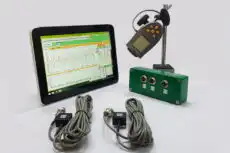
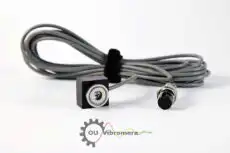
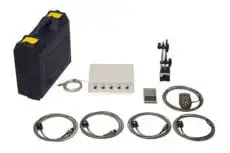
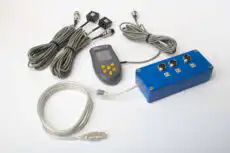
Priority 1 মেশিনের জন্য continuous protection system হলো প্রথম প্রতিরক্ষা, কিন্তু অনেক নির্ণয় ও সংশোধনী কাজ এখনও পোর্টেবল যন্ত্র দিয়ে করা হয় — বিশেষ করে Priority 2 ও 3 সম্পদে, যেখানে স্থায়ী instrumentation যুক্তিসঙ্গত নয়, এবং ক্রিটিক্যাল মেশিনগুলোর মেরামতের সময়ও। যখন ভারসাম্যহীনতা নির্ণয় করা হয়, তখন তা প্রায়ই সাইটেই সংশোধন করা হয় ফিল্ড ব্যালেন্সিং রোটরকে ব্যালান্সিং ওয়ার্কশপে খুলে নিয়ে যাওয়ার পরিবর্তে। এর মতো একটি পোর্টেবল দুই-চ্যানেলের বিশ্লেষক Balanset-1A 1× পরিমাপ করে বিস্তার এবং দশা মেশিনের নিজস্ব বিয়ারিংয়ে অপারেটিং গতিতে ব্যালান্সিং করে এবং সাইটেই সংশোধনী ওজন গণনা করে, ফলে একটি গুরুত্বপূর্ণ সম্পদকে দ্রুত এবং ব্যয়বহুল বিচ্ছিন্নকরণ ছাড়াই আবার চালু করা যায়। এইভাবে ব্যবহৃত হলে, সঠিক ফিল্ড যন্ত্রটি সেই একই ঝুঁকি-ভিত্তিক কৌশলের অংশ, যা শুরুতেই গুরুত্বপূর্ণ যন্ত্রপাতিকে সংজ্ঞায়িত করে: ব্যর্থতার পরিণতির সঙ্গে হস্তক্ষেপের মাত্রাকে মিলিয়ে নেওয়া।

