ความเข้าใจเกี่ยวกับเครื่องจักรที่สำคัญ





เครื่องจักรที่สำคัญ คืออุปกรณ์ที่หากขัดข้องจะก่อให้เกิดผลกระทบรุนแรง — การสูญเสียการผลิตครั้งใหญ่ อันตรายด้านความปลอดภัย การรั่วไหลสู่สิ่งแวดล้อม หรือค่าใช้จ่ายซ่อมแซมที่สูงมาก — และจึงสมควรได้รับการติดตาม การบำรุงรักษา และการป้องกันในระดับสูงสุด โดยปกติความวิกฤตจะกำหนดผ่านการประเมินความเสี่ยงอย่างเป็นทางการ ซึ่งชั่งน้ำหนักความน่าจะเป็นของความขัดข้องเทียบกับผลกระทบ (ต่อการผลิต ความปลอดภัย สิ่งแวดล้อม ต้นทุน) และเทียบกับความพร้อมของอุปกรณ์สำรอง เครื่องจักรวิกฤตมักคิดเป็น 5–20% แรกของสินทรัพย์ในโรงงาน และเป็นกลุ่มที่คุ้มค่ากับ การตรวจสอบอย่างต่อเนื่องแบบออนไลน์, เซนเซอร์สำรอง ความสามารถในการหยุดเครื่องอัตโนมัติ และการติดตามสภาพที่เข้มข้นที่สุด การบำรุงรักษาเชิงคาดการณ์ ความพยายาม
การทราบอย่างแม่นยำว่าอุปกรณ์ใดมีความวิกฤตจริง คือสิ่งที่ทำให้สามารถจัดสรรทรัพยากรได้อย่างเหมาะสม มันช่วยมุ่งเทคโนโลยีติดตามราคาแพงและทักษะผู้เชี่ยวชาญที่มีจำกัดไปยังเครื่องจักรที่หากขัดข้องจะเจ็บหนักที่สุด ขณะที่อุปกรณ์ที่เหลือใช้แนวทางที่ง่ายและต้นทุนต่ำกว่าได้ ความแตกต่างนี้ — ระหว่างสินทรัพย์ที่ห้ามขัดข้องโดยไม่คาดคิดกับสินทรัพย์ที่หากขัดข้องก็เป็นเพียงความไม่สะดวก — คือรากฐานของทุกโปรแกรมความเชื่อถือได้สมัยใหม่
1. ปัจจัยในการประเมินความวิกฤต
มีปัจจัยกว้าง ๆ สี่ประการที่กำหนดว่าเครื่องจักรจะอยู่ระดับใดบนสเกลความวิกฤต
ผลกระทบต่อการผลิต
- จุดล้มเหลวจุดเดียว: ไม่มีเครื่องสำรองหรืออะไหล่สำรอง ดังนั้นการขัดข้องจะทำให้สายการผลิตหรือกระบวนการทั้งหมดหยุดลง การสูญเสียการผลิตมากกว่าโดยประมาณ $10,000/ชั่วโมง เป็นเกณฑ์ที่พบได้บ่อย และมีความวิกฤตสูงสุด
- อุปกรณ์คอขวด: จำกัดกำลังการผลิตรวมของทั้งโรงงาน โดยไม่มีทางเบี่ยงหลบได้ ดังนั้นการขัดข้องของมันจะดึงผลผลิตของโรงงานทั้งหมดลง
- เวลาในการซ่อมนาน: การซ่อมใช้เวลามากกว่า 24–48 ชั่วโมง ระยะเวลาจัดหาอะไหล่นานเกินหนึ่งสัปดาห์ หรือต้องใช้ผู้รับเหมาผู้เชี่ยวชาญ — ซึ่งล้วนหมายถึงการหยุดเดินเครื่องที่ยาวนาน เวลาหยุดทำงาน แม้จะมีอุปกรณ์สำรองอยู่ก็ตาม
ข้อควรพิจารณาด้านความปลอดภัย
- ความปลอดภัยของบุคลากร: ความขัดข้องที่อาจทำให้ผู้ปฏิบัติงานหรือช่างบำรุงรักษาได้รับบาดเจ็บ
- อุปกรณ์หมุน: ใบพัดหลุดหรือเพลาหักก่อให้เกิดอันตรายจากการกระเด็น
- ภาชนะรับความดัน: ความเสี่ยงของการแตกพังรุนแรง
- งานที่เกี่ยวข้องกับสารพิษหรือสารไวไฟ: การปล่อยวัสดุอันตราย
- ไฟไหม้หรือการระเบิด: แหล่งจุดติดไฟหรือการรั่วไหลของเชื้อเพลิง
ผลกระทบต่อสิ่งแวดล้อม
- ความล้มเหลวของซีล การปล่อยสารพิษหรือสารก่อมลพิษ
- การละเมิดข้อกำหนดทางกฎหมายที่เกิดจากการปล่อยเหล่านั้น
- ค่าใช้จ่ายในการทำความสะอาดและค่าปรับ
- ความเสียหายต่อชื่อเสียงต่อสาธารณะและความเสี่ยงทางกฎหมาย
ค่าใช้จ่ายในการซ่อมและเปลี่ยนทดแทน
- มูลค่าอุปกรณ์มากกว่า $500,000–1,000,000
- ค่าใช้จ่ายในการซ่อมมากกว่า $100,000
- ศักยภาพที่จะเกิดความเสียหายต่อเนื่อง — เช่น ตลับลูกปืนที่เสียจนทำลายเพลา ซึ่งในกรณีนี้ ความเสียหายของตลับลูกปืน ลุกลามเป็นความเสียหายที่มีต้นทุนสูงกว่ามาก
- ความเสียหายลูกโซ่ต่ออุปกรณ์ข้างเคียง
2. ระบบการจัดชั้นความวิกฤต
โรงงานส่วนใหญ่จัดสินทรัพย์ออกเป็นสามระดับความสำคัญ โดยแต่ละระดับมีแนวทางการติดตามและบำรุงรักษาที่สอดคล้องกัน
| ระดับ | ผลกระทบ & ความซ้ำซ้อนสำรอง | การติดตาม | การซ่อมบำรุง | สัดส่วนของกลุ่มเครื่องจักร |
|---|---|---|---|---|
| วิกฤต (ลำดับความสำคัญ 1) | รุนแรง (ความปลอดภัย สิ่งแวดล้อม หรือ > $100k); ไม่มีระบบสำรอง | เฝ้าติดตามออนไลน์อย่างต่อเนื่องพร้อมระบบป้องกัน | เชิงพยากรณ์แบบเข้มข้น; ตอบสนองทันที | 5–10% |
| สำคัญ (ลำดับความสำคัญ 2) | มีนัยสำคัญแต่ไม่รุนแรง; มีระบบสำรองจำกัดหรือมีทางแก้ชั่วคราว | รายเดือน ตามเส้นทาง หรือแบบออนไลน์พื้นฐาน | เชิงพยากรณ์เป็นประจำ; แทรกแซงตามแผน | 20–30% |
| ทั่วไป (ลำดับความสำคัญ 3) | ปานกลาง; มีระบบสำรองหรือผลกระทบจัดการได้ | การสำรวจรายไตรมาสหรือใช้งานจนขัดข้อง | เชิงป้องกันหรือเชิงแก้ไขเมื่อเสีย | 60–70% |
3. ตัวอย่างของเครื่องจักรวิกฤต
ฉลากนี้ขึ้นกับอุตสาหกรรม แต่รูปแบบต้นแบบเดียวกันเกิดซ้ำในหลายภาคส่วน
- การผลิตไฟฟ้า: กังหันไอน้ำ-เครื่องกำเนิดหลัก กังหันก๊าซ ปั๊มน้ำป้อนหม้อไอน้ำ และปั๊มน้ำหมุนเวียน
- น้ำมันและก๊าซ: คอมเพรสเซอร์หลักในกระบวนการ ปั๊มท่อส่ง อุปกรณ์แท่นนอกชายฝั่ง และปั๊มงานวิกฤตในโรงกลั่น
- การผลิต: ไดรฟ์หลักของสายการผลิต อุปกรณ์กระบวนการต่อเนื่อง เครื่องจักรคอขวด และอุปกรณ์เฉพาะทางมูลค่าสูง
สิ่งที่เหมือนกันคือแต่ละรายการเป็นสินทรัพย์ขนาดใหญ่ ราคาสูง หมุน ที่มีความซ้ำซ้อนน้อยหรือไม่มีเลย — เป็นกลุ่มที่ การวิเคราะห์การสั่นสะเทือน ให้ผลตอบแทนสูงสุด
4. กลยุทธ์การติดตามและการบำรุงรักษา
สำหรับสินทรัพย์ลำดับความสำคัญ 1 กลยุทธ์จะเข้มข้นโดยเจตนา เพราะผลเสียจากความขัดข้องแบบไม่คาดคิดสูงกว่าต้นทุนของการเฝ้าระวังมาก:
- การติดตาม: ออนไลน์อย่างต่อเนื่อง หรืออย่างน้อยที่สุดวัดทุกวัน
- การวิเคราะห์: โดยละเอียด การวิเคราะห์สเปกตรัม และเทคนิคขั้นสูง เช่น การวิเคราะห์ซองสัญญาณ.
- การติดตามแนวโน้ม: แบบเรียลไทม์ พร้อมการเตือนทันที
- การป้องกัน: หยุดเครื่องอัตโนมัติเมื่อเกินค่าขีดจำกัดวิกฤต
- การซ่อมบำรุง: เชิงพยากรณ์ พร้อมตอบสนองทันทีต่อทุกปัญหาที่เริ่มก่อตัว
- อะไหล่: มีอะไหล่วิกฤตสำรองไว้ในคลัง
- ทรัพยากร: ผู้เชี่ยวชาญเฉพาะทางประจำและการเข้าถึงแบบลำดับความสำคัญ
เครื่องจักรที่ติดตั้งเครื่องมือวัดถาวรมักได้รับการป้องกันตามมาตรฐานที่ยอมรับ — API 670 สำหรับระบบป้องกันเอง และชุดมาตรฐาน ISO 20816 (ซึ่งเข้ามาแทน ISO 10816 รุ่นเก่า) สำหรับการประเมิน ความรุนแรงของการสั่นสะเทือน.
เหตุผลด้านการลงทุน
- ระบบติดตามออนไลน์ที่มีราคา $20k–100k ถือว่าเล็กน้อยเมื่อเทียบกับความขัดข้องที่อาจมีมูลค่าหลายล้าน
- การป้องกันความขัดข้องรุนแรงเพียงครั้งเดียวก็มักคุ้มค่ากับระบบทั้งหมด
- สำหรับอุปกรณ์ที่วิกฤตจริง ระยะเวลาคืนทุนมักน้อยกว่าหนึ่งปี — เป็นเหตุผลด้าน ROI ที่ เครื่องคำนวณ ROI การบำรุงรักษาเชิงคาดการณ์ และ เครื่องคำนวณต้นทุนเวลาหยุดทำงาน สามารถทำให้เห็นเป็นรูปธรรมได้
5. การทบทวนความวิกฤต
ความวิกฤตไม่ได้คงที่ มันเปลี่ยนไปตามโรงงานและอุปกรณ์ จึงต้องมีการทบทวนซ้ำ
การประเมินซ้ำเป็นระยะ
- ทบทวนการจัดชั้นอย่างน้อยปีละครั้ง
- การเปลี่ยนแปลงกระบวนการอาจเพิ่มหรือลดความวิกฤตของเครื่องจักร
- การติดตั้งอุปกรณ์สำรองใหม่ช่วยลดความวิกฤต
- การเสื่อมอายุเพิ่มความน่าจะเป็นของความขัดข้อง ทำให้เครื่องจักรขยับขึ้นสู่ระดับสูงกว่า
เอกสารประกอบ
- ดูแลทะเบียนความวิกฤตที่ครอบคลุมอุปกรณ์ทั้งหมด
- บันทึกเหตุผลประกอบสำหรับการจัดชั้นวิกฤตแต่ละรายการ
- เก็บบันทึกการทบทวนและการอนุมัติ
- อัปเดตทะเบียนเมื่อเงื่อนไขเปลี่ยนแปลง
6. บทบาทของเครื่องมือภาคสนาม
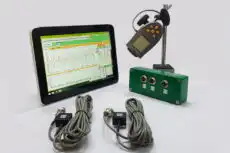
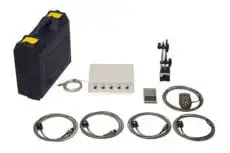
ระบบป้องกันแบบต่อเนื่องคือแนวป้องกันด่านแรกสำหรับเครื่องจักรลำดับความสำคัญ 1 แต่การวินิจฉัยและการแก้ไขจำนวนมากยังคงเกิดขึ้นด้วยเครื่องมือพกพา — โดยเฉพาะกับสินทรัพย์ลำดับความสำคัญ 2 และ 3 ที่ไม่คุ้มกับการติดตั้งเครื่องมือถาวร และระหว่างการซ่อมเครื่องจักรวิกฤตเอง เมื่อวินิจฉัยพบความไม่สมดุล มักจะแก้ไข ณ จุดใช้งานด้วย การถ่วงสมดุลภาคสนาม แทนที่จะถอดโรเตอร์ไปยังโรงถ่วงสมดุล เครื่องวิเคราะห์แบบสองช่องสัญญาณพกพา เช่น Balanset-1A วัดขนาด 1× แอมพลิจูดและเฟส ในตลับลูกปืนจริงของเครื่องที่ความเร็วใช้งาน และคำนวณน้ำหนักแก้ไขหน้างาน ช่วยคืนเครื่องจักรวิกฤตสู่การใช้งานได้อย่างรวดเร็วโดยไม่ต้องถอดประกอบที่มีต้นทุนสูง เมื่อนำมาใช้เช่นนี้ เครื่องมือภาคสนามที่เหมาะสมจึงเป็นส่วนหนึ่งของกลยุทธ์ตามความเสี่ยงเดียวกันที่นิยามเครื่องจักรวิกฤตตั้งแต่แรก: จับคู่ระดับการแทรกแซงให้สอดคล้องกับผลกระทบของความขัดข้อง

