ঘূর্ণায়মান যন্ত্রপাতিতে Shaft Whip বোঝা

শ্যাফট হুইপ — যা পরিচিত অয়েল হুইপ যখন এটি hydrodynamic bearing-এ উৎপন্ন হয় — তখন এটি একটি গুরুতর ধরনের রোটর অস্থিতিশীলতা যা সহিংস স্ব-উত্তেজিত কম্পন দ্বারা চিহ্নিত। এটি দেখা দেয় যখন fluid-film bearing-এ চলা একটি rotor একটি সমালোচনামূলক সীমা গতি অতিক্রম করে, সাধারণত প্রথম ক্রিটিক্যাল স্পিড-এর প্রায় দ্বিগুণ। একবার whip শুরু হলে, কম্পনের ফ্রিকোয়েন্সি rotor-এর প্রথম “লক” হয়ে যায় প্রাকৃতিক কম্পাঙ্ক এবং পরবর্তী speed increase যাই হোক না কেন সেখানেই থাকে; amplitude কেবল bearing clearance — অথবা বিপর্যয়কর ব্যর্থতা — দ্বারাই সীমাবদ্ধ হয়। এটি high-speed machinery-তে সবচেয়ে বিপজ্জনক অবস্থাগুলোর একটি, কারণ এটি হঠাৎ তৈরি হয়, কয়েক সেকেন্ডের মধ্যে ধ্বংসাত্মক স্তরে পৌঁছে যায়, এবং ব্যালেন্সিং বা অন্য কোনো প্রচলিত সংশোধনে এটি নিরাময় করা যায় না। পুনরাবৃত্তি ঠেকাতে bearing system-এ পরিবর্তনের আগে এটিৎক্ষণাত shutdown প্রয়োজন।
1. অগ্রগতি: Oil Whirl থেকে Shaft Whip
Whip সাধারণত কোনো সতর্কতা ছাড়া আসে না — এটি চার-ধাপের একটি অগ্রগতির শেষ বিন্দু, যা সতর্ক বিশ্লেষক ধ্বংসাত্মক পর্যায়ে পৌঁছানোর অনেক আগেই ধরে ফেলতে পারেন।
ধাপ 1 — স্থিতিশীল অপারেশন
- রোটর অস্থিতিশীলতার সীমা থেকে নিচে চলছে।
- শুধুমাত্র স্বাভাবিক জোর প্রয়োগকৃত কম্পন থেকে অসাম্য উপস্থিত থাকে।
- বেয়ারিং তেলের ফিল্ম স্থিতিশীল, সু-নিমজ্জিত সহায়তা প্রদান করে।
পর্যায় ২ — তেল ঘূর্ণনের শুরু
গতি প্রথম সমালোচনামূলক গতির প্রায় ২ গুণ অতিক্রম করলে, অয়েল হুইর্ল শুরু হয়:
- A সাব-সিনক্রোনাস কম্পন শাফ্ট গতির প্রায় ০.৪৩–০.৪৮ গুণে প্রদর্শিত হয়।
- প্রশস্ততা প্রাথমিকভাবে মধ্যম এবং গতি-নির্ভর।
- ঘূর্ণন ফ্রিকোয়েন্সি শাফ্ট গতির সাথে আনুপাতিকভাবে বৃদ্ধি পায়।
- এটি বিরামচিহ্ন বা অবিরত হতে পারে।
- এটি অসামঞ্জস্যতা থেকে স্বাভাবিক ১× কম্পনের সাথে সহাবস্থান করতে পারে।
পর্যায় ৩ — হোয়িপ রূপান্তর
যখন ঊর্ধ্বমুখী তেল-ঘূর্ণন ফ্রিকোয়েন্সি প্রথম প্রাকৃতিক ফ্রিকোয়েন্সির সাথে মেলে, আচরণ হঠাৎ পরিবর্তিত হয়:
- ফ্রিকোয়েন্সি তালাবদ্ধতা: কম্পনের ফ্রিকোয়েন্সি গতি অনুসরণ করা বন্ধ করে এবং প্রাকৃতিক ফ্রিকোয়েন্সিতে নিজেকে আটকে দেয়।
- অনুরণন বর্ধন: প্রশস্ততা নাটকীয়ভাবে বৃদ্ধি পায় কারণ সিস্টেমটি এখন রেজোন্যান্স.
- আকস্মিক সূচনা: ঘূর্ণন থেকে হোয়িপে রূপান্তর কার্যকরভাবে তাৎক্ষণিক হতে পারে।
- গতির ওপর নির্ভরশীল নয়: আরও গতি বৃদ্ধি আর ফ্রিকোয়েন্সি পরিবর্তন করে না — শুধুমাত্র প্রশস্ততা।
পর্যায় ৪ — শাফ্ট হোয়িপ (সমালোচনামূলক অবস্থা)
- কম্পন একটি ধ্রুবক ফ্রিকোয়েন্সিতে বসে — প্রথম প্রাকৃতিক ফ্রিকোয়েন্সি, সাধারণত ৪০–৬০ Hz।
- প্রশস্ততা সাধারণ অসামঞ্জস্য কম্পনের ৫–২০ গুণে পৌঁছায়।
- শ্যাফ্ট তার বিয়ারিং ক্লিয়ারেন্স সীমায় আঘাত করতে পারে।
- বিয়ারিং এবং তেল দ্রুত উত্তপ্ত হয়।
- মেশিন বন্ধ না করা হলে কয়েক মিনিটের মধ্যেই বিপর্যয়মূলক ব্যর্থতা ঘটতে পারে।
2. ফিজিক্যাল মেকানিজম
হুইপ বিয়ারিং তেলের ফ্লুইড ডাইনামিক্স দ্বারা চালিত হয়, যেই কারণে এটি ভারসাম্য করে দূর করা যায় না — অস্থিতিশীল শক্তি একটি ভারী স্থান থেকে নয়, লুব্রিক্যান্ট থেকে আসে। সিকোয়েন্সটি নিম্নরূপ চলে:
- অয়েল-ওয়েজ গঠন: ঘূর্ণায়মান শ্যাফ্ট বিয়ারিংয়ের চারপাশে লুব্রিক্যান্ট নিয়ে যায়, একটি চাপপ্রাপ্ত ওয়েজ তৈরি করে।
- ট্যাঞ্জেনশিয়াল বল: সেই ওয়েজটি জার্নালে একটি দিকে চাপ দেয় যা রেডিয়াল অফসেটের লম্ব — একটি ক্রস-কাপল্ড, ট্যাঞ্জেনশিয়াল বল।
- অরবিট গতি: ট্যাঞ্জেনশিয়াল বল শ্যাফ্ট কেন্দ্রকে চালিত করে হুইর্ল একটি অরবিট আনুমানিক অর্ধ শ্যাফ্ট গতিতে।
- শক্তি নিষ্কাশন: ঘূর্ণায়মান গতি শ্যাফ্টের ঘূর্ণন থেকে শক্তি বের করে নেয় নিজেকে টিকিয়ে রাখার জন্য — স্ব-উত্তেজিত কম্পনের বৈশিষ্ট্য।
- অনুরণন তালা: যখন কক্ষপথের ফ্রিকোয়েন্সি প্রাকৃতিক ফ্রিকোয়েন্সির সাথে মিলে যায়, অনুরণন গতি বৃদ্ধি করে।
- লিমিট সাইকেল: বিয়ারিং ক্লিয়ারেন্স বা ব্যর্থতার দ্বারা আয়াম বৃদ্ধি পায় যতক্ষণ না এটি সীমাবদ্ধ হয়।
উত্তেজক বল লুব্রিক্যান্টের আচরণের সাথে স্কেল করার কারণে, যেকোনো কিছু যা তেল-ফিল্মের কঠোরতা বা সিস্টেম বৃদ্ধি করে ড্যাম্পিং অস্থিতিশীলতা শুরু হওয়ার গতি বৃদ্ধি করে।
৩. ডায়াগনস্টিক পরিচয়
শ্যাফ্ট হুইপ কম্পন ডেটায় একটি অনস্বীকার্য ফিঙ্গারপ্রিন্ট রেখে যায়, যা সঠিক প্লট পর্যালোচনা করলে প্রাথমিক স্বীকৃতি সম্ভব করে তোলে।
কম্পন স্বাক্ষর
- স্পেকট্রাম: সাব-সিঙ্ক্রোনাস (প্রথম প্রাকৃতিক) ফ্রিকোয়েন্সিতে একটি বড় পিক যা গতি পরিবর্তন নির্বিশেষে স্থির থাকে।
- ওয়াটারফল প্লট: সাব-সিঙ্ক্রোনাস উপাদান একটি উল্লম্ব রেখা (ধ্রুবক ফ্রিকোয়েন্সি) হিসাবে প্রদর্শিত হয়, বরং গতি-সমানুপাতিক উপাদানের কর্ণ রেখা নয়।
- অর্ডার বিশ্লেষণ: ভগ্নাংশমূলক ক্রম যা হ্রাস পায় গতি বাড়ার সাথে সাথে — উদাহরণস্বরূপ 0.5× থেকে 0.4× থেকে 0.35×-এ সরে যাওয়া — কারণ গতি বাড়লেও কম্পাঙ্ক স্থির থাকে।
- অরবিট: প্রাকৃতিক কম্পনাঙ্কে একটি বৃহৎ বৃত্তাকার বা উপবৃত্তাকার কক্ষপথ।
A বোড প্লট গৃহীত কোস্টডাউন লকড সাব-সিঙ্ক্রোনাস লাইন সিঙ্ক্রোনাস ক্রান্তিক-গতি শিখর থেকে সম্পূর্ণভাবে আলাদা আচরণ করে বলে একটি প্রকৃত অনুনাদকে একটি হুইপ থেকে আরও আলাদা করে।
শুরু হওয়ার গতি
- সাধারণ সীমা মূল্য: প্রথম ক্রান্তিক গতির 2.0–2.5× গুণ।
- বিয়ারিং-নির্ভর: সঠিক সীমা মূল্য বেয়ারিং ডিজাইনের সাথে পরিবর্তিত হয়, প্রি-লোড এবং তেলের সান্দ্রতা।
- আকস্মিক সূচনা: অল্প গতি বৃদ্ধি রোটরকে স্থিতিশীল থেকে সম্পূর্ণ অস্থিতিশীল অবস্থায় নিয়ে যেতে পারে।
৪. প্রতিরোধ কৌশল
হুইপ ভারসাম্য দ্বারা দূর করা যায় না বলে, প্রতিরোধ জার্নাল বেয়ারিং এবং মেশিন কীভাবে পরিচালনা করা হয় তার উপর দৃষ্টি নিবদ্ধ করে।
বেয়ারিং ডিজাইন সংশোধন
1. টিল্টিং-প্যাড বেয়ারিং — সবচেয়ে কার্যকর সমাধান। প্যাডগুলি স্বাধীনভাবে পিভট করে, অস্থিতিশীলতা সৃষ্টিকারী ক্রস-কাপলিং বল দূর করে; তারা বিস্তৃত গতি পরিসর জুড়ে স্বাভাবিকভাবে স্থিতিশীল এবং উচ্চ-গতির টার্বোযন্ত্রের জন্য শিল্প মান।
2. চাপ-বাঁধ বেয়ারিং — একটি খাঁজ বা বাঁধ সহ সংশোধিত সিলিন্ডারাকার বেয়ারিং যা কার্যকর ড্যাম্পিং এবং কঠোরতা বৃদ্ধি করে; টিল্টিং-প্যাডের চেয়ে সস্তা কিন্তু কম কার্যকর।
3. বেয়ারিং প্রাথমিক লোড — রেডিয়াল প্রাথমিক লোড প্রয়োগ করা (প্রায়শই অফসেট-বোর ডিজাইনের মাধ্যমে) কঠোরতা বৃদ্ধি করে এবং অস্থিতিশীলতা সীমা উচ্চতর করে।
4. স্কুইজ-ফিল্ম ড্যাম্পার — বেয়ারিং ঘিরে একটি বাহ্যিক ড্যাম্পিং উপাদান যা নিজেই বেয়ারিং পুনর্ডিজাইন না করে ড্যাম্পিং যোগ করে, রেট্রোফিটের জন্য উপযুক্ত।
পরিচালনামূলক ব্যবস্থা
- গতি সীমাবদ্ধতা: সর্বোচ্চ গতি প্রথম সমালোচনামূলক মানের নিচে রাখুন — সাধারণত ১.৮ গুণের চেয়ে কম।
- লোড ব্যবস্থাপনা: যখন সম্ভব উচ্চতর বিয়ারিং লোডে পরিচালনা করুন, কারণ লোড ড্যাম্পিং বৃদ্ধি করে।
- তেল-তাপমাত্রা নিয়ন্ত্রণ: শীতল তেল আরও সান্দ্র এবং আরও স্থিতিশীল।
- পর্যবেক্ষণ: অবিরাম কম্পন পর্যবেক্ষণ উপ-সিঙ্ক্রোনাস ব্যান্ড বিশেষভাবে পর্যবেক্ষণ করে সতর্কতা সহ।
৫. পরিণতি এবং ক্ষতি
তাৎক্ষণিক প্রভাব
- হিংস্র কম্পন: প্রশস্ততা কয়েক মিলিমিটার (শত শত মিল) এ পৌঁছাতে পারে।
- শব্দ: একটি জোরালো, স্বতন্ত্র শব্দ যা সাধারণ অপারেশনের থেকে একেবারেই আলাদা।
- দ্রুত বিয়ারিং উষ্ণায়ন: তাপমাত্রা কয়েক মিনিটের মধ্যে 20–50 °C পর্যন্ত বাড়তে পারে।
- তেল অবনতি: উচ্চ তাপমাত্রা এবং তীব্র শিয়ারিং লুব্রিক্যান্ট বিচ্ছিন্ন করে।
সম্ভাব্য ব্যর্থতা
- বিয়ারিং ওয়াইপ: ব্যাবিট আস্তরণ গলে যায় এবং মুছে ফেলা হয়।
- শ্যাফট ক্ষতি: খোদাই, গলন, বা স্থায়ী বাঁক।
- সিল ব্যর্থতা: অত্যধিক শাফট গতি সিল ধ্বংস করে।
- শাফট ভাঙা: হাই-সাইকেল ক্লান্তি হিংস্র দোলন থেকে।
- কাপলিং ক্ষতি: প্রেরিত বল কাপলিং ধ্বংস করে।
৬. সম্পর্কিত ঘটনা
অয়েল হুইর্ল
অয়েল হুইর্ল শ্যাফট চাপের পূর্বে ঘটে: একই যন্ত্রাণু, কিন্তু ফ্রিকোয়েন্সি এখনও প্রাকৃতিক ফ্রিকোয়েন্সিতে লক হয়নি। এর প্রশস্ততা কম, এর ফ্রিকোয়েন্সি গতি ট্র্যাক করে ~০.৪৩–০.৪৮×, এবং কিছু প্রয়োগে এটি সহনীয়।
স্টিম হুইর্ল
স্টিম হুইর্ল স্টিম টার্বাইনে একটি অনুরূপ অস্থিরতা যা লেবিরিন্থ সিলে বায়ুগতিশীল বল দ্বারা চালিত হয় বেয়ারিং তেল ফিল্মের পরিবর্তে। এটি একই উপ-সিঙ্ক্রোনাস কম্পন প্রদর্শন করে যা প্রাকৃতিক ফ্রিকোয়েন্সিতে লক হয়।
শুষ্ক-ঘর্ষণ শ্যাফট চাপ
এই রূপান্তর সীল অবস্থানে বা থেকে উদ্ভূত হয় রোটর-স্টেটর যোগাযোগ। ঘর্ষণ অস্থিরতার প্রক্রিয়া সরবরাহ করে; এটি তেল চাপের চেয়ে কম সাধারণ কিন্তু সমান বিপজ্জনক এবং একটি ভিন্ন প্রতিকারের দাবি করে — যোগাযোগ দূর করা বা সীল উন্নত করা।
৭. কেস স্টাডি: কম্প্রেসর শ্যাফট চাপ
পরিস্থিতি: সরল নলাকার বেয়ারিং-এ একটি উচ্চ-গতির কেন্দ্রীভূত কম্প্রেসর।
- স্বাভাবিক অপারেশন: ২,৫০০ মিমি/সেকেন্ড কম্পনের সাথে ১২,০০০ আরপিএম।
- গতি বৃদ্ধি: অপারেটর আরও ক্ষমতার জন্য ১৩,৫০০ আরপিএম-এ চাপ দিয়েছেন।
- শুরু: ১৩,২০০ আরপিএম-এ আকস্মিক তীব্র কম্পন দেখা দেয়।
- লক্ষণ: 105 Hz-এ স্থির থেকে 25 mm/s; বিয়ারিং তাপমাত্রা তিন মিনিটে 70 °C থেকে 95 °C-এ বেড়েছে।
- জরুরি পদক্ষেপ: তাৎক্ষণিক বন্ধ একটি বেয়ারিং ব্যর্থতা প্রতিরোধ করেছে।
- মূল কারণ: প্রথম ক্রিটিক্যাল স্পিড ছিল 6,300 rpm (105 Hz); 13,200 rpm-এ রোটর প্রায় 2× ক্রিটিক্যাল ≈ 12,600 rpm-এর হুইপ থ্রেশহোল্ড অতিক্রম করে, এবং কম্পন 105 Hz প্রথম প্রাকৃতিক কম্পাঙ্কে আটকে যায়।
- সমাধান: সরল বেয়ারিং টিল্টিং-প্যাড বেয়ারিং দিয়ে প্রতিস্থাপিত হয়েছিল, ১৫,০০০ আরপিএম পর্যন্ত নিরাপদ অপারেশন সক্ষম করে।
৮. মান, অনুশীলন এবং ক্ষেত্র সরঞ্জাম
- API 684: উচ্চ-গতির টার্বোমেশিনারির জন্য একটি রোটরডায়নামিক স্থিতিশীলতা বিশ্লেষণের প্রয়োজন।
- API 617: কেন্দ্রীভূত কম্প্রেসরের জন্য বেয়ারিং প্রকার এবং স্থিতিশীলতার প্রয়োজনীয়তা নির্দিষ্ট করে।
- ISO 10814: স্থিতিশীলতার জন্য বেয়ারিং নির্বাচনে নির্দেশনা প্রদান করে।
- শিল্প অনুশীলন: তরঙ্গায়িত প্যাড বেয়ারিংগুলি প্রথম সমালোচনামূলক গতির ২ গুণের উপরে চলমান সরঞ্জামের জন্য মান।
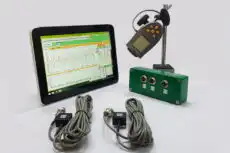
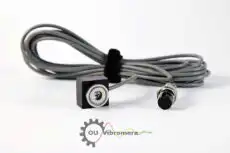
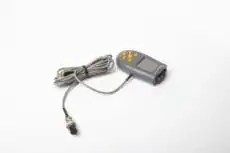
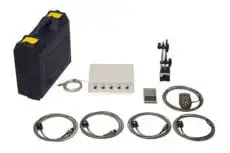
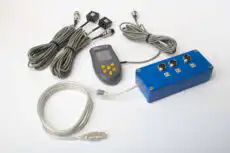
ক্ষেত্রে, দৈনন্দিন সুরক্ষা হল ঘূর্ণায়মান শাফট কখনই ঘূর্ণাবর্ত অবস্থায় পৌঁছানোর আগেই পূর্বসূচক সংকেত ধরা পড়া। পোর্টেবল দ্বি-চ্যানেল বিশ্লেষক যেমন Balanset-1A একটি প্রকৌশলীকে প্রশস্ততা রেকর্ড করতে দেয়, ফেজ এবং নিয়ন্ত্রিত চালু প্রক্রিয়াকরণের সময় বর্ণালী পর্যবেক্ষণ করতে এবং সাব-সিঙ্ক্রোনাস ব্যান্ড সরাসরি দেখতে দেয় — যদি একটি স্থিতিশীল ১× স্বাক্ষর হঠাৎ প্রথম প্রাকৃতিক ফ্রিকোয়েন্সির কাছাকাছি একটি লক্ষ্যবস্তু, গতি-স্বাধীন শিখর বৃদ্ধি পায়, তাহলে ঘূর্ণায়মান শাফট ঘূর্ণাবর্ত অবস্থার প্রান্তে রয়েছে এবং গতি হ্রাস করা আবশ্যক। একই যন্ত্রপাতি পরবর্তীকালে নিশ্চিত করে যে অন্তর্নিহিত ভারসাম্যহীনতা সহনশীলতার মধ্যে রয়েছে, এটিকে অবদানশীল উদ্দীপনা হিসাবে বাদ দেয়। শাফট ঘূর্ণাবর্ত একটি বিপর্যয়কর ব্যর্থতার মোড যা সঠিক বেয়ারিং নির্বাচন এবং নকশার মাধ্যমে সর্বোত্তমভাবে পরিচালিত হয়; এর স্বতন্ত্র সাব-সিঙ্ক্রোনাস, ফ্রিকোয়েন্সি-লক্ষ্যবস্তু স্বাক্ষর স্বীকৃতি দ্রুত রোগ নির্ণয় এবং ব্যয়বহুল উচ্চ-গতির সরঞ্জাম রক্ষা করে এমন সিদ্ধান্তমূলক জরুরি প্রতিক্রিয়া সক্ষম করে।

