কম্পন পর্যবেক্ষণ বোঝা






কম্পন পর্যবেক্ষণ যন্ত্রপাতিতে কম্পনের মাত্রা নিয়মিত পরিমাপ এবং রেকর্ড করার অনুশীলন ভাইব্রেশন এর মাত্রা যন্ত্রের অবস্থা মূল্যায়ন করতে এবং সময়ের সাথে এর স্বাস্থ্য ট্র্যাক করতে কম্পন ডায়াগনস্টিক্স যা গভীর বিশ্লেষণে মনোনিবেশ করে মূল কারণ খুঁজে বের করতে, পর্যবেক্ষণ প্রধানত ত্রুটি সনাক্তকরণে নিয়োজিত পরিবর্তন মূল নীতিটি সহজ কিন্তু শক্তিশালী: স্বাস্থ্যকর যন্ত্রপাতি স্থিতিশীল, তাই কম্পনে উল্লেখযোগ্য পরিবর্তন একটি উন্নয়নশীল ত্রুটির স্পষ্ট ইঙ্গিত। কম্পন পর্যবেক্ষণ যেকোনো অবস্থা-ভিত্তিক রক্ষণাবেক্ষণ (CBM) প্রোগ্রাম।
স্পট চেক সাধারণত একটি পোর্টেবল ভাইব্রোমিটার ব্যবহার করে করা হয়, যতক্ষণ না ক্রমাগত মনিটরিং যুক্তিসঙ্গত হয়ে ওঠে।
১. সংজ্ঞা: কম্পন পর্যবেক্ষণ কী?
মূলত, পর্যবেক্ষণ অনুসন্ধানের চেয়ে পর্যবেক্ষণ সম্পর্কে। একটি পর্যবেক্ষণ সিস্টেম একটি নির্ধারিত পরিমাপ পয়েন্টের সেট দেখে এবং যে মুহূর্তে রিডিং ঐতিহাসিক মূল্য থেকে সরে যায় তখনই একটি সতর্কতা প্রদান করে। এটি নিজেই কেন রিডিং পরিবর্তিত হয়েছে তা ব্যাখ্যা করে না — সেটি বিশ্লেষকের কাজ — কিন্তু এটি নির্ভরযোগ্যভাবে আপনাকে বলে যে কিছু পরিবর্তিত হয়েছে, এবং প্রায়শই একটি ব্যর্থতার সপ্তাহ বা মাস আগে এটি করে।
পরিমাপ করা পরিমাণগুলি সাধারণত সামগ্রিক কম্পন স্তর (সাধারণত mm/s RMS-এ বেগ), এবং ক্রমবর্ধমান সম্পূর্ণ বর্ণালী এবং টাইম ওয়েভফর্ম প্রতিটি পয়েন্টে। পর্যবেক্ষণের মূল্য অসাধারণভাবে বৃদ্ধি পায় যখন সেই রিডিংগুলি সামঞ্জস্যপূর্ণভাবে, একই পয়েন্টে, একই একক-এ, রান-এর পর রান সংগ্রহ করা হয় — কারণ সামঞ্জস্য একটি অর্থপূর্ণ তুলনা সম্ভব করে যা।
২. কম্পন পর্যবেক্ষণ কী পরিমাপ করে?
প্রতিটি পর্যবেক্ষণ প্রোগ্রাম একটি পছন্দের উপর নির্ভর করে কোন ভৌত পরিমাণ পরিমাপ করতে হবে। তিনটি নিয়মিত ব্যবহারে রয়েছে, এবং প্রতিটি একটি ভিন্ন ফ্রিকোয়েন্সি পরিসরের জন্য সর্বোত্তম উপযুক্ত:
- অ্যাক্সিলারেশন (ত্বরণ) (পরিমাপ করা হয় g বা m/s²) উচ্চ-ফ্রিকোয়েন্সি ঘটনাগুলিকে জোর দেয় এবং একটি অ্যাক্সিলারোমিটার এর প্রাকৃতিক আউটপুট। এটি রোলিং-উপাদান বিয়ারিং ত্রুটি এবং গিয়ার-জাল সমস্যার জন্য সঠিক পরামিতি, যা উচ্চ ফ্রিকোয়েন্সিতে প্রকাশ পায়।
- ভেলোসিটি (বেগ) (mm/s RMS) সাধারণ যন্ত্রপাতি পর্যবেক্ষণের কর্মঘোড়া। এটি মাঝারি-ফ্রিকোয়েন্সি ব্যান্ডে মোটামুটি সমান ওজন দেয় যেখানে বেশিরভাগ ঘূর্ণনশীল-যন্ত্র ত্রুটি — অসাম্য, মিসঅ্যালাইনমেন্ট শিথিলতা — প্রদর্শিত হয়, যা কেন প্রায় প্রতিটি কম্পন মান বেগের পরিভাষায় লেখা।
- ডিসপ্লেসমেন্ট (সরণ) (µm, শিখর-থেকে-শিখর) প্রকৃত ভৌত গতিবিধি বর্ণনা করে এবং কম ফ্রিকোয়েন্সিতে প্রাধান্য বিস্তার করে। এটি তরল-ফিল্ম বিয়ারিং মেশিনগুলিতে পছন্দের প্যারামিটার, যেখানে একটি প্রক্সিমিটি প্রোব বিয়ারিংয়ের তুলনায় শাফ্টের গতিবিধি পরিমাপ করে।
একক “সামগ্রিক” সংখ্যার বাইরে, আধুনিক পর্যবেক্ষণ ফ্রিকোয়েন্সি ক্যাপচার করে স্পেকট্রাম এবং কাঁচা সময় তরঙ্গ, কারণ একই সামগ্রিক স্তর অত্যন্ত ভিন্ন ত্রুটি স্বাক্ষর লুকাতে পারে। শুরুতে সঠিক প্যারামিটার এবং ইউনিট নির্বাচন করাই পরবর্তীতে একটি সমীক্ষা থেকে পরবর্তী সমীক্ষায় কম্পনীয় পরিমাপ তুলনীয় করে তোলে।
৩. কম্পনীয় পর্যবেক্ষণ যন্ত্রপাতি এবং সেন্সর
একটি পর্যবেক্ষণ প্রোগ্রামের পিছনের হার্ডওয়্যার দুটি গোষ্ঠীতে পড়ে: সেন্সরগুলি যা গতিকে সংকেতে রূপান্তরিত করে, এবং যন্ত্রপাতি যা এটি সংগ্রহ এবং সংরক্ষণ করে।
সেন্সর
- অ্যাক্সিলারোমিটার — সবচেয়ে সাধারণ পছন্দ। মজবুত, বিস্তৃত ফ্রিকোয়েন্সি পরিসীমা, বিয়ারিং এবং গিয়ার পর্যবেক্ষণের জন্য আদর্শ।
- বেগ সংবেদক (একটি ভেলোমিটার) — স্ব-উৎপাদনশীল এবং মধ্য-ব্যান্ড যন্ত্রপাতি পাঠের সাথে ভালভাবে সামঞ্জস্যপূর্ণ।
- প্রক্সিমিটি প্রোব — অ-যোগাযোগ সেন্সর যা বড় টার্বোযন্ত্রপাতিতে স্লিভ বিয়ারিংয়ের ভিতরে শাফ্টের বিস্থাপন সরাসরি পর্যবেক্ষণ করে।
যন্ত্রপাতি
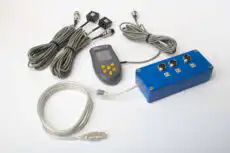
- বহনযোগ্য বিশ্লেষক এবং ডেটা সংগ্রাহক হাতে বহনযোগ্য যন্ত্র যা একটি পরিমাপ রুট হাঁটতে ব্যবহৃত হয়; দুই-চ্যানেল ক্ষেত্র ইউনিট যেমন Balanset-1A শুধুমাত্র ডেটা রেকর্ড করে না বরং একটি হিসাবেও কাজ করে কম্পন বিশ্লেষক এবং মাঠ ভারসাম্যকারী।
- অনলাইন নিরীক্ষণ হার্ডওয়্যার — স্থায়ীভাবে সংযুক্ত সেন্সর যা একটি র্যাক বা এজ ডিভাইসে সরবরাহ করে যা ক্রমাগত নমুনা নেয় এবং প্রতিটি পাঠ তার অ্যালার্ম নিয়মগুলির বিরুদ্ধে তুলনা করে।
যন্ত্রপাতি নির্বাচন মূলত জরুরিতার একটি প্রশ্ন: রুটিন মেশিনের একটি বৃহৎ জনসংখ্যা একটি ভাল বহনযোগ্য যন্ত্র দ্বারা সবচেয়ে ভালভাবে পরিবেশন করা হয়, যখন সমালোচনামূলক ট্রেনের একটি মুষ্টিমেয় নিবেদিত স্থায়ী হার্ডওয়্যার ন্যায্যতা দেয়।
৪. কম্পনীয় পর্যবেক্ষণ সিস্টেমের উপাদান
বহনযোগ্য বা স্থায়ী যাই হোক না কেন, একটি সম্পূর্ণ কম্পনীয় পর্যবেক্ষণ সিস্টেম একই যৌক্তিক শৃঙ্খল থেকে নির্মিত:
- সেন্সর সামঞ্জস্যপূর্ণ, পুনরাবৃত্তিযোগ্য পরিমাপ বিন্দুতে স্থাপিত।
- সংকেত অধিগ্রহণ — ডেটা-সংগ্রাহক বা DAQ যা সংকেত ডিজিটালাইজ করে এবং সামগ্রিক স্তর, বর্ণালী এবং তরঙ্গ গণনা করে।
- একটি ডেটাবেস যা প্রতিটি পাঠকে মেশিন এবং বিন্দুর বিরুদ্ধে সংরক্ষণ করে যাতে একটি ইতিহাস জমা হতে পারে।
- অ্যালার্ম লজিক যা প্রতিটি নতুন পাঠকে পরম সীমা এবং মেশিনের নিজস্ব সাথে তুলনা করে বেসলাইন.
- রিপোর্টিং এবং ট্রেন্ডিং ড্যাশবোর্ড যা কাঁচা সংখ্যাগুলিকে রক্ষণাবেক্ষণ দলগুলি আসলে কাজ করে এমন উর্ধ্বমুখী প্রবণতা লাইনে পরিণত করে।
এটি ডাটাবেস এবং প্রবণতা স্তরগুলি — সেন্সর নয় — যা একটি সত্যিকারের পর্যবেক্ষণ আলাদা করে সিস্টেম একটি এককালীন পরিমাপ থেকে।
৫. কম্পন পর্যবেক্ষণের প্রকারসমূহ
দুটি প্রাথমিক পদ্ধতি রয়েছে, প্রতিটি বিভিন্ন সরঞ্জাম এবং অপারেশনাল চাহিদার জন্য উপযুক্ত।
ক) পোর্টেবল (রুট-ভিত্তিক) পর্যবেক্ষণ
এটি সাধারণ-উদ্দেশ্যমূলক বা “প্ল্যান্ট ব্যালেন্স” যন্ত্রপাতি পর্যবেক্ষণের জন্য সবচেয়ে সাধারণ পদ্ধতি।
- প্রক্রিয়া: একজন প্রযুক্তিবিদ একটি পোর্টেবল ডেটা কালেক্টর এবং প্ল্যান্টের মধ্য দিয়ে একটি পূর্বনির্ধারিত “রুট” অনুসরণ করে, রুট-ভিত্তিক পরিমাপ নিয়মিত বিরতিতে প্রতিটি যন্ত্রের নির্দিষ্ট পয়েন্টে (উদাহরণস্বরূপ মাসিক বা ত্রৈমাসিক)।
- ডেটা বিশ্লেষণ: সংগৃহীত ডেটা একটি সফটওয়্যার ডাটাবেসে আপলোড করা হয়। সফটওয়্যার স্বয়ংক্রিয়ভাবে যেকোনো পরিমাপকে ফ্ল্যাগ করে যা উল্লেখযোগ্যভাবে বৃদ্ধি পেয়েছে বা একটি পূর্বনির্ধারিত অ্যালার্ম লেভেল অতিক্রম করেছে। একজন বিশ্লেষক তখন ফ্ল্যাগ করা ডেটা পর্যালোচনা করে যাতে সিদ্ধান্ত নেয় যে গভীর ডায়াগনস্টিক বিশ্লেষণ প্রয়োজনীয় কিনা।
- সুবিধা: বড় সংখ্যক যন্ত্রজুড়ে সাশ্রয়ী, নমনীয়, এবং এটি প্রযুক্তিবিদকে রুটের সময় সরঞ্জাম ভিজ্যুয়ালি পরিদর্শন করতে দেয়।
- অসুবিধাসমূহ: অনিয়মিত ডেটা সংগ্রহের অর্থ দ্রুত বিকাশমান ত্রুটি পরিদর্শনের মধ্যে মিস হতে পারে, এবং ডেটা গুণমান প্রযুক্তিবিদের দক্ষতা এবং সেন্সর মাউন্টিংয়ের উপর নির্ভর করে অসামঞ্জস্যপূর্ণ হতে পারে।
খ) স্থায়ী (অনলাইন) পর্যবেক্ষণ
এই পদ্ধতিটি সমালোচনামূলক, উচ্চ-মূল্যের বা দুর্গম যন্ত্রপাতির জন্য সংরক্ষিত যেখানে একটি ব্যর্থতা গুরুতর সুরক্ষা, পরিবেশগত বা আর্থিক পরিণতি বহন করবে।
- প্রক্রিয়া: সেন্সর যেমন অ্যাক্সিলোমিটার বা প্রক্সিমিটি প্রোব যন্ত্রের উপর স্থায়ীভাবে ইনস্টল করা হয় এবং একটি সিস্টেমের সাথে তারযুক্ত যা ক্রমাগত (২৪/৭) বা ঘন ঘন, প্রোগ্রাম করা বিরতিতে ডেটা সংগ্রহ করে।
- ডেটা বিশ্লেষণ: সেই অনলাইন সিস্টেম ক্রমাগত সতর্কতা সেটপয়েন্ট এবং পরিশীলিত বিশ্লেষণাত্মক নিয়মের বিরুদ্ধে ডেটা তুলনা করে। যদি একটি সতর্কতা ট্রিগার হয় তবে এটি স্বয়ংক্রিয়ভাবে টেক্সট, ইমেল বা নিয়ন্ত্রণ-সিস্টেম সতর্কতার মাধ্যমে কর্মীদের বিজ্ঞপ্ত করতে পারে এবং সবচেয়ে সমালোচনামূলক যন্ত্রে এটি একটিতে যুক্ত হতে পারে যন্ত্রপাতি সুরক্ষা ট্রিপ। উচ্চ-রেজোলিউশন ডেটা বিস্তৃত ঐতিহাসিক এবং ডায়াগনস্টিক বিশ্লেষণের জন্য সংরক্ষণ করা হয়।
- সুবিধা: সমালোচনামূলক সম্পদের জন্য সর্বোচ্চ সুরক্ষা, অস্থায়ী ইভেন্টগুলির ক্যাপচার যা একটি রুট কখনও ধরতে পারবে না, এবং অত্যন্ত প্রাথমিক ত্রুটি সনাক্তকরণ.
- অসুবিধাসমূহ: হার্ডওয়্যার এবং ইনস্টলেশনের জন্য উচ্চতর প্রাথমিক খরচ।
৬. ট্রেন্ডিং এর গুরুত্ব
কম্পনশীলতা পর্যবেক্ষণের সবচেয়ে শক্তিশালী দিক হল ট্রেন্ডিং। একটি একক কম্পনশীলতা পরিমাপের সীমিত মূল্য রয়েছে, তবে সময়ের সাথে সাথে একাধিক পরিমাপ একটি প্রবণতা লাইন তৈরি করে যা স্পষ্টভাবে দেখায় যে একটি যন্ত্রের অবস্থা কীভাবে বিকশিত হচ্ছে। ক্রমাগত ঊর্ধ্বমুখী প্রবণতা একটি অস্পষ্ট সতর্কতা যে একটি ত্রুটি অগ্রসর হচ্ছে, এবং এটি রক্ষণাবেক্ষণকে সক্রিয়ভাবে পরিকল্পনা করতে দেয় — যন্ত্রাংশ অর্ডার করা, শ্রম সময়সূচী এবং একটি বন্ধের উইন্ডো বেছে নেওয়া — একটি ব্যর্থতা ঘটার আগেই।
কম্পনশীলতা মান যেমন ISO 20816-1 (আধুনিক ISO 20816 series-এর সাধারণ অংশ; প্রচলিত industrial machine-এর machine-specific limit এখন ISO 20816-3-এ রয়েছে, যা প্রতিস্থাপন করেছে ISO 10816-3 সিরিজ) কম্পনশীলতা গুরুত্বকে চারটি মূল্যায়ন অঞ্চলে বিভক্ত করে: জোন A নতুন কমিশনপ্রাপ্ত যন্ত্রের জন্য, জোন B সীমাহীন দীর্ঘমেয়াদী অপারেশনের জন্য, জোন C যেখানে অপারেশন সীমিত সময়ের জন্য গ্রহণযোগ্য, এবং জোন D যেখানে কম্পনশীলতা ক্ষতি সৃষ্টি করতে যথেষ্ট গুরুতর। এই অঞ্চলের সীমা একটি চমৎকার সূচনা বিন্দু, কিন্তু সবচেয়ে কার্যকর অ্যালার্মগুলি একটি যন্ত্রের নিজস্ব ঐতিহাসিক ভিত্তি ডেটা থেকে সেট করা হয়: সেই ভিত্তির বিরুদ্ধে একটি আপেক্ষিক পরিবর্তন প্রায়শই একটি বিকশিত সমস্যা দীর্ঘ আগে প্রকাশ করে একটি পরম সীমা অতিক্রম করা হয়।
৭. পর্যবেক্ষণ বনাম বিশ্লেষণ
সম্পর্কটি এভাবে চিন্তা করতে সাহায্য করে:
পর্যবেক্ষণ সমস্যা খুঁজে পায়; বিশ্লেষণ সমস্যা সংজ্ঞায়িত করে।
কম্পনশীলতা পর্যবেক্ষণ ব্যবস্থা প্রতিরক্ষার প্রথম লাইন হিসাবে কাজ করে, স্বয়ংক্রিয়ভাবে সম্ভাব্য সমস্যাগুলি চিহ্নিত করার জন্য বিশাল পরিমাণে ডেটা সাধন করে। এটি দক্ষ বিশ্লেষককে সেই যন্ত্রগুলিতে সময় এবং দক্ষতা ফোকাস করতে মুক্ত করে যা প্রকৃতপক্ষে মনোযোগের প্রয়োজন, গভীর কম্পন বিশ্লেষণ সম্পাদন করার জন্য নির্দিষ্ট ত্রুটি নির্ণয় করতে এবং একটি সুনির্দিষ্ট সংশোধনমূলক পদক্ষেপ সুপারিশ করতে। পর্যবেক্ষণ এছাড়াও ভবিষ্যদ্বাণীমূলক রক্ষণাবেক্ষণ এর ইঞ্জিন, যেখানে একই প্রবণতা ডেটা একটি ত্রুটি বিদ্যমান শুধুমাত্র নয় বরং এটি কখন ব্যর্থতায় পৌঁছাবে তা মোটামুটি পূর্বাভাস করতে বহিঃপ্রক্ষেপ করা হয়।
৮. বহনযোগ্য যন্ত্রগুলি কোথায় ফিট করে
বেশিরভাগ প্ল্যান্ট একটি স্তরযুক্ত কৌশল চালায়: স্থায়ী অনলাইন ব্যবস্থা কয়েকটি সত্যিকারের গুরুত্বপূর্ণ ট্রেনগুলি রক্ষা করে, যখন একটি বহনযোগ্য যন্ত্র রুটিন যন্ত্রগুলির অনেক বৃহত্তর জনসংখ্যা কভার করে। একটি বহনযোগ্য দুই-চ্যানেল বিশ্লেষক যেমন Balanset-1A পর্যবেক্ষণ এবং পদক্ষেপের মধ্যে সেতুবন্ধন — এটি সামগ্রিক স্তর এবং ১× বিস্তার এবং দশা প্রবণতা বিশ্লেষণের জন্য এবং যখন এর মতো একটি ত্রুটি অসাম্য নিশ্চিত করা হয়, একই যন্ত্র সাইটে এর নিজস্ব বেয়ারিংগুলিতে রোটর সুষম করে। পরিবর্তন সনাক্ত এবং দ্বিতীয় ভ্রমণ ছাড়াই এটি সংশোধন করার এই ক্ষমতাই একটি পোর্টেবল বিশ্লেষক একটি ছোট-থেকে-মাঝারি অবস্থা-পর্যবেক্ষণ প্রোগ্রামের ব্যবহারিক মূল করে তোলে।
9. প্রায়শই জিজ্ঞাসিত প্রশ্ন
কম্পন নিরীক্ষণ এবং কম্পন বিশ্লেষণের মধ্যে পার্থক্য কী?
নিরীক্ষণ সনাক্ত করে যে একটি মেশিনের অবস্থা সামগ্রিক স্তরের প্রবণতা দ্বারা পরিবর্তিত হয়েছে; বিশ্লেষণ তদন্ত করে কেন স্পেকট্রাম এবং তরঙ্গরূপ ব্যবহার করে নির্দিষ্ট ত্রুটি নির্ণয় করতে। নিরীক্ষণ অনেক মেশিন জুড়ে ক্রমাগত চলে; বিশ্লেষণ কয়েকটিতে প্রয়োগ করা হয় যা নিরীক্ষণ চিহ্নিত করে।
কম্পন নিরীক্ষণের জন্য কোন সেন্সর ব্যবহার করা হয়?
ত্বরণমাপক বেশিরভাগ রোলিং-এলিমেন্ট যন্ত্রপাতি কভার করে, বেগ সেন্সর সাধারণ মধ্য-ব্যান্ড রিডিংয়ের জন্য উপযুক্ত, এবং সন্নিকটতা অনুসন্ধান তরল-চলচ্চিত্র বেয়ারিং মেশিনে শ্যাফট স্থানচ্যুতি পরিমাপ করে।
একটি “ভাল” কম্পন স্তর কী?
কোনো একক সংখ্যা নেই — এটি মেশিন আকার এবং মাউন্টিংয়ের উপর নির্ভর করে। ISO 20816 / ISO 10816-3 জোন সাধারণ নির্দেশনা দেয়, কিন্তু সবচেয়ে নির্ভরযোগ্য সতর্কতা সেই মেশিনের নিজস্ব প্রতিষ্ঠিত বেসলাইনের সাপেক্ষে একটি পরিবর্তন।
কম্পন কত বার পরিমাপ করা উচিত?
রুটিন মেশিনের রুট-ভিত্তিক নিরীক্ষণ সাধারণত মাসিক বা ত্রৈমাসিক; স্থায়ী অনলাইন সিস্টেমে গুরুত্বপূর্ণ মেশিনগুলি ক্রমাগত বা ঘন ঘন প্রোগ্রাম করা বিরতিতে নমুনা করা হয়।
কি একটি ডিভাইস একটি মেশিন নিরীক্ষণ এবং সুষম করতে পারে?
হ্যাঁ। Balanset-1A এর মতো একটি পোর্টেবল দুই-চ্যানেল বিশ্লেষক নিরীক্ষণের জন্য কম্পন প্রবণতা দেয় এবং, অসুষম নিশ্চিত হওয়ার পরে, সঞ্চালন করে ফিল্ড ব্যালেন্সিং একই পরিদর্শনে।

