Razumijevanje sondi za mjerenje pomaka
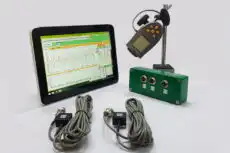
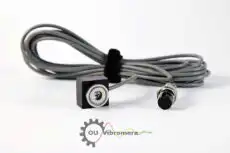
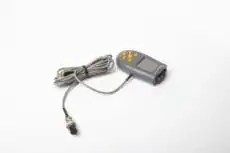
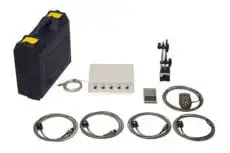
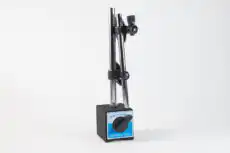

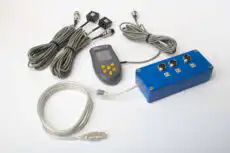
A sonda za mjerenje pomaka — poznata i kao sonda za blizinu, senzor za mjerenje pomaka ili beskontaktni senzor položaja — mjeri razmak između njezina vrha i ciljne površine bez dodira s njom, proizvodeći signal proporcionalan radna zapremina, obično u mikrometrima ili milima. U vibracija praćenju, sonde za mjerenje pomaka montirane su trajno u kućištu stroja i usmjerene na rotirajuće vratilo kako bi se izmjerio njegov radijalni položaj, aksijalni položaj, i dinamička vibracija, s ravnom karakteristikom od DC (statički položaj) do nekoliko kiloherc. Daleko najčešća vrsta jest sonda s vrtložnom strujom, standardni senzor za zaštitu kritičnih turbomašina.
1. Definicija: Što je sonda za mjerenje pomaka?
Sonde za mjerenje pomaka zaslužuju svoje mjesto na skupim strojevima jer mjere stvarni pokret vratila, a ne kretanje kućišta ležaja. One pružaju poziciju vratila u odnosu na montažu sonde (kućište ležaja), što — kada se referencira na poznati zazor ležaja tokom podešavanja — omogućava praćenje zazora, i pouzdano rade na visokim temperaturama i u zauljenim, kontaminiranim okruženjima gdje kontaktni senzori ne bi funkcionisali. Upravo ta kombinacija — direktno mjerenje vratila, DC sposobnost i izdržljivost — razlog je zašto dominiraju u sistemima za trajni nadzor izrađenim prema standardima kao što je API 670.
2. Vrste prema tehnologiji osjetavanja
Nekoliko fizikalnih principa može izmjeriti razmak bez dodira. Četiri se vide u industriji:
- Sonde s vrtložnom strujom (najčešće): indukuju vrtložne struje u vodljivom cilju i osjetili su rezultirajuću promjenu impedancije zavojnice. Oni su industrijski standard za turbomašineriju, s tipičnim linearnim rasponom od oko 0,5–5 mm, frekvencijskim odgovorom od DC do 10+ kHz i radom do oko 350 °C.
- Kapacitivne sonde: mjere kapacitivnost između sonde i mete. Nude izuzetno veliku rezoluciju (do nanometra) i rade na nevodljivim ciljevima, ali se koriste uglavnom u primjenjenim i istraživačkim aplikacijama.
- Laserski senzori pomaka: koriste optičku triangulaciju ili interferometriju za beskontaktno mjerenje na potencijalno velikoj udaljenosti s velikom preciznošću. Skupi su i manje robusni, pa se pojavljuju uglavnom pri otklanjanju greške i istraživanju.
- Ultrazvučni senzori pomaka: koriste mjerenje vremenske propagacije na udaljenostima do nekoliko metara, s nižom rezolucijom od ostalih tipova, za specijalizirane aplikacije na velikoj udaljenosti.
3. Ključne Prednosti
Direktno mjerenje vratila
Budući da sonda gleda direktno u vratilo, ona registruje kretanje rotora u odnosu na kućište ležaja, a ne filtriranu, prigušenu vibraciju kućišta (mjerenje apsolutnog kretanja vratila dodatno zahtijeva seizmički senzor na kućištu). Upravo to čini sondu pomjeraja neophodnom za ozbiljno dinamika rotora rad, gdje je količina od interesa kako se samo vratilo kreće unutar svojih zazora.
DC (nula-frekvencijski) odgovor
Sonda mjeri statički položaj na 0 Hz, tako da može pratiti spore driftove, toplinsku ekspanziju i prosječni položaj vratila kroz vrijeme. To je nešto što akcelerometar fundamentalno ne može učiniti, pošto akcelometar reagira samo na promjenu kretanja.
Pozicija i zazor u odnosu na vratilo
Budući da je sonda fiksirana u kućištu ležaja, ona registruje poziciju vratila u odnosu na to kućište; kada se zazor jednom referencira na poznati zazor ležaja tokom podešavanja, ovo omogućava praćenje zazora, otkriva pomjeraje rotora izazvane habanje ležaja, i može pokrenuti zaštitu isključenje kada pomak postane prevelik.
4. Standardna instalacija
XY konfiguracija sondi
Klasičan raspored postavlja dvije sonde 90° razdvojene — obično jednu horizontalnu i jednu vertikalnu. Zajedno hvataju položaj osovine u dva okomita smjera, što omogućava analiza orbite i pravu dvodimenzionalnu sliku gibanja osovine. XY par je standard za API 670 monitoring turbomašinerije.
Aksijalna (potisna) sonda
Aksijalna sonda je usmjerena prema kraju osovine ili pritisnom ovratniku kako bi se izmjerio aksijalni položaj i performansa aksijalni ležaj, štiteći od prekomjernog aksijalnog kretanja. Ugrađena je jedna ili dvije sonde, druga pružajući redundanciju.
5. Primjene i kako se međusobno uspoređuju
Primarni dom sonde je trajni monitoring parnih i plinskih turbina, velikih kompresora i generatora, te kritičnih pumpi (API 610), gdje pruža kontinuiranu nadzor s alarm i trip funkcijama za zaštitu strojeva. U testiranju rotorske dinamike koristi se za identifikaciju kritične brzine, analizu pokretanja i zaustavljanja, određivanje oblika moda, te mjerenje prigušenja. U nadzoru zazora prati položaj osovine u odnosu na brtve i labirinte, detektira istrošenost ležaja koja dopušta pomak rotora, prati termalni rast, te pomaže u sprječavanju kontakta rotor-stator.
Iz svih tih razloga sonda za pomak je premium izbor na kritičnoj rotirajućoj opremi. Skuplja je i složenija za instalaciju od akcelerometra, a to je stalna instalacija umjesto prenosivog alata — inženjeri koji trebaju balansiram ili dijagnosticiram stroj tijekom mantenske runde češće sežu za prenosivim dvokanalnim analizatorom kao što je Balanset-1A sa seizmičkim senzorima. Ali tamo gdje su potrebni DC odziv, pozicija u odnosu na vratilo i direktno mjerenje vratila, ništa drugo ne pruža isti nivo uvida i zaštite.

