ქამელეონის სპექტრის გაგება

გარსის სპექტრი არის სიხშირე, სპექტრი მიღებული გამოთვლით FFT კონვერტის — ამპლიტუდა-დემოდულირებული სიგნალის — წარმოებული კონვერტის ანალიზი. ეს ავკრთხეს გამეორების სიხშირე ზეწოლებისა და მოდულაციების მაღალი სიხშირის უღრმეს ვიბრაცია, რაც მას აქცევს ერთადერთი ყველაზე მოწამო ტექნიკად მოსახლეობის აღმოჩენის დროს მოძრავი ელემენტის საკისრის დეფექტები. სადაც სტანდარტული სიჩქარის სპექტრი აჩვენებს გადამტანი სიხშირეებს — სტრუქტურული რეზონანსები, რომლებზეც ზეწოლებმა ჩარეკეს — კონვერტის სპექტრი აჩვენებს იმ მაჩვენებელს, რომლის დროსაც ეს ზეწოლები ხდება, პირდაპირ რუკის რუკა საკისრების ხარვეზების სიხშირეები BPFO, BPFI, BSF და FTF.
საკისრის დიაგნოსტიკა რა ჩვეულებრივი სპექტრი არის დისბალანსი და არასწორი განლაგება: ძირითადი ხელსაწყო, რომელიც შესაძლებელი ხდის ადრეულ ხარვეზების აღმოჩენას. ის სუფთა დიაგნოსტიკური სიხშირეების ამოწევა უმაღლეს-სიხშირის “ხმოვიდან”, რომელიც სიჩქარის სპექტრი ვერ აქცევს.
1. როგორ მზადდება კონვერტის სპექტრი
კვალიფიკაციის ხარვეზი — ხელმოკიდეს მსოფლიოს ხელმოსახმელი — ბიძგს აძლევს მკაცრ კონტაქტს ერთხელ პერეთ და აღაგზობს საკისრის ბუნებრივ რეზონანსებს რამდენიმე kHz-ზე. ეს რეზონანსები არის მატარებელი სიხშირე; რეგულარული ზეწოლის მატარებელი მოდულირებს გადამტანის ამპლიტუდა. კონვერტის პროცესი ზედმეტი აშორებს გადამტანს და ინახავს მოდულაციას:
- ზოლგამტარი ფილტრი: გამოყოფილი მაღალი-სიხშირის ზოლი, რომელიც მდიდარია რეზონანსის ენერგიით (ჩვეულებრივი 1–10 kHz), უარი თქვა დაბალი სიხშირის ვიბრაციაზე დაბალანსების და ღარიბი სათანადოობის გამო. A ზოლის გამტარობის ფილტრი ასრულებს ამ ამოცანას.
- კონვერტის აღმოჩენა (დემოდულაცია): დაასწორეთ ფილტრირებული სიგნალი და დახაზეთ მისი ამპლიტუდის ხაზი — კონვერტი.
- დაბალი სიხშირის ფილტრი: გაასწორეთ კონვერტი ნებისმიერი დარჩენილი ტალღის რიპელის აღსაფხვრელად.
- FFT: გადააკეთეთ კონვერტი სიხშირის დომენში.
- შედეგი: კონვერტის სპექტრი, რომლის მწვერვალები დარტყმის განმეორების სიხშირეებზე მდებარეობს.
ძირითადი იდეა ის არის, რომ ეს ჯაჭვი აღმოაჩენს მოდულაციის სიხშირეებს არის მდგრადის გაუმართაობის სიხშირეები. მაღალი სიხშირის გადამზიდელი მხოლოდ როგორც მესინჯერი მოქმედებს, რეზონირებს ყოველ ჯერზე, როდესაც დეფექტი დარტყმილი ხდება.
2. კონვერტის სპექტრის წაკითხვა
ჯანმრთელი მდგრადი
- დაბალი საერთო კონვერტის დონე.
- ბრტყელი ან ღრმად დახრილი კვალი, რომელშიც არ არის განსხვავებული მწვერვალები.
- ხმაურის იატაკი ინსტრუმენტის მგრძნობიარობის დონეზე ან ქვემოთ.
გაუმართავი მდგრადი
- პირველადი პიკი: მდგრადის გაუმართაობის სიხშირეზე — BPFO, BPFI, BSF ან FTF.
- ჰარმონიკები: 2×, 3×, 4× დეფექტის სიხშირის ჰარმონიკები ჩნდება და იზრდება დეფექტის გაუარესებასთან ერთად.
- გვერდითი ზოლები: დაშორებული გასასწორი (FTF) ან სირბილის სიჩქარე (1×) ინტერვალები გაუმართაობის მწვერვალის გარშემო, რაც ასახავს დატვირთვის მოდულაციას, როდესაც დეფექტი მიმოდინარეობს დატვირთვის ზონაში.
- ზემაღალი იატაკი: საერთო ხმაურის იატაკი იზრდება, რადგან ზედაპირის დეგრადაცია ვრცელდება.
შესაბამისი მწვერვალი გიჩვენებთ რომელიც ელემენტი დაიშალა: BPFO-ზე მწვერვალი მიუთითებს გარე რელსზე, BPFI შიგნით რელსზე, BSF - გორელე ელემენტზე, და FTF - გასასწორზე. რადგან BPFI და BSF ბრუნავენ დატვირთვის ზონაში, ისინი ამპლიტუდით მოდულირებული არიან და შესაბამისად ბედნიერი სიდებარი; BPFO გაუმართაობა სტატიკური დატვირთვის ზონაში ჩვეულებრივ არაა.
3. რატომ აღემატება იგი სტანდარტულ სპექტრს
ენველოპის სპექტრი აუცილებელია ტარების მუშაობის სამი თვისებით:
- ადრეული აღმოჩენა: ის რეგულარულად აღმოაჩენს უახლოესი დაზიანებას მრავალი თვის წინ — ხშირად 6-დან 18-მდე — სანამ ხარვეზი შენელების სპექტრში ხილული გახდება, რაც გაძლევს მაქსიმალური დაგეგმვის დროს ნაწილებისა და გეგმავადენობისთვის. ის მგრძნობიარეა მიკრო-სპოლების მიმართ, რომლებიც თითქმის არ აწარმოებენ ენერგიას შენელების მასშტაბზე.
- ნათელი ხარვეზის ხელმოწერები: იმიტომ, რომ დისბალანსი და არალიკვიდობა ფილტრირებულია დემოდულაციის წინ, ხარვეზის სიხშირეები და მათი გვერდითი ზოლები გამორჩენილია სუფთა ფონზე, ბევრად უფრო ადვილი წასაკითხი ვიდრე სავსე ფართოზოლიანი სპექტრი.
- დაბალი ენერგიის მოვლენის დაჭერა: მცირე ზემოქმედებას აქვს უმნიშვნელო ენერგია დაბალი სიხშირით, მაგრამ ეფექტურად აღაღიზებს მაღალი სიხშირის რეზონანსებს. ენველოპის დამუშავება ამპლიფიკაციას აკეთებს ზუსტად ამ სუსტ, მაღალი სიხშირის დიაგნოსტიკურ სიგნალებზე.
ეს არის მიზეზი იმისა, თუ რატომ განიხილება ენველოპის ანალიზი შოკური იმპულსური მეთოდი და იმპულსური ენერგია როგორც ტარების მდგომარეობის მონიტორინგის ქვაკუთხედი, და რატომ კურტოზი ხშირად იზრდება ენველოპის დონის პარალელურად.
4. საფეხურე-საფეხურე ინტერპრეტაციის სამუშაო ფლო
ენველოპის ნახაზის დიაგნოზად გადასაქცევად:
- გამოთვალეთ ხარვეზის სიხშირეები დაყენებული ტარებისთვის — BPFO, BPFI, BSF და FTF — მისი გეომეტრიისა და ლილვის სიჩქარის მიხედვით. ჩვენი საკისრის დეფექტის სიხშირის კალკულატორი აბრუნებს ოთხივე წამებში, და ჰარმონიული სიხშირის კალკულატორი ეხმარება რიგების დაკავშირებაში.
- მოიძიეთ სპექტრი იმ სიხშირეებზე მწვერვალების, დაშვებით დაახლოებით ±5% სკივის და გამოთვლის დაშვებისთვის.
- დაადასტურეთ ჰარმონიკებით — გენუინური ტარის ხარვეზი გვიჩვენებს სერიას, არა მხოლოდ ერთეულ პიკს.
- დაამტკიცეთ სამხრეთი გაბნევის დაშორება წყაროს დამატებითი დადასტურებისთვის.
- დიაგნოზი და შეფასება დეფექტი შესაბამისი ელემენტიდან და ამპლიტუდიდან.
უხეშ მძიმეობის სკალა, გამოხატული ფარის აჩქარების g-ში, ეხმარება ქმედებების პრიორიტეტიზაციას: ა თავდაპირველი დეფექტი (≈0,5–1 g) აჩვენებს მცირე მარტო მწვერვალს — ყოველთვიურად მონიტორირება; ან ადრეული დეფექტი (≈1–3 g) აჩვენებს აშკარა მწვერვალს ერთ ან ორი ჰარმონიკით — ყოველკვირეული მონიტორირება და ჩანაცვლება რამდენიმე თვის ფარგლებში; ა საშუალო დეფექტი (≈3–10 g) აჩვენებს ძლიერ მწვერვალს, მრავალ ჰარმონიკას და სამხრეთებს — დაგეგმეთ ჩანაცვლება რამდენიმე კვირის ფარგლებში; და ან წინსვლითი დეფექტი (>10 g) აჩვენებს ძალიან მაღალ ამპლიტუდას, მრავალ ჰარმონიკას და აამაღლებულ კიდეს — ჩანაცვლება გადაუდებელი საჭიროა. ზუსტი ბარიერი დამოკიდებულია ღერძის ზომაზე და სიჩქარეზე, ამიტომ ყოველთვის აირჩიეთ ისინი მანქანის სპეციფიკური საბაზისო და თქვენი საკუთარი ტრენდების მონიტორინგი ისტორია.
5. ფარის სპექტრის გამოყენება სამველე პირობებში
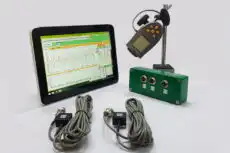
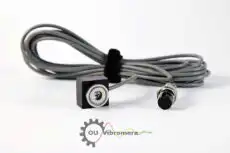
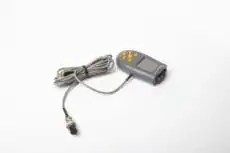
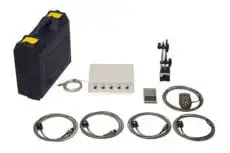
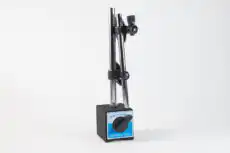
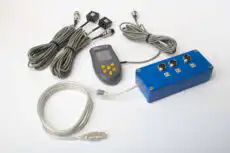
ერთ-ერთ მდგომარეობის მონიტორინგი პროგრამა, ფარის სპექტრი ეკუთვნის ყველა ღერძის მარშრუტის: ტენდენცია ფარის ამპლიტუდა თითოეულ მანკობის სიხშირეზე და თქვენ მიხვდებით გაფრთხოებას ბევრად უფრო ადრე — და ბევრად უფრო კონკრეტულად — ვიდრე მხოლოდ მთლიანი ვიბრაციის ტენდენცია შეიძლება. პრობლემის გადაჭრაში ის გამომსახველი ხდება როდესაც ზოგადი დონე მაღალია მაგრამ სტანდარტული სპექტრი ორაზროვანი, როდესაც ღერძის პრობლემა ეჭვის ქვეშ, როდესაც თქვენ უნდა დაამტკიცოთ რომ ჩანაცვლება ნამდვილად გამართლებული, ან როდესაც თქვენ უნდა იდენტიფიცირება რომელიც ღერძი მრავალი-ღერძის მატარებელში უმძღოლდება. პორტატული ორი-არხის ინსტრუმენტი როგორიცაა ბალანსეტი-1ა საშუმოებს ტექნიკოსს დაიჭირეთ მაღალი სიხშირის ვიბრაციის პირდაპირ თითოეულ ფილიალში ერთი აქსელერომეტრი, ამიტომ იმავე სამველე ვიზიტი რომელიც ქვემეხი ნარჩენი დისბალანსი ბალანსირების სამუშაოს შემდეგ შეიძლება ასევე გაეშიფროს ღერძი ინციდენტური დაზიანებისთვის.
6. ფარის სპექტრი vs ფარის ანალიზი
ორი ტერმინი ხშირად დაკავშირებული გამოიყენება, მაგრამ აღსანიშნავია იერარქია სწორი შენახვა. გარსის ანალიზი არის სრული პროცესი — ბანდა-პასი ფილტრირება, დემოდულაცია და FFT. იყო ფარის სიგნალი არის დროის დომენის დემოდულიძებული ტალღა, შუაბარი პროდუქტი. იყო გარსის სპექტრი არის საბოლო სიხშირის დიაგრამა, ის დელივერაბელი, რომელსაც ანალიტიკოსი რეალურად აკვეთ. მოკლედ, საფარი სპექტრი არის საფარი ანალიზის გამოდენა, და ეს არის ოქროს სტანდარტი ტარების დეფექტის აღმოჩენისთვის: მისი უნარი ხარვის სიხშირეების გამოვლენა, სანამ ისინი სტანდარტული სპექტრში გამოჩნდებიან, სიცხადე, ელემენტის სპეციფიკური ხელმოწერებთან ერთად, უხეში ამასთვე აუცილებელი ნაწილი ნებისმიერი პროგნოზირებადი-შენარჩუნების ხელსაწყოს ნაკრები ბრუნვადი აღჭურვილობისთვის.
7. საკისრების სკრინინგი Balanset-1A-ით
Balanset-1A-ის სპექტრში ზუსტი ბრუნვის სიხშირის მარკერებია, ამიტომ საკისრის გამოთვლილ სიხშირეებზე არსებული პიკები ადვილად გამოირჩევა დისბალანსისა და მისი ჰარმონიკებისგან.
- გაჩერებულ და დაბლოკილ მანქანაზე დაამაგრეთ სენსორი საკისრის კორპუსზე, დააყენეთ ამრეკლავი ტაქომეტრული ნიშანი, შემდეგ გაუშვით მანქანა სამუშაო სიჩქარით.
- "F4 - Settings" ჩანართზე "Spectrum, Hz" დააყენეთ ფიქსირებულ მნიშვნელობაზე, რომელიც მოიცავს გამოთვლილ BPFO-სა და BPFI-ს და მათ რამდენიმე ჰარმონიკას.
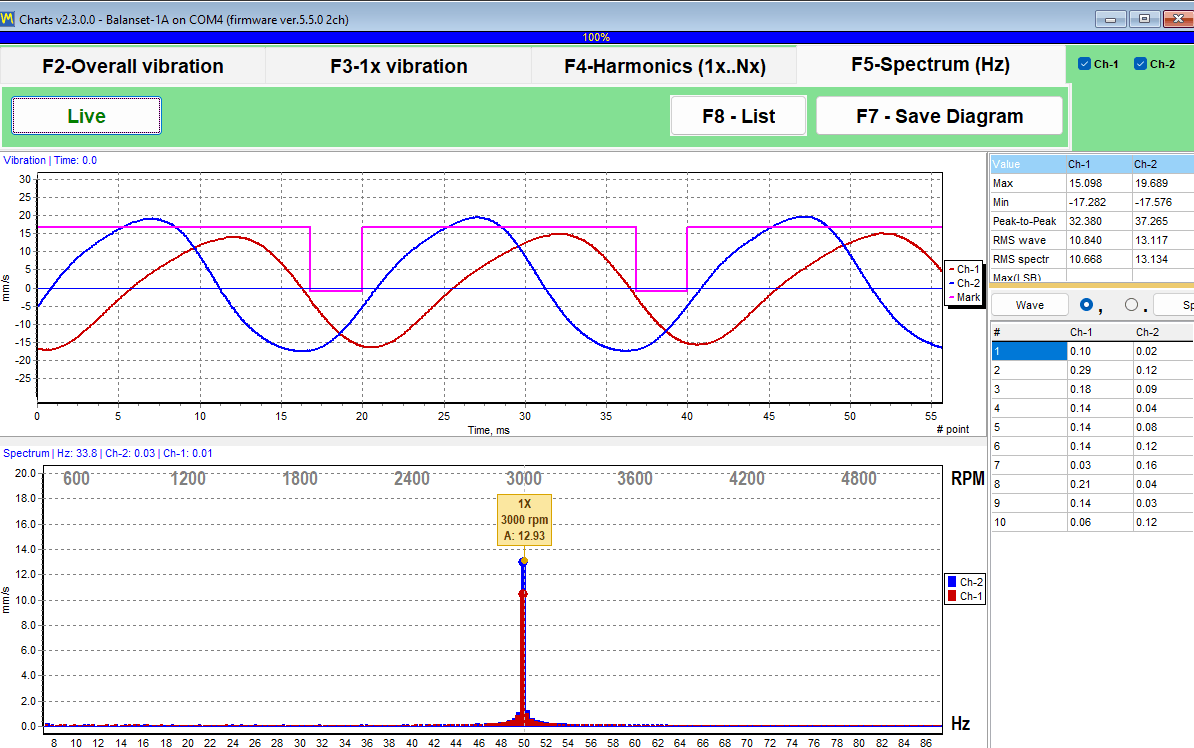
- გახსენით ანალიზატორი (F7 - Charts), აირჩიეთ "F5 - Spectrum (Hz)" და დააჭირეთ F9-ს. 1x, 2x, 3x მარკერები ზუსტად ბრუნვის სიხშირის ჯერადებზე დგას, ამიტომ მათ შორის მდებარე პიკი არასინქრონულია. მაუსის ბორბლით გაადიდეთ გამოთვლილი დეფექტის სიხშირის არე და პიკზე კურსორის მიტანით წაიკითხეთ მისი სიხშირე და ამპლიტუდა გრაფიკის სათაურში. "F8 - List" მთელ სპექტრს სიხშირისა და ამპლიტუდის ცხრილად იძლევა, ამიტომ დონე თითოეულ დეფექტურ სიხშირეზე შეგიძლიათ ჩაიწეროთ და მომდევნო ვიზიტზე შეადაროთ.
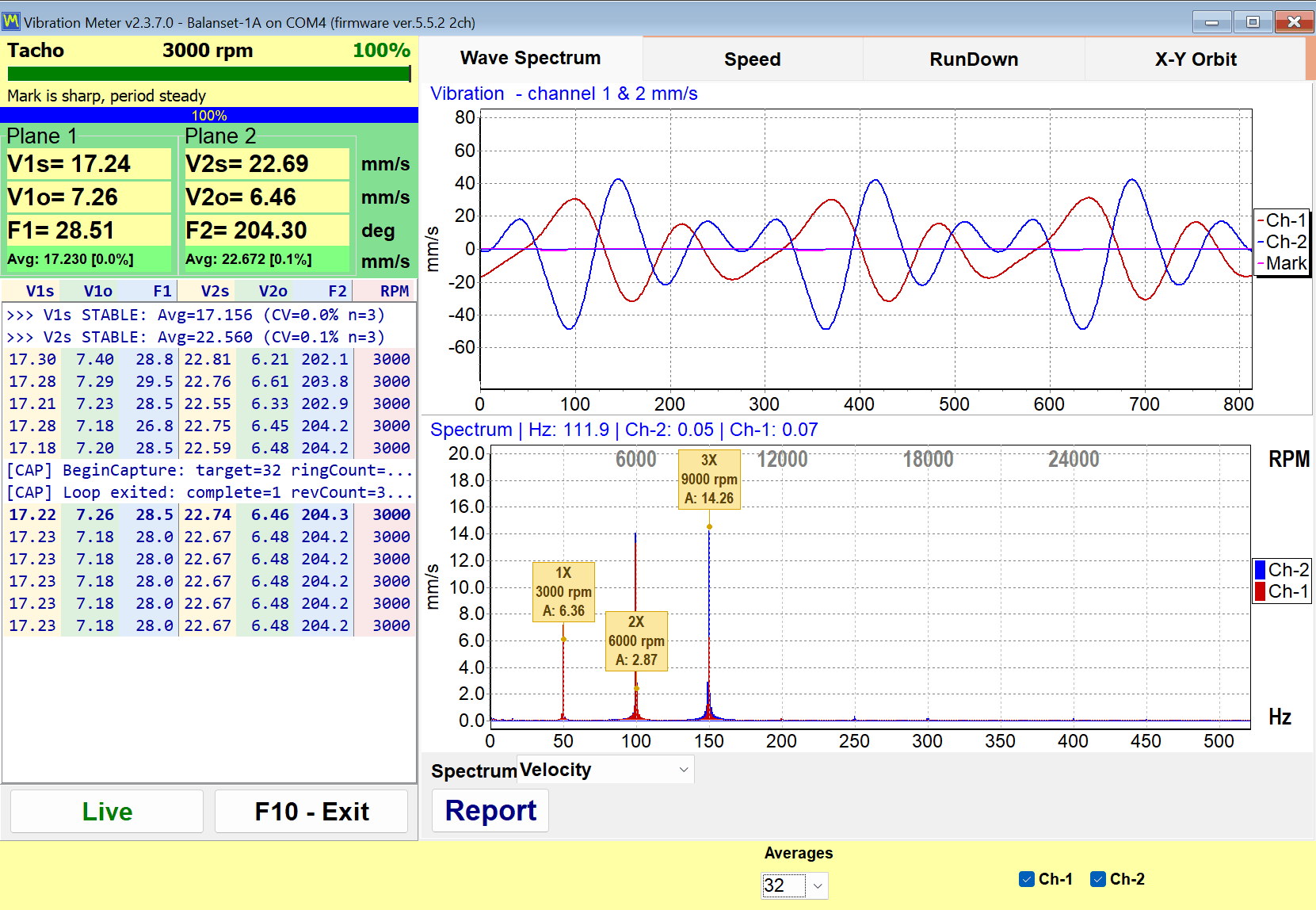
- ვიბრაციის საზომში შეადარეთ V1s და V1o: თუ 1× კომპონენტი საერთო დონეზე გაცილებით პატარაა, ენერგიის მნიშვნელოვანი ნაწილი დისბალანსის ნაცვლად ჰარმონიკებსა და ხმაურშია.
- ვიბრომეტრის "Wave Spectrum" ჩანართზე გადართეთ "Spectrum:" არჩევანი "Velocity"-დან "Acceleration"-ზე. აჩქარების ხედი მეტ წონას აძლევს მაღალსიხშირულ კომპონენტებს, რომლებსაც მოძრავი ელემენტების დარტყმები წარმოქმნის, ამიტომ საკისრის პიკები ბრუნვის სიხშირის პიკების ფონზე უფრო მკაფიოდ გამოჩნდება.
- მარშრუტული დათვალიერებისას "Waterfall" ხედი ერთმანეთზე ადებს ბოლო 12 სპექტრამდე და აჩვენებს, რომელი სიხშირე იზრდება ერთი სიარულიდან მეორემდე.
საკისრის გამოთვლილ სიხშირეზე მკაფიო პიკი, განსაკუთრებით ჰარმონიკებით, საკისრის დეფექტზე მიუთითებს: გაჩერებულ და დაბლოკილ მანქანაზე შეამოწმეთ საკისრის luft (ლუფტი) და დაბალანსებამდე შეცვალეთ ის.

