Мойынтірек ақауларын диагностикалау

Подшипник ақаулары — домалатып ілгерілету мойынтірегінің жұмыс беттеріндегі микроскопиялық немесе макроскопиялық кемістіктер: жарықтар, сынықтар немесе шұңқырлар. Домалату мойынтіректері айналмалы жабдықтың басым бөлігінде негізгі элемент болып табылатындықтан және жиі істен шығатын орын болғандықтан, осы кемістіктерді ерте анықтау vibration analysisсаласындағы ең құнды жұмыстардың бірі болып есептеледі. Ақау домалаушы элемент оның үстінен өткен сайын қайталанатын, мерзімді соқтығысу тудырады және дәл сол мерзімділік ақауды spectrum мойынтірек қызып кетпей немесе естілмей тұрып анықтауға мүмкіндік береді.
1. Мойынтірек ақауларының табиғаты
Типтік домалату мойынтірегі төрт бөліктен тұрады: сыртқы сақина, ішкі сақина, шарлар немесе роликтер жиынтығы және элементтерді бір қалыпты аралықта ұстайтын сепаратор. Ақау — осы беттердің кез келгеніндегі кемістік. Домалаушы элемент оның үстінен өткенде, жанасу нүктесінде шағын, өткір, жоғары жиілікті соқтығысу туады — “шерт.” Жалғыз шерт өте аз энергия тасымалдайды, бірақ соқтығысулар әр өтуде қайталанып, күшті мерзімді сигнал қалыптастырады. Вибрация талдауы осындай қайталанатын соқтығысуларды ерекше жақсы анықтайды, сондықтан нашарлап бара жатқан мойынтіректі блокталу сәтіне жетпей бірнеше ай бұрын анықтауға болады.
2. Төрт негізгі ақау жиілігі
Мойынтірек диагностикасының іргетасы мынада: белгілі бір мойынтірек геометриясы мен білік жылдамдығы үшін соқтығысулар өте нақты, алдын ала болжауға болатын жиіліктерде жүреді. Бұл підіс ақау жиілігі are:
- BPFO (Шарлар өтінің жиілігі, сыртқы трек): домалаушы элементтердің қозғалмайтын сыртқы сақинадағы бір нүктеден өту жиілігі. Бұл — мойынтірек ақауының ең жиі байқалатын жиілігі.
- BPFI (Шарлар өтінің жиілігі, ішкі трек): элементтердің ішкі сақинадағы бір нүктеден өту жиілігі. Ішкі сақина біліктің айналуымен бірге айналатындықтан, BPFI мәні BPFO мәнінен жоғары болады.
- BSF (Шарлар айналу жиілігі): домалаушы элементтің өз осі айналасында айналу жиілігі. BSF ақауы жиі осы жиіліктен екі есе артық энергия көрсетеді, себебі кемістік элементтің әр айналымында екі сақинаны да ұрады.
- FTF (Fundamental Train Frequency) — негіз пойызы жиілігі: сепаратордың немесе “серпентин”нің айналу жиілігі. Бұл өте төмен жиілік, әдетте running speed.
Бұл жиіліктер мойынтірек геометриясына — сырғанау диаметріне, домалаушы элемент диаметріне, жанасу бұрышына және элементтер санына — сондай-ақ білік жылдамдығына байланысты. Вибрация бағдарламалық жасақтамасы әдетте үлкен мойынтірек деректер базасын қамтиды және оларды автоматты түрде есептейді, ал оларды подшипник ақатты жиілігі калькулятор мойынтірек бөлшегінің нөмірі немесе өлшемдері белгілі болғанда тікелей есептеп шығаруға да болады.
3. Подшипник ақауларының спектрде қалай көрінетіні
Дамып келе жатқан ақау жиілік спектрінде сипаттамалық үлгі қалдырады FFT spectrum:
- Жоғары жиілікті пиктер: ақау жиілігінің өзі (мысалы, BPFO) жиілік аралығының жоғарғы бөлігінде, төменгі ретті айналу пиктерінен алыста пик ретінде пайда болады.
- Harmonics: соқтығыстардың өткір, импульсті сипаты, әдетте, ақау жиілігінің бірнеше гармоникасын — дәл еселіктерін — тудырады; олардың ұзын тізбегі жақсы дамыған ақауды білдіреді.
- Sidebands: бұл — маңызды диагностикалық белгі. Ақау жиілігінің пигі, әдетте, 1X жұмыс жиілігі қадамымен орналасқан бүйірлік жолақтармен қапталған. 1X бүйірлік жолақтары бар BPFO пигі — сыртқы сақинаның классикалық сигнатурасы, ал ішкі сақина ақауы (BPFI) іс жүзінде әрдайым 1X бүйірлік жолақтарын иеленеді, себебі айналмалы ақау әрбір айналымда подшипниктің жүктеме аймағына кіріп-шығып, соқтығыс күшін модуляциялайды.
Ең алғашқы кезеңдерде бұл пиктер өте кішкентай болып, спектрдің шу деңгейіне оңай жасырынады; сондықтан, әдетте, арнайы анықтау әдісі қолданылады.
4. Ерте анықтауға арналған конверттік талдау
Конверт талдамасы, сонымен қатар демодуляция деп те аталатын бұл әдіс, подшипниктің ерте кезеңдегі ақауларын анықтаудың ең қуатты тәсілі болып табылады. Бұл — жиілікті сүзу арқылы мұндай көздерден туындайтын төменгі жиілікті, жоғары энергиялы тербелісті алып тастайтын сигналды өңдеу әдісі unbalance and misalignment, содан кейін ақау тудыратын жоғары жиілікті, төмен энергиялы соқтығыстарға ғана назар аударады. Қайталанатын соқтығыстар конструкцияның табиғи жиіліктерін қоздырады, ал конверттік өңдеу сол тербелістің қайталану жиілігін бөліп алады.
The resulting конверт спектрумы ерекше «таза» болып, подшипниктің ақау жиіліктері мен олардың гармоникаларын төмен фонға қарсы анық көрсетеді. Бұл подшипник істен шығудан бірнеше ай — кейде жылдар — бұрын анықтауға мүмкіндік береді, авариялық тоқтаудың орнына жоспарлы ауыстыруды жүзеге асыруға жеткілікті уақыт береді.
5. Диагнозды орнында растау
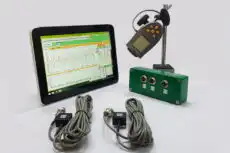
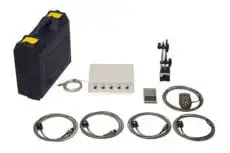
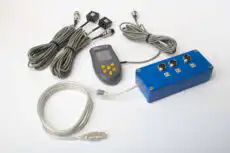
Подшипникке қатысты сенімді қорытынды шығару үшін өлшенген пиктерді есептелген ақау жиіліктерімен сәйкестендіру, күтілген бүйірлік жолақ үлгісін растау қажет; мүмкіндігінше, бұл конверттік спектрмен және кезекті өлшемдер бойынша анық жоғарылау үрдісімен қолдау табуы тиіс. Мұндай портативті екі арналы аспап Балансет-1А инженерге жұмыс жылдамдығында машинадағы өз подшипниктерінің спектрін тікелей сол жерде түсіруге мүмкіндік береді, сондықтан күдікті подшипник ақауын болжалды жиіліктермен орнында тексеруге болады. Ұқсас белгілерді де жоққа шығарған жөн: конструкциялық looseness және домалақ элементтердің ақаулары кең жолақты энергияны арттыра алады, бірақ тек шынайы подшипник ақауы BPFO, BPFI, BSF немесе FTF отбасыларымен сәйкес келеді.

