Соққы сынамасын түсіну
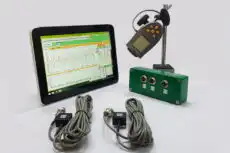
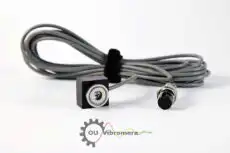
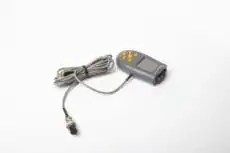
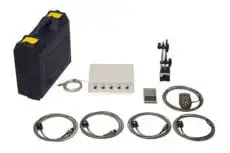

A bump test — сондай-ақ ықпалды сынау немесе балта сынауы деп аталады — құрылымның немесе машинаның сипаттамаларын балта (құралдандырылған немесе болмағанда) сокықтап анықтау үшін қолданылатын қарапайым тәжірибелік әдіс және алынған еденді өлшеу табиғи жиіліктерін and damping отклик бір немесе бірнеше кезінде vibration . Бір өткір ықпал барлық құрылымдық модалары бәрін бір уақытта өндіреді, және accelerometersсәйкестігі осы табиғи жиіліктерді резистанстарда шыңдар түрінде өрнектейді FFT . Бұл өндіс аймақында ең практикалық әдіс болып табылады жиілік спектріөйткені ол балта және вибрация анализаторынан басқа ештеме қажет етпейді — бағалы электродинамикалық сітілер және күрделі орнату жоқ. Нәтижесінде ол тұрақты түрде ақау жөндеулеуге қолданылады modal testing мәсeleleri, тиімділік растайтын resonance және пайдалану жиіліктері табиғи жиіліктерден қауіпсіз түрде бөлінгендігін растайтын. конструкция резонансы1. Анықтама: Соққы сынамасы дегеніміз не?
Соққы сынамасының принципі мынада: ықпал математикалық тұрғыдан өте қысқа импульс болып табылады, бұл аймақта бір уақытта кең жиілік диапазонындағы энергияны ұстайды. Бұл кеңшамалық энергия құрылымға беріліген кезде, табиғи жиіліктері импульс лақын ішіне түсетін әрбір модалы бір уақытта сеселіп қалатын болады. Құрылымы өз қадағаланған жиіліктерінде "түңгі құю" істейтіндігінде және акселерометр құрамында болатын кеми айналып келген жауап — осы модалардың іс-әрекет ізін өтінеді. Сеселіген құрылымдарын жиілік облысына айналдыру әрбір модалы шыңына айналдырады, сондықтан бір жанадайлы өндіс құрылымын, тақтасын немесе құбыр орындарының динамикалық сипаттамасын секундқа түсінік бере алады. Бұл өндіс аймақында ынамдар құрсын-құрсын болып табылады
2. Қажет құрал-жабдықтар impact testing.
Балта таңдау нәтижесі сандық па немесе іргелі сапалы ықпалдағы анықтайды.
Impact Hammer
Құралдандырылған балта (ұсынылған)
Балта басындағы ысырласқан күш трансдьюсері ықпалдың күшін тура ölçer.
- Құрылғы сағындарында орнатылған күш түрлендіргісі соққы күшін тік бірге өлшейді.
- Бұл шынайы аудару функциясы (құралға бөлінген ауырлық) және жиілік жауап функциясы есептеуге мүмкіндік береді.
- Нәтижелер сандық және қайталанатын.
- Типтік құны: 500–3000 доллар.
Аспаптасыз (Қарапайым)
- Қалыпты балта, резин балта немесе қолмен соғу істеп береді.
- Тек қана жауап өлшенеді, құралдың ауырлығы емес.
- Ол сапалық жиілік анықтауды береді — биіктіктің орны қайда, бірақ бірлік құралға сәйкес абсолюттік шамасы емес.
- Бұл өндіс ішіндегі көптеген қосымша қолданбалары үшін айқындауы жеткіліктіге ие.
- Ақысыз немесе өте төмен құн.
Жауап Өлшеуі
- Қызығушылық ретінің жауап нүктесіне орнатылған үдеу датчигі.
- Дірілдеу анализаторы немесе деректер жиынтығы бөлігіне қосылған.
- Биіктіктерді шешу үшін FFT талдау мүмкіндігі қажет.
Analysis
- Жауап сигналының FFT.
- Биіктіктер табиғи жиіліктерге сәйкес келеді.
- Биіктік ені сақтау көрсеткіші болып табылады.
3. Сынау Процедурасы
Негіздеген Соғу Сынау
- Акселерометрді орнатыңыз: таңдалған жиектеу нүктесінде.
- Анализаторды баптаңыз: FFT режимінде, құрылымасына сәйкес тиісті жиіліктер диапазонында.
- Құрылымаға соққы берiңіз: балғамен бір құрай соққы.
- Жиектеуді жазып алыңыз: вибрациялық құлау осциллограммасын жазыңыз.
- Repeat: ағымдарды орташалау үшін бірнеше соққы — қалыпты түрде үш-он — соққылар арасындағы ауытқуларды теңестіру үшін.
- Analyse: пайда болған FFT табиғи жиіліктердің пиктерін көрсетеді.
Ұсынымды сынау
- Көптеген жиектеу нүктелеріндегі өлшемдер анықтау үшін mode shapes.
- Өлшегіш балға арнайы сандық өтпелік функциялар үшін.
- Coherence өлшенген деректердің сапасын тексеру.
- Толық жиіліктік жауап функциясын (ЖЖФ) есептеу.
4. Қолданба облыстары
Резонанс анықтау
This is the most common application. The test determines a structure’s natural frequencies, which are then compared to the machine’s operating frequencies — 1×, 2×, blade passingжәне т.б. — резонансы жоғары вибрациялау үшін жауапты екенін анықтау үшін және өзгертіс стратегиясын бағыттау үшін. Бұл сондай-ақ табиғи әйгілік run-up or coastdown сынау, машина өзі жылдамдықты сырпы кезінде бірдей резонансты ашып көрсетеді.
құрылымдық диагностика
- Сәйсіз немесе тым серпімді компоненттерді анықтаңыз.
- Locate loose немесе сынған конструкциялар болса, олар күтілген шыңдарын ығыстырады немесе бөлді.
- Іргетасты немесе орнатпа жағдайын бағалаңыз stiffness.
- Құрылымдық өзгерістіні растау үшін өзгеріске дейінгі/кейінгі салыстыруды ұсыныңыз.
Modal Testing
- Табиғи жиілік пен, модалық пішіндер мен төлеуді бірге анықтаңыз.
- Ақырлы элементтердің моделін өлшенген нақты мәннен растаңыз.
- Құрылымдық конструкцияны оңтайлаңыз.
5. Түсіндіру
Табиғи жиіліктерді анықтау
- Соққы жауабының спектрындағы шыңдар - табиғи жиіліктер.
- Өткір шыңдар төмен төлеуді көрсетеді — және сондықтан резонанс мәселесі болуы мүмкін.
- Тәселі шыңдар жоғары төлеуді көрсетеді, мұнда резонанс аздық ойы болмайды.
- Бірнеше шыңдар бірнеше модалар болғанын білдіреді.
Резонанс қауіпін бағалау
- Егер табиғи жиілік істеу жиілігінің ±20% ішінде сәйкес болса, резонанс қауіпі болады.
- Егер олар жақсы бөлінген болса — болжамы 30% артығымен бөлінген болса — жағдай әдетте қауіпсіз.
- Шыңның биіктігі күтілген күшейтуді көрсетеді.
Төлеу бағасы
- Шыңның ені оның максималды биіктігінің жартысында өлшеңіз.
- Calculate the damping ratio сол пропускадан (жартылай-қуат әдісі).
- Немесе оны уақыт облысында ринги сөндіктеу қарапайтылығынан шығара аласыз.
6. Артықшылықтары және шектеулері
Соққылау сынақтарының ондай тартымды жағы оның тәжірибелік ұйтқалығында, бірақ бұл аналитик назарға ала барлық сауда-сатық шарттарын өзінде барлықты келтіреді.
Advantages
- Simplicity: minimal equipment, setup in minutes, no power needed for the excitation, and it can be performed almost anywhere, anytime.
- Кең діапазонды өзара әрекеттесу: бір соққы бір рет кең жиілік ауқымын ынамдырады, сондықтан барлық режимдер бір сынақта анықталады — мағдай-синус әдістерінен әлде қайда жылдам.
- Өндіс практикасы: ешқандай ұлы аспап алып жүру керек емес, ол орнатылған машиналарға ойнайды, және ол реттеудің рутинасына жеткілік жылдам troubleshooting.
Limitations
- Repeatability: соққы күші әрбір ұрыстың арасында ығысады; бірнеше соққыларды орташалау көмектеседі, және құралды ішінара балташы тұрақты, өлшенген күшті ұсынады.
- Күш спектрі: соққы спектрі балташы массасына және ұшы қатайғылығына байланысты — мәлімет ұшы төмен жиіліктерге көбірек энергия салады, қатты ұшы жоғары жиіліктерге салады — сондықтан бір балташы әрбір жиіліктеуді біліктілік әрегінде құралдай алмайды.
- Төмен күш деңгейлері: сынақ жоғары күш жағдайындағы жұмысты қайта өндіге алмайды, сондықтан жүк аламын сәйкестіктіліктері ынамды болмауы мүмкін, оны жоғары деңгейдегі жауап сынағына қолайсыз ету.
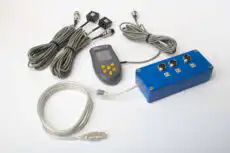
7. Құрылымдық сынақтау практикалық ротор жұмысында
Соққылау сынақтары және ротор теңгеру өндісте тығыз байланысты, өйткені өндіктің конструкциясы жүргіме жылдамдығының жанындағы резонансты құрады, онда-осы іс-әрекеті — немесе кеңінен барлықты ұлғайтады — көзге түскен unbalance. Түзетулерге міндетті болмас бұрын, инженер құрылым конструкциясы резонансте болмағанын растау керек; әйтпесе phase және амплитуда оқулары тең ағымды қажет істеген балансылауында бұл сынаулы облысында ағымды болады. Portable екі-арнайы құрал сияқты Балансет-1А өлшей салу 1× амплитуданы және фазасын қажет болатын бір- және екі-ағын балансылау үшін, және осындай ускоремы құрастырып тарай түсіндіруі соққы-сынақта ринги өндіктеуін ұстап отыра ұлы немесе базалық натуральды жиілігі операциялық жылдамдықты толығына өндіку. Қысқасы, соққы сынақты - жалпы соққы құрылым натуральды жиіліктері және резонансты барлықты салыстырмалау түтіндіруі болып жөндеуді біріккеген балы құрылымы балышында өндіктемейтігі - мәселі тирүдің диагностикасы, түзелген растауы, және жылдам модаль сідерісінің арнайы тест құраластарысыз іске асыруы қажет болатын сыртқы іс-әрекет құралы.

