了解碰撞测试
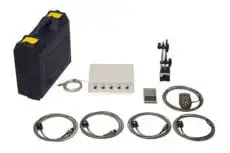
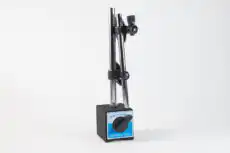

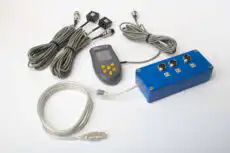
A 碰撞测试 — 也称为冲击测试或锤击测试 — 是一种简单的实验技术,通过用锤子(无论是否带传感器)敲击结构或机器,并测量由此产生的自由 固有频率 和 阻尼 通过一个或多个……来获取结构或机器的特性 振动 响应 加速度计。一次尖锐冲击会同时激发所有结构模态,而对 快速傅里叶变换 的分析会将这些固有频率显示为……中的峰值 频谱。这是现场最实用的方法,用于 模态测试 因为它除了锤子和振动分析仪外几乎不需要任何设备——无需昂贵的电动振动激振器,也不需要复杂的布置。因此,它被持续用于故障排查 谐振 问题,验证 结构共振,并确认运行频率与固有频率之间保持安全分离。
1. 定义:什么是敲击测试?
敲击测试的原理在于,从数学上讲,冲击是一个极短的脉冲,同时包含宽频带的能量。当这种宽带能量施加到结构上时,所有固有频率位于该脉冲带宽内的模态都会同时被激发振动。随后,结构会以其自身偏好的频率“振铃衰减”,而由加速度计捕获的衰减响应携带着这些模态的特征指纹。将这种衰减响应变换到频域后,每个模态都会表现为一个峰值,因此一次敲击就能在几秒钟内描绘出整台机架、底座或管道系统的动态特性。它是更广泛学科……的现场友好型近亲 冲击试验.
2. 所需设备
冲击锤
锤子的选择决定结果是定量还是仅为定性。
带仪器的锤子(首选)
非仪器化(简单)
- 普通锤子、橡皮槌,甚至用手敲击均可。
- 仅测量响应信号,而非激励力。
- 可进行定性频率识别——确定峰值位置,但无法获得单位力下的绝对量值。
- 这对许多现场应用而言已完全足够。
- 免费或成本极低。
响应测量
- 将加速度传感器安装在所关注的响应测量点处。
- 连接至振动分析仪或数据采集装置。
- 需具备FFT分析功能以分辨各峰值。
分析
- 对响应信号进行FFT分析。
- 峰值对应固有频率。
- 峰值宽度是阻尼的指示指标。
3.测试程序
基本碰撞测试
- 安装加速度传感器: 安装于所选响应测量点处。
- 设置分析仪: 选择FFT模式,并根据结构选取合适的频率范围。
- 敲击结构: 用锤子进行单次有力冲击。
- 采集响应信号: 记录振动衰减响应。
- 重复: 多次冲击取平均值——通常为三至十次——以消除各次敲击之间的差异。
- 分析: 所得FFT图谱显示固有频率峰值。
高级测试
4. 应用
共振识别
这是最常见的应用场景。测试可确定结构的固有频率,并将其与机器的运行频率——1×、2×进行比较, 叶片传递以及更高次谐波——以判断共振是否是高振动的根本原因,并为改进方案提供指导。这也是 升速运行 或 降速 测试的天然对应方法,该测试在机器自身扫速过程中揭示相同的共振。
结构诊断
模态测试
- 同时确定固有频率、振型和阻尼。
- 根据实测现实验证有限元模型。
- 优化结构设计。
5. 结果解读
识别自然频率
- 冲击响应频谱中的峰值即为固有频率。
- 尖锐的峰值表明阻尼低——因此存在潜在的共振问题。
- 宽阔的峰值表明阻尼高,此时共振的危害相对较小。
- 多个峰值表明存在多阶模态。
评估共振风险
- 若固有频率与运行频率之差在约±20%以内,则存在共振风险。
- 若两者间隔足够大——相差超过约30%——则通常认为是安全的。
- 峰值的高度表示可预期的放大倍数。
阻尼估计
- 在峰值最大高度的一半处测量峰宽。
- 计算 阻尼比 根据该带宽(半功率法)进行计算。
- 或者,从时域衰减振荡的衰减率中推导阻尼比。
6. 优点与局限性
锤击测试的吸引力在于其极强的实用性,但分析人员应清醒认识其存在的局限性。
优势
- 简单: 设备极为简便,几分钟内即可完成安装,激励无需电源,几乎可在任何时间、任何地点进行测试。
- 宽带激励: 一次冲击即可同时激励宽频率范围,从而在单次测试中识别所有模态——远快于扫频正弦方法。
- 现场实用性: 无需搬运大型设备,可在安装好的机器上直接操作,速度足够快,适合日常 故障排除.
限制
- 重复性: 每次敲击的冲击力可能有所不同;对多次冲击取平均有助于提高精度,而带传感器的力锤可提供一致、可量化的冲击力。
- 力频谱: 冲击频谱取决于力锤的质量和锤头硬度——软锤头将更多能量注入低频,硬锤头则注入高频——因此单一力锤可能无法对各频率进行均匀激励。
- 低力级: 该测试无法复现高载荷工况,因此与载荷相关的非线性效应可能得不到激励,使其不适用于高幅值响应测试。
7. 冲击测试在转子实际工作中的应用
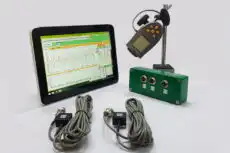
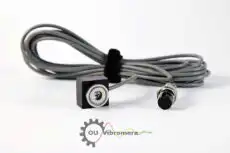
敲击测试和转子 平衡 在现场工作中密切相关,因为在接近运行转速处发生共振的结构会伪装成——或大幅放大——表观 不平衡。在实施校正之前,工程师应确认支撑结构未处于共振状态;否则用于平衡的 相位 幅值和相位读数在临界区域附近将产生失真。便携式双通道仪器(如 Balanset-1A )可测量单面和双面平衡所需的1×幅值和相位,同时其加速度传感器还能捕捉冲击测试的衰减信号,以验证轴承座或底板的固有频率是否远离运行转速。总而言之,冲击测试是一种简单而有效的方法,仅凭一把力锤和一台分析仪,即可绘制结构固有频率和共振特性图——是诊断共振、验证改造效果及开展快速模态调查的必备故障排查工具,无需专用测试设备。
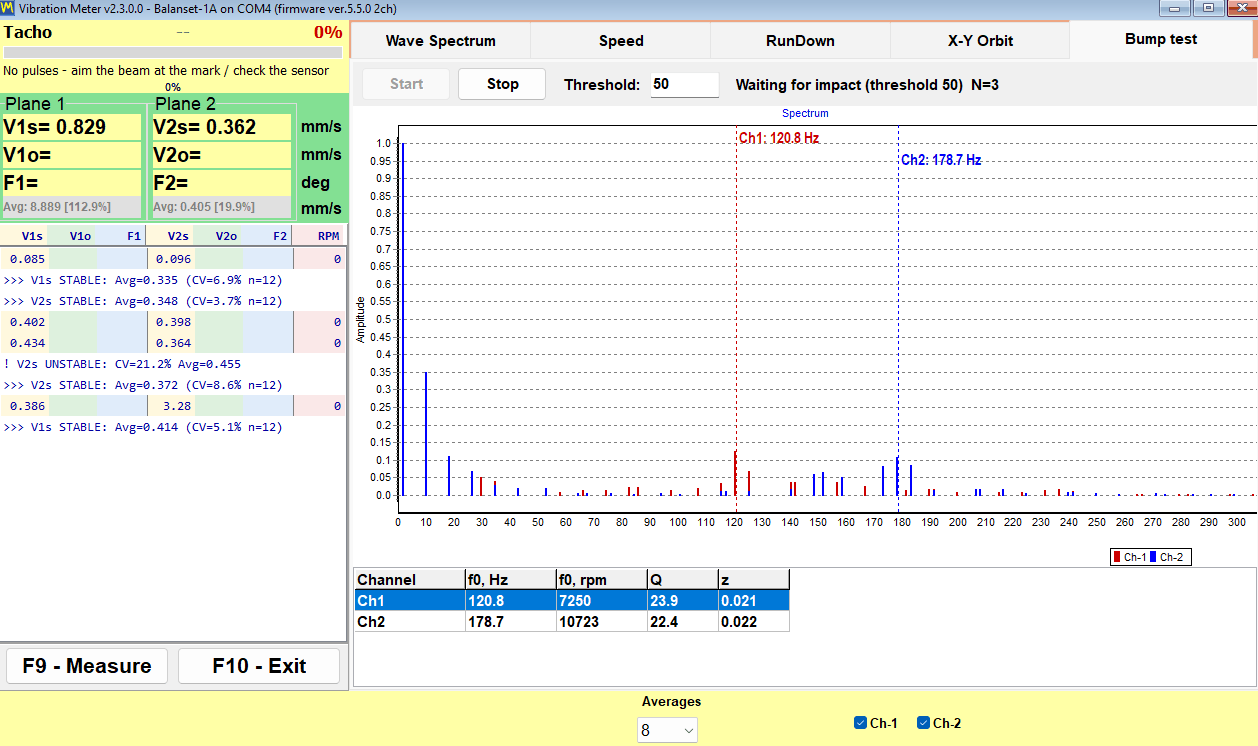
在 Balanset-1A 上运行碰撞测试
在 Balanset-1A ,碰撞测试作为振动仪窗口的一个额外标签页而存在。这是一种实验模式,默认处于禁用状态:一旦程序识别到设备固件版本为 5.5.0 或更新版本,就会在“F4 – 设置”下的 Experimental 分组中启用该模式,随后该标签页会出现在“Wave Spectrum”、“Speed”、“RunDown”和“X-Y Orbit”旁边。
该操作流程与前述步骤相同:转子停止,传感器按常规方式安装,使用软锤。程序自动进入待触发状态,等待超过触发阈值的敲击,且仅接受确实会衰减的信号;每次被接受的敲击的幅值频谱会先归一化到其自身峰值,然后再取平均,因此重击和轻敲具有相同的权重。计数器(N=……)会记录本次测试中被接受的敲击次数。
结果表格针对每个通道给出以 Hz 和 RPM 表示的固有频率 f0、根据振铃衰减速率得出的品质因数 Q(若无法测得衰减,则根据 -3 dB 峰宽计算),以及相对阻尼 z = 1/(2·Q)。峰值搜索范围为 12–600 Hz;若多个通道识别到同一共振,则共用一个 Q 中值,而频率明显不同的通道则各自保留自己的 Q 值。如果所记录的窗口完全没有衰减——例如旋转中的转子、市电干扰或拍频——表格会将该行标记为“稳定音”,而不是当作一次真实的敲击处理。