Турбомашиналардағы бу вирлін түсіну





Steam whirl — аэродинамикалық айқас байланыс тұрақсыздығы немесе тығыздағыш вирлі деп те аталады — бұл өз-ынамдылық вибрация лабиринт тығыздағыштарының, қалақ ұшы саңылауларының немесе басқа сақиналы өткізгіштердің ішіндегі аэродинамикалық күштер роторға тұрақсыздандыратын тангенциалды күш тудырған кезде бу және газ турбиналарында пайда болатын ротор. Like oil whirl гидродинамикалық мойынтіректерде бұл ротор нестабилдігі бір түрі болып табылады, онда бу немесе газдың тұрақты ағынынан энергия үздіксіз алынып, біліктің орбиталық қозғалысына айналады. Нәтижесінде жоғары амплитудалы sub-synchronous vibration роторының табиғи жиіліктерінің біріне жақын жиілікте пайда болады табиғи жиіліктерін — және егер тез анықталып, түзетілмесе, машинаны апаттық ақауға дейін апаруы мүмкін.
1. Физикалық механизм
Бу вирлі — бұл түбегейінде турбина тығыздағыштарының тар саңылауларындағы сұйықтық-конструкция өзара әрекеті. Ол үш байланысты кезеңде дамиды.
Лабиринттік тығыздағыштардың саңылаулары
- Бу немесе газ айналмалы және стационарлық тығыздағыш элементтері арасындағы тар сақиналы өтпелер арқылы өтеді.
- Тығыздағыштар бойынша жоғары қысым айырымы әрекет етеді — ірі машиналарда көбінесе 50–200 бар.
- Радиалды саңылаулар тар, әдетте 0.2–0.5 мм.
- Ағын тығыздағыш тістері арқылы өткен кезде бұралма — жанама жылдамдық құраушысын — алады.
Аэродинамикалық айқас-байланыс
Тұрақсыздық ротор орталықтандырылған күйден ығысқан сәтте басталады:
- Саңылау асимметриялы болады — бір жағынан кіші, қарама-қарсы жағынан үлкен.
- Тығыздағыш маңындағы ағын мен қысым бөлінісі біркелкі емес сипат алады.
- Жалпы аэродинамикалық күш tangential құраушыға ие болады, ығысуға перпендикуляр бағытта әрекет етеді, оған қарсы емес.
- Бұл жанама күш тұрақсыздандырушы “теріс stiffness“ сияқты жұмыс істейді: ротарды орталыққа қайтарудың орнына оның орбитасы бойымен итереді.
Өздігінен ілесетін тербеліс
- Жанама күш ротарды ілгерілеп whirl orbit.
- Орбита жиілігі табиғи жиілікке жақын мәнде орнығады, сондықтан синхронды жиіліктен төмен болады.
- Қозғалысты ұстап тұру үшін бу ағынынан үздіксіз энергия алынады.
- Амплитуда бос саңылау шектейгенше — немесе машина істен шыққанша — өсе береді.
2. Бу вирляциясын туындататын жағдайлар
Белгілі бір машинада тұрақсыздықтың пайда болуы тығыздағыштың тұрақсыздандырушы күштері мен қол жетімді damping. Бұл тепе-теңдікті бұзатын үш топтағы факторлар бар.
Геометриялық факторлар
- Тығыздағыштың тығыз саңылаулары: кішірек саңылаулар күштірек аэродинамикалық күштер тудырады.
- Тығыздағыштың ұзын бөліктері: тығыздағыш тістерінің көп болуы немесе тығыздағыш бөліктерінің ұзындығы тұрақсыздандырушы күшті арттырады.
- Жоғары бұрандалы жылдамдық: тығыздағышқа үлкен тангенциалды құраушымен кіретін ағын ерекше тұрақсыздандырушы болып табылады.
- Үлкен тығыздағыш диаметрлері: үлкенірек радиус аэродинамикалық күш тудыратын моментті күшейтеді.
Пайдалану шарттары
- Жоғары қысым айырымы: тығыздағыш арқылы үлкен қысым төмендеуі күшті арттырады.
- Ротордың жоғары айналу жиілігі: центрден тепкіш әсерлер де, бұрандалы жылдамдық та айналу жиілігімен бірге өседі.
- Мойынтіректің төмен сөндіргіштігі: жеткіліксіз сөндіргіштік тығыздағыш күштерін теңестіре алмайды.
- Жеңіл жүктеме жағдайлары: мойынтіректің төмен жүктемесі тиімді сөндіргіштікті азайтады журнал подшипник can provide.
Ротор Сипаттамалары
- Икемді роторлар: a flexible rotor өзінің үстінде жұмыс істейді сындық жылдамдықтар көбірек ықтимал.
- Төмен сөндіргіштігі бар жүйелер: конструкциялық немесе мойынтіректік демпфирлеудің аздығы энергияны сіңіретін ештеңе қалдырмайды.
- Ұзындық пен диаметр қатынасының жоғарылығы: жіңішке роторлар өз табиғаты бойынша тұрақсыздыққа көбірек бейім болады.
3. Диагностикалық сипаттамалар
Тербеліс сигнатурасы
Бу вихрі анық байқалатын өзіне тән үлгіні қалдырады, оны vibration analysis сенімділікпен анықтауға болады:
| Parameter | Characteristic |
|---|---|
| Frequency | Синхронды жиіліктен төмен, әдетте жұмыс жиілігінің 0,3–0,6 еселігінде, көбінесе табиғи жиілікке бекітіліп қалады |
| Amplitude | Жоғары — қалыпты балансировкасыздық тербелісінен жиі 5–20 есе артық |
| Onset | Кенеттен, белгілі бір шекті жылдамдықтан немесе қысымнан жоғары |
| Жылдамдыққа тәуелділік | Жиілік бекітіліп, жылдамдық өзгерістерін қадағаламауы мүмкін |
| Orbit | Үлкен шеңберлі немесе эллипс тәрізді, алдыға бағытталған прецессия |
| Spectrum | Синхронды жиіліктен төмен басым шың |
Басқа тұрақсыздықтардан ажырату
- Май вихрі / май дірілімен салыстырғанда: бу вихрі лабиринт тығыздауыштары бар турбиналарда туындайды, ал май вихрі тегіс журналды құлпындарда.
- vs. unbalance: бу вихрі синхронды жиіліктен төмен болады, ал unbalance is a 1× synchronous response.
- vs. rub: бу вихрі ешқандай жанасусыз туындауы мүмкін, ал оның жиілігі хаотикалық тербеліске қарағанда тұрақтырақ rotor rub.
4. Алдын алу және азайту әдістері
Қарсы шаралардың көпшілігі екі мақсаттың біріне бағытталған: бастапқы тұрақсыздандырушы вихрді азайту немесе ротор оны сіңіре алатындай демпфирлеуді арттыру. Тығыздауыш конструкциясы біріншісімен күреседі; мойынтіректерді жетілдіру және жұмыс шектерін белгілеу екіншісімен күреседі.
Тығыздағыш конструкциясын жетілдіру
- Иірімге қарсы құрылғылар (иірім тежегіштері): тығыздағыш алдына орналастырылған тұрақты қалақшалар немесе перделер келіп жатқан ағымдағы тангенциялық жылдамдықты жояды және айқаспалы байланыс күшін күрт азайтады. Бұл ең тиімді және кең таралған шешім.
- Ұяшықты (бал ұясы тәрізді) тығыздағыштар: тегіс лабиринт өткізбестерін ұяшықты құрылыммен ауыстыру иірім энергиясын диссипациялайтын турбуленттілік тудырады және тығыздағыш аймағындағы тиімді сөндіруді арттырады; қазіргі газ турбиналарында кеңінен қолданылады.
- Тығыздағыш саңылауын ұлғайту: радиалды саңылауды ұлғайту аэродинамикалық күшті әлсіретеді, бірақ ағып кетудің артуы және турбина ПӘК-інің төмендеуі есебінен; сондықтан бұл әдетте тек уақытша шара болып табылады.
- Damper seals: арнайы жасалған тығыздағыштар — қалта демпферлі тығыздағыштар және тесік-схемалы тығыздағыштар — тығыздауды сақтай отырып сөндіруді қамтамасыз етеді және айқаспалы байланысқа қарсы тұрақтандырушы күш береді.
Мойынтірек жүйесін жетілдіру
- Мойынтірек сөндіруін арттыру: еңкіш тақтайшалы мойынтіректерді орнату немесе қосу сығымалаушы пленкалық амортизатор.
- Мойынтірек алдын ала жүктемесі: applying preload тиімді қаттылық пен сөндіруді де арттырады.
- Оңтайлы мойынтірек конструкциясы: максималды тұрақтылық маржасы үшін мойынтірек түрі мен конфигурациясын таңдау.
Жұмыс режимін бақылау
- Жылдамдықты шектеу: жұмыс жылдамдығын тұрақсыздық шегінен төмен ұстаңыз.
- Жүктемені басқару: мойынтіректердегі сөндіруді азайтатын жеңіл жүктемемен жұмыс істеуден аулақ болыңыз.
- Қысымды бақылау: технологиялық процесс рұқсат еткен жерде тығыздағыштардағы қысым айырмашылығын азайтыңыз.
- Үздіксіз бақылау: real-time техникалық жай-күйді бақылау арнайы синхронды-жиілікке дейінгі дабыл сигналдарымен.
5. Анықтау және авариялық ден қою
Ескерту белгілері
- Тербелісте пайда бола бастаған кіші суб-синхронды шыңдар spectrum.
- Мезгіл-мезгіл пайда болатын жоғары жиілікті компоненттер.
- Жалпы деңгейдің біртіндеп өсуі вибрация интенсивтігі жылдамдық шекті мәнге жақындаған сайын.
- Changes in the orbit жақындату зондтарымен түсірілген пішін.
Бу тербелісі анықталған кездегі дереу іс-шаралар
- Reduce speed: жылдамдықты дереу шекті мәннен төмен түсіру.
- Do not delay: амплитуда 30–60 секунд ішінде рұқсат етілгеннен бұзушыға дейін өсуі мүмкін.
- Авариялық тоқтату: жылдамдықты азайту жеткіліксіз немесе мүмкін болмаса, машинаны тоқтату.
- Оқиғаны құжаттамалау: басталу кезіндегі жылдамдықты, жиілікті, шыңдық амплитуданы және жұмыс жағдайларын тіркеу.
- Қайта іске қосыңыз: түбегейлі себеп анықталып, жойылғанша машинаны тоқтатып ұстау.
Далалық аспаптардың рөлі
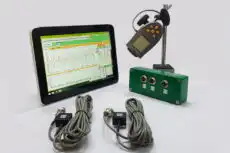
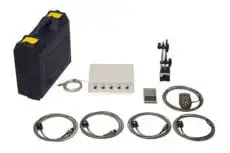
Тұрақты орнатылған қорғаныс жүйелері жедел тоқтатуды қамтамасыз етеді, алайда екі арналы портативті анализатор машина тоқтағаннан кейін тұрақсыздықты зерттеуде және кейінгі іске қосу тексерулерінде аса бағалы болып табылады. Мысалы, Балансет-1А суб-синхронды шыңды растау үшін FFT спектрін түсіреді, басқарылатын жылдамдықты арттыру кезінде оның амплитудасын бақылайды және инженерге тербелісті нақты өздігінен қозатын тығыздаушы тұрақсыздығына жатқызбас бұрын алдымен 1× unbalance мәселені жоққа шығаруға мүмкіндік береді — жұмыс жылдамдығындағы амплитуда мен фазаны өлшеу арқылы. Қарапайым теңгерімсіздікті, field balancing жоя алатынын, нақты бу тербелісінен ажырату маңызды алғашқы диагностикалық қадам болып табылады, өйткені соңғысы теңгерімдеу арқылы жойылмайды.
6. Салалар, қолданыстар және байланысты құбылыстар
Бу тербелісі мыналарда ерекше алаңдаушылық тудырады:
- Электроэнергия өндірісі: үлкен бу турбогенераторлары.
- Petrochemical: бумен жұмыс істейтін компрессорлар мен сорғылар.
- Gas turbines: авиациялық қозғалтқыштар мен өнеркәсіптік газ турбиналары.
- Өндірістік салалар: лабиринттік тығыздағыштармен жабдықталған кез келген жоғары жылдамдықты турбомашиналар.
Сондай-ақ ол өзара тығыз байланысты тұрақсыздықтар тобына жатады. Oil whirl тығыздағыш емес, мойынтіректің май қабатында бірдей тұрақсыздандырушы механизмді көрсетеді; shaft whip табиғи жиілікте бірдей жиілік бекітілуін (frequency lock-in) көрсетеді; олардың барлығы өздігінен қозатын тербелістердің кең санатына жатады ротор нестабилдігі. Тығыздағыш технологиясы мен мойынтірек конструкциясының жетілдірілуі оның пайда болу жиілігін азайтқанымен, бу вихрін (steam whirl) түсіну жоғары жылдамдықты, жоғары қысымды турбомашиналарды жобалайтын немесе пайдаланатын кез келген маман үшін маңызды болып қала береді.

