ಭ್ರಮಣ ಯಂತ್ರೋಪಕರಣಗಳಲ್ಲಿ ಒರೆತವನ್ನು ಅರ್ಥಮಾಡಿಕೊಳ್ಳುವುದು

ಒರೆತ is the friction contact and relative sliding motion between rotating and stationary components in a machine. The term emphasises the continuous friction aspect of ರೋಟರ್-ಸ್ಟೇಟರ್ ಸಂಪರ್ಕ, distinguishing it from the light, intermittent contact or single impacts that may also occur. Rubbing generates friction forces, releases significant heat through friction work, and produces a distinctive vibration signature dominated by backward whirl, ಸಬ್-ಸಿಂಕ್ರೋನಸ್ components and thermal effects. It is one of the most dangerous faults a rotating machine can develop, because it can escalate to failure within minutes.
“Rubbing” and “rotor rub” are often used interchangeably. In practice, rubbing tends to stress the friction and thermal side of the contact, while rotor rub is the broader umbrella covering every form of contact — from light scraping to hard impacts.
1. The Friction Mechanics of Rubbing
ಕೂಲಾಂಬ್ ಘರ್ಷಣಾ ಮಾದರಿ
Rubbing obeys the principles of dry (Coulomb) friction:
- Friction force: F = μ × N, where μ is the coefficient of friction and N is the normal force pressing the surfaces together.
- ದಿಕ್ಕು: the friction force always opposes the relative motion between the contacting surfaces.
- Typical coefficients: steel on steel μ ≈ 0.3–0.5; steel on seal material μ ≈ 0.2–0.4.
- Heat generation: essentially all of the friction work is converted to heat at the contact.
ಸ್ಪರ್ಶರೆಖೀಯ ಮತ್ತು ಲಂಬ ಬಲಗಳು
During contact, two force components act on the rotor:
- Normal force: pushes radially inward on the rotor at the rub point.
- Friction force: acts tangentially, opposing rotation.
- Resultant force: the combination tends to slow the rotor and deflect it backward, against the direction of spin.
- Torque increase: the friction dissipates power, raising the drive torque the machine must supply.
2. Characteristic Vibration Patterns
ಹಿಂಮುಖ ವರ್ಲ್
The single most distinctive feature of rubbing is backward (reverse) ವರ್ಲ್:
- The friction force creates a tangential component that drives the orbital motion backward.
- The shaft ಕಕ್ಷೆ traces opposite to the direction of shaft rotation.
- The whirl frequency is typically sub-synchronous — less than 1× running speed.
- Common frequencies appear at fractional orders: 0.5×, 0.33×, 0.25×.
- The orbit shape is often irregular or visibly distorted.
ಸ್ಪೆಕ್ಟ್ರಮ್ ವಿಶೇಷತೆಗಳು
- ಸಬ್-ಸಿಂಕ್ರೋನಸ್ ಪೀಕ್ಗಳು: multiple peaks below 1×, frequently at fractional harmonics.
- Synchronous component: 1× ಸಮಕಾಲಿಕ peak may rise as rub forces add to it.
- ಉನ್ನತ ಸುರಿತಗಳು: 2×, 3×, 4× harmonics appear from the non-linearity of intermittent friction.
- ಬ್ರಾಡ್ಬ್ಯಾಂಡ್ ಶಬ್ದ: the noise floor across the whole spectrum lifts.
- Unstable spectrum: peaks come and go or shift frequency from one measurement to the next.
ಕಾಲ ತರಂಗರೂಪದ ಲಕ್ಷಣಗಳು
- Impulsive events or spikes each time contact initiates, visible in the time waveform.
- Clipping or flattening at the peak deflections, where the stator physically limits travel.
- An irregular, non-sinusoidal overall shape.
- Beat patterns produced by several frequencies coexisting.
3. Thermal Effects of Rubbing
ಉಷ್ಣ ಉತ್ಪತ್ತಿ
Friction converts mechanical energy directly into heat:
- ದರ: the power dissipated equals friction force × sliding velocity.
- ಪ್ರಮಾಣ: a light rub may release 10–100 watts; a heavy rub, kilowatts.
- ಏಕಾಗ್ರತೆ: that heat is dumped into a very small contact area.
- ತಾಪಮಾನ ಏರಿಕೆ: local surface temperatures can exceed 500 °C in severe cases.
ತಾಪೀಯ ವಕ್ರತಾ ಅಭಿವೃದ್ಧಿ
The danger of rubbing lies in a heat–vibration feedback loop:
- The initial rub deposits heat on one side of the shaft.
- Asymmetric heating bends the shaft into a ಥರ್ಮಲ್ ಬೋ.
- The thermal bow increases the shaft’s deflection.
- Greater deflection drives more severe rubbing.
- More rubbing generates yet more heat.
- This positive feedback can lead to rapid, runaway failure.
Because each turn of this loop deepens the next, rubbing is regarded as a form of ಸ್ವಯಂ-ಪ್ರೇರಿತ ಕಂಪನ and a route into outright ರೋಟರ್ ಅಸ್ಥಿರತೆ.
ದ್ವಿತೀಯ ತಾಪೀಯ ಪರಿಣಾಮಗಳು
- Bearing heating: heat conducts along the shaft into the bearings.
- Oil degradation: excessive temperatures break down the lubricant.
- Material changes: phase transformations or metallurgical changes in the heat-affected zones.
- ಉಷ್ಣ ಒತ್ತಡ: can initiate cracks in the thermally stressed regions.
4. Detecting Rubbing in the Field
ಕಂಪನ ಮಾನಿಟರಿಂಗ್
- Sub-synchronous alarms: alert on peaks at 0.3–0.5× running speed.
- Orbit monitoring: automated orbit analysis flags the appearance of backward whirl.
- Spectral changes: algorithms detect the sudden arrival of multiple harmonics.
- Waveform clipping: detection of the non-sinusoidal distortion that contact produces.
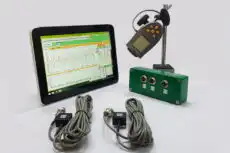
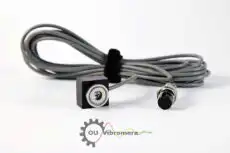
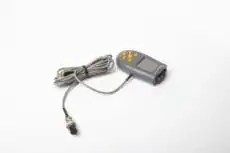
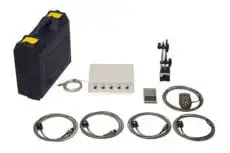
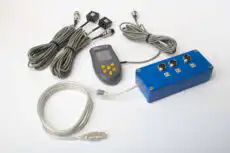
Recognising these patterns is exactly what a portable analyser is for. Working in the machine’s own bearings at operating speed, a two-channel instrument such as the ಬ್ಯಾಲೆನ್ಸೆಟ್-1ಎ captures the time waveform and 1× amplitude and phase, so a technician can see the impulsive clipping and the fractional-order energy that mark a rub, and then check whether residual unbalance or misalignment is the underlying driver before any teardown.
ತಾಪಮಾನ ವೀಕ್ಷಣೆ
- ಬೇರಿಂಗ್ ತಾಪಮಾನ ಸಂವೇದಕಗಳು with rapid-rise alarms.
- Infrared temperature monitoring of exposed shaft sections.
- Temperature-differential monitoring — top versus bottom of a bearing.
- Rate-of-change alarms, for example greater than 5 °C per minute.
ಹೆಚ್ಚುವರಿ ಸೂಚಕಗಳು
- Torque increase: power consumption rises as friction loads the drive.
- Speed fluctuation: small speed variations from the varying friction torque.
- Acoustic emission: high-frequency sound from the contact, detectable by ಅಕೌಸ್ಟಿಕ್ ಹೊರಸೂಲು ಸೆನ್ಸರ್ಗಳು.
- Visual inspection: wear debris, discolouration and visible scoring.
5. Responding to a Rub
ತಕ್ಷಣದ ಕ್ರಮಗಳು
- Reduce severity: decrease speed or load if it is safe to do so.
- Monitor closely: keep continuous watch on vibration and temperature.
- ಸ್ಥಗಿತಗೊಳಿಸುವುದಕ್ಕೆ ತಯಾರಿ ಮಾಡಿ: have an emergency ಶಟ್ಡೌನ್ ready.
- জরুরী ನಿಲುಗಡೆ: trip the machine if vibration or temperature is escalating.
- Allow cooldown: run the turning gear or allow natural cooling before inspection, so a thermal bow can relax.
ಪರಿಶೀಲನೆ
- Inspect for physical evidence of contact.
- Measure clearances at the suspected rub locations.
- Check for thermal bow or permanent ಶಾಫ್ಟ್ ಬೋ.
- Identify the root cause — excessive vibration, insufficient clearance, and so on.
ತಿದ್ದುಪಡಿ ಕ್ರಮಗಳು
- Increase clearances: machine out damaged areas or replace components.
- Address the root cause: ರೋಟರ್ ಸಮತೋಲನ ಮಾಡಿ, correct alignment, fix the bearing issue that allowed contact.
- Replace damaged parts: seals, bearing components and shaft sections as needed.
- Verify clearances: confirm adequate clearance at every location before restart.
Rubbing is one of the most serious vibration-related faults in rotating machinery. Its capacity to escalate rapidly through thermal feedback demands immediate recognition, a prompt and disciplined response, and thorough correction — because the alternative, in critical equipment, is catastrophic failure.

