ಭ್ರಮಣ ಯಂತ್ರೋಪಕರಣಗಳಲ್ಲಿ ಉಷ್ಣ ಬಾಗುವಿಕೆಯನ್ನು ಅರ್ಥಮಾಡಿಕೊಳ್ಳುವುದು






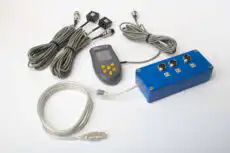
ಥರ್ಮಲ್ ಬೋ (ಇದನ್ನು hot bow, thermal bending, ಅಥವಾ temperature-induced shaft bow ಎಂದೂ ಕರೆಯಲಾಗುತ್ತದೆ) ಇದು ಒಂದು ರೋಟರ್ shaft when the temperature is not uniform around its circumference. When one side of the shaft runs hotter than the opposite side, the hot side expands more, lengthens, and forces the shaft into an arc with the hot side on the convex (outer) face of the curve. Unlike the permanent ಶಾಫ್ಟ್ ಬೋ that follows mechanical damage, thermal bow is reversible: it fades as the shaft returns to a uniform temperature. Even so, it can drive heavy vibration during warm-up and cool-down, and if it is severe or endlessly repeated it can leave permanent damage in its wake.
1. Definition: What Thermal Bow Is
Thermal bow is best thought of as a transient geometric fault. The shaft has not yielded and there is nothing wrong with its mass distribution; it is simply being bent, in real time, by a temperature gradient across its diameter. Because the bend is geometric and rotates with the shaft, the resulting vibration sits at running speed and looks, on a spectrum, almost exactly like unbalance. The crucial difference is that thermal bow comes and goes with temperature, whereas unbalance is fixed. That single behavioural clue — vibration that tracks the thermal state of the machine rather than its speed — is the thread that unravels the whole diagnosis.
2. Physical Mechanism
2.1 Thermal Expansion Differential
ಉಷ್ಣ ಬಾಗುವಿಕೆಯ ಹಿಂದಿರುವ ಭೌತಶಾಸ್ತ್ರ ಸರಳವಾಗಿದೆ:
- Metal expands when heated (the coefficient of thermal expansion is typically 10–15 µm/m/°C for steel).
- If the temperature is uniform around the circumference, expansion is symmetric — the shaft simply lengthens but stays straight.
- If one side is hotter, that side expands more than the cool side.
- The differential expansion forces a curvature.
- The bow magnitude is proportional to both the temperature difference and the shaft length.
The same coefficient that governs this gradient also drives the axial growth and fit changes engineers calculate elsewhere; the underlying arithmetic is identical to that in a ಉಷ್ಣ ವಿಸ್ತರಣ ಕ್ಯಾಲ್ಕುಲೇಟರ್, applied across the diameter rather than along the length.
2.2 Typical Temperature Differences
- A temperature difference of 10–20°C across the diameter can create a measurable bow.
- In large turbines, a 30–50°C difference can produce severe vibration.
- The effect accumulates along the shaft length, so longer shafts are inherently more susceptible.
3. Common Causes of Thermal Bow
3.1 Startup Conditions (Most Common)
- Asymmetric heating: hot steam, gas, or process fluid contacts the top of the shaft while the bottom stays cooler.
- Radiant heating: heat from hot casings or piping warms the upper portion of the shaft.
- Bearing friction: one bearing running hotter than the others heats its local shaft section.
- Rapid startup: insufficient warm-up time lets thermal gradients build before they can equalise.
3.2 Shutdown Conditions (Thermal Sag)
- Hot shutdown: the shaft stops rotating while still hot.
- Gravitational sag: heat rises, so the top of a horizontal shaft cools faster than the bottom.
- Thermal sag bow: the bottom stays hotter for longer, so the shaft bows downward.
- Critical period: the first few hours after shutdown.
3.3 Operational Causes
- Rotor–stator rub: friction from contact generates intense local heating — a self-reinforcing mechanism explored under ರೋಟರ್ ರಬ್.
- Uneven cooling: asymmetric cooling-air flow or water spray.
- Solar heating: outdoor equipment with sun on one side.
- ಪ್ರಕ್ರಿಯಾ ವ್ಯತ್ಯಯಗಳು: sudden temperature changes in the working fluid.
The rub case deserves special caution. A light rub heats one spot, which bows the shaft, which presses that spot harder against the seal, which heats it further — a runaway feedback loop (sometimes called the Newkirk effect) that can spiral a minor contact into severe vibration within minutes.
4. Symptoms and Detection
4.1 Vibration Characteristics
Thermal bow produces a distinctive set of symptoms:
- Frequency: 1× running speed — classic ಸಮಕಾಲಿಕ ಕಂಪನ.
- ಟೈಮಿಂಗ್: high during warm-up, falling as thermal equilibrium is reached.
- Phase changes: ಆ ಹಂತ ಕೋನ shifts as the bow develops and then resolves.
- Slow-roll vibration: high vibration even at very low speed, unlike unbalance.
- ಕಾಣಿಕೆ: looks like unbalance, but it is temperature-dependent.
4.2 Distinguishing Thermal Bow from Unbalance
| ಲಕ್ಷಣ | Unbalance | ಉಷ್ಣ ಬಾಗು |
|---|---|---|
| ಆವೃತ್ತಿ | 1× ರನ್ ವೇಗ | 1× ರನ್ ವೇಗ |
| ತಾಪಮಾನ ಸಂವೇದನಶೀಲತೆ | ತುಲನಾತ್ಮಕವಾಗಿ ಸ್ಥಿರವಾದ | ಬೆಚ್ಚಗಾಗುವ/ತಣ್ಣಗಾಗುವ ಅವಧಿಯಲ್ಲಿ ಹೆಚ್ಚು |
| Slow Roll (50–200 RPM) | ಬಹಳ ಕಡಿಮೆ ಆಂಪ್ಲಿಟ್ಯೂಡ್ | ಹೆಚ್ಚಿನ ಆಂಪ್ಲಿಟ್ಯೂಡ್ |
| ಹಂತ vs. ತಾಪಮಾನ | ಸ್ಥಿರ | ಬಾಗುವಿಕೆ ಬೆಳೆಯುತ್ತಿದ್ದಂತೆ ಬದಲಾಗುತ್ತದೆ |
| ಸ್ಥಿರತೆ | ಎಲ್ಲ ಸಮಯದಲ್ಲೂ ಸ್ಥಿರ | ತಾತ್ಕಾಲಿಕ, ಉಷ್ಣ ಸಮತೋಲನದಲ್ಲಿ ನಿವಾರಣೆಯಾಗುತ್ತದೆ |
| ಸಮತೋಲನಕ್ಕೆ ಪ್ರತಿಕ್ರಿಯೆ | ಕಂಪನ ಕಡಿಮೆಯಾಗಿದೆ | ಕನಿಷ್ಠ ಅಥವಾ ಯಾವುದೇ ಸುಧಾರೆ ಇಲ್ಲ |
Plotting amplitude and phase against time — or against bearing temperature — turns these table rows into an unmistakable picture: a vector that swings around as the rotor heats and then settles is thermal bow, while a vector that sits still is unbalance. A ಪೋಲರ್ ಪ್ಲಾಟ್ captured during ಪ್ರಾರಂಭ shows this migration at a glance.
4.3 Diagnostic Tests
4.3.1 Slow Roll Vibration Test
- Rotate the shaft at 5–10% of operating speed.
- ಕಂಪನವನ್ನು ಅಳೆಯಿರಿ ಮತ್ತು ರನ್-ಔಟ್.
- High slow-roll vibration indicates thermal or mechanical bow, not unbalance, whose force is negligible at such low speed.
4.3.2 Temperature Monitoring
- Monitor shaft or bearing temperatures during startup, ideally with a dedicated ತಾಪಮಾನ ಸಂವೇದಕ at several points.
- Measure temperature at multiple locations around the bearing circumference.
- Correlate vibration changes with the measured temperature gradients.
4.3.3 Startup Vibration Trending
- Plot vibration amplitude against time during warm-up.
- Thermal bow: high initially, then decreasing as equilibrium is approached.
- Unbalance: rises with speed and is independent of temperature.
5. ತಡೆಗಟ್ಟುವ ತಂತ್ರಗಳು
5.1 Operational Procedures
5.1.1 Proper Warm-Up Procedures
- Gradual temperature increase: let the shaft heat uniformly.
- Extended warm-up time: large turbines may need 2–4 hours.
- Temperature monitoring: track bearing and casing temperatures.
- ಕಂಪನ ಮೇಲ್ವಿಚಾರಣೆ: watch vibration during warm-up and delay any speed increase if it is high.
5.1.2 Turning Gear Operation
- For large turbines, run the turning gear (slow rotation, around 3–10 rpm) during warm-up and cool-down.
- Continuous rotation prevents thermal bow by distributing heat evenly around the circumference.
- It is industry standard practice for steam turbines above 50 MW.
- The turning gear may run for 8–24 hours during cool-down.
5.1.3 Shutdown Procedures
- Gradual cool-down: reduce load and temperature slowly before shutdown.
- Extended turning gear: keep the rotor turning as it cools.
- Avoid hot shutdowns: emergency stops leave the shaft hot and prone to sag bow.
5.2 Design Measures
- Thermal insulation: insulate casings to hold a uniform temperature.
- Heating jackets: external heaters for uniform pre-warming.
- ನೀರುಹೊರೆತ: prevent hot condensate pooling on the bottom of the shaft.
- ವಾತಾಯನ: ensure symmetric cooling-air flow.
6. Consequences of Thermal Bow
6.1 Immediate Effects
- ಉಚ್ಚ ಕಂಪನ: can reach 5–10× normal levels during warm-up, and is amplified dramatically if the bow forces the rotor through a critical speed.
- Bearing loading: the asymmetric bow increases bearing loads.
- Seal rubs: shaft deflection may cause contact with seals or other stationary parts.
- Startup delays: the crew must wait for vibration to subside before increasing speed.
6.2 Long-Term Damage
- ಬೇರಿಂಗ್ ಸವೆತ: repeated high vibration accelerates ಬೇರಿಂಗ್ ಧರಣೆ.
- Seal damage: repeated rubs destroy seal components.
- ದಣಿವು: the cyclic bending stress of each startup contributes to ದಣಿವು over the rotor’s life.
- Permanent set: severe or repeated thermal bow can eventually cause permanent plastic deformation — at which point a reversible fault has become a permanent ಶಾಫ್ಟ್ ಬೋ.
7. Correction and Mitigation
7.1 For Active Thermal Bow
- Allow time: wait for thermal equilibrium before increasing speed.
- Slow roll: rotate slowly to redistribute heat where possible.
- Do not attempt balancing: ಸಮತೋಲನ cannot correct thermal bow and will be ineffective.
- Address the heat source: identify and eliminate the asymmetric heating.
7.2 For Thermal Sag Bow (After Shutdown)
- Turning gear: keep the rotor slowly rotating throughout cool-down.
- Extended roll time: 12–24 hours of turning-gear operation may be required.
- Temperature monitoring: continue until the shaft temperature is uniform.
- Delayed restart: if a bow has developed, wait for natural straightening before restarting.
8. Industry-Specific Considerations
8.1 Steam Turbines
- The most susceptible machines, owing to high temperatures and massive rotors.
- Elaborate warm-up and cool-down procedures are standard practice.
- Turning gear is mandatory for units above 50 MW.
- They may need 2–4 hours of warm-up and 12–24 hours of cool-down on turning gear.
8.2 Gas Turbines
- Faster thermal response because of their smaller rotor mass.
- Thermal bow at startup is less common but still possible.
- Combustion-side heating can create circumferential asymmetries.
- Warm-up cycles are typically quicker than for steam turbines.
8.3 Large Electric Motors and Generators
- Thermal bow can arise from rotor-winding heat or bearing friction.
- Outdoor installations are subject to solar heating on one side.
- Pre-startup turning or heating may be required.
9. Monitoring and Alarming
9.1 Key Monitoring Parameters
- Slow-roll vibration: measure at low speed before normal startup.
- Bearing temperature differential: compare top versus bottom temperatures.
- Vibration vs. temperature: plot amplitude against bearing temperature.
- ಹಂತ ಕೋನ: track phase changes that signal a developing bow.
9.2 Alarm Criteria
- Slow-roll vibration greater than 2× baseline triggers an alarm.
- A temperature differential above 15–20°C indicates a thermal imbalance.
- Rapid phase changes (more than 30° in 10 minutes) suggest a developing bow.
- Vibration increasing during warm-up rather than decreasing.
These criteria fit naturally into a broader ಸ್ಥಿತಿ ಮೇಲ್ವಿಚಾರಣೆ programme, where startup and coast-down data are captured as ಕ್ಷಣಿಕ ಕಂಪನ records rather than steady-state snapshots.
10. Advanced Startup Strategies
10.1 Controlled Acceleration
- Initial slow roll: verify acceptable vibration at 100–200 rpm.
- Staged acceleration: step up to intermediate speeds (for example 30%, 50%, 70% of normal) with holds.
- Thermal soak periods: hold a constant speed for 15–30 minutes at each stage.
- Vibration verification: confirm vibration is falling at each stage before proceeding.
- Temperature monitoring: ensure the thermal gradients are shrinking throughout.
10.2 Automated Startup Systems
Modern control systems can automate thermal-bow management:
- Programmable warm-up sequences.
- Automatic hold periods if vibration or temperature limits are exceeded.
- Real-time calculation of bow magnitude from vibration and temperature.
- Adaptive speed profiles based on the measured conditions.
11. Relationship to Other Phenomena
11.1 Thermal Bow vs Permanent Bow
- ಉಷ್ಣ ಬಾಗು: temporary, disappears at thermal equilibrium.
- Permanent bow: plastic deformation that remains even when the shaft is cold.
- ಅಪಾಯ: severe, repeated thermal bow can eventually cause a permanent set.
11.2 Thermal Bow and Balancing
- ಮಾಡಲು ಪ್ರಯತ್ನಿಸುವುದು ಸಮತೋಲನ a rotor while it is thermally bowed is futile.
- Correction weights calculated for the bowed condition will be wrong once equilibrium is reached.
- Always allow thermal stabilisation before balancing.
- Thermal bow can also mask a genuine underlying unbalance.
This is exactly why field balancing must wait for a stable thermal state. Once the rotor has soaked at speed and the slow-roll run-out confirms it is running true, a portable two-channel analyser such as the ಬ್ಯಾಲೆನ್ಸೆಟ್-1ಎ can measure the 1× amplitude and phase, compute the ಪ್ರಭಾವ ಗುಣಾಂಕಗಳು, and verify the final ಉಳಿದ ಅಸಮತೋಲನ against an ISO 21940-11 grade — capturing the true hot-running balance state that a cold balancing machine never sees. The permissible residual for the job can be worked out in advance with the ಉಳಿದ ಅಸಮತೋಲನ ಕ್ಯಾಲ್ಕುಲೇಟರ್ (ISO 21940-11).
12. Prevention Best Practices
12.1 For New Installations
- Design symmetric heating and cooling systems.
- Install turning gear for equipment above 100 kW or with a shaft longer than 2 metres.
- Provide adequate drainage to prevent hot-fluid accumulation.
- Insulate to minimise radiant heat transfer.
12.2 For Existing Equipment
- Develop and strictly follow written warm-up procedures.
- Train operators on thermal-bow risks and symptoms.
- Install temperature monitoring at multiple locations.
- Use vibration trending during startups to spot thermal issues.
- Document historical data to refine the procedures over time.
12.3 Maintenance Practices
- Verify turning-gear operation before every shutdown.
- Check the calibration of bearing-temperature sensors.
- Inspect drainage systems for blockages.
- Verify insulation integrity.
- Find and eliminate any source of asymmetric heating.
Thermal bow, though temporary and reversible, is a significant operational challenge for large rotating machinery. Understanding its causes, recognising its symptoms, and following proper warm-up and cool-down procedures are essential for the reliable operation of steam turbines, gas turbines, and other high-temperature rotating equipment — and for telling, in the moment, the difference between a rotor that simply needs time to settle and one that genuinely needs to be balanced.

