ಕ್ಲಚ್ ದೋಷಗಳನ್ನು ಅರ್ಥಮಾಡಿಕೊಳ್ಳುವುದು

ಕ್ಲಚ್ ದೋಷಗಳು are the failure modes that develop in friction and electromagnetic clutches — the devices that allow controlled engagement and disengagement of power transmission between two shafts. They include friction-material wear and glazing, warped pressure plates, weakened springs, contamination by oil or debris, electromagnetic coil failure, and mechanical damage to the engagement mechanism. In service these defects reveal themselves as slippage (incomplete torque transmission), chatter (oscillating engagement), excessive heat, and characteristic vibration signatures that vibration analysis can pick out either during engagement or in steady running.
What sets a clutch apart from a permanent ಕಪ್ಲಿಂಗ್ is that it must repeatedly engage and release. Each cycle adds wear and fatigue and steadily consumes service life. Because of that duty, the defect modes are clutch-specific, and recognising them matters wherever clutches are used for starting, stopping or torque limiting — on pumps, compressors, conveyors, machine tools and countless automotive drivetrains.
1. Common Clutch Defects by Type
Friction-disc clutches
The most familiar design relies on a friction surface clamped by springs, and most of its faults trace back to that interface.
- Friction-material wear: the normal consequence of repeated engagement and slip. As the lining thins below its minimum specification, torque capacity falls and slip rises. Typical life ranges from about 1,000 to 10,000 engagements depending on duty.
- Glazing: excessive heat polishes the lining into a hard, shiny, smooth surface in place of its matte texture, dropping the friction coefficient and inviting slip. Light abrasion or replacement restores grip.
- Hot spots and warping: uneven contact causes localised overheating that warps the disc or pressure plate, producing chatter and pulsating torque on engagement. Resurface if within limits, otherwise replace.
- Spring weakening: pressure springs lose tension through heat and fatigue, reducing clamping force, increasing slip and lowering torque capacity until the springs — or the whole clutch — are renewed.
Electromagnetic clutches
Magnetically actuated clutches add an electrical dimension to the same mechanical wear story.
- Coil failure: the electromagnetic coil burns out or shorts, the magnetic force collapses, and the clutch either fails to engage or engages weakly. A simple coil-resistance or current-draw check confirms it.
- Air-gap issues: an excessive ವಾಯು ಅಂತರ from wear or mis-adjustment leaves too little magnetic force for full engagement, so the clutch only partially engages and overheats from slip. Measure and reset the gap to specification.
- Friction-surface wear: as on mechanical clutches, the friction face wears, torque transmission drops and heating accelerates toward failure.
2. ಕಂಪನ ಸಹಿ
During engagement — chatter
Clutch chatter is oscillating stick-slip as the surfaces grab and release during engagement. It typically appears as a low-frequency event in the 5–30 Hz band and feels like a jerky, stuttering take-up instead of a smooth one. The usual culprits are glazed friction surfaces, warped components, contamination or incorrect spring pressure. The result is ಟಾರ್ಸಿಯನಲ್ ಕಂಪನ transmitted through the drivetrain, which can in turn damage downstream ಗಿಯರ್ಗಳು, shafts and couplings.
During continuous operation
- Healthy, balanced clutch: contributes very little to the overall vibration level.
- Unbalanced clutch components: mass asymmetry in the assembly shows up as a 1× ರನ್ನಿಂಗ್-ಸ್ಪೀಡ್ component, the classic signature of unbalance.
- Partial engagement (slipping): the speed difference between input and output produces erratic, ಸಬ್-ಸಿಂಕ್ರೋನಸ್ components.
- ಯಾಂತ್ರಿಕ ಸಡಿಲತೆ: a clutch loose on its shaft generates a train of harmonics, the hallmark of ಯಾಂತ್ರಿಕ ಸಂಸ್ಥೋಲನ.
Slip-related vibration
When a clutch slips continuously — because it is defective or overloaded — the persistent speed difference between input and output shafts generates ಬೀಟ್ ಫ್ರೀಕ್ವೆನ್ಸಿಗಳು from the small speed mismatch, torsional vibration in the drivetrain, and a great deal of heat. Sustained slip is one of the fastest ways to destroy a clutch.
3. Common Causes of Clutch Defects
- Normal wear: expected degradation over a duty-cycle-dependent life as friction material thins and springs relax.
- Excessive slipping: driven by overload, poor adjustment or worn lining, slip generates heat rapidly and can wreck a clutch in minutes when severe.
- ಅಸಮರೇಖೀಕರಣ: clutch halves that are not concentric or parallel load unevenly, accelerating wear, provoking chatter and raising bearing loads. The same ಶಾಫ್ಟ್ ಅಸರಿಕೆ that troubles couplings afflicts clutches.
- ಮಾಲಿನ್ಯ: oil or grease reduces friction and causes slipping; abrasive particles accelerate lining wear; moisture promotes ಕೋರೋಶನ್ and alters friction behaviour.
- ಅತಿಭಾರ: torque beyond the clutch rating causes slip, overheating and rapid wear, whether chronic from an undersized clutch or transient from shock loads.
4. Diagnosis and Troubleshooting
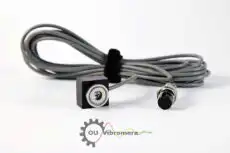
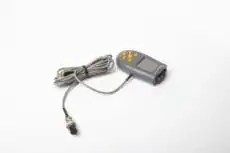
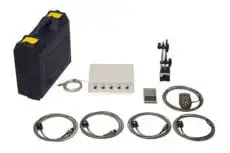
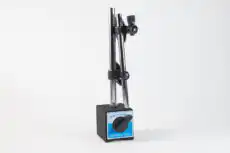
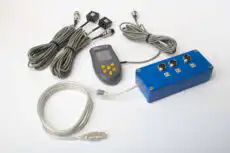
A structured check separates a worn clutch from an overloaded or misaligned one. Work through engagement quality (smooth versus jerky, complete versus partial), then test for slippage by comparing input and output speed under load. Feel or measure the clutch temperature — warm is acceptable, hot is not — and listen for rattling, squealing or grinding. A vibration check should look for the chatter band and any slip-induced components, and a visual inspection of the friction surfaces, where accessible, ties the picture together. Because slip leaves a clear speed-difference fingerprint, a two-channel analyser that captures both shaft speeds and the vibration response is well suited to confirming the diagnosis; the ಬ್ಯಾಲೆನ್ಸೆಟ್-1ಎ, for instance, uses its tachometer and vibration channels to track engagement speed and the resulting spectrum in the field. Once the cause is known, the corrective actions are direct: verify engagement adjustment to the maker’s spec, clean contamination from the friction surfaces, correct any misalignment, confirm applied torque stays within rating, and replace worn discs, springs or the complete clutch as needed.
5. Prevention and Life Extension
ಕಾರ್ಯ ಅಭ್ಯಾಸಗಳು
Because every engagement spends a slice of finite life, the most effective measures are operational. Avoid unnecessary engagements, use gradual take-up to limit shock, and never ride the clutch in partial engagement, which dumps heat into the lining. Keep the unit clean and dry and operate within its torque rating.
Maintenance practices
Periodic adjustment compensates for normal wear and restores clamping force. Keep friction surfaces clean, lubricate only the release mechanism — never the friction faces — and confirm that cooling airflow is unobstructed. Replacing worn components before they fail completely is far cheaper than the collateral damage of a clutch that lets go in service.
Clutch defects are specific to machinery that uses clutches rather than permanent couplings, but they announce themselves through distinctive vibration and operating symptoms. Understanding the wear mechanisms, the engagement dynamics and the maintenance routine they demand keeps clutch-equipped equipment running reliably and heads off the costly failures that follow a worn or contaminated clutch.

