ಬಹು-ಸಮತಲ ಸಮತೋಲನವನ್ನು ಅರ್ಥಮಾಡಿಕೊಳ್ಳುವುದು


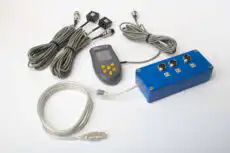
ಬಹುಸಮತಲ ಸಮತೋಲನ ಒಂದು ಸುಧಾರಿತ ಸಮತೋಲನ ಮೂರು ಅಥವಾ ಅದಕ್ಕಿಂತ ಹೆಚ್ಚಿನ ನಿರ್ವಹಿಸುವ ವಿಧಾನ ಸುಧಾರಣೆ ಸಮತಲಗಳು ಕಂಪನ ಸ್ವೀಕಾರ್ಯ ಮಟ್ಟಗಳಿಗೆ ಕಡಿಮೆ ಮಾಡಲು ರೋಟರ್ನ ಉದ್ದದ ಉದ್ದಕ್ಕೂ ವಿತರಿಸಲಾಗಿದೆ. ಇದು ನಿರ್ಬಂಧಿತ ತಂತ್ರವಾಗಿದೆ ಮತ್ತು ಸಂಕೀರ್ಣ ಗೇರ್ ವ್ಯವಸ್ಥೆಗಳು. ಅವರು ಎರಡು-ಚ್ಯಾನಲ್ FFT ವಿಶ್ಲೇಷಣೆ, ಅಂತಹ ಮುಂದಸಾಲಿನ ತಂತ್ರಗಳನ್ನು ಪ್ರವೀಣ — ಶಾಫ್ಟ್ಗಳು ಕಾರ್ಯಾಚರಣೆಯಲ್ಲಿ ಗಮನಾರ್ಹವಾಗಿ ಬಾಗುತ್ತವೆ ಏಕೆಂದರೆ ಅವುಗಳು ಒಂದು ಅಥವಾ ಹೆಚ್ಚಿನ ಮೇಲೆ ಚಲಾಯಿತವಾಗುತ್ತವೆ ನಿರ್ಣಾಯಕ ವೇಗ. ಅಲ್ಲಿ ಎರಡು-ಸಮತಲ ಸಮತೋಲನ ಸಂಪೂರ್ಣವಾಗಿ ನಿರ್ಣತ ರೋಟರ್ನ ಸ್ಥಿರ ಮತ್ತು ದಂಪತಿ ಅಸಮತೋಲನ, ಬಹು-ಸಮತಲ ಸಮತೋಲನವು ಅದೇ ಪ್ರಭಾವ ಗುಣಾಂಕ ತರ್ಕವನ್ನು ಸಂಕೀರ್ಣ ಬಾಗುವ ಆಕಾರಗಳನ್ನು ನಿಯಂತ್ರಿಸಲು — ಮೋಡ್ ಆಕಾರಗಳು — ಒಂದು ನಮ್ಯ ರೋಟರ್ ವೇಗದಲ್ಲಿ ಅನುಭವ ಮಾಡುತ್ತದೆ.
1. ವ್ಯಾಖ್ಯಾನ ಮತ್ತು ಮೂಲಭೂತ ಕಲ್ಪನೆ
ನಿರ್ಣತ ರೋಟರ್ನ ಅಸಮತೋಲನವು ಕೇವಲ ಎರಡು ಸ್ವತಂತ್ರ ಅಂಶಗಳಲ್ಲಿ ವಾಸ ಮಾಡುತ್ತದೆ, ಆದ್ದರಿಂದ ಎರಡು ಸಮತೋಲನ ಸಮತಲಗಳು ಅದನ್ನು ಸಂಪೂರ್ಣವಾಗಿ ವರ್ಣಿಸುತ್ತವೆ. ಒಂದು ನಮ್ಯ ರೋಟರ್ ವಿಭಿನ್ನವಾಗಿದೆ: ಇದು ಬಾಗುವುದರೊಂದಿಗೆ, ಅಸಮತೋಲನದ ತಾಜಾ ವಿತರಣೆಗಳು ಕೇಂದ್ರಮುಖ ಬಲವನ್ನು ಎರಡು ಸಮತಲಗಳು ಪ್ರತಿನಿಧಿಸಲು ಸಾಧ್ಯವಿಲ್ಲ ಎಂದು ತೋರುತ್ತದೆ. ತಿರುಗುವ ಪೀಠ ಹಾದುಹೋಗುವ ಪ್ರತಿಯೊಂದು ಬಗ್ಗುವ ರೀತಿ ತನ್ನದೇ ಆದ ವಿವರಣ ಆಕೃತಿ ಮತ್ತು ತನ್ನದೇ ಆದ ಸರಿಪಡಿಸುವ ತೂಕದ ಅಲೆ ಬೇಕಾಗುತ್ತದೆ. ಸಮತಲಗಳನ್ನು ಸೇರಿಸುವುದು — ಮೂರು, ನಾಲ್ಕು ಅಥವಾ ಅದಕ್ಕಿಂತ ಹೆಚ್ಚು — ವಿಶ್ಲೇಷಕನಿಗೆ ಅನೇಕ ಸಮತಲಗಳಲ್ಲಿ ಮತ್ತು ಸಂಪೂರ್ಣ ಆಪರೇಟಿಂಗ್ ವೇಗ ಶ್ರೇಣಿ ಸಲುವಾಗಿ ಕೆಲಸ ಮಾಡುವ ಸರಿಪಡಿಸುವ ತೂಕದ ಅಲೆ ಮಾಡಿಸುವುದಕ್ಕೆ ಸಾಕಷ್ಟು ಸ್ವತಂತ್ರ “ನಿಯಂತ್ರಕಗಳು” ನೀಡುತ್ತದೆ, ಕೇವಲ ಒಂದು ಬೇರಿಂಗ್ ಅಥವಾ ಒಂದು ವೇಗದಲ್ಲಿ ಅಲ್ಲ.
2. ಬಹು-ಸಮತಲ ಸರಿಪಡಿಸುವಿಕೆ ಯಾವಾಗ ಅಗತ್ಯವಾಗಿದೆ?
ಹಲವು ನಿರ್ದಿಷ್ಟ ಸನ್ನಿವೇಶಗಳು ಎರಡು ಸಮತಲಗಳಿಗಿಂತ ಹೆಚ್ಚು ಬೇಕಾಗುತ್ತವೆ:
ನಿರ್ಣಾಯಕ ವೇಗಗಳನ್ನು ಮೀರಿ ಕಾರ್ಯಾಚರಣೆಯ ಮಧ್ಯೆ ಪೀಠಗಳು
ಪ್ರಸಿದ್ಧ ಪ್ರಕರಣವೆಂದರೆ ದೀರ್ಘ, ಸರಳ ಲವಚಿಕ ರೋಟರ್ ತನ್ನ ಮೊದಲನೆಯ — ಮತ್ತು ಕೆಲವೊಮ್ಮೆ ಎರಡನೆಯ ಅಥವಾ ಮೂರನೆಯ — ನಿರ್ಣಾಯಕ ವೇಗ ಮೀರಿ ಚಲಿಸುತ್ತದೆ. ವಿಶಿಷ್ಟ ಉದಾಹರಣೆಗಳು ಇವೆ:
- ಆವಿ ಮತ್ತು ಅನಿಲ ಟರ್ಬೈನ್ ಪೀಠಗಳು
- ಅತಿ ವೇಗದ ಸಂಕೋಚಕ ತೇಲುಕಗಳು
- ಕಾಗದ ಯಂತ್ರ ಸುತ್ತಿಗೆಗಳು
- ಭಾರೀ ವಿದ್ಯುತ್ ಜನಕ ಪೀಠಗಳು
- ಕೇಂದ್ರೀಯ ಪೀಠಗಳು
- ಅಧಿಕ-ವೇಗ ಸ್ಪಿಂಡಲ್ಗಳು
ಈ ಪೀಠಗಳು ಕಾರ್ಯಾಚರಣೆ ಸಮಯದಲ್ಲಿ ಗಣನೀಯವಾಗಿ ಬಗ್ಗುತ್ತವೆ, ಮತ್ತು ವಿವರಣ ಆಕೃತಿ ವೇಗ ಮತ್ತು ಯಾವ ರೀತಿ ಸಕ್ರಿಯವಾಗುತ್ತಿದೆ ಎಂಬುದರೊಂದಿಗೆ ಬದಲಾಗುತ್ತದೆ. ಎರಡು ಸರಿಪಡಿಸುವ ಸಮತಲಗಳು ಸರಳವಾಗಿ ಪ್ರತಿ ಆಪರೇಟಿಂಗ್ ವೇಗದಲ್ಲಿ ಕಂಪನವನ್ನು ತಡೆಯಲು ಸಾಧ್ಯವಿಲ್ಲ.
ತುಂಬಾ ದೀರ್ಘ ಕಠಿಣ ಪೀಠಗಳು
ಪರಿಮಾಣ ವಿಷಯದಲ್ಲಿ ಕಠಿಣ ರೋಟರ್, ಅದರ ವ್ಯಾಸಕ್ಕೆ ಸಾಪೇಕ್ಷವಾಗಿ ಅತಿ ದೀರ್ಘವಾಗಿದ್ದರೆ, ತೇಲುಕದ ಉದ್ದಕ್ಕೂ ಹಲವು ಬೇರಿಂಗ್ ಸ್ಥಾನಗಳಲ್ಲಿ ಕಂಪನವನ್ನು ಕಡಿಮೆ ಮಾಡಲು ಮೂರು ಅಥವಾ ಅದಕ್ಕಿಂತ ಹೆಚ್ಚು ಸಮತಲಗಳನ್ನು ಪ್ರಯೋಜನವನ್ನು ನೀಡಬಹುದು.
ಸಂಕೀರ್ಣ ದ್ರವ್ಯರಾಶಿ ವಿತರಣೆ ಹೊಂದಿರುವ ಪೀಠಗಳು
ವಿವಿಧ ಅಕ್ಷೀಯ ಸ್ಥಾನಗಳಲ್ಲಿ ಹಲವು ಪಂಚ್, ಚಕ್ರ ಅಥವಾ ಪಂಚನ ಆಹಾರಗಳನ್ನು ಸರಿಸುವ ಪೀಠಗಳು ಪ್ರತಿಯೊಂದು ಅಂಶವನ್ನು ಪ್ರತ್ಯೇಕವಾಗಿ ಸರಿಪಡಿಸುವ ಅಗತ್ಯ ಇರಬಹುದು, ಇದು ನೈಸರ್ಗಿಕವಾಗಿ ಬಹು-ಸಮತಲ ಕಾರ್ಯವಿಧಾನವಾಗುತ್ತದೆ.
ಎರಡು-ಸಮತಲ ಸರಿಪಡಿಸುವಿಕೆ ಅಸಾಕ್ಷ್ಯವೆಂದು ಸಾಬೀತಾದಾಗ
ಎರಡು-ಸಮತಲ ಪ್ರಯತ್ನವು ಬೇರಿಂಗ್ಗಳನ್ನು ವಿನಿರ್ದೇಶನಗೆ ತರುತ್ತದೆ ಆದರೆ ಕಂಪನ ಮಧ್ಯಂತರ ಬಿಂದುಗಳಲ್ಲಿ ಹೆಚ್ಚಾಗಿರುತ್ತದೆ — ಸಾಮಾನ್ಯವಾಗಿ ಬೇರಿಂಗ್ಗಳ ನಡುವೆ ದೊಡ್ಡ ಮಧ್ಯ-ಮಧ್ಯಭಾಗದ ವಿವರಣೆ — ಆ ಸರಿಪಡಿಸದ ಬಗ್ಗುವಿಕೆ ಹೆಚ್ಚಿನ ಸಮತಲಗಳು ಅಗತ್ಯವಾಗುತ್ತವೆ ಎಂಬುದರ ಸಂಕೇತ.
3. ವಿಚಕ್ಷಣ: ಮಧ್ಯೋಪಚರೀ-ಪೀಠ ಡೈನಾಮಿಕ್ಗಳು
ಮೂರು ಪರಸ್ಪರ ಜೋಡಿತ ಪರಿಣಾಮಗಳು ಬಹು-ತಲ ಸಮತೋಲನವನ್ನು ನಿಜವಾಗಿಯೂ ಕಷ್ಟಕರ ಮಾಡುತ್ತವೆ.
ಮೋಡ್ ಆಕಾರಗಳು
ನಮ್ಮ ನಮ್ಯ ರೋಟರ್ ಸಾಂಕೇತಿಕ ವೇಗವನ್ನು ಭೇದಿಸುವಾಗ, ಇದು ಮೋಡ್ ಆಕಾರ ಎಂಬ ವಿಶಿಷ್ಟ ವಿಧಿಯಲ್ಲಿ ಪ್ರಕಂಪನೆಗೊಳ್ಳುತ್ತದೆ. ಮೊದಲ ಮೋಡ್ ಶಾಫ್ಟ್ ಅನ್ನು ಒಂದೇ ನಿರ್ವಿನೋದ ಚಾಪವಾಗಿ ಬಾಗುತ್ತದೆ; ಎರಡನೆಯವು ಮಧ್ಯ ಬಿಂದುವನ್ನು ಹೊಂದಿರುವ S-ವಕ್ರವನ್ನು ರೂಪಿಸುತ್ತದೆ ನೋಡ್ ಹತ್ತಿರ ಮಧ್ಯ-ವ್ಯಾಪ್ತಿ; ಉನ್ನತ ಮೋಡ್ಗಳು ಕ್ರಮೇಣ ಹೆಚ್ಚು ಜಟಿಲವಾಗುತ್ತವೆ. ಪ್ರತಿಯೊಂದು ಮೋಡ್ಗೆ ಸರಿಪಡಿಸುವ ತೂಕದ ತನ್ನದೇ ಹಂಚನೆ ಬೇಕಾಗುತ್ತದೆ, ಇದು ಎಂದು ಮೋಜು ಒಂದೇ-ವೇಗ ಸರಿಪಡಿಸುವಿಕೆ ಸಾಮಾನ್ಯವಾಗಿ ವಿಫಲವಾಗುತ್ತದೆ.
ವೇಗ-ಅವಲಂಬಿತ ಪರಿಣಾಮ
ನಮ್ಮ ನಮ್ಯ ರೋಟರ್ನ ಅಸಮತೋಲನ ಪ್ರತಿಕ್ರಿಯೆ ವೇಗದೊಂದಿಗೆ ನಾಟಕೀಯವಾಗಿ ಬದಲಾಗುತ್ತದೆ. ಒಂದೇ ವೇಗದಲ್ಲಿ ರೋಟರ್ನನ್ನು ಶಾಂತಗೊಳಿಸುವ ಸರಿಪಡಿಸುವಿಕೆ ಅನುಪಯುಕ್ತವಾಗಿರಬಹುದು - ಅಥವಾ ಸಕ್ರಿಯವಾಗಿ ಹಾನಿಕಾರಕವಾಗಿರಬಹುದು - ಇನ್ನೊಂದು ವೇಗದಲ್ಲಿ. ಬಹು-ತಲ ಸಮತೋಲನವು ಆದ್ದರಿಂದ ಸಂಪೂರ್ಣ ಆಪರೇಟಿಂಗ ವೇಗ ವ್ಯಾಪ್ತಿಯನ್ನು ಪರಿಗಣಿಸಬೇಕು, ಇದನ್ನು ಸಾಮಾನ್ಯವಾಗಿ ಒಂದರಲ್ಲಿ ದೃಢೀಕರಿಸಲಾಗುತ್ತದೆ ಬೋಡ್ ಪ್ಲಾಟ್ ಪ್ರತಿಯೊಂದು ಪ್ರತಿಧ್ವನನೆಯ ಮೂಲಕ ನೆಲೆಕೊಳ್ಳಿ.
ಕ್ರಾಸ್-ಕಪ್ಲಿಂಗ್ ಪರಿಣಾಮಗಳು
ಯಾವುದೇ ಒಂದು ತಲದಲ್ಲಿರುವ ತೂಕವು ಪ್ರಕಂಪನೆ ಮೇಲೆ ಪ್ರಭಾವ ಬೀರುತ್ತದೆ ಪ್ರತಿ ಮಾಪನ ಸ್ಥಳ. ಮೂರು, ನಾಲ್ಕ ಅಥವಾ ಹೆಚ್ಚಿನ ತಲೆಗಳೊಂದಿಗೆ ಪರಸ್ಪರ ಕ್ರಿಯೆಯ ನೆಟ್ವರ್ಕ್ ದ್ವಿ-ತಲ ಕೆಲಸದ ಅಲ್ಪ 2×2 ಸಂಬಂಧಕ್ಕಿಂತ ಹೆಚ್ಚು ದಟ್ಟವಾಗುತ್ತದೆ, ಮತ್ತು ಬುಕ್ಕೀಪಿಂಗ್ ಕೈಯಿಂದ ಮಾಡಬಹುದಾದ ಹೊರತುಪಡಿಸಿ ನೆಲೆಕೊಳ್ಳುತ್ತದೆ.
4. ಬಹು-ತಲ ಸಮತೋಲನ ಕಾರ್ಯವಿಧಾನ
ಕಾರ್ಯವಿಧಾನವು ವಿಸ್ತೃತ ವಿಸ್ತರಣೆಯಾಗಿದೆ ಪ್ರಭಾವ ಗುಣಾಂಕ ವಿಧಾನ ಎರಡು ತಲೆಗಳಿಗಾಗಿ ಬಳಸಲಾಗುತ್ತಿದೆ.
ಹಂತ 1 - ಆರಂಭಿಕ ಮಾಪನಗಳು
ರೋಟರ್ನ ಉದ್ದಕ್ಕೂ ಹಲವಾರು ಸ್ಥಳಗಳಲ್ಲಿ ಪ್ರಕಂಪನೆ ಅಳತೆ ಮಾಡಿ - ಸಾಮಾನ್ಯವಾಗಿ ಪ್ರತಿಯೊಂದು ಬೆಲ್ಟ್ನಲ್ಲಿ, ಮತ್ತು ಕೆಲವೊಮ್ಮೆ ಮಧ್ಯಂತರ ಬಿಂದುಗಳಲ್ಲಿ - ಆಸಕ್ತಿಯ ಆಪರೇಟಿಂಗ ವೇಗದಲ್ಲಿ. ನಮ್ಮ ನಮ್ಯ ರೋಟರ್ಗಳಿಗೆ, ಓದುವಿಕೆ ಸಾಮಾನ್ಯವಾಗಿ ಪ್ರತಿಯೊಂದು ಮೋಡ್ ಕ್ಯಾಪ್ಚರ್ ಮಾಡಲು ಬಹು ವೇಗದಲ್ಲಿ ತೆಗೆದುಕೊಳ್ಳಲಾಗುತ್ತದೆ.
ಹಂತ 2 - ಸರಿಪಡಿಸುವ ತಲೆಗಳನ್ನು ವ್ಯಾಖ್ಯಾನಿಸಿ
N ಸರಿಪಡಿಸುವ ತಲೆಗಳನ್ನು ಗುರುತಿಸಿ, ಅಲ್ಲಿ ತೂಕವನ್ನು ಸೇರಿಸಬಹುದು, ಆಕ್ಸೆಸ್ಯೋಗ್ಯ ವೈಶಿಷ್ಟ್ಯಗಳಲ್ಲಿ ರೋಟರ್ನ ಉದ್ದಕ್ಕೂ ವಿತರಿಸಲಾಗುತ್ತದೆ, ಉದಾಹರಣೆಗೆ ಜೋಡಿಸುವ ಫ್ಲ್ಯಾಂಜ್, ಚಕ್ರ ರಿಮ್ಗಳು ಅಥವಾ ಉದ್ದೇಶ-ಮಾಡಿ ಸಮತೋಲನ ಬಿರುದುಗಳು.
ಹಂತ 3 - ಕ್ರಮೇಣ ಪರೀಕ್ಷೆ-ತೂಕ ಚಲಾವಣೆಗಳು
ರನ್ N ಪರೀಕ್ಷಾ ರನ್ಗಳು, ಪ್ರತಿಯೊಂದು ಒಂದೇ trial weight ಒಂದು ತಲದಲ್ಲಿ. ಉದಾಹರಣೆಗೆ, ನಾಲ್ಕು ತಲೆಗಳಿಗೆ:
- ರನ್ 1: ಮಾತ್ರ ತಲ 1 ರಲ್ಲಿ ಪರೀಕ್ಷೆ ತೂಕ
- ರನ್ 2: ಪ್ಲೇನ್ 2 ರಲ್ಲಿ ಮಾತ್ರ ಪ್ರಯೋಗ ತೂಕ
- ರನ್ 3: ಪ್ಲೇನ್ 3 ರಲ್ಲಿ ಮಾತ್ರ ಪ್ರಯೋಗ ತೂಕ
- ರನ್ 4: ಪ್ಲೇನ್ 4 ರಲ್ಲಿ ಮಾತ್ರ ಪ್ರಯೋಗ ತೂಕ
ಪ್ರತಿಯೊಂದು ರನ್ನಲ್ಲಿ, ಎಲ್ಲಾ ಸೆನ್ಸರ್ ಸ್ಥಾನಗಳಲ್ಲಿ ಕಂಪನವನ್ನು ರೆಕಾರ್ಡ್ ಮಾಡಲಾಗುತ್ತದೆ, ಪ್ರತಿಯೊಂದು ಪ್ಲೇನ್ ಪ್ರತಿಯೊಂದು ಮಾಪನ ಬಿಂದುವನ್ನು ಹೇಗೆ ಪ್ರಭಾವಿತ ಮಾಡುತ್ತದೆ ಎಂಬುದನ್ನು ವಿವರಿಸುವ ಸಂಪೂರ್ಣ ಪ್ರಭಾವ ಗುಣಾಂಕ ಮ್ಯಾಟ್ರಿಕ್ಸ್ ರಚನೆ ಮಾಡುತ್ತದೆ.
ಹಂತ 4 — ತಿದ್ದುಪಡಿಗಳನ್ನು ಲೆಕ್ಕಾಚಾರ ಮಾಡಿ
ಸಾಫ್ಟ್ವೇರ್ ಸೂಕ್ತ ಗಾಗಿ N ಸಮವರ್ತೀ ಸಂಕೀರ್ಣ ಸಮೀಕರಣಗಳ ವ್ಯವಸ್ಥೆಯನ್ನು ಪರಿಹರಿಸುತ್ತದೆ ತಿದ್ದುವ ತೂಕಗಳನ್ನು ಪ್ರತಿಯೊಂದು ಪ್ಲೇನ್ನಲ್ಲಿ. ಇದು ಕೈ ಲೆಕ್ಕಾಚಾರದ ಮೇಲೆ ದೂರವಿರುವ ಮ್ಯಾಟ್ರಿಕ್ಸ್ ಬೀಜಗಣಿತದ ಅಗತ್ಯವಿದೆ — ವಿಶೇಷ ಸಾಧನ ಮೃದುವಾರೆ ಅಗತ್ಯವಾಗಿರುತ್ತದೆ.
ಹಂತ 5 — ಸ್ಥಾಪನ ಮತ್ತು ಪರಿಶೀಲನೆ
ಎಲ್ಲಾ ಲೆಕ್ಕಾಚಾರ ಮಾಡಿದ ತೂಕಗಳನ್ನು ಏಕಕಾಲದಲ್ಲಿ ಅಳವಡಿಸಿ ಮತ್ತು ಫಲಿತಾಂಶವನ್ನು ಪರಿಶೀಲಿಸಿ. ನಮ್ಯ ರೋಟರ್ಗಳಿಗೆ, ಪರಿಶೀಲನೆ ಪ್ರತಿಯೊಂದು ವೇಗದಲ್ಲಿ ಸ್ವೀಕಾರಾರ್ಹ ಕಂಪನವನ್ನು ಸಾಬೀತುಪಡಿಸಲು ಸಂಪೂರ್ಣ ಕಾರ್ಯಾಚರಣ ವೇಗ ಶ್ರೇಣಿಯನ್ನು ವ್ಯಾಪಿಸಬೇಕು, ಅಂತಿಮ ಪರಿಶೀಲನೆಯೊಂದಿಗೆ ಉಳಿದ ಅಸಮತೋಲನ ಸಂಬಂಧಿತ ಸಹನೀಯತೆಯನ್ನು ಪೂರೈಸುತ್ತದೆ.
5. ಮೋಡಲ್ ಸಮತೋಲನ: ಪರ್ಯಾಯ ವಿಧಾನ
ಅತ್ಯಂತ ನಮ್ಯ ರೋಟರ್ಗಳಿಗೆ, ವಿಧಾನ ಸಮತೋಲನ ಸಾಮಾನ್ಯ ಪ್ರಭಾವ-ಗುಣಾಂಕ ವಿಧಾನಕ್ಕಿಂತ ಹೆಚ್ಚಾಗಿ ಪರಿಣಾಮಕಾರಿ. ನಿರ್ದಿಷ್ಟ ವೇಗಗಳನ್ನು ಗುರಿಯಾಗಿ ಮಾಡುವ ಬದಲಾಗಿ, ಇದು ನಿರ್ದಿಷ್ಟ ಕಂಪನ ವೃತ್ತಿ ಗುರಿಯಾಗಿ ಮಾಡುತ್ತದೆ: ರೋಟರ್ನ ನೈಸರ್ಗಿಕ ವೃತ್ತಿ ಆಕಾರಗಳಿಗೆ ಹೊಂದಾಣಿಸುವ ತೂಕ ಸೆಟ್ಗಳನ್ನು ಲೆಕ್ಕಾಚಾರ ಮಾಡುವ ಮೂಲಕ, ಇದು ಕಡಿಮೆ ಪ್ರಯೋಗ ರನ್ಗಳೊಂದಿಗೆ ಉತ್ತಮ ಫಲಿತಾಂಶಗಳನ್ನು ಸಾಧಿಸಬಹುದು. ಪರಿವರ್ತನೆಯು ಅತ್ಯಾಧುನಿಕ ವಿಶ್ಲೇಷಣ ಸರಂಜಾಮು ಮತ್ತು ರೋಟರ್ ಡೈನಾಮಿಕ್ಸ್ನ ಗভೀರ ಗ್ರಹಣೆಯ ಅಗತ್ಯವಿದೆ. ಪ್ರಾಯೋಗಿಕವಾಗಿ ಎರಡು ತತ್ವಗಳನ್ನು ಹೆಚ್ಚಾಗಿ ಮಿಶ್ರೀಕೃತ ಮಾಡಲಾಗುತ್ತದೆ — N+2 ವಿಧಾನ ವೃತ್ತಿ ಒಳನೋಟವನ್ನು ಪ್ರಭಾವ-ಗುಣಾಂಕ ತಿದ್ದುಪಡಿಗಳೊಂದಿಗೆ ಸಂಯೋಜಿಸುತ್ತದೆ, ಬೃಹತ್ ದೇಹದ (ಸ್ಥಿರ ಮತ್ತು ದಂಪತಿ) ವಿಷಯವಸ್ತುವನ್ನು ಸಂಭವಿಸುವ ಆಸಕ್ತಿ ವೃತ್ತಿಗಳಿಗೆ ನಿವಾರಿಸಲು N ಪ್ಲೇನ್ಗಳನ್ನು ಬಳಸುತ್ತದೆ ಜೊತೆಗೆ ಎರಡು ಹೆಚ್ಚು.
6. ಸಂಕೀರ್ಣತೆ ಮತ್ತು ಪ್ರಾಯೋಗಿಕ ಪರಿಗಣನೆಗಳು
ಬಹು-ಪ್ಲೇನ್ ಸಮತೋಲನ ಎರಡು-ಪ್ಲೇನ್ ಕೆಲಸಗಳಿಗಿಂತ ಪ್ರತಿಯೊಂದು ವಿಷಯದಲ್ಲಿ ಗಮನಾರ್ಹವಾಗಿ ಹೆಚ್ಚು ನಿರೀಕ್ಷೆ ಮಾಡುತ್ತದೆ.
ಪ್ರಯೋಗ ರನ್ಗಳ ಸಂಖ್ಯೆ
ಪ್ರಯೋಗ ರನ್ಗಳ ಸಂಖ್ಯೆ ಪ್ಲೇನ್ಗಳ ಸಂಖ್ಯೆಯೊಂದಿಗೆ ಹೆಚ್ಚುತ್ತದೆ. ನಾಲ್ಕು-ಪ್ಲೇನ್ ಸಮತೋಲನಕ್ಕೆ ಚಾರು ಪ್ರಯೋಗ ರನ್ಗಳು ಜೊತೆಗೆ ಆರಂಭಿಕ ಮತ್ತು ಪರಿಶೀಲನೆ ರನ್ಗಳ ಅಗತ್ಯವಿದೆ — ಸಮುದಾಯ ಆರು ಆರಂಭ ಮತ್ತು ನಿಲುಗಡೆ — ಇದು ವೆಚ್ಚ, ಸಮಯ ಮತ್ತು ಯಂತ್ರ ಮತ್ತು ಅದರ ಬೇರಿಂಗುಗಳ ಮಧ್ಯೆ ಪರಿಧಾನವನ್ನು ಸೇರಿಸುತ್ತದೆ.
ಗಣಿತೀಯ ಸಂಕೀರ್ಣತೆ
N ತೂಕಗಳಿಗೆ ಪರಿಹರಿಸುವುದು N×N ಮ್ಯಾಟ್ರಿಕ್ಸ್ ವಿಲೋಮವನ್ನು ಎಂದರ್ಥ, ಇದು ಕಂಪ್ಯೂಟೇಶನಲ್ವಾಗಿ ಭಾರೀ ಮತ್ತು ಡೇಟಾ ಶಬ್ದಪೂರ್ಣ ಅಥವಾ ಪ್ಲೇನ್ಗಳನ್ನು ಮೋಡಿಸಲಾದ ಸಂದರ್ಭಗಳಲ್ಲಿ ಸಂಖ್ಯಾತ್ಮಕವಾಗಿ ಅಸ್ಥಿರವೆಂದು ಪರಿವರ್ತನೆಯಾಗಬಹುದು.
ಮಾಪನ ನಿಖುರತೆ
ಉತ್ತರ ಅನೇಕ ಏಕಕಾಲೀನ ಸಮೀಕರಣಗಳ ಮೇಲೆ ವಿಶ್ರಾಮಿಸುವುದರಿಂದ, ಮಾಪನ ದೋಷ ಮತ್ತು ಶಬ್ದ ಎರಡು-ಪ್ಲೇನ್ ಸಮತೋಲನದಲ್ಲಿ ಹೆಚ್ಚು ಬಿಟ್ಟುಬಿಡುತ್ತದೆ. ಉನ್ನತ ಗುಣಮಾನದ ಸೆನ್ಸರ್ಗಳು, ಸ್ವಚ್ಛ ಆರೋಹಣ ಮತ್ತು ಎಚ್ಚರಿಕೆಯ ಡೇಟಾ ಸಂಗ್ರಹ ಐಚ್ಛಿಕವಲ್ಲ.
ಸರಿಪಡಿಸುವಿಕೆ-ಸಮತಲ ಪ್ರವೇಶನೀಯತೆ
N ಪ್ರವೇಶಾನುಮತ, ಪರಿಣಾಮಕಾರಿ ಸಮತಲ ಸ್ಥಾನಗಳನ್ನು ಕಂಡುಹಿಡಿಯುವುದು ಕಷ್ಟಕರವಾಗಿರಬಹುದು, ವಿಶೇಷವಾಗಿ ಬಹು-ಸಮತಲ ಸಮತೋಲನದೊಂದಿಗೆ ಎಂದಿನಿಂದ ವಿನ್ಯಾಸಗೊಳಿಸಲಾಗದ ಯಂತ್ರಗಳಲ್ಲಿ.
7. ಸಾಧನ ಮತ್ತು ಸಾಫ್ಟ್ವೇರ್ ಅವಶ್ಯಕತೆಗಳು
ಒಂದು ಬಹು-ಸಮತಲ ಕೆಲಸಕ್ಕೆ ಅವಶ್ಯಕವಾಗಿದೆ:
- ಆಧುನಿಕ ಸಮತೋಲನ ಸಾಫ್ಟ್ವೇರ್: N×N ಪ್ರಭಾವ-ಗುಣಾಂಕ ಮ್ಯಾಟ್ರಿಕ್ಸ್ ನಿರ್ವಹಿಸಲು ಮತ್ತು ಸಂಕೀರ್ಣ ವೆಕ್ಟರ್ ಸಮೀಕರಣಗಳ ವ್ಯವಸ್ಥೆಗಳನ್ನು ಪರಿಹರಿಸಲು ಸಮರ್ಥವಾಗಿದೆ.
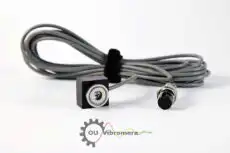
- ಬಹುಸಂಖ್ಯೆ ಕಂಪನ ಸಂವೇದಕಗಳು: ಆದರ್ಶವಾಗಿ ಕನಿಷ್ಠ N accelerometers, ಪ್ರತಿ ಮಾಪನ ಸ್ಥಳದಲ್ಲಿ ಒಂದು, ಸ್ಥಾನಾಂತರಿಸುವುದರ ಮೂಲಕ ಕೆಲವು ಯಂತ್ರಗಳು ರನ್ಗಳ ನಡುವೆ ಅವುಗಳನ್ನು ಪುನಃಸ್ಥಾಪಿಸುವುದರ ಮೂಲಕ ಕಡಿಮೆ ಸಂಖ್ಯೆಯಲ್ಲಿ ನಿರ್ವಹಿಸುತ್ತವೆ.
- ಒಂದು ಟ್ಯಾಕೋಮೀಟರ್ ಅಥವಾ keyphasor: ನಿಖರ ಸಮತೋಲನಕ್ಕೆ ಅಪರಿಹಾರ್ಯವಾಗಿದೆ phase ಮಾಪನ.
- ಅನುಭವಿ ಸಿಬ್ಬಂದಿ: ಸಂಕೀರ್ಣತೆಯು ತಂತ್ರಜ್ಞರನ್ನು ಉನ್ನತ ತರಬೇತಿಯೊಂದಿಗೆ ಆವಶ್ಯಕಿಸುತ್ತದೆ rotor dynamics and vibration analysis.
8. ವಹನೀಯ ಎರಡು-ಸಮತಲ ಕೆಲಸ ಎಲ್ಲಿ ಸರಿಹೋಗುತ್ತದೆ
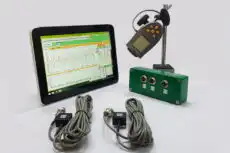
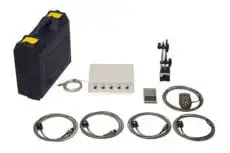
ಗಡಿಯನ್ನು ಸ್ಪಷ್ಟವಾಗಿ ತಿಳಿಸುವುದು ಮೌಲ್ಯವಾಗಿದೆ. ಹೆಚ್ಚಿನ ಕೈಗಾರಿಕೆಯ ರೋಟರ್ಗಳು ಕಠಿಣ ಮತ್ತು ಏಕ- ಅಥವಾ ಎರಡು-ಸಮತಲದಿಂದ ಸಂಪೂರ್ಣವಾಗಿ ಸೇವೆ ಸಲ್ಲಿಸಲಾಗುತ್ತವೆ field balancing — ನಿಖರವಾಗಿ ಯಾವ ಕಾರ್ಯ ಒಂದು ವಹನೀಯ ಎರಡು-ಚ್ಯಾನಲ್ ಯಂತ್ರ ಸೇವೆ ಸಲ್ಲಿಸುತ್ತದೆ ಬ್ಯಾಲೆನ್ಸೆಟ್-1ಎ ಸ್ಥಳದಲ್ಲಿ, ಯಂತ್ರದ ಸ್ವಂತ ಬೇರಿಂಗ್ಗಳಲ್ಲಿ, ವಿಘಟನೆ ಇಲ್ಲದೆ. ಬಹು-ಸಮತಲ ಸಮತೋಲನ ಆಲೋಚನೀಯ ವಿಸ್ತಾರವಾಗಿದೆ ನಿಜವಾಗಿ ನಮ್ರತರ ರೋಟರ್ಗಳ ಪ್ರಾಮುಖ್ಯ ವೇಗಕ್ಕಿಂತ ಮೇಲೆ ಚಲಿಸುತ್ತವೆ. ಒಂದು ಉತ್ತಮ ಕ್ಷೇತ್ರ ಕೌಶಲ್ಯವು ಸರಿಯಾದ ಎರಡು-ಸಮತಲ ಸಮತೋಲನ ಮತ್ತು ಸ್ವಚ್ಛ ರೋಗನಿರ್ಣಯದೊಂದಿಗೆ ಪ್ರಾರಂಭವಾಗುತ್ತದೆ; ಕೇವಲ ನಿವಾಸನೀಯ ಮಧ್ಯ-ಸ್ಪ್ಯಾನ್ ಕಂಪನವು ರೋಟರ್ ನಮ್ರತೆಯನ್ನು ಸಾಬೀತುಪಡಿಸುವ ಸಮಯದಲ್ಲಿ ಸೇವೆ ಸಲ್ಲಿಸುತ್ತದೆ — ಕೇವಲ ಸಮತೋಲನವನ್ನು ಅಥವಾ ಮಿಸಅಲೈನ್ ಆಗಿರುವ — ಹೆಚ್ಚುವರಿ ಸಮತಲಗಳ ಅಗತ್ಯವಾದ ಖರ್ಚು ಮತ್ತು ಸಂಕೀರ್ಣತೆ ಸಮರ್ಥನೀಯವಾಗುತ್ತದೆ.
9. ವಿಶಿಷ್ಟ ಅನ್ವಯಗಳು
ಬಹು-ಸಮತಲ ಸಮತೋಲನವು ಹೆಚ್ಚಿನ-ವೇಗದ ಯಂತ್ರಪಟ್ಟಗಳ ಸುತ್ತ ನಿರ್ಮಿತ ಕೈಗಾರಿಕೆಗಳಲ್ಲಿ ದೈನಂದಿನವಾಗಿದೆ:
- ವಿದ್ಯುತ್ ಉತ್ಪಾದನೆ: ದೊಡ್ಡ ಸ್ಟೀಮ್ ಮತ್ತು ಗ್ಯಾಸ್ ಟರ್ಬೈನ್-ಜನರೇಟರ್ ಸೆಟ್ಗಳು.
- ಪೆಟ್ರೋಕೇಮಿಕಲ್: ಹೆಚ್ಚಿನ ವೇಗದ ಕೇಂದ್ರಾಭಿಮುಖ ಸಂಕೋಚಕಗಳು ಮತ್ತು ಟರ್ಬೋ ವಿಸ್ತಾರಕಗಳು.
- ಪಲ್ಪ್ ಮತ್ತು ಕಾಗದ: ಉದ್ದ ಶುಷ್ಕ ರೋಲ್ಗಳು ಮತ್ತು ಕ್ಯಾಲೆಂಡರ್ ರೋಲ್ಗಳು.
- ವಿಮಾನೋದ್ಯಮ: ವಿಮಾನ ಇಂಜಿನ್ ರೋಟರ್ಗಳು ಮತ್ತು ಟರ್ಬೋಮಷಿನರಿ.
- ಉತ್ಪಾದನೆ: ಹೆಚ್ಚಿನ ವೇಗದ ಮೆಷಿನ್-ಟೂಲ್ ಸ್ಪಿಂಡಲ್ಗಳು.
ಪ್ರತಿಯೊಂದು ಸಂದರ್ಭದಲ್ಲಿ ಮಲ್ಟಿ-ಪ್ಲೇನ್ ಬ್ಯಾಲೆನ್ಸಿಂಗ್ನಲ್ಲಿನ ಹೂಡಿಕೆ ಸಾಧನದ ನಿರ್ಣಾಯಕತೆ, ವಿಫಲತೆಯ ತೀವ್ರ ಪರಿಣಾಮಗಳು ಮತ್ತು ಕಡಿಮೆ ಸಂಭವವಾದ ಕಂಪನ ವೇಗದೊಂದಿಗೆ ಚಲಾಯಿಸುವುದರ ಮೂಲಕ ಪಡೆದ ದಕ್ಷತೆಯಿಂದ ಸಮರ್ಥವಾಗಿದೆ.

