ಮೌಂಟಿಂಗ್ ಅನುರಣನವನ್ನು ಅರ್ಥಮಾಡಿಕೊಳ್ಳುವುದು






ಮೌಂಟಿಂಗ್ ಅನುರಣನ ಒಂದು resonance ಮೌಂಟಿಂಗ್ ವ್ಯವಸ್ಥೆ — vibration isolatorಗಳು, mounting railಗಳು, bracketಗಳು, skidಗಳು, ಅಥವಾ ತಮ್ಮ supportಗಳ ಮೇಲೆ ಕುಳಿತಿರುವ ಸಂಪೂರ್ಣ ಯಂತ್ರ ಅಸೆಂಬ್ಲಿ — ತನ್ನದೇ ನೈಸರ್ಗಿಕ ಆವೃತ್ತಿಗಳನ್ನು ಸ್ವಾಭಾವಿಕ ಆವೃತ್ತಿಗಳಲ್ಲಿ ಒಂದರಲ್ಲಿ ಅದು ಹೊತ್ತಿರುವ ಭ್ರಮಣ ಸಾಧನದಿಂದ ಬರುವ ಉತ್ತೇಜನಕ್ಕೆ ಪ್ರತಿಕ್ರಿಯೆಯಾಗಿ ಕಂಪಿಸುವ ಸ್ಥಿತಿ. ಹೀಗೆ ಸಂಭವಿಸಿದಾಗ ಸಂಪೂರ್ಣ ಯಂತ್ರವು ತನ್ನ ಮೌಂಟ್ಗಳ ಮೇಲೆ rigid body ಆಗಿ ಎದ್ದು-ಬೀಳುತ್ತದೆ, ತೂಗುತ್ತದೆ ಅಥವಾ ಉರುಳುತ್ತದೆ; rigid foundation ಮೇಲೆ ಇದೇ forcing ನೀಡಿದರೆ ಉಂಟಾಗುವುದಕ್ಕಿಂತ ಬಹಳ ಹೆಚ್ಚಿನ ಆಂಪ್ಲಿಟ್ಯೂಡ್ನೊಂದಿಗೆ. ಇದು vibration isolatorಗಳನ್ನು ಹೊಂದಿರುವ ಯಂತ್ರಗಳಲ್ಲಿ ಹೆಚ್ಚು ಪರಿಚಿತವಾದುದು, ಆದರೆ support structureಗೆ ಸಾಕಷ್ಟು ಕಠಿಣತೆಇಲ್ಲದಿದ್ದರೆ ಸಾಮಾನ್ಯವಾಗಿ ಬೋಲ್ಟ್ ಮಾಡಿರುವ ಅಳವಡಿಕೆಗಳನ್ನೂ ಇದೇ ರೀತಿ ಬಾಧಿಸಬಹುದು. ಯಾವ ರೀತಿಯಾದರೂ ಇದು isolation designನ ಕೇಂದ್ರ ಚಿಂತೆ; ಸೇವೆಯಲ್ಲಿ ಪತ್ತೆಯಾಗುವುದಕ್ಕಿಂತ ವಿನ್ಯಾಸದಲ್ಲೇ ನಿವಾರಿಸಬೇಕು ಅಥವಾ ಸಕ್ರಿಯವಾಗಿ ನಿರ್ವಹಿಸಬೇಕು.
1. ವ್ಯಾಖ್ಯಾನ: ಮೌಂಟಿಂಗ್ ಅನುರಣನ ಎಂದರೇನು?
ಮೌಂಟಿಂಗ್ ಅನುರಣನವನ್ನು ಅರ್ಥಮಾಡಿಕೊಳ್ಳುವ ಪ್ರಮುಖ ಬಿಂದುವೆಂದರೆ ಯಂತ್ರ ಮತ್ತು ಅದರ supportಗಳನ್ನು ಸ್ವತಂತ್ರ mass-spring ವ್ಯವಸ್ಥೆಯಾಗಿ ನೋಡುವುದು. ಯಂತ್ರವು mass; isolatorಗಳು ಅಥವಾ support structureನ ನಮ್ಯತೆ spring ಆಗಿದೆ. ಇಂತಹ ಯಾವುದೇ ವ್ಯವಸ್ಥೆಯಂತೆ ಈ ಅಸೆಂಬ್ಲಿಗೂ ಸ್ವಾಭಾವಿಕ ಆವೃತ್ತಿಗಳಿವೆ, ಮತ್ತು ಓಡುವ ವೇಗ — ಅಥವಾ ಅದರ harmonicಗಳಲ್ಲಿ ಒಂದು — ಅವುಗಳಲ್ಲಿ ಒಂದರೊಂದಿಗೆ ಹೊಂದಿಕೊಂಡರೆ ಪ್ರೇರಿತ ಕಂಪನ ಕಂಪನವು ಹೆಚ್ಚಾಗುತ್ತದೆ. ಮೌಂಟಿಂಗ್ ಅನುರಣನವನ್ನು rotor ಅಥವಾ shaft ಅನುರಣನದಿಂದ ವಿಭಿನ್ನಗೊಳಿಸುವುದು ಸಂಪೂರ್ಣ ಯಂತ್ರವೇ ಅಂದಾಜು ಒಂದೇ ಘಟಕವಾಗಿ ಚಲಿಸುವುದಾಗಿದೆ: mountಗಳ ಮೇಲೆ ಅಳೆಯುವ ಕಂಪನವು rotorನ ಕಂಪನಕ್ಕಿಂತ ಬಹಳ ಹೆಚ್ಚು. ಈ ಗುರುತು ಸಮಸ್ಯೆ rotorನಲ್ಲಲ್ಲ, supportನಲ್ಲಿದೆ ಎಂಬುದಕ್ಕೆ ಸೂಚನೆ. ಇದು ಚೌಕಟ್ಟು ಅನುರಣನ and ರಚನಾತ್ಮಕ ಅನುರಣನಗೆ ನಿಕಟವಾಗಿ ಸಂಬಂಧಿಸಿದೆ; ಅವು ಯಂತ್ರ ಫ್ರೇಮ್ ಅಥವಾ ಸುತ್ತಮುತ್ತಲಿನ ರಚನೆಯಲ್ಲಿ ಉಂಟಾಗುವ ಇದೇ ರೀತಿಯ ವೃದ್ಧಿಯನ್ನು ವಿವರಿಸುತ್ತವೆ.
2. ಮೌಂಟಿಂಗ್-ವ್ಯವಸ್ಥೆಯ ಸ್ವಾಭಾವಿಕ ಆವೃತ್ತಿಗಳು
ಐಸೊಲೇಟರ್ಗಳ ಮೇಲಿನ rigid-body ಮೋಡ್ಗಳು
vibration isolatorಗಳ ಮೇಲೆ ನೆಲಸಿರುವ ಯಂತ್ರವು springಗಳ ಮೇಲಿನ rigid body ಆಗಿ ವರ್ತಿಸುತ್ತದೆ; ಮತ್ತು ಬಾಹ್ಯಾಕಾಶದಲ್ಲಿರುವ rigid bodyಗೆ ಆರು degrees of freedom ಇರುತ್ತದೆ — ಆದ್ದರಿಂದ ಅದಕ್ಕೆ ಆರು rigid-body ಸ್ವಾಭಾವಿಕ ಆವೃತ್ತಿಗಳಿರುತ್ತವೆ.
ಸ್ಥಳಾಂತರ ಮೋಡ್ಗಳು (ಮೂರು)
- ಲಂಬ ಬೌನ್ಸ್: ಮೇಲೆ-ಕೆಳಗೆ ಚಲನೆ, ಸಾಮಾನ್ಯವಾಗಿ ಅತಿ ಕಡಿಮೆ ಆವೃತ್ತಿ — ಸಾಮಾನ್ಯ isolationಗೆ ಸುಮಾರು 5–15 Hz.
- ಅಡ್ಡ ಸ್ಥಳಾಂತರಗಳು (X ಮತ್ತು Y): ಒಂದು ಬದಿಯಿಂದ ಮತ್ತೊಂದು ಬದಿಗೆ ಚಲನೆಗಳು; ಸಾಮಾನ್ಯವಾಗಿ ಲಂಬ ಬೌನ್ಸ್ ಆವೃತ್ತಿಯ 1.5–2× ಮಟ್ಟದಲ್ಲಿ.
ಭ್ರಮಣ ಮೋಡ್ಗಳು (ಮೂರು)
- ರೋಲ್: ಉದ್ದದ ಅಕ್ಷದ ಸುತ್ತಲಿನ ಭ್ರಮಣ.
- ಪಿಚ್: ಅಡ್ಡ ಅಕ್ಷದ ಸುತ್ತಲಿನ ಭ್ರಮಣ.
- ಯಾ: ಲಂಬ ಅಕ್ಷದ ಸುತ್ತಲಿನ ಭ್ರಮಣ.
- ಆವೃತ್ತಿಗಳು: ಸಾಮಾನ್ಯವಾಗಿ 10–30 Hz; ಯಂತ್ರದ ಆಯಾಮಗಳು ಮತ್ತು ಅದರ ಭಾರಕೇಂದ್ರದ ಸ್ಥಾನವನ್ನು ಅವಲಂಬಿಸಿ.
ಸಂಯೋಜಿತ ಮೋಡ್ಗಳು
- isolatorಗಳನ್ನು ಸಮಮಿತಿಯಾಗಿ ಇರಿಸದಿದ್ದರೆ, ಅಥವಾ ಭಾರಕೇಂದ್ರವು ಅವುಗಳ ಮೇಲ್ಮೇಲೆ ಕೇಂದ್ರಿತವಾಗಿರದಿದ್ದರೆ, ಮೋಡ್ಗಳು ಪರಸ್ಪರ coupled ಆಗುತ್ತವೆ.
- ಆಗ ಸ್ಥಳಾಂತರ ಮತ್ತು ಭ್ರಮಣ ಒಂದೇ ಸಮಯದಲ್ಲಿ ಸಂಭವಿಸುತ್ತವೆ.
- ಇದರ ಫಲಿತಾಂಶ ಸಂಕೀರ್ಣ ಚಲನ ಮಾದರಿಯಾಗುತ್ತದೆ.
- ಇಂತಹ coupled ಮೋಡ್ಗಳನ್ನು ಶುದ್ಧ, uncoupled ಸ್ಥಿತಿಗಳಿಗಿಂತ ವಿಶ್ಲೇಷಿಸಲು ಮತ್ತು ಸರಿಪಡಿಸಲು ಕಷ್ಟವಾಗುತ್ತದೆ.
3. ಮೌಂಟಿಂಗ್ ಅನುರಣನ ಯಾವಾಗ ಸಂಭವಿಸುತ್ತದೆ
ಐಸೊಲೇಶನ್-ವ್ಯವಸ್ಥೆಯ ಅನುರಣನ
ಕಂಪನವನ್ನು ಕಡಿಮೆ ಮಾಡಲು ಉದ್ದೇಶಿಸಲಾದ ಅದೇ isolatorಗಳಿಂದ ಇದು ಹುಟ್ಟುವುದರಿಂದ ಇದು ಅತ್ಯಂತ ಸಾಮಾನ್ಯವಾಗಿಯೂ ಸ್ವಲ್ಪ ವ್ಯಂಗ್ಯಕರವಾಗಿಯೂ ಇರುವ ಸ್ಥಿತಿ:
- ವಿನ್ಯಾಸ ಉದ್ದೇಶ: isolatorಗಳನ್ನು ಅವುಗಳ ಸ್ವಾಭಾವಿಕ ಆವೃತ್ತಿ ಓಡುವ ವೇಗದ ಸುಮಾರು ಮೂರನೇ ಭಾಗದಿಂದ ಐದನೇ ಭಾಗದ ನಡುವೆ ಬರುವಂತೆ ಆಯ್ಕೆಮಾಡಲಾಗುತ್ತದೆ; ಇದರಿಂದ ಯಂತ್ರ isolation ಪ್ರದೇಶದಲ್ಲಿ ಚೆನ್ನಾಗಿ ಇರುತ್ತದೆ.
- ಸಮಸ್ಯೆ: ಯಂತ್ರವು ತನ್ನ ವಿನ್ಯಾಸ ವೇಗಕ್ಕಿಂತ ಕಡಿಮೆ ಓಡಿದರೆ, ಅಥವಾ ಆರಂಭಿಸುವಾಗ isolator ಆವೃತ್ತಿಯನ್ನು ದಾಟಿದರೆ, forcing ಆ ಸ್ವಾಭಾವಿಕ ಆವೃತ್ತಿಯನ್ನು ಹೊಂದುತ್ತದೆ.
- ಲಕ್ಷಣ: isolator ಸ್ವಾಭಾವಿಕ ಆವೃತ್ತಿಯ ಸಮೀಪದ ವೇಗಗಳಲ್ಲಿ ತೀವ್ರ ಕಂಪನ.
- ಅವಧಿ: ನಿರ್ದಿಷ್ಟವಾದ, ಸಾಮಾನ್ಯವಾಗಿ ಇಳುವರಿ ವೇಗ ಪಟ್ಟಿಯೊಳಗೆ ಮಾತ್ರ ಸೀಮಿತ.
ರೇಲ್ ಅಥವಾ ಸ್ಕಿಡ್ ಅನುರಣನ
- mounting railಗಳು ಮತ್ತು equipment skidಗಳಿಗೆ ತಮ್ಮದೇ bending modeಗಳಿರುತ್ತವೆ.
- span ಮತ್ತು stiffness ಅನ್ನು ಅವಲಂಬಿಸಿ ಸಾಮಾನ್ಯ ಆವೃತ್ತಿಗಳು 15–50 Hz ಇರುತ್ತವೆ.
- ಪೂರ್ಣ ಅಸೆಂಬ್ಲಿಯೂ ಬಾಗುವ railಗಳ ಮೇಲೆ ತೂಗುತ್ತದೆ.
- ಒಂದು ಘಟಕವಾಗಿ ಸಾಗಿಸಲಾದ modular packaged equipmentಗಳಲ್ಲಿ ಇದು ಸಾಮಾನ್ಯ.
ಬ್ರಾಕೆಟ್ ಅಥವಾ ಬೆಂಬಲ ಅನುರಣನ
- bracketಗಳ ಮೇಲೆ ಹೊತ್ತಿರುವ ಗೋಡೆ- ಅಥವಾ ಸೀಲಿಂಗ್-ಮೌಂಟೆಡ್ ಸಾಧನಗಳು ವಿಶೇಷವಾಗಿ ಹೆಚ್ಚು ಬಾಧಿತವಾಗುತ್ತವೆ.
- bracket ಅಥವಾ support armಗೆ ತನ್ನದೇ ಸ್ವಾಭಾವಿಕ ಆವೃತ್ತಿಯಿರುತ್ತದೆ.
- ಓಡುವ ವೇಗ ಅದನ್ನು ಹೊಂದಿದಾಗ ಯಂತ್ರದ ಚಲನೆ ಹೆಚ್ಚಾಗುತ್ತದೆ.
- ಈ ಹೆಚ್ಚಿದ ಚಲನೆ ಕಂಪನವನ್ನು ಕಟ್ಟಡದ ರಚನೆಗೂ ವರ್ಗಾಯಿಸಬಹುದು.
4. ನಿರ್ಣಾಯಕ ಗುರುತಿಕೆ
ಪ್ರಮುಖ ಸೂಚಕಗಳು
- ವರ್ಧನೆ: mountನ ಮೇಲೆ ಅಳೆಯುವ ಕಂಪನವು ಯಂತ್ರದ ಮೇಲಿನ ಕಂಪನಕ್ಕಿಂತ ಬಹಳ ಹೆಚ್ಚು — ಇದು ಈ ಸ್ಥಿತಿಯ ವಿಶೇಷ ಲಕ್ಷಣ.
- ತೂಗು ಅಥವಾ ಬೌನ್ಸ್: ಕಣ್ಣಿಗೆ ಕಾಣುವ ಸಂಪೂರ್ಣ-ಯಂತ್ರ ಚಲನೆ.
- ವೇಗ ಸಂವೇದನೆ: ಇಳುವರಿ ವೇಗ ವ್ಯಾಪ್ತಿಯೊಳಗೆ ಮಾತ್ರ ತೀವ್ರವಾಗಿರುತ್ತದೆ.
- ಕಡಿಮೆ ಆವರ್ತನ: isolated ವ್ಯವಸ್ಥೆಗಳಿಗೆ ಸಾಮಾನ್ಯವಾಗಿ 5–30 Hz.
- ಫೇಸ್ ಸಂಬಂಧಗಳು: bounce modeನಲ್ಲಿ ಎಲ್ಲಾ mounting pointಗಳು ಒಂದೇ ಫೇಸ್ನಲ್ಲಿ ಚಲಿಸುತ್ತವೆ; rocking modeನಲ್ಲಿ ವಿರುದ್ಧ ಫೇಸ್ನಲ್ಲಿ ಚಲಿಸುತ್ತವೆ.
ರೋಗನಿರ್ಣಯ ಪ್ರಕ್ರಿಯೆ
- ಅನುರಣನ ಆವೃತ್ತಿಯನ್ನು ಗುರುತಿಸಿ ದಲ್ಲಿನ ಶಿಖರದಿಂದ ಕಂಪನ ವರ್ಣಪಟಲವನ್ನು.
- mountಗಳ ಮೇಲೆ impact-test ಮಾಡಿ: a ಬಂಪ್ ಟೆಸ್ಟ್ ಓಡುತ್ತಿರುವ ಯಂತ್ರದಿಂದ ಸ್ವತಂತ್ರವಾಗಿ mountನ ಸ್ವಾಭಾವಿಕ ಆವೃತ್ತಿಯನ್ನು ಬಹಿರಂಗಪಡಿಸುತ್ತದೆ.
- ಹೋಲಿಕೆ: ಕಾರ್ಯಾಚರಣೆಯ ಅನುರಣನ ಆವೃತ್ತಿ ಅಳೆಯಲಾದ mount ಸ್ವಾಭಾವಿಕ ಆವೃತ್ತಿಗೆ ಹೊಂದಿಕೊಂಡರೆ mounting resonance ದೃಢಪಡಿಸುತ್ತದೆ.
- ಹಲವಾರು ಸ್ಥಳಗಳಲ್ಲಿ ಅಳತೆ ಮಾಡಿ ಸ್ಥಾಪಿಸಲು phase mounting pointಗಳ ನಡುವಿನ ಸಂಬಂಧಗಳನ್ನು.
- mode shape ಅನ್ನು ಮೌಲ್ಯಮಾಪನ ಮಾಡಿ: ಚಲನೆ bounce ಆಗಿದೆಯೇ, rock ಆಗಿದೆಯೇ ಅಥವಾ coupled mode ಆಗಿದೆಯೇ ಎಂದು ನಿರ್ಧರಿಸಿ.
ನಿರ್ಣಯದ ಆರಂಭಿಕ ಮುಖ್ಯ ಹಂತವೆಂದರೆ support ಸಮಸ್ಯೆಯನ್ನು rotor ಸಮಸ್ಯೆಯಿಂದ ಬೇರ್ಪಡಿಸುವುದು. ಮೇಲಿನ ಗುರುತು — mountಗಳ ಮೇಲೆ ದೊಡ್ಡ ಚಲನೆ, rotorನಲ್ಲಿ ಸಣ್ಣ ಚಲನೆ, ಮತ್ತು ವೇಗವನ್ನು ಅನುಸರಿಸುವುದಕ್ಕಿಂತ ಸಂರಚನಾ ಆವೃತ್ತಿಯಲ್ಲಿ ಸ್ಥಿರವಾದ peak — mount ಕಡೆಗೆ ಸ್ಪಷ್ಟವಾಗಿ ಸೂಚಿಸುತ್ತದೆ. mounting resonance ಅನ್ನು ಸಾಫ್ಟ್ ಫುಟ್ಜೊತೆ ಗೊಂದಲಪಡಿಸದಂತೆ ಜಾಗರೂಕತೆ ವಹಿಸಬೇಕು; ಅಲ್ಲಿ ಒಂದು support ಸಮತಟ್ಟಾಗಿ ಕುಳಿತುಕೊಳ್ಳದೆ frame ಅನ್ನು ವಕ್ರಗೊಳಿಸುತ್ತದೆ; ಇವೆರಡೂ ಜೊತೆಯಾಗಿ ಇರಿ ಕಂಪನ ಹೆಚ್ಚಿಸಬಹುದು.
5. ಪರಿಹಾರಗಳು
ಐಸೊಲೇಶನ್-ವ್ಯವಸ್ಥೆಯ ಅನುರಣನಕ್ಕಾಗಿ
ಐಸೊಲೆಟರ್ ಕಠಿಣತೆಯನ್ನು ಬದಲಿಸಿ
- ಹೆಚ್ಚು ಗಟ್ಟಿಯಾದ isolatorಗಳು ಸ್ವಾಭಾವಿಕ ಆವೃತ್ತಿಯನ್ನು ಕಾರ್ಯಾಚರಣಾ ವೇಗಕ್ಕಿಂತ ಮೇಲೆ ಏರಿಸುತ್ತವೆ.
- ಮೃದುವಾದ isolatorಗಳು ಸಾಧನವು ಹೆಚ್ಚಿನ ಸ್ಥಿರ ವಿಚಲನವನ್ನು ತಾಳಬಲ್ಲರೆ ಅದನ್ನು startup rangeಗಿಂತ ಕೆಳಗೆ ಇಳಿಸುತ್ತವೆ.
- ಆಯ್ಕೆ ನಿಯಮ: isolator ಆವೃತ್ತಿ ಕನಿಷ್ಠ ಕಾರ್ಯಾಚರಣಾ ವೇಗದ ಮೂರನೇ ಭಾಗಕ್ಕಿಂತ ಕೆಳಗಿರಬೇಕು.
ಡ್ಯಾಂಪಿಂಗ್ ಸೇರಿಸಿ
- ಒಳನಿರ್ಮಿತ damping ಹೊಂದಿರುವ isolatorಗಳನ್ನು ಬಳಸಿ — bare steel springಗಳ ಬದಲು elastomeric mountಗಳು.
- isolatorಗಳಿಗೆ ಸಮಾಂತರವಾಗಿ viscous ಅಥವಾ friction damperಗಳನ್ನು ಸೇರಿಸಿ.
- ಆವೃತ್ತಿ ಹೊಂದಾಣಿಕೆಯನ್ನು ತೆಗೆದುಹಾಕಲಾಗದಿದ್ದರೂ damping ಅನುರಣನ ಶಿಖರವನ್ನು ಕಡಿಮೆ ಮಾಡುತ್ತದೆ.
ಐಸೊಲೆಟರ್ ಸ್ಥಾಪನೆಯನ್ನು ಸುಧಾರಿಸಿ
- ಪ್ರತಿ isolator ಸರಿಯಾಗಿ ಲೋಡ್ ಹೊರುತ್ತಿರುವುದನ್ನು ಖಚಿತಪಡಿಸಿ — ಯಾವುದೂ ತಿರುಗಿ ನಿಲ್ಲದಂತೆ, bind ಆಗದಂತೆ ಅಥವಾ ಲೋಡ್ ಇಲ್ಲದೆ ಇರಬಾರದು.
- isolatorಗಳು ಊಹಿಸಿದದ್ದಲ್ಲ, ನಿಜವಾದ ಸಾಧನದ ತೂಕಕ್ಕೆ ತಕ್ಕಂತಿವೆಯೇ ಎಂದು ಪರಿಶೀಲಿಸಿ.
- ವಿನ್ಯಾಸಿತ stiffness ಕಳೆದುಕೊಂಡ seized ಅಥವಾ perished isolatorಗಳಿಗಾಗಿ ಪರಿಶೀಲಿಸಿ.
- coupled modeಗಳನ್ನು ತಪ್ಪಿಸಲು ಭಾರಕೇಂದ್ರಕ್ಕೆ ಅನುಗುಣವಾಗಿ ಸಮಮಿತಿಯಲ್ಲಿರುವ ಸ್ಥಾಪನೆ ದೃಢಪಡಿಸಿ.
ಸಂರಚನಾ ಮೌಂಟಿಂಗ್ ಅನುರಣನಕ್ಕೆ
ಮೌಂಟಿಂಗ್ ರಚನೆಯನ್ನು ಗಟ್ಟಿಗೊಳಿಸಿ
- railಗಳಿಗೆ ಅಥವಾ skidಗಳಿಗೆ braceಗಳನ್ನು ಸೇರಿಸಿ.
- bracket ದಪ್ಪವನ್ನು ಹೆಚ್ಚಿಸಿ ಅಥವಾ gussetಗಳನ್ನು ಸೇರಿಸಿ.
- support ಇಲ್ಲದ spanಗಳನ್ನು ಕಡಿಮೆ ಮಾಡಿ.
- ಪ್ರತ್ಯೇಕ mounting pointಗಳನ್ನು ಪರಸ್ಪರ ಜೋಡಿಸಿ; ಅವು ಒಂದೇ ಘಟಕವಾಗಿ ಕೆಲಸಮಾಡಲಿ.
ಮೌಂಟಿಂಗ್ ವಿನ್ಯಾಸವನ್ನು ಬದಲಿಸಿ
- span ಉದ್ದಗಳನ್ನು ಕಡಿಮೆ ಮಾಡಲು ಮಧ್ಯಂತರ supportಗಳನ್ನು ಸೇರಿಸಿ.
- mounting pointಗಳನ್ನು ರಚನೆಯ ಹೆಚ್ಚು ಗಟ್ಟಿಯಾದ ಭಾಗಗಳಿಗೆ ಸ್ಥಳಾಂತರಿಸಿ.
- ಹೆಚ್ಚು ದೃಢವಾದ mounting hardware ಬಳಸಿ.
ಈ ಕ್ರಮಗಳೆಲ್ಲವೂ ಸ್ವಾಭಾವಿಕ ಆವೃತ್ತಿಯನ್ನು ಸರಿಸುವ ಮೂಲಕ ಕಾರ್ಯನಿರ್ವಹಿಸುವುದರಿಂದ support structureನ ಅಸ್ತಿವಾರ ನಿಷ್ಠುರತೆ ಅವು ಎಳೆಯುವ ಲೀವರ್ ಆಗಿದೆ; ಮತ್ತು ಅಡಿಪಾಯ ನೈಸರ್ಗಿಕ-ಆವೃತ್ತಿ ಕ್ಯಾಲ್ಕುಲೇಟರ್ ಗಟ್ಟಿಗೊಳಿಸುವ ಬದಲಾವಣೆ ನಿಜವಾಗಿಯೂ ಆವೃತ್ತಿಯನ್ನು running speedನಿಂದ ದೂರ ಸರಿಸಿದೆ ಎಂಬುದನ್ನು ದೃಢಪಡಿಸಲು ಸಹಾಯಮಾಡುತ್ತದೆ.
ಕಾರ್ಯಾಚರಣ ಪರಿಹಾರಗಳು
- ವೇಗ ಮಿತಿ: ಅನುರಣನ ವೇಗದಲ್ಲಿ ದೀರ್ಘಕಾಲದ ಕಾರ್ಯಾಚರಣೆಯನ್ನು ತಪ್ಪಿಸಿ.
- ತ್ವರಿತ ವೇಗವರ್ಧನೆ: startup ಸಮಯದಲ್ಲಿ ಅನುರಣನವನ್ನು ಶೀಘ್ರವಾಗಿ ದಾಟಿ, ಶಕ್ತಿ ಹೆಚ್ಚಿನದಾಗಿ ಸಂಗ್ರಹವಾಗದಂತೆ ಮಾಡಿ.
- ಉತ್ತೇಜನವನ್ನು ಕಡಿಮೆ ಮಾಡಿ: ಸುಧಾರಿಸಿ ಸಮತೋಲನ ಅನುರಣನ ಆವೃತ್ತಿಯ forcing ಅನ್ನು ಕಡಿಮೆ ಮಾಡಲು.
6. ಐಸೊಲೇಶನ್ ವಿನ್ಯಾಸ ಮತ್ತು coupled equipment
ಕಂಪನ-ಐಸೊಲೇಶನ್ ವಿನ್ಯಾಸ
ಸಮರ್ಪಕ isolation design ಕಾರ್ಯಾಚರಣಾ ವೇಗಗಳನ್ನು mountನ ಸ್ವಾಭಾವಿಕ ಆವೃತ್ತಿಗಳಿಂದ ಸ್ಪಷ್ಟವಾಗಿ ದೂರವಿಟ್ಟು mounting resonance ಉಂಟಾಗದಂತೆ ತಡೆಯುತ್ತದೆ:
- ಆವೃತ್ತಿ ಅನುಪಾತ: isolator ಆವೃತ್ತಿ fಐಸೊಲೆಟರ್ < 0.3 × fಕನಿಷ್ಠ ಕಾರ್ಯಾಚರಣಾ.
- ಟ್ರಾನ್ಸ್ಮಿಸಿಬಿಲಿಟಿ: ಅನುರಣನದಲ್ಲೇ ಅಚ್ಚುಕಟ್ಟಾಗಿ ಪ್ರಸರಣೀಯತೆ 10 ಕ್ಕಿಂತ ಹೆಚ್ಚಾಗಬಹುದು — mount isolate ಮಾಡುವ ಬದಲು amplify ಮಾಡುತ್ತದೆ; ಇದು ಅದರ ಉದ್ದೇಶಕ್ಕೆ ವಿರುದ್ಧ.
- ಕಾರ್ಯಾಚರಣಾ ವ್ಯಾಪ್ತಿ: ಪ್ರಭಾವಿ isolation ಗಾಗಿ ಎಲ್ಲಾ ಕಾರ್ಯಾಚರಣಾ ಆವೃತ್ತಿಗಳೂ isolator ಆವೃತ್ತಿಯ 2–3× ಕ್ಕಿಂತ ಮೇಲೆ ಇರಬೇಕು.
- Startup: run-up ವೇಳೆ ಸ್ವಲ್ಪ ಕಾಲ ಮಾತ್ರ ಇರುವ ಮಟ್ಟಿಗೆ ಅನುರಣನದ ಮೂಲಕ ಸಂಕ್ಷಿಪ್ತ, ಹೆಚ್ಚಿನ ಆಂಪ್ಲಿಟ್ಯೂಡ್ ಪಾಸ್ ಒಪ್ಪುಗೆಯಾಗಿದೆ.
ಈ ಗುರಿಗಳನ್ನು ಪೂರೈಸುವ isolatorಗಳನ್ನು ಆಯ್ಕೆಮಾಡುವುದು ಸಾಮಾನ್ಯ sizing ವ್ಯಾಯಾಮ; vibration-mount selection calculator mount stiffness ಅನ್ನು ಯಂತ್ರದ mass ಮತ್ತು speedಗೆ ಹೊಂದಿಸುತ್ತದೆ, ಮತ್ತು machine-vibration-isolation calculator ಉಂಟಾಗುವ isolation efficiency ಅನ್ನು ಅಂದಾಜು ಮಾಡುತ್ತದೆ.
ಸಂಯೋಜಿತ ಉಪಕರಣ
ಸಾಮಾನ್ಯ baseplate ಮೇಲೆ ಮೌಂಟ್ ಮಾಡಲಾದ motor-driven equipment ತನ್ನದೇ ಸವಾಲುಗಳನ್ನು ಸೇರಿಸುತ್ತದೆ:
- ಪೂರ್ಣ ಅಸೆಂಬ್ಲಿಗೆ ಅದರ mountಗಳ ಮೇಲೆ rigid-body modeಗಳಿರುತ್ತವೆ.
- ಮೋಟಾರ್ ಮತ್ತು ಚಾಲಿತ ಯಂತ್ರವು ಹಂಚಿಕೊಂಡ baseplate ಮೂಲಕ ಪರಸ್ಪರದ ಕಂಪನವನ್ನು coupling ಮಾಡುತ್ತವೆ.
- ಯಾವ ಯಂತ್ರ ಹೆಚ್ಚಿನ ಶಬ್ದದ ಮೂಲವಾಗಿದ್ದರೂ, ಅನುರಣನವನ್ನು ಯಾವುದಾದರೂ ಒಂದು ಉತ್ತೇಜಿಸಬಹುದು.
- ಆದ್ದರಿಂದ ಇದನ್ನು ಎರಡು ಸ್ವತಂತ್ರ ಯಂತ್ರಗಳಂತೆ ಅಲ್ಲ, ಒಂದೇ ಸಂಪೂರ್ಣ ವ್ಯವಸ್ಥೆಯಂತೆ ಪರಿಗಣಿಸಬೇಕು.
7. ಅಳತೆ ಮತ್ತು ವಿಶ್ಲೇಷಣಾ ಸಾಧನಗಳು
ಮೋಡಲ್ ವಿಶ್ಲೇಷಣೆ
- ಮೋಡಲ್ ವಿಶ್ಲೇಷಣೆ ಪ್ರತಿ mounting-system modeನನ್ನೂ ಸಂಪೂರ್ಣವಾಗಿ ವಿಶ್ಲೇಷಿಸುತ್ತದೆ.
- ಇದು ಪ್ರತಿಯೊಂದು modeನ ಆವೃತ್ತಿ, damping ಮತ್ತು mode shape ಅನ್ನು ಗುರುತಿಸುತ್ತದೆ.
- ಆ ಡೇಟಾ ನೇರವಾಗಿ ವಿನ್ಯಾಸ ಬದಲಾವಣೆಗಳಿಗೆ ಆಹಾರವಾಗುತ್ತದೆ.
- ಇದನ್ನು ಪ್ರಯೋಗಾತ್ಮಕವಾಗಿ ಇಂಪ್ಯಾಕ್ಟ್ ಪರೀಕ್ಷೆ ಬಳಸಿ ನಡೆಸಬಹುದು ಅಥವಾ finite-element analysis ಮೂಲಕ ಊಹಿಸಬಹುದು.
ಆಪರೇಟಿಂಗ್ ಡಿಫ್ಲೆಕ್ಷನ್ ಶೇಪ್ (ODS)
- ODS ವಿಶ್ಲೇಷಣೆ ಯಂತ್ರ ಓಡುತ್ತಿರುವಾಗ ನಿಜವಾದ ಚಲನ ಮಾದರಿಯನ್ನು ದೃಶ್ಯಗೊಳಿಸುತ್ತದೆ.
- ಇದು mounting resonance ಅನ್ನು rotor resonanceನಿಂದ ಸ್ಪಷ್ಟವಾಗಿ ಬೇರ್ಪಡಿಸುತ್ತದೆ.
- ಯಾವ mode ಸಕ್ರಿಯವಾಗಿದೆ — bounce, rock ಅಥವಾ coupled — ಎಂಬುದನ್ನು ತೋರಿಸುತ್ತದೆ.
- ಗರಿಷ್ಠ ಪರಿಣಾಮಕ್ಕಾಗಿ ಎಲ್ಲಿಗೆ ಗಟ್ಟಿಗೊಳಿಸುವಿಕೆ ಸೇರಿಸಬೇಕು ಎಂಬುದನ್ನು ನಿಖರವಾಗಿ ಮಾರ್ಗದರ್ಶಿಸುತ್ತದೆ.
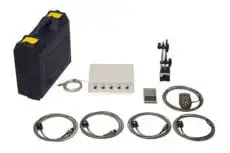
ಕ್ಷೇತ್ರದಲ್ಲಿ, ನಿಯಮಿತ balancing ಗಾಗಿ ಬಳಸುವ ಅದೇ portable instrument ಈ ಕೆಲಸದ ಬಹುಪಾಲನ್ನು ನೆರವಾಗುತ್ತದೆ. ಬ್ಯಾಲೆನ್ಸೆಟ್-1ಎ ಹಾಗಿನ two-channel analyser mountಗಳ ಹಲವು ಬಿಂದುಗಳಲ್ಲಿ ಆಂಪ್ಲಿಟ್ಯೂಡ್ ಮತ್ತು ಫೇಸ್ ಅನ್ನು ಸೆರೆಹಿಡಿಯುತ್ತದೆ; ಅದರ bump-test ಸಾಮರ್ಥ್ಯವು mountನ ಸ್ವಾಭಾವಿಕ ಆವೃತ್ತಿಯನ್ನು ನೇರವಾಗಿ ಅಳೆಯುತ್ತದೆ — ಇದರಿಂದ ಇಂಜಿನಿಯರ್ಗೆ ಅನುಮಾನಿತ mounting resonance ಅನ್ನು ದೃಢಪಡಿಸಲು, ಪರಿಹಾರವು ಗಟ್ಟಿಯಾದ support ಆಗಬೇಕೋ ಅಥವಾ ಉತ್ತಮ balance ಆಗಬೇಕೋ ತೀರ್ಮಾನಿಸಲು, ಮತ್ತು ತಿದ್ದುಪಡಿ ಮಾಡಿದ ನಂತರದ ಫಲಿತಾಂಶವನ್ನು ಪರಿಶೀಲಿಸಲು ಸಾಧ್ಯವಾಗುತ್ತದೆ.
mounting resonance, ಸುಸ್ಥಿತಿಯಲ್ಲಿರುವ ಮತ್ತು ಚೆನ್ನಾಗಿ balanced ಮಾಡಿರುವ ಯಂತ್ರಗಳಲ್ಲಿಯೂ ತೀವ್ರ ಕಂಪನವನ್ನು ಉಂಟುಮಾಡಬಹುದು; ಏಕೆಂದರೆ ಸಮಸ್ಯೆ rotorನಲ್ಲಿ ಅಲ್ಲ supportಗಳಲ್ಲಿದೆ. mounting systemಗಳ — ವಿಶೇಷವಾಗಿ vibration isolatorಗಳ — ಸ್ವಾಭಾವಿಕ ಆವೃತ್ತಿಗಳನ್ನು ಅರ್ಥಮಾಡಿಕೊಂಡು ಅವುಗಳನ್ನು ಕಾರ್ಯಾಚರಣಾ ವೇಗಗಳಿಂದ ದೃಢವಾಗಿ ಬೇರ್ಪಡಿಸುವುದು ಯಾವುದೇ rotating-equipment installationನಲ್ಲಿ ಯಶಸ್ವೀ ಕಂಪನ ನಿಯಂತ್ರಣಕ್ಕೆ ಅವಶ್ಯಕ.

