ಆಘಾತ ಪರೀಕ್ಷೆಯನ್ನು ಅರ್ಥಮಾಡಿಕೊಳ್ಳುವುದು
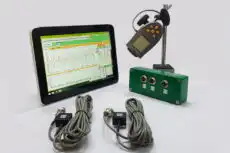
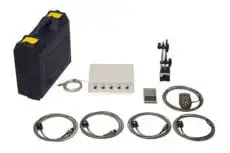

ಆಘಾತ ಪರೀಕ್ಷೆ — ಇದನ್ನು impulse testing ಅಥವಾ impact modal analysis ಎಂದೂ ಕರೆಯುತ್ತಾರೆ — ಇದು ಒಂದು ಮೋಡಲ್ ಪರೀಕ್ಷೆ ತಂತ್ರವಾಗಿದ್ದು, instrumented impact hammer ಬಳಸಿ ರಚನೆಗೆ broadband force impulses ಅನ್ವಯಿಸುವಾಗ ಅದರ ಫಲಿತಾಂಶದ vibration ಇದರೊಂದಿಗೆ ಪ್ರತಿಕ್ರಿಯೆ accelerometers. ಬಲ ಮತ್ತು ಪ್ರತಿಕ್ರಿಯಾ ಸಿಗ್ನಲ್ಗಳಿಂದ ಇದು ಲೆಕ್ಕ ಹಾಕುತ್ತದೆ ಆವೃತ್ತಿ ಪ್ರತಿಕ್ರಿಯೆ ಕಾರ್ಯಗಳು (FRFs), ಪ್ರತಿಯೊಂದು ಆವೃತ್ತಿಯಲ್ಲಿ ರಚನೆ ಹೇಗೆ ಪ್ರತಿಕ್ರಿಯಿಸುತ್ತದೆ ಎಂಬುದನ್ನು ತೋರಿಸಿ, ಅದರ ನೈಸರ್ಗಿಕ ಆವೃತ್ತಿಗಳನ್ನು, ಮೋಡ್ ಆಕಾರಗಳು, ಮತ್ತು damping ಅನುಪಾತಗಳನ್ನು ಬಹಿರಂಗಪಡಿಸುತ್ತದೆ — dynamic behaviour ಅನ್ನು ಅರ್ಥಮಾಡಿಕೊಳ್ಳಲು ಮತ್ತು ದೋಷನಿರ್ಣಯ ಮಾಡಲು ಬೇಕಾದ ಮಾಹಿತಿ resonance ಸಮಸ್ಯೆಗಳು.
Impact testing ಎನ್ನುವುದು shaker modal testing ಗೆ ವ್ಯಾವಹಾರಿಕ ಕ್ಷೇತ್ರ ಪರ್ಯಾಯವಾಗಿದ್ದು, shaker test ಗೆ ಬೇಕಾಗುವ ಭಾರವಾದ, ದುಬಾರಿ electromagnetic shakers ಹಾಗೂ ಸಂಕೀರ್ಣ mounting fixtures ಇಲ್ಲದೇ ಸಮಾನ ಮಾಹಿತಿಯನ್ನು ಒದಗಿಸುತ್ತದೆ. resonance troubleshooting, structural modifications ಅನ್ನು ಮಾನ್ಯಗೊಳಿಸುವುದು, ಮತ್ತು machinery ಹಾಗೂ structural-dynamics ಕೆಲಸಗಳಲ್ಲಿ finite-element models ಗಳನ್ನು ಸಂಬಂಧಿಸುವುದಕ್ಕಾಗಿ ಇದನ್ನು ವ್ಯಾಪಕವಾಗಿ ಬಳಸಲಾಗುತ್ತದೆ. ಇದು ಸರಳವಾದ ಬಂಪ್ ಟೆಸ್ಟ್, ಇದಕ್ಕೆ ನಿಕಟ ಸಂಬಂಧ ಹೊಂದಿದೆ; ಅದು ಅದೇ impulse ತತ್ತ್ವವನ್ನು ಬಳಸಿ ಒಂದೇ natural frequency ಅನ್ನು ಕಂಡುಹಿಡಿಯುತ್ತದೆ.
1. ಮೂಲಭೂತ ತತ್ತ್ವ
ಈ ವಿಧಾನವು ಒಂದು ಸರಳ fact ಮೇಲೆ ನಿಂತಿದೆ: short, sharp impact ಒಂದೇ ಬಾರಿ wide band of frequencies ಅನ್ನು excite ಮಾಡುತ್ತದೆ. ಒಂದು ಅಥವಾ ಎರಡು millisecond ಮಾತ್ರ ಇರುವ hammer blow, broad frequency range ನಲ್ಲಿ energy ಅನ್ನು ಸಾಕಷ್ಟು ಸಮವಾಗಿ ಹಂಚುತ್ತದೆ; ಆದ್ದರಿಂದ ಆ range ಒಳಗಿನ ಪ್ರತಿಯೊಂದು mode ಒಂದೇ ಸಮಯದಲ್ಲಿ ring ಆಗುತ್ತದೆ. input force ಮತ್ತು output response ಎರಡನ್ನೂ measure ಮಾಡಿ frequency domain ನಲ್ಲಿ ಒಂದನ್ನು ಇನ್ನೊಂದರಿಂದ divide ಮಾಡಿದಾಗ, test structure ನ own behaviour ಅನ್ನು ನೀಡಿದ blow ನ ಸ್ವಭಾವದಿಂದ ಬೇರ್ಪಡಿಸುತ್ತದೆ — ಫಲಿತಾಂಶವಾದ FRF structure ನ property ಮಾತ್ರವಾಗಿದ್ದು, ನೀವು ಎಷ್ಟು hard ಹೊಡೆದಿರಿ ಎಂಬುದರಿಂದ independent ಆಗಿರುತ್ತದೆ.
2. ಉಪಕರಣಗಳು
ಉಪಕರಣಸಜ್ಜಿತ ಆಘಾತ ಹ್ಯಾಮರ್
- Force transducer: hammer head ಒಳಗಿನ piezoelectric sensor impact force ಅನ್ನು ಅಳೆಯುತ್ತದೆ.
- Hammer mass: 0.1–5 kg, ರಚನೆಯ ಗಾತ್ರ ಮತ್ತು ಆಸಕ್ತಿಯ frequency range ಗೆ ಅನುಗುಣವಾಗಿ ಆಯ್ಕೆ ಮಾಡಲಾಗುತ್ತದೆ.
- ಬದಲಾಯಿಸಬಹುದಾದ tips: ಕಠಿಣ (steel), ಮಧ್ಯಮ (plastic), ಮತ್ತು ಮೃದು (rubber).
- ಔಟ್ಪುಟ್: response measurement ಜೊತೆಗೆ ಸಮಕಾಲಿಕಗೊಂಡ force signal.
- ಸಾಮಾನ್ಯ ವೆಚ್ಚ: ಸುಮಾರು $500–3000.
ಪ್ರತಿಕ್ರಿಯಾ ಸಂವೇದಕಗಳು
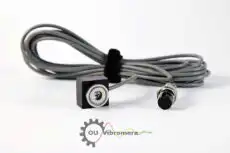
- ಆಸಕ್ತಿಯ ಬಿಂದುಗಳಲ್ಲಿ ಇರಿಸಲಾದ accelerometers.
- ಒಂದು roving accelerometer ಅಥವಾ ಹಲವು ಸ್ಥಿರ sensors ಗಳಲ್ಲಿ ಯಾವುದಾದರೂ.
- ಪರೀಕ್ಷೆಯ ಅಗತ್ಯಗಳಿಗೆ ಸುಲಭವಾಗಿ ಹೊಂದುವ frequency range.
ಡೇಟಾ ಸಂಗ್ರಹಣೆ
- ಕನಿಷ್ಠ ಎರಡು channels — force ಮತ್ತು response.
- ಆ channels ಗಳ ಸಮಕಾಲಿಕ sampling ಅತ್ಯಾವಶ್ಯಕ.
- ಒಂದು FFT analyser ಅಥವಾ dedicated modal-analysis software.
- ಇದರ ಗಣನೆ ವರ್ಗಾವಣೆ ಕಾರ್ಯ ಮತ್ತು ಕೋಹೆರನ್ಸ್.
3. ಪರೀಕ್ಷೆ ಕಾರ್ಯವಿಧಿ
ಏಕ-ಬಿಂದು FRF
- accelerometer ಅನ್ನು ಅಳವಡಿಸಿ response ಸ್ಥಳದಲ್ಲಿ.
- hammer tip ಅನ್ನು ಆಯ್ಕೆಮಾಡಿ ರಚನೆ ಮತ್ತು ಗುರಿ frequency range ಗೆ ಹೊಂದುವಂತೆ.
- ರಚನೆಗೆ ಹೊಡೆತ ನೀಡಿ excitation point ನಲ್ಲಿ ದೃಢವಾದ, ಚುರುಕಾದ impact ಮೂಲಕ.
- ಡೇಟಾವನ್ನು ದಾಖಲಿಸಿ — force ಮತ್ತು response signals ಒಟ್ಟಿಗೆ.
- FRF ಅನ್ನು ಗಣನೆ ಮಾಡಿ: H(f) = Response(f) / Force(f).
- ಸರಾಸರಿ ಮಾಡಿ 3–10 ಬಾರಿ ಮರುಕರೆಯುವ ಮೂಲಕ ಮತ್ತು FRFs ಗಳ ಸರಾಸರಿ ತೆಗೆದು.
- coherence ಪರಿಶೀಲಿಸಿ ಡೇಟಾ ಗುಣಮಟ್ಟವನ್ನು ದೃಢೀಕರಿಸಲು (coherence > 0.9).
ಬಹು-ಬಿಂದು ಪರೀಕ್ಷೆ
- Roving hammer: accelerometer ಅನ್ನು ಸ್ಥಿರವಾಗಿಟ್ಟುಕೊಂಡು ಅನೇಕ ಬಿಂದುಗಳಿಗೆ impact ನೀಡಿ.
- Roving accelerometer: ಒಂದು ಸ್ಥಿರ ಬಿಂದುವಿಗೆ impact ನೀಡಿ, accelerometer ಅನ್ನು ಸ್ಥಳಾಂತರಿಸುತ್ತಾ.
- Result: ಬಹು ಸ್ಥಳಗಳಿಂದ ದೊರೆಯುವ FRFs ಗಳು ಬಹಿರಂಗಪಡಿಸುವುದು ಮೋಡ್ ಆಕಾರಗಳು.
- Grid testing: ವ್ಯವಸ್ಥಿತ grid ಬಿಂದುಗಳು ಸಂಪೂರ್ಣ ರಚನಾ ಸಮೀಕ್ಷೆಯನ್ನು ಒದಗಿಸುತ್ತವೆ.
4. Hammer-Tip ಆಯ್ಕೆ
ಆವೃತ್ತಿ ವಿಷಯದ ಮೇಲಿನ ಪರಿಣಾಮ
- ಕಠಿಣ tip (steel): ಕಡಿಮೆ impact duration, ಹೆಚ್ಚಿನ-ಆವೃತ್ತಿ ವಿಷಯ; ಕಠಿಣ ರಚನೆಗಳು ಮತ್ತು ಹೆಚ್ಚಿನ ಆವೃತ್ತಿಗಳಿಗೆ ಉತ್ತಮ (10+ kHz ವರೆಗೆ).
- ಮಧ್ಯಮ tip (nylon/Delrin): ಮಧ್ಯಮ ಅವಧಿ, ಸಮತೋಲಿತ spectrum, ಸಾಮಾನ್ಯ ಬಳಕೆ (2–5 kHz ವರೆಗೆ).
- ಮೃದು tip (rubber): ದೀರ್ಘ ಅವಧಿ, ಕಡಿಮೆ-ಆವೃತ್ತಿಯ ಒತ್ತಾಸೆ; ದೊಡ್ಡ, ಬಗ್ಗುವ ರಚನೆಗಳಿಗೆ ಸೂಕ್ತ (500–1000 Hz ವರೆಗೆ).
ಇದರ ತರ್ಕವು ಮೂಲಭೂತ ತತ್ತ್ವದಂತೆಯೇ ಇದೆ: ಚಿಕ್ಕದು ಹಾಗೂ ಕಠಿಣವಾದ ಸಂಪರ್ಕವು ಶಕ್ತಿಯನ್ನು ಇನ್ನಷ್ಟು ವಿಶಾಲ, ಹೆಚ್ಚಿನ ಬ್ಯಾಂಡ್ಗೆ ಒತ್ತುತ್ತದೆ; ಮೃದುವಾದ, ದೀರ್ಘವಾದ ಸಂಪರ್ಕವು ಅದನ್ನು ಕಡಿಮೆ ಆವೃತ್ತಿಗಳಲ್ಲಿ ಕೇಂದ್ರೀಕರಿಸುತ್ತದೆ. ಆದ್ದರಿಂದ ಆಸಕ್ತಿಯ modes ಇರುವ ಸ್ಥಳಕ್ಕೆ ಶಕ್ತಿ ಸೇರುವಂತೆ tip ಅನ್ನು ಆಯ್ಕೆಮಾಡಲಾಗುತ್ತದೆ.
ರಚನೆಗೆ ಹೊಂದಿಸುವುದು
- ಹಗುರವಾದ ರಚನೆಗಳು: ಹಾನಿ ಮತ್ತು ಹೆಚ್ಚು ringing ತಪ್ಪಿಸಲು ಮೃದುವಾದ tip ಇರುವ ಚಿಕ್ಕ hammer.
- ಭಾರವಾದ ರಚನೆಗಳು: ಸಾಕಷ್ಟು excitation ಗಾಗಿ ಕಠಿಣ tip ಇರುವ ದೊಡ್ಡ hammer.
- ಸಿದ್ಧಾಂತದ ನಿಯಮ: ರಚನೆಯು ಸ್ಪಷ್ಟವಾಗಿ ಪ್ರತಿಕ್ರಿಯಿಸಬೇಕು, ಆದರೆ ಅತಿಯಾಗಿ ಅಲ್ಲ — ಸುಮಾರು 1–10 g peak acceleration ಸಾಮಾನ್ಯವಾಗಿದೆ.
5. ಡೇಟಾ ಗುಣಮಟ್ಟ
ಉತ್ತಮ ಆಘಾತ ತಂತ್ರ
- double hit ಇಲ್ಲದ ಚುರುಕಾದ, ಸ್ವಚ್ಛ impact.
- hammer ಅನ್ನು ತಕ್ಷಣ ಹಿಂದೆ ತೆಗೆದುಕೊಳ್ಳಬೇಕು; ಅದು ಸಂಪರ್ಕದಲ್ಲೇ ಉಳಿಯಬಾರದು.
- ಮೇಲ್ಮೈಗೆ ಲಂಬವಾಗಿರುವ ಹೊಡೆತ.
- ಸ್ಥಿರ strike ಸ್ಥಳ.
- ಸೂಕ್ತ force ಮಟ್ಟ.
ಕೋಹೆರನ್ಸ್ ಮಾನ್ಯತೆ
- ದಿ ಕೋಹೆರನ್ಸ್ function ಅಳತೆ ಗುಣಮಟ್ಟವನ್ನು ಸೂಚಿಸುತ್ತದೆ.
- 1.0 ಗೆ ಸಮೀಪದ coherence (> 0.9) ಉತ್ತಮ ಡೇಟಾವನ್ನು ಸೂಚಿಸುತ್ತದೆ.
- ಕಡಿಮೆ coherence ಎಂದರೆ ದುರ್ಬಲ impact, noise, ಅಥವಾ nonlinearity ಇರಬಹುದು.
- ಕೆಟ್ಟ impacts ಅನ್ನು ತಿರಸ್ಕರಿಸಿ ಮತ್ತೆ ಪರೀಕ್ಷೆ ಮಾಡಿ.
double hit ಅತ್ಯಂತ ಸಾಮಾನ್ಯ ಹಾನಿಕಾರಕ ಅಂಶ: ಅದು ರಚನೆಗೆ ಎರಡು impulses ಅನ್ನು ಸೇರಿಸಿ input spectrum ಅನ್ನು ಹಾಳುಮಾಡುತ್ತದೆ. coherence ಇದನ್ನು ಬಹಿರಂಗಪಡಿಸಲು ಬಹಳ ಪರಿಣಾಮಕಾರಿ — ನಿಮಗೆ ಮುಖ್ಯವಾದ frequency ನಲ್ಲಿ coherence ಕುಸಿದರೆ ಆ average ಅನ್ನು ತಿರಸ್ಕರಿಸಿ ಮತ್ತೆ ಹೊಡೆಯಬೇಕು ಎಂಬ ಸಂಕೇತ.
6. ಫಲಿತಾಂಶಗಳು ಮತ್ತು ವ್ಯಾಖ್ಯಾನ
ಆವರ್ತನ ಪ್ರತಿಕ್ರಿಯೆ ಕಾರ್ಯ
- magnitude plot ಆವೃತ್ತಿಯ ವಿರುದ್ಧ amplification ಅನ್ನು ತೋರಿಸುತ್ತದೆ.
- peaks ಗಳು natural frequencies ಮತ್ತು resonances ಅನ್ನು ಗುರುತಿಸುತ್ತವೆ.
- peak ಎತ್ತರವು amplification factor ಅನ್ನು ತೋರಿಸುತ್ತದೆ; ಅದು damping ಗೆ ವ್ಯುತ್ಕ್ರಮವಾಗಿ ಸಂಬಂಧಿಸಿದೆ.
- ದಿ phase plot ಪ್ರತಿಯೊಂದು resonance ಮೂಲಕ 180° shift ಅನ್ನು ತೋರಿಸುತ್ತದೆ.
Natural-Frequency Identification
- FRF ನಲ್ಲಿ ಇರುವ ಪ್ರತಿಯೊಂದು peak ಅನ್ನು ಪಟ್ಟಿಮಾಡಿ.
- ಮೊದಲ mode ಸಾಮಾನ್ಯವಾಗಿ ಅತಿ ಕಡಿಮೆ-ಆವೃತ್ತಿಯ peak ಆಗಿರುತ್ತದೆ.
- ಹೆಚ್ಚಿನ modes ಗಳು ಹೆಚ್ಚಿನ ಆವೃತ್ತಿಗಳಲ್ಲಿ ಇರುತ್ತವೆ.
- ವ್ಯತ್ಯಯವಿದೆಯೇ ಎಂದು ಪರಿಶೀಲಿಸಲು ಇವುಗಳನ್ನು ಕಾರ್ಯಾಚರಣಾ ಆವೃತ್ತಿಗಳೊಂದಿಗೆ ಹೋಲಿಸಿ.
Mode-Shape ನಿರ್ಧಾರ
- ಬಹು-ಬಿಂದು ಪರೀಕ್ಷೆಯಿಂದ ಪಡೆಯಲಾಗುತ್ತದೆ.
- resonance ದಲ್ಲಿನ ಸಾಪೇಕ್ಷ response amplitudes ಗಳು ವಂಗುವ ಮಾದರಿಯನ್ನು ನಿರ್ಧರಿಸುತ್ತವೆ.
- software ಆ ಆಕಾರವನ್ನು animate ಮಾಡಬಹುದು.
- ಇದರಿಂದ ಗುರುತಿಸಲಾಗುವುದು nodes ಮತ್ತು ಪ್ರತಿ mode ನ antinodes.
7. Machinery Troubleshooting ನಲ್ಲಿ ಅನ್ವಯಗಳು
Frame-Resonance ತನಿಖೆ
- motor ಅಥವಾ fan frame ಗೆ impact ನೀಡಿ.
- ಗುರುತಿಸಿ frame natural frequencies.
- ಅವುಗಳನ್ನು ಹೋಲಿಸಿ blade-passing ಮತ್ತು motor electromagnetic frequencies ಗಳೊಂದಿಗೆ.
- ಹೊಂದಾಣಿಕೆ ಕಂಡುಬಂದರೆ ಸಮಸ್ಯೆ resonance ಆಗಿದೆ.
ಅಡಿಪಾಯ ಪರೀಕ್ಷೆ
- baseplate ಅಥವಾ foundation ಗೆ impact ನೀಡಿ.
- ಅದರ natural frequencies ಅನ್ನು ನಿರ್ಧರಿಸಿ.
- ಸಾಕಷ್ಟು ಇರುವುದನ್ನು ದೃಢೀಕರಿಸಿ ಕಠಿಣತೆ ಮತ್ತು frequency separation.
ಮುನ್ನ/ನಂತರ ಹೋಲಿಕೆಗಳು
- structural modification ಮಾಡುವ ಮೊದಲು ಪರೀಕ್ಷಿಸಿ.
- ನಂತರ ಮತ್ತೆ ಪರೀಕ್ಷಿಸಿ — stiffening, ಹೆಚ್ಚುವರಿ damping, ಅಥವಾ mass ಬದಲಾವಣೆಗಳ ಬಳಿಕ.
- modification ಬಯಸಿದ ಪರಿಣಾಮ ಸಾಧಿಸಿದೆ ಎಂಬುದನ್ನು ದೃಢೀಕರಿಸಿ.
- ಸುಧಾರಣೆಯನ್ನು ಪ್ರಮಾಣೀಕರಿಸಿ.
8. ಕ್ಷೇತ್ರದಲ್ಲಿನ Impact Testing
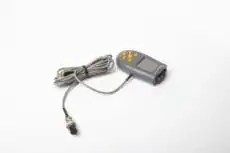
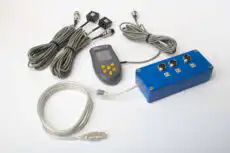
ಇದಕ್ಕೆ instrumented hammer ಮತ್ತು two-channel analyser ಮಾತ್ರ ಬೇಕಾಗುವುದರಿಂದ, impact testing ನಿಯಮಿತ vibration ಕೆಲಸಗಳ ಜೊತೆಗೆ field engineer’s toolkit ನಲ್ಲಿ ಸಹಜವಾಗಿ ಸೇರುತ್ತದೆ. ಯಂತ್ರದಲ್ಲಿ ಹೆಚ್ಚಿನ ರನ್ನಿಂಗ್-ಸ್ಪೀಡ್ vibration ಕಂಡುಬಂದಾಗ, ಮೊದಲ ಪ್ರಶ್ನೆ ಅದು unbalance ಹಾಗಿನ ಬಲದಿಂದ ಉಂಟಾಗಿದೆಯೇ, ಅಥವಾ ಸಾಮಾನ್ಯ ಬಲವೊಂದನ್ನು structural resonance ವೃದ್ಧಿಗೊಳಿಸುತ್ತಿದೆಯೇ ಎಂಬುದೇ ಆಗಿರುತ್ತದೆ. ಅದರಂತಹ portable analyser ಬ್ಯಾಲೆನ್ಸೆಟ್-1ಎ ಅನ್ನು ಅಳೆಯಲು ಮತ್ತು, ಕಾರಣ unbalance ಆಗಿದ್ದರೆ, ಅದನ್ನು field balancingಮೂಲಕ ಸರಿಪಡಿಸಲು ಬಳಸಲಾಗುತ್ತದೆ; ನಂತರ frame ಅಥವಾ foundation ಮೇಲೆ ಮಾಡಿದ impact test, ಜಿದ್ದಾಜಿದ್ದಿಯ residual vibration ಹತ್ತಿರದ natural frequency ನಿಂದ ವೃದ್ಧಿಯಾಗುತ್ತಿದೆಯೇ ಎಂಬುದನ್ನು ನಿರ್ಧರಿಸುತ್ತದೆ — ಇದರಿಂದ rotor ಅನ್ನು balance ಮಾಡಬೇಕೋ ಅಥವಾ ರಚನೆಯನ್ನು stiffen ಮಾಡಬೇಕೋ ಎಂಬ ಆಯ್ಕೆ ಸ್ಪಷ್ಟವಾಗುತ್ತದೆ.
Impact testing ಎನ್ನುವುದು ವ್ಯಾವಹಾರಿಕ, ವೆಚ್ಚ-ಕಾರ್ಯಕ್ಷಮ modal-analysis ತಂತ್ರವಾಗಿದ್ದು field vibration specialists ಗಳ ಸಾಮರ್ಥ್ಯದೊಳಗೇ ಇದೆ. instrumented hammer ಮತ್ತು vibration analyser ಮಾತ್ರ ಬಳಸಿಕೊಂಡು, ಇದು structural resonances ಅನ್ನು ಗುರುತಿಸುತ್ತದೆ, modifications ಅನ್ನು validate ಮಾಡುತ್ತದೆ, ಮತ್ತು resonance ಸಮಸ್ಯೆಗಳನ್ನು ಪರಿಹರಿಸಲು ಹಾಗೂ machinery ಮತ್ತು structural applications ಗಳಲ್ಲಿ ವಿನ್ಯಾಸಗಳನ್ನು ಉತ್ತಮಗೊಳಿಸಲು ಬೇಕಾದ dynamic characterisation ಅನ್ನು ಒದಗಿಸುತ್ತದೆ.

