ಕಂಪನದಲ್ಲಿ ಹಂತ ಕೋನವನ್ನು ಅರ್ಥಮಾಡಿಕೊಳ್ಳುವುದು

ಹಂತ ಕೋನ — ವಿಶಾಲ ಅಭಿಪ್ರಾಯಕ್ಕೆ ನಿಕಟವಾಗಿ ಸಂಬಂಧಿತ phase — ತಿರುಗುವ ಶಾಫ್ಟ್ನಲ್ಲಿ ಪ್ರತಿ-ಕ್ರಾಂತಿ ಉಲ್ಲೇಖ ಚಿಹ್ನೆಯಿಂದ 0 ರಿಂದ 360 ಡಿಗ್ರಿಗಳವರೆಗೆ ಅಳೆಯಲಾದ ಶಿಖರ ಕೋನೀಯ ಸ್ಥಾನ vibration ತಿರುಗುವ ಶಾಫ್ಟ್ನಲ್ಲಿ ಪ್ರತಿ-ಕ್ರಾಂತಿ ಉಲ್ಲೇಖ ಗುರುತಿಗೆ ಸಂಬಂಧಿತವಾಗಿ. ಆ ಉಲ್ಲೇಖ ನಿಂದ ಬರುತ್ತದೆ tachometer ಅಥವಾ keyphasor. ಮತ್ತೊಂದು ರೀತಿಯಲ್ಲಿ ಬಳಸಲಾದ, ಹಂತ ಕೋನವು ಒಂದೇ ಆವರ್ತನದಲ್ಲಿ ಎರಡು ಕಂಪನ ಸಂಕೇತಗಳ ನಡುವಿನ ಸಮಯ ಸಂಬಂಧ ವ್ಯಕ್ತ ಮಾಡುತ್ತದೆ. ಯಾವುದೇ ಮಾರ್ಗದಿಂದ ಅದು ಸರಿಸಂಬತ್ತುವ "ಎಂದು" ಪೂರಕವಾಗಿ amplitude — "ಎಷ್ಟು" — ಮತ್ತು ಒಟ್ಟಿಗೆ ಎರಡೂ ಪರಿಮಾಣ ಮತ್ತು ದಿಕ್ಕು ಎರಡೂ ಸಂಪೂರ್ಣ ಕಂಪನ ವೆಕ್ಟರ್ ರೂಪಾಂತರ ಮಾಡುತ್ತವೆ. ಹಂತ ಕೋನವು ಅಪರಿಹಾರ್ಯ rotor balancing, ಅಲ್ಲಿ ಅದು ತಿದ್ದುಪಡಿ ಕ್ಷೇತ್ರವನ್ನು ನಿರೂಪಿಸಿ; ಇದಕ್ಕಾಗಿ critical speed ಗುರುತುಹೋದಾಗ, 180° ಪರಿವರ್ತನ resonance; ಮತ್ತು ದೋಷ ರೋಗ ನಿರ್ಣಯಕ್ಕಾಗಿ, ವಿಶಿಷ್ಟ ಹಂತ ನಮೂನೆಗಳು ಒಂದು ದೋಷವನ್ನು ಇನ್ನೊಂದರಿಂದ ಬೇರ್ಪಡಿಸುತ್ತವೆ. ಹಂತ ತೆಗೆದುಹಾಕಿ ಮತ್ತು ಪರಿಸರ ಮತ್ತು ತಿದ್ದುಪಡಿ ಕಾರ್ಯದ ಅಭಿಪ್ರಾಯ ಪ್ರಕೃತಿಯಾಗಿ ಸರಳವಾಗಿ ಅಸಂಭವವಾಗುತ್ತದೆ.
1. ಕೀಫೇಸರ್ ಸಾಪೇಕ್ಷ ಅವಸ್ಥೆ ಅಳತೆ
ಉಲ್ಲೇಖ ವ್ಯವಸ್ಥೆ
- ಉಲ್ಲೇಖ ಗುರುತು: ಒಂದು ಪಟ್ಟೆ ಪ್ರತಿಫಲಿತ ಟೇಪ್ ಅಥವಾ ಶಾಫ್ಟ್ನ ಮೇಲಿನ ಚಿಹ್ನೆ.
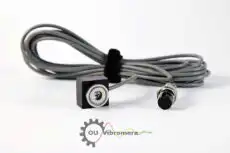
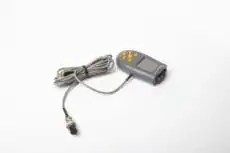
- ಸಂವೇದಕ: ಆಪ್ಟಿಕಲ್ ಅಥವಾ ಮ್ಯಾಗ್ನೆಟಿಕ್ ಟ್ಯಾಕೋಮೀಟರ್ ಅದು ಪ್ರತಿ ಪಾಸ್ ಆದ ಸಮಯ ಗುರುತನ್ನು ಪತ್ತೆ ಮಾಡುತ್ತದೆ.
- ಪ್ರತಿ ಸ್ಪಂದನ ನಾಡಿ: 0° ಡೇಟಮ್ ಅನ್ನು ವ್ಯಾಖ್ಯಾನಿಸುವ ಘಟನೆ.
- ಕಂಪನ ಸಮಯ: ಉತ್ತರ ನೀಡಬೇಕಾದ ಪ್ರಶ್ನೆ — ಗರಿಷ್ಠ ಕಂಪನ ಆ ಚಿಹ್ನೆಗೆ ಸಾಪೇಕ್ಷವಾಗಿ ಯಾವ ಸಮಯದಲ್ಲಿ ಸಂಭವಿಸುತ್ತದೆ?
- ಕೋನೀಯ ಅಳತೆ: ಉತ್ತರ, 0 ರಿಂದ 360 ಡಿಗ್ರಿಗಳಲ್ಲಿ ವ್ಯಕ್ತಪಡಿಸಲಾಗಿದೆ.
ಚಿಹ್ನೆ ಸಮಾವೇಶ
- 0° ಉಲ್ಲೇಖ-ಗುರುತು ಸ್ಥಿತಿಗೆ ಅನುರೂಪವಾಗಿದೆ.
- ದಿಕ್ಕು ಸಾಮಾನ್ಯವಾಗಿ ತಿರುಗುವಿಕೆಯ ದಿಕ್ಕಿನಲ್ಲಿ ಹೆಚ್ಚಾಗುತ್ತದೆ.
- ಉದಾಹರಣೆ: 90° ಅವಸ್ಥೆ ಎಂದರೆ ಕಂಪನ ಶಿಖರವು ಉಲ್ಲೇಖ ಗುರುತು ಸೆನ್ಸರ್ನ ಮೂಲಕ ಹಾದುಹೋದ ನಂತರ ಕ್ವಾರ್ಟರ್ ತಿರುವು ತಡವಾಗಿ ಬರುತ್ತದೆ.
ವಿಶ್ಲೇಷಕವು ಟ್ಯಾಕೋಮೀಟರ್ ನಾಡಿ ಮತ್ತು ಕಂಪನ ಶಿಖರದ ನಡುವಿನ ವಿಳಂಬವನ್ನು ಸಮಯ ನಿರ್ಧಾರಿಸುತ್ತಿರುವುದರಿಂದ, ಆ ನಾಡಿ ಪರಿವರ್ತನೆಯ ಗುಣಮಾನವು ಎಲ್ಲ ತೋರಿನ ಗಠನೆಯನ್ನು ನಿಯಂತ್ರಿಸುತ್ತದೆ — ಇದು ಅಳತೆ ಸವಾಲುಗಳ ಅಡಿಯಲ್ಲಿ ನಾವು ಮರಳಿ ಬರುವ ಒಂದು ವಿಷಯ.
2. ನಿರ್ಣಾಯಕ ಅನ್ವಯಗಳು
ಸಮತೋಲನ — ಅತ್ಯಂತ ಮುಖ್ಯ ಬಳಕೆ
ಅವಸ್ಥೆ ಭಾರೀ ಸ್ಪಾಟ್ಗೆ ಸೂಚಿಸುತ್ತದೆ ಮತ್ತು ಹೀಗೆ ತಿದ್ದುವಿಕೆಗೆ. ನಿರ್ವಹಣೆ ನೇರವಾಗಿದೆ:
- ಅವಸ್ಥೆ ಅಳೆಯಿರಿ unbalance-ಉದ್ದೇಶಿತ 1× ಕಂಪನ.
- ಹಂತವು ಭಾರೀ ಪದಾರ್ಥದ ಕೋನೀಯ ಸ್ಥಾನವನ್ನು ಸೂಚಿಸುತ್ತದೆ.
- ದಿ ತಿದ್ದುಪಡಿ ತೂಕ ಭಾರೀ ಪದಾರ್ಥದ ನಿಖರವಾಗಿ 180° ವಿರುದ್ಧ ಸ್ಥಳದಲ್ಲಿ ಇಡಲಾಗುತ್ತದೆ.
- ಪರಿಣಾಮಕಾರಿ ಬ್ಯಾಲೆನ್ಸಿಂಗ್ಗಾಗಿ ಸುಮಾರು ±5–10° ಫೇಸ್ ನಿಖರತೆ ಅಗತ್ಯ.
- ಹಂತವಿಲ್ಲದೆ, ಸಮತೋಲನ ಅಸಂಭವ — ಯಾವ ದಿಕ್ಕಿನಲ್ಲಿ ತಿದ್ದುಹಾಕಬೇಕೆಂದು ತಿಳಿಯಲು ಯಾವುದೇ ಮಾರ್ಗವಿಲ್ಲ.
ನಿರ್ಣಾಯಕ ಸ್ಪೀಡ್ ಸನ್ನಿವೇಶನ
ಹಂತದ ಅದಲಾವಲು, ಕೇವಲ ವೈಸ್ತೃತ ತುಂಬುವಿಕೆಯಲ್ಲ, ರೆಸೋನಾನ್ಸ್ನ ಸ್ಪಷ್ಟ ಸ್ವಾಕ್ಷರ:
- ನಿರ್ಣಾಯಕ ಸ್ಪೀಡ್ಗಿಂತ ಕೆಳಗೆ, ಹಂತವು ತುಲನಾತ್ಮಕವಾಗಿ ಸ್ಥಿರವಾಗಿರುತ್ತದೆ.
- ನಿರ್ಣಾಯಕ ಸ್ಪೀಡ್ನ ಮೂಲಕ ಹಾದುಹೋಗುವುದು ವಿಶಿಷ್ಟ 180° ಹಂತದ ಅದಲಾವಲನ್ನು ಉಂಟುಮಾಡುತ್ತದೆ.
- ಅದರ ಮೇಲೆ, ಹಂತವು ಅದರ ನಿರ್ಣಾಯಕ ಸ್ಪೀಡ್ಗಿಂತ ಕೆಳಗಿನ ಮೌಲ್ಯದಿಂದ 180° ದೂರವಿರುತ್ತದೆ.
- ಅದರ ಮೇಲಿನ ಹಂತದ ಬದಲಾವಣೆ ಬೋಡ್ ಪ್ಲಾಟ್ ವಿಶ್ವಾಸಾರ್ಹ ಸೂಚಕವಾಗಿದೆ.
- ವೈಸ್ತೃತ ತುಂಬುವಿಕೆ ಮಾತ್ರ ಸಾಕಾಗುವುದಿಲ್ಲ; ಹಂತದ ಅದಲಾವಲು ಅದರೊಂದಿಗೆ ಕೂಡಿರಬೇಕು.
ದೋಷ ನಿಶ್ಚಯೋದ್ಘಾಟನೆ
ಅಸಮತೋಲನ: ಹಂತವು ಸ್ಥಿರ ಮತ್ತು ಪುನರಾವರ್ತನೀಯ, ನಿರ್ಣಾಯಕ ಸ್ಪೀಡ್ಗಿಂತ ಕೆಳಗಿನ ಎಲ್ಲ ಸ್ಪೀಡ್ಗಳಲ್ಲಿ ಅದೇ ಮೌಲ್ಯವನ್ನು ಹೊಂದಿದೆ ಮತ್ತು ಭಾರೀ ಪದಾರ್ಥದ ಸ್ಥಾನವನ್ನು ಗುರುತಿಸುತ್ತದೆ.
Misalignment: ಮಿಸಲಾಇನ್ಮೆಂಟ್ ಅಕ್ಷದ ತುದಿಗಳಲ್ಲಿ ಸ್ವಾಭಾವಿಕ ಹಂತದ ಸಂಬಂಧವನ್ನು ತೋರಿಸುತ್ತದೆ — ಅಕ್ষೀಯ ವಿನ್ಯಾಸಗಳು ಡ್ರೈವ್ ಮತ್ತು ನಾನ್-ಡ್ರೈವ್ ತುದಿಗಳಲ್ಲಿ ಪ್ರಾಯಶಃ 180° ಆಗಿರುತ್ತವೆ ಮತ್ತು ರೇಡಿಯಲ್ ಹಂತದ ಪ್ರಮಾಣವು ಮಿಸಲಾಇನ್ಮೆಂಟ್ ಪ್ರಕಾರವನ್ನು ಗುರುತಿಸಲು ಸಹಾಯ ಮಾಡುತ್ತದೆ.
ಶಾಫ್ಟ್ ಬಿರುಕು: 1× ಮತ್ತು 2× ಘಟಕಗಳ ಫೇಸ್ ಸ್ಟಾರ್ಟ್ಅಪ್ ಮತ್ತು ಶಟ್ಡೌನ್ ಸಮಯದಲ್ಲಿ ಬದಲಾಗುತ್ತದೆ, ಸಾಮಾನ್ಯ ಅನ್ಬ್ಯಾಲೆನ್ಸ್ಗಿಂತ ಭಿನ್ನವಾಗಿ ವರ್ತಿಸುತ್ತದೆ; ಶಾಫ್ಟ್ ತಿರುಗುವಾಗ ಕ್ರ್ಯಾಕ್ “ಉಸಿರಾಡುವ” ಪ್ರಕ್ರಿಯೆಯನ್ನು ವ್ಯತ್ಯಾಸ ಪ್ರತಿಫಲಿಸುತ್ತದೆ.
ಸಡಿಲಿಕೆ: ಅಸ್ಥಿರ, ಅನಿಯಮಿತ ಫೇಸ್ ಉಂಟುಮಾಡುತ್ತದೆ, ಅದು ಅಳತೆಗಳ ನಡುವೆ ±30–90° ಅಲೆದಾಡಬಹುದು. ಆ ಪುನರಾವರ್ತನೀಯತೆಯ ಕೊರತೆಯೇ ರೋಗನಿರ್ಣಯ ಸೂಚನೆ.
3. ಎರಡು ಮಾಪನ ಬಿಂದುಗಳ ನಡುವೆ ಹಂತ
ಎರಡು ಸ್ಥಾನಗಳಲ್ಲಿ ಹಂತವನ್ನು ಹೋಲಿಸುವುದರಿಂದ ರೋಟರ್ ಸಂಪೂರ್ಣವಾಗಿ ಹೇಗೆ ಚಲಿಸುತ್ತಿದೆ ಎಂಬುದನ್ನು ಬಹಿರಂಗ ಮಾಡುತ್ತದೆ.
ಸಮಾನ ಹಂತ (0° ವ್ಯತ್ಯಾಸ)
- ಎರಡೂ ಬಿಂದುಗಳು ಏಕಕಾಲದಲ್ಲಿ ಸಾಮಾನ್ಯ ದಿಕ್ಕಿನಲ್ಲಿ ಚಲಿಸುತ್ತವೆ.
- ಕಠಿಣ ಸಂಪರ್ಕ ಅಥವಾ ಪ್ರತಿರೋಧನ ತಾಲ್ಲೂಕಿನ ತುದಿಯನ್ನು ಸೂಚಿಸುತ್ತದೆ.
- ಒಂದೇ ರೋಟರ್ನಲ್ಲಿ ಎರಡು ಬೇರಿಂಗ್ಗಳಿಗೆ ಸಾಮಾನ್ಯವಾಗಿ ಕ್ರಿಟಿಕಲ್ ವೇಗಕ್ಕಿಂತ ಕೆಳಗೆ ಕಾರ್ಯನಿರ್ವಹಿಸುವಾಗ.
ಫೇজ್ ಶಿಫ್ಟ್ (180° ವ್ಯತ್ಯಾಸ)
- ಬಿಂದುಗಳು ವಿರುದ್ಧ ದಿಕ್ಕಿನಲ್ಲಿ ಚಲಿಸುತ್ತವೆ — ಒಂದು ಮೇಲಕ್ಕೆ ಏರಿದಾಗ ಇನ್ನೊಂದು ಬೀಳುತ್ತದೆ.
- ಇದು ಸೂಚಿಸುತ್ತದೆ ಮೋಡ್-ಆಕಾರ ಅವುಗಳ ನಡುವೆ ನೋಡ್, ಅಥವಾ ರೆಸೋನೆನ್ಸ್ಗಿಂತ ಮೇಲಿನ ಕಾರ್ಯನಿರ್ವಹಣೆ.
- ರೋಗನಿರ್ಣಯಕ್ಕೆ ದಂಪತಿ ಅಸಮತೋಲನ ಮತ್ತು ಕೆಲವು ಮಿಸ್ಅಲೈನ್ಮೆಂಟ್ ಪ್ಯಾಟರ್ನ್ಗಳಿಗೆ.
90° ವ್ಯತ್ಯಾಸ (ಕ್ವಾಡ್ರೇಚರ್)
- ಬಿಂದುಗಳು ಕ್ವಾರ್ಟರ್ ಚಕ್ರದಿಂದ ಪರಸ್ಪರ ಮಂದವಾಗುತ್ತವೆ — ಒಂದು ಗರಿಷ್ಠತೆ ತಲುಪಿದಾಗ ಇನ್ನೊಂದು ಶೂನ್ಯವನ್ನು ಪಾರ ಹೋಗುತ್ತದೆ.
- ವೃತ್ತಾಕಾರ ಅಥವಾ ದೀರ್ಘವೃತ್ತಾಕಾರ ಚಲನೆಯನ್ನು ಸೂಚಿಸಬಹುದು, ಶಾಫ್ಟ್ನಲ್ಲಿ ಗೋಚರವಾಗುತ್ತದೆ ಕಕ್ಷೆ.
- ರೆಸೋನೆನ್ಸ್ಗಳಲ್ಲಿ ಅಥವಾ ನಿರ್ದಿಷ್ಟ ಸಪೋರ್ಟ್ ರೇಖಾಗಣಿತಕ್ಕೆ ಸಾಮಾನ್ಯವಾಗಿ ಕಾಣಬಹುದು.
4. ಮೆಜರ್ಮೆಂಟ್ ಚ್ಯಾಲೆಂಜ್ಗಳು
ಫೇಜ್ ಎಷ್ಟು ನಿಖರವಾಗಿರಬೇಕು?
- Balancing: ±5–10°.
- ಕ್ರಿಟಿಕಲ್-ವೇಗ ಕಾರ್ಯಾಚರಣೆ: ±10–20° ಸ್ವೀಕಾರಾರ್ಹ.
- ದೋಷ ರೋಗನಿರ್ಣಯ: ±15–30° ಸಾಮಾನ್ಯವಾಗಿ ಸಾಕಾಗುತ್ತದೆ.
ನಿಖರತೆಯನ್ನು ಏನು ಪರಿಣಾಮ ಬೀರುತ್ತದೆ
- ಟ್ಯಾಕೋಮೀಟರ್ ಗುಣಮಾನ: ಸ್ವಚ್ಛ ಪ್ರತಿ-ಸ್ಪಿನ್ಡಲ್ ನಾಡಿ ಅಗತ್ಯವಾಗಿರುತ್ತದೆ.
- ಉಲ್ಲೇಖ-ಗುರುತು ಸ್ಥಾನ: ಗುರುತು ಸುರಕ್ಷಿತ ಮತ್ತು ಸ್ಪಷ್ಟವಾಗಿ ಗೋಚರವಾಗಿರಬೇಕು.
- ಸಿಗ್ನಲ್ ಗುಣಮಾನ: ಒಳ್ಳೆ ಸಿಗ್ನಲ್-ಟು-ನಾಯ್ಸ್ ಅನುಪಾತ ಫೇಜ್ ಅನ್ನು ಸ್ಥಿರವಾಗಿ ಇಟ್ಟುಕೊಳ್ಳುತ್ತದೆ.
- ಫಿಲ್ಟರಿಂಗ್: ಫಿಲ್ಟರ್ಗಳು ತಮ್ಮದೇ ಆದ ಫೇಜ್ ಶಿಫ್ಟ್ಗಳನ್ನು ಪರಿಚಯ ಮಾಡಬಹುದು ಮತ್ತು ಕೆಳಗೆ ನಿರ್ಧರಿಸಬೇಕು.
- ವೇಗದ ಸ್ಥಿರತೆ: ವ್ಯತ್ಯಾಸಗೊಳ್ಳುತ್ತಿರುವ ವೇಗವು ಹಂತದ ರೀಡಿಂಗ್ ಅನ್ನು ಅಸ್ಪಷ್ಟಗೊಳಿಸುತ್ತದೆ.
ಸಾಮಾನ್ಯ ದೋಷಗಳು
- ಸ್ಥಳಾಂತರಿತವಾದ ಉಲ್ಲೇಖ ಗುರುತು — ಟೇಪ್ ತೆಗೆದುಹಾಕುವುದು ಅಥವಾ ಸ್ಥಳಾಂತರಿತವಾದ ಗುರುತು.
- ತಪ್ಪಾಗಿ ಜೋಡಿಸಲಾದ ಅಥವಾ ಸಾಂದರ್ಭಿಕ ಟ್ಯಾಕೋಮೀಟರ್.
- ಕಡಿಮೆ ಸಂಕೇತ ವೈಪ್ಲವ, ಶೋರುವು ಹಂತದ ಅಂದಾಜನ್ನು ಪ್ರಾಬಲ್ಯ ಹೊಂದಿದೆ.
- ತಪ್ಪಾದ ಆವೃತ್ತಿ ಘಟಕದಲ್ಲಿ ಹಂತ ಓದುವುದು.
5. ವೆಕ್ಟರ್ ವಿಶ್ಲೇಷಣೆಯಲ್ಲಿ ಹಂತ
ಧ್ರುವೀಯ ಪ್ರಾತಿನಿಧ್ಯ
ಕಂಪನ ಮಾಪನವು ಸ್ವಾಭಾವಿಕವಾಗಿ ವೆಕ್ಟರ್: ಪ್ರಮಾಣವು ವೈಪ್ಲತೆ ಮತ್ತು ಕೋನವು ಹಂತವಾಗಿದೆ. ಅದನ್ನು ಪ್ರಕಟಿಸುವುದು ಪೋಲರ್ ಪ್ಲಾಟ್ ಸಮತೋಲನದ ಸಮಯದಲ್ಲಿ ಪ್ರತಿಕ್ರಿಯೆ ದೃಶ್ಯೀಕರಿಸಲು ಮತ್ತು ಟ್ರ್ಯಾಕ್ ಮಾಡಲು ಪ್ರಮಾಣಿತ ಮಾರ್ಗವಾಗಿದೆ.
ವೆಕ್ಟರ್ ಸೇರ್ಪಡೆ
ವೆಕ್ಟರ್ ಸೇರ್ಪಡೆ — ಪ್ರತಿ ಪರೀಕ್ಷಾ-ತೂಕ ಲೆಕ್ಕಾಚಾರದ ಹಿಂದೆ ಗಣಿತ — ವೈಪ್ಲತೆ ಮತ್ತು ಹಂತ ಎರಡನ್ನೂ ಅಗತ್ಯವಾಗಿರುತ್ತದೆ, ಏಕೆಂದರೆ ಹಂತವು ಎರಡು ವೆಕ್ಟರ್ ಎಲ್ಲಿ ಸಂಯೋಜಿತವಾಗುತ್ತದೆ ಎಂಬುದನ್ನು ನಿಯಂತ್ರಿಸುತ್ತದೆ:
- 0° ನಲ್ಲಿ ಅವು ಗಣಕೀಯವಾಗಿ ಸೇರುತ್ತವೆ.
- 180° ನಲ್ಲಿ ಅವು ಕಳೆಯುತ್ತವೆ.
- ಬೇರೆ ಕೋನದಲ್ಲಿ, ಸಂಪೂರ್ಣ ವೆಕ್ಟರ್ ಗಣಿತ ಅನ್ವಯಿಸುತ್ತದೆ.
6. ಪ್ರಾಯೋಗಿಕ ಕ್ಷೇತ್ರ ವರ್ಕ್ಫ್ಲೋ
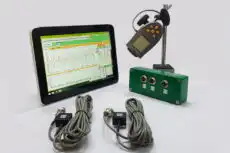
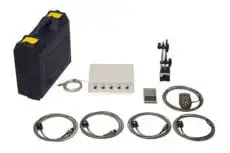
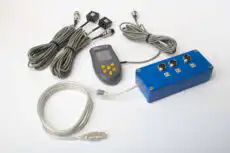
ನಿಜವಾದ ಯಂತ್ರದಲ್ಲಿ, ಹಂತ ಸೆರೆ ಮಾಡುವುದು ಸಾಧನದ ಕಾರ್ಯಸ್ಥಾನ ವೇಗದಲ್ಲಿ ತಂಪಿನಲ್ಲಿ ಕಾರ್ಯನಿರ್ವಹಿಸುವ ಪೋರ್ಟೇಬಲ್ ಎರಡು-ಚ್ಯಾನಲ್ ವಿಶ್ಲೇಷಕದ ಕೆಲಸವಾಗಿದೆ. ದಿ ಬ್ಯಾಲೆನ್ಸೆಟ್-1ಎ 1× ವೈಪ್ಲತೆ ಮತ್ತು ಹಂತವನ್ನು ಅದರ ಲೇಸರ್ ಟ್ಯಾಕೋಮೀಟರ್ನಿಂದ ನಾಡಿ ವಿರುದ್ಧ ಓದುತ್ತದೆ, ಮತ್ತು ಸಾಫ್ಟ್ವೇರ್ ಆ ವೆಕ್ಟರ್ ಅನ್ನು ಪ್ರತಿಯೊಂದರ ದ್ರವ್ಯರಾಶಿ ಮತ್ತು ಕೋನಕ್ಕೆ ಪರಿವರ್ತಿಸುತ್ತದೆ trial weight ಮತ್ತು ಸಮತೋಲನ ತೂಕ ಖಚಿತಪಡಿಸುವ ಮೊದಲು ಉಳಿದ ಅಸಮತೋಲನ. ಫಲಿತಾಂಶ ಪರಿಶೀಲಿಸಲು ಕಂಪನ ವೆಕ್ಟರ್ ಸಂಯೋಜಿಸಿ ಅಥವಾ ಪರಿಹರಿಸಲು ಕೈಯಲ್ಲಿ ಬಯನ್ನು ಬಯಸಿದರೆ, ಕಂಪನ ಹಂತ ಕೋನ ಕ್ಯಾಲ್ಕುಲೇಟರ್ ಅದೇ ವೆಕ್ಟರ್ ಅಂಕಗಣಿತವನ್ನು ನಿರ್ವಹಿಸುತ್ತದೆ.
7. ದಸ್ತಾವೇಜೀಕರಣ ಮತ್ತು ಸಂವಹನ ಹಂತ
ಪ್ರಮಾಣಿತ ಸ್ವರೂಪ
- “ವಿಸ್ತರ ಏ ಫೇಜ್” ಎಂದು ವರದಿ ಮಾಡಿ — ಉದಾಹರಣೆಗೆ, “5.2 mm/s @ 47°”.
- ಸಂಬಂಧಿಸಿದ ಕಡೆ ಆವರ್ತನವನ್ನು ಸೇರಿಸಿ: “5.2 mm/s @ 47° at 1×”.
- ಪ್ರಸ್ತಾವನೆ ನೀಡಿ, ಅಂದರೆ ಕೀಫೇಜರ್ ಸ್ಥಾನ ಅದರಿಂದ ಕೋನವನ್ನು ಅಳೆಯಲಾಗುತ್ತದೆ.
ಹಂತ ಪ್ಲಾಟ್ಗಳು
- ಫೇಜ್ ವರ್ಸಸ್ ವೇಗ — ಬೋಡ್ ಪ್ಲಾಟ್ನ ಕೆಳಗಿನ ಟ್ರೇಸ್.
- ಫೇಜ್ ವರ್ಸಸ್ ಆವೃತ್ತಿ.
- ಸಮತೋಲನ ಪರಿಕರ್ಮಣ ರೇಖಾಚಿತ್ರ.
- ಇದಕ್ಕಾಗಿ ಹಂತ ನಕ್ಷೆಗಳು ಕಾರ್ಯಾಚರಣೆ ವಿಚಲನ ಆಕಾರ ವಿಶ್ಲೇಷಣೆ.
ಫೇಜ್ ಕೋನವು ಸಮಯ ಆಯಾಮವಾಗಿದ್ದು, ಇದು ಕಚ್ಚಾ ವಿಸ್ತರವನ್ನು ಸಂಪೂರ್ಣ ಕಂಪನ ವೆಕ್ಟರ್ಗಾಗಿ ಪರಿವರ್ತಿಸುತ್ತದೆ. ಇದನ್ನು ಅಳೆಯುವುದು, ವ್ಯಾಖ್ಯಾನ ಮಾಡುವುದು ಮತ್ತು ಅನ್ವಯ ಮಾಡುವುದನ್ನು ಮಾಸ್ಟರ್ ಮಾಡುವುದು — ಸಮತೋಲನದಲ್ಲಿ, ಅನುರಣನ ಗುರುತೆಯ ಬಗ್ಗೆ ಮತ್ತು ದೋಷ ನಿಧಾನದಲ್ಲಿ — ಸುಧಾರಿತ ಕಂಪನ ವಿಶ್ಲೇಷಣೆಗೆ ಮತ್ತು ರೋಟರ್ ಡೈನಾಮಿಕ್ಸ್ ಮತ್ತು ಯಂತ್ರ ಸ್ಥಿತಿಯ ಯಾವುದೇ ಸುಗಮ ಮೌಲ್ಯಮಾಪನಕ್ಕೆ ಮೌಲ್ಯವಾನ್ನಾಗಿದೆ.

