ತಿರುಗುವ ಯಂತ್ರಗಳಲ್ಲಿ ಸ್ಟಾರ್ಟ್ಅಪ್ ಕಂಪನವನ್ನು ಅರ್ಥಮಾಡಿಕೊಳ್ಳುವುದು




ಸ್ಟಾರ್ಟ್ಅಪ್ ಕಂಪನ describes the vibration behaviour of rotating machinery during the acceleration from rest up to normal operating speed. It covers both the expected ಕ್ಷಣಿಕ ಕಂಪನ as the machine passes through its ನಿರ್ಣಾಯಕ ವೇಗ and any abnormal phenomena peculiar to the startup phase — ಥರ್ಮಲ್ ಬೋ, bearing instabilities, ರಬ್ಬಿಂಗ್ಗಳು, or mechanical settling. Monitoring it matters because many vibration problems reveal themselves most clearly during a startup, and the startup transient is frequently the most mechanically stressful moment in a machine’s whole operating cycle.
1. Definition: Why the Startup Transient Is Special
Steady-state monitoring captures a machine running at one fixed speed, but a startup sweeps the rotor through its entire speed range — exciting every ನೈಸರ್ಗಿಕ ಆವೃತ್ತಿ that lies below operating speed on the way up. Each pass through a resonance momentarily amplifies the response, and the rotor is simultaneously cold, warming unevenly, and settling onto its bearings. That combination makes the startup a uniquely revealing — and uniquely demanding — window into machine health, which is why dedicated ರನ್-ಅಪ್ ವಿಶ್ಲೇಷಣೆ is a standard tool for critical equipment.
2. Typical Startup Vibration Characteristics
Normal Startup Progression
In a healthy machine the vibration during startup follows a predictable pattern that the analyst can use as a yardstick.
Initial Phase (0–20% Speed)
- ಇಂದ ಅತ್ಯಲ್ಪ ಕಂಪನ unbalance, because centrifugal force grows with the square of speed.
- Any significant vibration at this point points to a mechanical problem or thermal bow.
- The slow-roll reading provides a baseline of the rotor’s purely mechanical condition (e.g. residual bow or runout).
ಕ್ರಿಟಿಕಲ್ ವೇಗಗಳ ಮೂಲಕ ವೇಗವರ್ಧನೆ
- Amplitude climbs as each critical speed is approached.
- It peaks at the critical speed, where the rotor is in resonance.
- It falls away rapidly as speed continues past the critical.
- A roughly 180° phase shift accompanies the passage through each critical speed — a defining signature.
- Multiple peaks appear if several critical speeds lie below operating speed.
ಕಾರ್ಯಾಚರಣಾ ವೇಗದ ಸಮೀಪ
- Vibration settles to a steady-state level.
- It is dominated by the 1× component from ಉಳಿದ ಅಸಮತೋಲನ.
- Thermal stabilisation may cause gradual changes over the first 30–60 minutes of running.
3. Common Startup Vibration Problems
ಉಷ್ಣ ಬಾಗು
Thermal bow is the most common startup-specific issue:
- ಲಕ್ಷಣ: high vibration during initial acceleration that gradually decreases as the machine warms through.
- ಕಾರಣ: asymmetric heating creating a temporary curvature of the shaft.
- Frequency: 1× synchronous.
- ವರ್ತನೆ: high even at slow-roll speeds, then decreasing as thermal equilibrium is reached.
- ಪರಿಹಾರ: extended warm-up procedures and turning-gear operation before start.
Excessive Critical-Speed Vibration
- ಲಕ್ಷಣ: very high peaks when passing through a critical speed.
- ಕಾರಣಗಳು: poor damping, high unbalance, or operating too close to a critical speed.
- ಅಪಾಯ: potential damage to bearings and seals on every startup.
- ಪರಿಹಾರ: improve balance, increase the acceleration rate through critical zones, and add damping.
Rub During Acceleration
- ಲಕ್ಷಣ: sudden, erratic vibration and the appearance of ಸಬ್-ಸಿಂಕ್ರೋನಸ್ components.
- ಕಾರಣ: insufficient clearances, or excessive critical-speed vibration driving the rotor into contact.
- ಅಪಾಯ: localised thermal damage and seal destruction.
- ಪರಿಹಾರ: verify clearances, improve balance, and slow the acceleration.
Bearing Instability During Startup
- ಲಕ್ಷಣ: sub-synchronous vibration developing during acceleration, often near half running speed.
- ಕಾರಣ: a ಜರ್ನಲ್ ಬೇರಿಂಗ್ not yet at operating temperature, so its oil film stiffness and damping are not yet optimal — a precursor to ಎಣ್ಣೆ ವರ್ಲ್.
- ವರ್ತನೆ: may disappear once the bearing warms up.
- ಪರಿಹಾರ: an extended warm-up at intermediate speed before full acceleration.
4. Designing the Startup Procedure
Optimising the Acceleration Rate
The acceleration profile should be tailored to the machine’s own dynamics rather than applied uniformly.
ನಿಧಾನ ವೇಗವರ್ಧನೆ ವಲಯಗಳು
- Initial roll (0–10% speed): very slow, to detect thermal bow or mechanical issues.
- Below the first critical: a moderate rate to allow thermal warm-up.
- Above all criticals: acceleration to operating speed can be brisker.
ವೇಗದ ಪಾಸ್-ಥ್ರೂ ವಲಯಗಳು
- Critical-speed ranges: accelerate quickly through roughly ±15–20% around each critical speed.
- Typical rate: 2–5× the normal acceleration rate.
- ಉದ್ದೇಶ: minimise dwell time at resonance and limit the build-up of vibration amplitude.
ಹಿಡಿತ ಬಿಂದುಗಳು
- Thermal-soak speeds: hold at 30%, 50% and 70% for large turbines.
- ಅವಧಿ: 10–30 minutes at each hold.
- ಉದ್ದೇಶ: allow thermal stabilisation and reduce thermal gradients.
- Vibration check: confirm vibration is acceptable before proceeding.
5. Monitoring and Acceptance Criteria
ತಕ್ಷಣದ-ಸಮಯ ಮೇಲ್ವಿಚಾರಣೆ
During a startup, watch:
- ಸಂಪೂರ್ಣ ಕಂಪನ ಮಟ್ಟ: it should not exceed the alarm limit at any speed.
- Bearing temperatures: a gradual rise is acceptable; a rapid rise signals trouble.
- Speed tracking: confirm the machine is accelerating smoothly.
- Phase angle: track it for unexpected changes that betray mechanical problems.
ಅಂಗೀಕಾರ ಮಾನದಂಡಗಳು
- Critical-speed peaks: should match predictions to within ±10–15%.
- Peak amplitudes: should stay within design limits, typically defined in the equipment specification and benchmarked against ISO 20816 severity guidance.
- Steady-state vibration: should settle to acceptable levels after thermal stabilisation.
- ಪುನರಾವರ್ತಿತ್ವ: successive startups should behave consistently.
6. Troubleshooting Abnormal Startup Vibration
ಹೆಚ್ಚಿನ ಆರಂಭಿಕ ಕಂಪನ
ಸಂಭವ್ಯ ಕಾರಣಗಳು:
- Thermal bow left from a previous run or shutdown.
- A mechanical bow or ಬಾಗಿದ ಶಾಫ್ಟ್.
- Bearing problems — ಧರಣೆ ಅಥವಾ misalignment.
- ಸಡಿಲಿಕೆ or other mechanical defects.
ವಾರ್ಮ್-ಅಪ್ ವೇಳೆ ಹೆಚ್ಚಾಗುವ ಕಂಪನ
ಸಂಭವ್ಯ ಕಾರಣಗಳು:
- A developing thermal bow from asymmetric heating.
- Thermal growth disturbing alignment.
- Bearing clearances changing with temperature.
- Thermal expansion closing clearances and leading to rubs.
ವೇಗವರ್ಧನೆ ವೇಳೆ ಅಸ್ತವ್ಯಸ್ತ ಕಂಪನ
ಸಂಭವ್ಯ ಕಾರಣಗಳು:
- Rubbing or intermittent contact.
- Loose components settling or shifting.
- ಕಪ್ಲಿಂಗ್ ಸಮಸ್ಯೆಗಳು.
- Variable bearing behaviour.
7. Documentation and Baseline Data
ಪ್ರಾರಂಭಿಕ ಕಮಿಷನಿಂಗ್
Establish a baseline startup signature:
- Record the complete run-up data.
- ರಚಿಸಿ ಬೋಡೆ ಪ್ಲಾಟ್ಗಳು and ವಾಟರ್ಫಾಲ್ ಚಾರ್ಟ್ಗಳು.
- Document every critical speed and its peak amplitude.
- Archive it as the reference for all future comparisons.
ಆವೃತ್ತಿಪರ ಹೋಲಿಕೆ
- Compare each current startup against the baseline.
- Watch for shifts in critical-speed locations, which indicate mechanical changes such as a developing crack or altered support stiffness.
- Track changes in peak amplitude, which indicate unbalance or damping changes.
- Look for new vibration components absent from the baseline.
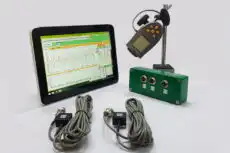
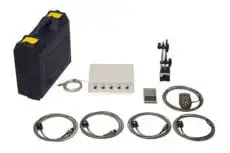
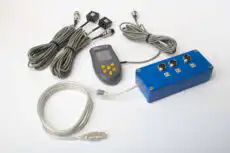
Capturing a clean run-up means logging amplitude, phase and speed continuously as the rotor accelerates — exactly the synchronised measurement a portable two-channel analyser is built for. The ಬ್ಯಾಲೆನ್ಸೆಟ್-1ಎ records 1× amplitude and phase against shaft speed during the startup, so a technician can locate critical speeds, confirm the 180° phase reversal through each one, and — when the trouble is a 1× unbalance or thermal-bow problem rather than a structural fault — balance the rotor in its own bearings and re-run to verify the startup peaks have dropped. To anticipate where those peaks should fall, a ಶಾಫ್ಟ ನಿರ್ಣಾಯಕ-ವೇಗ ಕ್ಯಾಲ್ಕುಲೇಟರ್ estimates the shaft’s natural frequency, while a rotor acceleration-time calculator helps plan how quickly the drive can sweep through a resonance zone.
Startup vibration analysis offers a view of machine health that steady-state monitoring alone cannot provide. Because so many developing faults announce themselves first during acceleration, trending the startup signature over time is one of the most valuable predictive-maintenance tools available for critical rotating equipment.

