ISO 21940-11: ಕಠಿಣ ನಡವಳಿಕೆಯ ರೋಟರ್ಗಳ ವಿಧಿ ಮತ್ತು ಸಹನಶೀಲತೆ



ISO 21940-11 ಆಧುನಿಕ, ಅಧಿಕೃತ ಅಂತರರಾಷ್ಟ್ರೀಯ ಪ್ರಮಾಣ ಸಮತೋಲನ of ಕಠಿಣ ರೋಟರ್ಗಳು — ರೋಟರ್ಗಳು ಅವುಗಳ ಕಾರ್ಯ ವೇಗ ವ್ಯಾಪ್ತಿಯುದ್ದಕ್ಕೂ ಗಮನಾರ್ಹವಾಗಿ ಬದಲಾಗದೆ ಅಸಮತೋಲನ ವಿತರಣೆ ಹೊಂದಿರುತ್ತವೆ. ಇದು ಔಪಚಾರಿಕವಾಗಿ ದೀರ್ಘಕಾಲ ಸ್ಥಾಪಿತ ISO 1940-1ರನ್ನು ಬದಲಿಸುತ್ತದೆ, ಆ ದಾಖಲೆಯ ಪರಿಚಿತ ಮೆಷಿನರಿ ಮುಂದುವರಿಸುವ ಮೂಲಕ ಮತ್ತು ಭಾಷೆಯನ್ನು ಸಂಸ್ಕರಿಸುತ್ತದೆ, ರೋಟರ್ ವಿಧಗಳ ಕ್ಯಾಟಾಲಾಗ್ ವಿಸ್ತರಿಸುತ್ತದೆ, ಮತ್ತು ಹೆಚ್ಚು ಸ್ಪಷ್ಟ ಕಾರ್ಯವಿಧಿ ಮಾರ್ಗದರ್ಶನ ನೀಡುತ್ತದೆ. ಇದರ ಸಂಪೂರ್ಣ ಶೀರ್ಷಿಕೆ ಹೀಗಿದೆ “ಯಾಂತ್ರಿಕ ಕಂಪನ — ರೋಟರ್ ಸಮತೋಲನ — ಭಾಗ 11: ಕಠಿಣ ನಡವಳಿಕೆಯ ರೋಟರ್ಗಳ ವಿಧಿ ಮತ್ತು ಸಹನಶೀಲತೆ,” ಮತ್ತು ಬ್ಯಾಲೆನ್ಸ ವಿನ್ಯಾಸ, ಸಹನಶೀಲತೆ, ಅಥವಾ ಸ್ವೀಕೃತ ಉಲ್ಲೇಖದ ವಿರುದ್ಧ ಪರೀಕ್ಷೆ ಗ್ರಹಿಸಬೇಕಾದ ಸ್ಥಳದಲ್ಲಿ ಸಮ್ಮತಿ ಪರೀಕ್ಷೆಯನ್ನು ರಕ್ಷಿಸಬೇಕಾಗಿರುವ ಸ್ಥಳದಲ್ಲಿ ಎಂಜಿನಿಯರ್ ತಿರುವುಮಾರುತ್ತಾನೆ ಮತ್ತು ಈ ದಾಖಲೆ ಅಪ್ಪಾಂಚಿ ಆನಾ ಅವುದಿ.
1. ವ್ಯಾಪ್ತಿ: ಕಠಿಣ ರೋಟರ್ ಎಂದು ಕಿತ್ತಕ್ಕೆ ಬರುವುದು
ಪ್ರಮಾಣ ಪ್ರತ್ಯೇಕವಾಗಿ ರೋಟರ್ಗಳಿಗೆ ಅನ್ವಯಿಸುತ್ತದೆ ಅದು ಕಠಿಣ ನಡವಳಿಕೆಪ್ರದರ್ಶನ ಮಾಡುತ್ತದೆ. ಔಪಚಾರಿಕವಾಗಿ, ರೋಟರ್ ಕಠಿಣವೆಂದು ಪರಿಗಣಿಸಲಾಗುತ್ತದೆ ಇದನ್ನು ಯಾವುದೇ ಎರಡು ನಿರಂಕುಶ ಸಮತಲಗಳಲ್ಲಿ ಸರಿಪಡಿಸಬಹುದು ಮತ್ತು ಆ ಸರಿಪಡಿಸುವಿಕೆಯ ನಂತರ, ಇದರ ಉಳಿದ ಅಸಮತೋಲನ ಗರಿಷ್ಠ ಸೇವಾ ವೇಗದವರೆಗೆ ಯಾವುದೇ ವೇಗದಲ್ಲಿ ನಿರ್ದಿಷ್ಟ ಸಹನಶೀಲತೆಯನ್ನು ಗಮನಾರ್ಹವಾಗಿ ಮೀರುವುದಿಲ್ಲ. ಪ್ರಾಯೋಗಿಕವಾಗಿ ಇದು ಶಾಫ್ಟ ಮುಖ್ಯವಾಗಿ ಕೇಂದ್ರೀಯ ಬಲಗಳ ಅಡಿಯಲ್ಲಿ ಗಮನಾರ್ಹವಾಗಿ ಬಾಗುವುದಿಲ್ಲ ಎಂದು ಅರ್ಥ, ಆದ್ದರಿಂದ ನೀವು ಕಡಿಮೆ ವೇಗದಲ್ಲಿ ಅಳೆಯುವ ದ್ರವ್ಯರಾಶಿ ವಿತರಣೆ ಪೂರ್ಣ ವೇಗದಲ್ಲಿ ಯಂತ್ರವು ಚಲಿಸುವ ಒಂದೇ ರೀತಿಯಾಗಿರುತ್ತದೆ.
ಈ ಊಹೆ ಸಂಪೂರ್ಣ ISO 21940 ಕುಟುಂಬದ ವಿಭಜನ ರೇಖೆ. ಅಲ್ಲಿ ರೋಟರ್ ಬೆಗ್ಗೆಹೊಕ್ಕಾದರೆ — ಸಾಮಾನ್ಯವಾಗಿ ಒಮ್ಮೆ ಇದರ ಸೇವಾ ವೇಗ ಪರಾಕೋ ಅದರ ಮೊದಲ ಬಾಗುವಿಕೆಯ 70% ಹೇಗಿದೆ critical speed — ಕಠಿಣ ಮಾದರಿ ಮುರಿಯುತ್ತದೆ ಮತ್ತು ಬಹು-ವೇಗ ವಿಧಿಗಳನ್ನು ISO 21940-12 ನಮ್ಯ ರೋಟರ್ಗಳಿಗಾಗಿ ಬಳಸಬೇಕು. ಕಠಿಣ-ರೋಟರ್ ಸಮತೋಲನದ ನಿರ್ದಿಷ್ಟ ಗುರಿ ದ್ರವ್ಯರಾಶಿ ಕಡಿಮೆ ಮಾಡುವುದು ವಿಕೇಂದ್ರಿತತೆ ಜೆ ಕೇಂದ್ರೀಯ ಬಲಗಳನ್ನು vibration ಅಸಮತೋಲನದ ಕೆಳಗೆ ಜೀವನೋಪಾಧಿ ಯಂತ್ರದ ಉದ್ದೇಶ್ಯಕ್ಕಾಗಿ ಸ್ವೀಕಾರ್ಯವಾಗಿ ಕಡಿಮೆ ಎಂದು ಪರಿಗಣಿಸುತ್ತದೆ — ಸೈದ್ಧಾಂತಿಕ ನಿರ್ಬಿಲ್ ಸಮತೋಲನವನ್ನು ಬೆನ್ನಟಿ ಮಾಡುವುದು, ಯಾವುದು ಅಸಾಧ್ಯ ಅಥವಾ ಅರ್ಥನೀಯ ಅಲ್ಲ.
2. ಬ್ಯಾಲೆನ್ಸ ಸಹನಶೀಲತೆ ಸೂಚಿಸುವುದು: ಜಿ-ಗ್ರೇಡ್ಗಳು
ಇದು ಮಾನದಂಡದ ಹೃದಯ — ಅಧ್ಯಾಯವು “ಸಮತೋಲನವು ಎಷ್ಟು ಚೆನ್ನಾಗಿರಬೇಕು?” ಎಂಬ ಪ್ರಶ್ನೆಗೆ ಉತ್ತರ ನೀಡುತ್ತದೆ. ಇದು ಅಂತರರಾಷ್ಟ್ರೀಯವಾಗಿ ಮನ್ನೀಯ ಪರಿಕಲ್ಪನೆಯನ್ನು ಮುಂದಕ್ಕೆ ನಿರ್ವಹಿಸುತ್ತದೆ Balance Quality Grades (G). G-ಗ್ರೇಡ್ ಎಂಬುದು ರೋಟರ್ನ ಸುಲಭ ನಿರ್ದಿಷ್ಟ ವಿಕೇಂದ್ರತೆಯ ಗುಣಲಬ್ಧಕ್ಕೆ ಸಮಾನವಾದ ಸ್ಥಿರಾಂಕ e ಮತ್ತು ಅದರ ಗರಿಷ್ಠ ಸೇವಾ ಕೋನೀಯ ವೇಗ Ω:
G = e · Ω (ಸಂಖ್ಯಾತ್ಮಕವಾಗಿ, ದ್ರವ್ಯಮಾನ ಕೇಂದ್ರದ ಸುಲಭ ಕಕ್ষೀಯ ವೇಗ mm/s ರಲ್ಲಿ)
ಮಾನದಂಡವು ನೂರಾರು ರೋಟರ್ ಪ್ರಕಾರಗಳನ್ನು ಪಟ್ಟಿ ಮಾಡುವ ವ್ಯಾಪಕ, ನವೀಕರಣ ಮಾಡಿದ ಟೇಬಲ್ ಅನ್ನು ಒಳಗೊಂಡಿರುತ್ತದೆ — ಸಣ್ಣ ವಿದ್ಯುತ್ ಆರ್ಮೇಚರ್ ಮತ್ತು ಗ್ರೈಂಡಿಂಗ್ ಸ್ಪಿಂಡಲ್ಗಳಿಂದ ಪಂಪುಗಳು, ಫ್ಯಾನ್ಗಳು ಮತ್ತು ಯಂತ್ರ-ಸಾಧನ ಡ್ರೈವ್ಗಳ ಮೂಲಕ ಬೃಹತ್ ಉಗ್ರ ಟರ್ಬೈನುಗಳು ಮತ್ತು ಜನರೇಟರ್ಗಳವರೆಗೆ — ಮತ್ತು ಪ್ರತಿಯೊಂದಕ್ಕೂ ಶಿಫಾರಸು ಮಾಡಲಾದ ಗ್ರೇಡ್ ಅನ್ನು ನಿಯೋಜಿಸುತ್ತದೆ. ಇಂಜಿನಿಯರ್ ಒಂದು ಗ್ರೇಡ್ ಅನ್ನು ಓದುತ್ತಾರೆ G6.3 ವಿಶಿಷ್ಟ ಪಂಪ್ ಅಥವಾ ಫ್ಯಾನ್ಗಾಗಿ, G2.5 ಟರ್ಬೈನ್ ಅಥವಾ ಕಠಿಣ ಟರ್ಬೋ-ಜನರೇಟರ್ ರೋಟರ್ಗಾಗಿ, ಅಥವಾ ನಿಖುತ ಸ್ಪಿಂಡಲ್ಗಳಿಗೆ ಕಠಿಣ ಮೌಲ್ಯಗಳು. ಮಾನದಂಡವು ನಂತರ ಆ ಗ್ರೇಡ್ ಅನ್ನು ಕೆಲಸದ ಸಂಖ್ಯೆಗೆ ಪರಿವರ್ತಿಸುವ ಸೂತ್ರವನ್ನು ಸರಬರಾಜು ಮಾಡುತ್ತದೆ: ಸುಲಭ ಶೇಷ specific unbalance eಪ್ರತಿ, ಇದನ್ನು ರೋಟರ್ ದ್ರವ್ಯರಾಶಿಯಿಂದ ಗುಣಿಸಿದಾಗ ಗ್ರಾಮ್-ಮಿಲ್ಲಿಮೀಟರ್ಗಳಂತಹ ಘಟಕಗಳಲ್ಲಿ ಒಟ್ಟು ಸುಲಭ ಶೇಷ ಸಮತೋಲನವನ್ನು ನೀಡುತ್ತದೆ. ಏಕೆಂದರೆ eಪ್ರತಿ = (G × 1000) / Ω, ಸೇವಾ ವೇಗ ಹೆಚ್ಚಾದಂತೆ ಸುಲಭ ಸಮತೋಲನವು ಕುಸಿತವಾಗುತ್ತದೆ — ವೇಗದ ರೋಟರ್ ಅನ್ನು ಅದೇ ದ್ರವ್ಯರಾಶಿಯ ನಿಧಾನ ಸೋಪಾನಕ್ಕಿಂತ ಹೆಚ್ಚು ನಿಖುತವಾಗಿ ಸಮತೋಲಿತ ಮಾಡಬೇಕು. ನಮ್ಮ ಉಳಿದ ಅಸಮತೋಲನ ಕ್ಯಾಲ್ಕುಲೇಟರ್ (ISO 21940-11) ಗ್ರೇಡ್, ದ್ರವ್ಯರಾಶಿ ಮತ್ತು ವೇಗ ಇಂದ ನೇರವಾಗಿ ಈ ಪರಿವರ್ತನೆ ನಿರ್ವಹಿಸುತ್ತದೆ.
3. ಸಹನೀಯತೆಯನ್ನು ಎರಡು ತಿದ್ದುಪಡಿ ಸಮತಲಗಳಿಗೆ ನಿಯೋಜಿತ ಮಾಡುವುದು
ಒಂದೇ ಒಟ್ಟು ಸಹನೀಯತೆ ನೈಜ ರೋಟರ್ ಅನ್ನು ಸಮತೋಲಿತ ಮಾಡಲು ಸಾಕಾಗುವುದಿಲ್ಲ, ಏಕೆಂದರೆ ತಿದ್ದುಪಡಿಯನ್ನು ಎರಡು ಸುಧಾರಣೆ ಸಮತಲಗಳುರಲ್ಲಿ ಅನ್ವಯ ಮಾಡಲಾಗುತ್ತದೆ. ಒಟ್ಟು ಸುಲಭ ಶೇಷ ಸಮತೋಲನವು ತಿಳಿದಾಗ, ಅದನ್ನು ಆ ಎರಡು ಸಮತಲಗಳ ನಡುವೆ ವಿಭಜಿತ ಮಾಡಬೇಕು, ಮತ್ತು ISO 21940-11 ಈ ಕಾರ್ಯವನ್ನು ಸರಿಯಾಗಿ ಮಾಡಲು ಸ್ಪಷ್ಟ ಸೂತ್ರಗಳು ಮತ್ತು ವೆಕ್ಟರ್ ರೇಖಾಚಿತ್ರಗಳನ್ನು ಒದಗಿಸುತ್ತದೆ. ವಿಭಾಜನೆಯು ಅನಿರ್ದಿಷ್ಟ ಅಲ್ಲ: ಇದು ರೋಟರ್ನ ರೇಖಾಗಣಿತ — ನಿರ್ದಿಷ್ಟವಾಗಿ ದ್ರವ್ಯಮಾನ ಕೇಂದ್ರ ಮತ್ತು ಸ್ಥಾನಕ ಸ್ಥಳಗಳಿಂದ ಪ್ರತಿಯೊಂದು ತಿದ್ದುಪಡಿ ಸಮತಲದ ಅಕ್ಷೀಯ ದೂರವನ್ನು ಅವಲಂಬಿಸಿರುತ್ತದೆ. ಸಹನೀಯತೆಯನ್ನು ಸರಿಯಾಗಿ ನಿಯೋಜಿತ ಮಾಡುವುದು ಎರಡೂ ಸ್ಥಿರ ಘಟಕ ಮತ್ತು ದಂಪತಿ ಅಸಮತೋಲನ ನಿಯಂತ್ರಿತ ಆಗಿರುವುದನ್ನು ಖಾತ್ರಿಪಡಿಸುತ್ತದೆ, ಆದ್ದರಿಂದ both ಸ್ಥಾನಕಗಳಲ್ಲಿ ಪರಿವರ್ತನೆ ಬಲಗಳನ್ನು ರೋಟರ್ನ ಸಂಪೂರ್ಣ ಉದ್ದದಲ್ಲಿ ಕಡಿಮೆ ಮಾಡಲಾಗುತ್ತದೆ. ಒಳಸ್ಥ, ಸಮ್ಮಿತೀಯ ರೋಟರ್ಗೆ ವಿಭಾಗವು ಹತ್ತಿರ ಸರಿಸಮಾನವಾಗಿರುತ್ತದೆ; ಅಸಮ ಅಥವಾ ಬಾಹ್ಯ ರೇಖಾಗಣಿತಕ್ಕೆ ಇದು ಪ್ರಜ್ವಲನ್ನವಾಗಿ ಅಸಮಾನವಾಗಿರಬಹುದು. ಸಹಭಾಗಿ ಮಾರ್ಗದರ್ಶನ ಎರಡು ತಿದ್ದುಪಡಿ ಸಮತಲಗಳ ನಡುವೆ ಸುಲಭ ಶೇಷ ಸಮತೋಲನವನ್ನು ಹೇಗೆ ವಿಭಜಿತ ಮಾಡಬೇಕು ಅದೇ ಅಂಕಗಣಿತ ಹಂತವನ್ನು ಹಂತ ಬಂದರು ನಡೆದುಕೊಳ್ಳುತ್ತದೆ.
4. ಶೇಷ ಸಮತೋಲನವನ್ನು ಪರಿಶೋಧಿಸುವುದು — ಸ್ವೀಕಾರ ಪರೀಕ್ಷೆ
ಅಂತಿಮ ತಿದ್ದುವ ತೂಕಗಳನ್ನು ಅನ್ವಯ ಮಾಡಿದ ನಂತರ, ಪರಿಶೀಲನಾ ರನ್ ಫಲಿತಾಂಶವನ್ನು ದೃಢೀಕರಿಸುತ್ತದೆ. ಒಂದು ಪ್ರತ್ಯೇಕ ಸಮತೋಲನ ಯಂತ್ರ ಪ್ರತಿಟಿಪಿ ತಿದ್ದುವ ಸಮತಲದಲ್ಲಿ ಉಳಿದ ಅಸಮತೋಲನ ಅಳೆಯಲಾಗುತ್ತದೆ ಮತ್ತು ಹಿಂದಿನ ಹಂತದಲ್ಲಿ ತಾತ್ಪರ್ಯ ಪಡೆದ ಪ್ರತ್ಯೇಕ ಪ್ರತಿ-ಸಮತಲ ಸಹನಶೀಲತೆಗಳ ವಿರುದ್ಧ ಹೋಲಿಸಲಾಗುತ್ತದೆ. ರೋಟರ್ ಕೇವಲ ಅಳೆದ ಶೇಷ ಅಸಮತೋಲನವು ಸಹನಶೀಲತೆಗೆ ಸಮ ಅಥವಾ ಕೆಳಗಿರುವ ಸಮಯದಲ್ಲಿ ಹಾದುಹೋಗುತ್ತದೆ both ಸಮತಲಗಳು — ಒಂದು ಸಮತಲದಲ್ಲಿ ಪಾಸ್ ಮತ್ತು ಇನ್ನೊಂದರಲ್ಲಿ ನಿಕಟ-ತಪ್ಪು ಒಂದು ವಿಫಲ. ಮಾನದಂಡವು ಪರಿಶೀಲನ ಸಾಧನವನ್ನು ಸರಿಯಾಗಿ ಮಾಪನಾಂಕ ಮಾಡಬೇಕು ಮತ್ತು ಯಾವುದೇ ಸಾಧನ ದೋಷಗಳನ್ನು (ಅರ್ಬರ್ಗಳು, ಅಡಾಪ್ಟರ್ಗಳು, ಡ್ರೈವ್ ಅಂಶಗಳು) ಲೆಕ್ಕಹಾಕಿಕೊಳ್ಳಬೇಕು, ಏಕೆಂದರೆ ತಿದ್ದುವ ಸಾಧನ ವಿಕೇಂದ್ರತೆಯು ಸಾಗಿಸುವ ಅಥವಾ ಸುಸ್ಥಿತ ಫಲಿತಾಂಶವನ್ನು ನೀಡಬಹುದು.
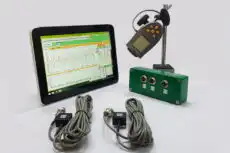
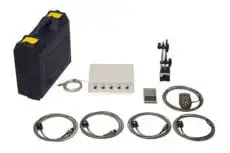
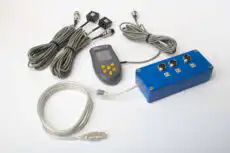
ರೋಟರ್ ಈಗಾಗಲೇ ಸ್ಥಾಪಿತವಾದಾಗ, ಈ ಅದೇ ಪರಿಶೀಲನವು ತುಲನದ ಪ್ರೋತ್ತಲ್ಯಕ್ಕೆ ಬದಲಾಗಿ ಸ್ಥಳದಲ್ಲಿ ಸಂಭವಿಸುತ್ತದೆ. ಒಂದು ವಹನೀಯ ಎರಡು-ಚಾನೆಲ ವಿಶ್ಲೇಷಕ ಮತ್ತು ಬ್ಯಾಲೆನ್ಸೆಟ್-1ಎ 1× ಅಳತೆ ಮಾಡುತ್ತದೆ ವೈಶಾಲ್ಯ ಮತ್ತು ಹಂತ ಯಂತ್ರದ ಸ್ವಂತ ಮಿತ್ರಪಕ್ಷಗಳಲ್ಲಿ ಕಾರ್ಯನಿರ್ವಹಣ ವೇಗದಲ್ಲಿ, ರೋಟರ್ನ ಪ್ರಭಾವ ಗುಣಾಂಕಗಳುಲೆಕ್ಕಾಚಾರ ಮಾಡುತ್ತದೆ, ಮತ್ತು ಉಳಿದ ಕಂಪನವು ಆಯ್ದ ISO 21940-11 ಗ್ರೇಡ್ನಲ್ಲಿರುವುದೆಂದು ದೃಢೀಕರಿಸುತ್ತದೆ — ನಿಜವಾದ ಸ್ಥಾಪಿತ ಸ್ಥಿತಿಯನ್ನು ಸೆರೆ ಮಾಡುತ್ತದೆ, ಜೋಡಣೆ ಮತ್ತು ಉಷ್ಣ ಪರಿಣಾಮಗಳನ್ನು ಒಳಗೊಂಡು ಒಂದು ಮೇಲೆ ಯಂತ್ರವು ಎಂದಿಗೂ ನೋಡುವುದಿಲ್ಲ.
5. ವರದಿ ಮಾಡುವಿಕೆ ಮತ್ತು ಅನುಸರಣೀಯತೆ
ಮಾನದಂಡವು ಒಂದು ಔಪಚಾರಿಕ ತುಲನೆ ವರದಿಯ ಕನಿಷ್ಠ ವಿಷಯವನ್ನು ಸೂಚಿಸಿ ಮುಕ್ತಾಯ ಮಾಡುತ್ತದೆ, ಆದ್ದರಿಂದ ಫಲಿತಾಂಶಗಳು ಅನುಸರಣೀಯ ಮತ್ತು ಅಸ್ಪಷ್ಟ. ಅನುರೂಪ ವರದಿ ಆಡಳಿತ್ಯ ವಿವರಗಳನ್ನು ರೆಕಾರ್ಡ್ ಮಾಡುತ್ತದೆ (ದಿನಾಂಕ, ಆಪರೇಟರ್), ರೋಟರ್ನ ಸಂಪೂರ್ಣ ಗುರುತೆ (ಭಾಗ ಮತ್ತು ಸರಣಿ ಸಂಖ್ಯೆಗಳು), ಮತ್ತು ಪ್ರಮುಖ ತುಲನೆ ನಿಯತಾಂಕಗಳು: ನಿರ್ದಿಷ್ಟ ಸಮತೋಲನ ಗುಣಮಟ್ಟ ಗ್ರೇಡ್, ಗರಿಷ್ಠ ಸೇವಾ ವೇಗ, ಮತ್ತು ರೋಟರ್ ದ್ರವ್ಯರಾಶಿ. ಮುಖ್ಯವಾಗಿ ಇದು ಎರಡೂವನ್ನು ದಾಖಲು ಮಾಡುತ್ತದೆ ಆರಂಭಿಕ ಅಸಮತೋಲನ ಮತ್ತು ಪ್ರತಿಟಿಪಿ ತಿದ್ದುವ ಸಮತಲಕ್ಕೆ ಅಂತಿಮ ಅಳೆದ ಉಳಿದ ಅಸಮತೋಲನ, ಪ್ರತಿಟಿಪಿಯು ಅದರ ಲೆಕ್ಕಾಚಾರ ಸಹನಶೀಲತೆಯ ಕೆಳಗಿದೆ ಎಂದು ಪ್ರದರ್ಶನ ಮಾಡುತ್ತದೆ. ಫಲಿತಾಂಶವು ರೋಟರ್ ಅನ್ನು ಮಾನದಂಡದ ಅನುಸಾರ ತುಲನೆ ಮಾಡಲಾಯಿತೆಂದು ದಿರುಳಾಗದ, ಪರಿಶೀಲನೀಯ ಆದೇಶ.
6. ISO 1940-1 ರಿಂದ ಏನು ಬದಲಾಯಿತು
- ನೇರ ಪ್ರತಿಸ್ಥಾಪನ: ISO 21940-11 ISO 1940-1 ಗೆ ಅಧಿಕಾರಿಕ ಉತ್ತರಾಧಿಕಾರಿ. ಮೌಲಿಕ ತತ್ವಗಳು ಮತ್ತು ಮೂಲ G = e·Ω ಸಂಬಂಧವು ಬದಲಾಗದೆ ಇರುತ್ತದೆ, ಆದ್ದರಿಂದ “ISO 1940-1 ಪ್ರಕಾರ G6.3” ಎಂಬುದನ್ನು ಕರೆ ಮಾಡುವ ಪರಿವಹನೀಯ ಶಿಲ್ಪವು ಹೊಸ ದಸ್ತಾವೇಜಿಗೆ ಎಲ್ಲೆ ನಕ್ಷೆ ಮಾಡುತ್ತದೆ.
- ಪ್ರಕ್ರಿಯೆಯ ಮೇಲೆ ಹೆಚ್ಚು ಒತ್ತು: ಹೊಸ ಸಂಸ್ಕರಣೆಯು ತುಲನೆಯನ್ನು ಒಂದು ಅಂತ್ಯ-ನಿರ್ಭರ ಕೆಲಸದ ಹರಿವು ಎಂದು ಪರಿಗಣಿಸುತ್ತದೆ — ಸಹನಶೀಲತೆ ನಿರ್ದಿಷ್ಟ ಮಾಡುವುದು, ಸಮತಲಗಳ ನಡುವೆ ಸಹನಶೀಲತೆ ಹಂಚುವುದು, ಫಲಿತಾಂಶವನ್ನು ಪರಿಶೀಲಿಸುವುದು, ಮತ್ತು ಅದನ್ನು ವರದಿ ಮಾಡುವುದು — ಒಂದು ಒಂದೇ ಸಹನಶೀಲತೆ ಮೌಲ್ಯಕ್ಕೆ ಬದಲಾಗಿ.
- ವಿಸ್ತೃತ ಕೋಷ್ಠಕಗಳು ಮತ್ತು ಸ್ಪಷ್ಟತರ ಮಾರ್ಗದರ್ಶನ: G-ಗ್ರೇಡ್ ಯಂತ್ರಾಂಶ ಕೋಷ್ಠಕಗಳು ಈಗ ಹೆಚ್ಚು ರೋಟರ್ ಪ್ರಕಾರಗಳನ್ನು ಒಳಗೊಳ್ಳುತ್ತದೆ, ಮತ್ತು ಪ್ರಕ್ರಿಯಾ ಮತ್ತು ಹಂಚುವುದು ಸೂಚನೆಗಳು ಹೆಚ್ಚು ಪ್ರಸ್ತುತ.
- ಉತ್ತಮ ಸಂಯೋಜನೆ: ಮಾನದಂಡವು ISO 21940 ಸರಣಿಯ ಉಳಿದ ಭಾಗದೊಂದಿಗೆ ಸ್ವಚ್ಛವಾಗಿ ಕುಳಿತುಕೊಂಡಿದೆ — ಭಾಗ 12 ಗೆ ಮತ್ತು ಸಂಕೀರ್ಣ ಗೇರ್ ವ್ಯವಸ್ಥೆಗಳು. ಅವರು ಎರಡು-ಚ್ಯಾನಲ್ FFT ವಿಶ್ಲೇಷಣೆ, ಅಂತಹ ಮುಂದಸಾಲಿನ ತಂತ್ರಗಳನ್ನು ಪ್ರವೀಣ ಮತ್ತು ಭಾಗ 13 ಗೆ ನೆಲದ ಮೇಲೆ ಸಮತೋಲನ — ಮತ್ತು ಆಧುನಿಕ ಉಲ್ಲೇಖ ನೀಡುತ್ತದೆ ISO 20816 ಸರಣಿ ಸೇವೆಯಲ್ಲಿರುವ ಕಂಪನ ಮಿತಿಗಳಿಗೆ.
- ಕಠಿಣ-ರೋಟರ್ ಊಹೆ ಗೇಟ್ಕೀಪರ್ ಆಗಿ ಉಳಿಯುತ್ತದೆ: ಸಂಪೂರ್ಣ ದಾಖಲೆ ರೋಟರ್ ಕಠಿಣವಾಗಿ ವರ್ತಿಸುವಾಗ ಮಾತ್ರ ಮಾನ್ಯವಾಗಿರುತ್ತದೆ; ಇದು ವೇಗದಲ್ಲಿ ಬಾಗುವ ಕ್ಷಣ, ವಿಶ್ಲೇಷಕ ಭಾಗ 12 ಗೆ ಸರಿಸಬೇಕು.

