कंपन निरीक्षणातील शाफ्ट सेंटरलाइन समजून घेणे

In machinery monitoring with प्रॉक्समिटी प्रोब, the शाफ्ट सेंटरलाइनची स्थिती ही fluid-film bearing clearanceमधील shaftच्या geometric centreची सरासरी, म्हणजे steady-state, position असते. तर vibration measurement — signalचा AC component — shaftच्या वेगवान dynamic motionचे वर्णन करतो सभोवती that average position, the centerline measurement — the DC component — describes जिथे the average position actually sits inside the bearing. Tracking how that DC position moves over time yields some of the most valuable insight available into bearing load, alignment, and long-term wear, all of which an कक्षा प्लॉट alone would miss.
1. Why the Centerline Position Matters
मध्ये एक रोटर journal bearing does not sit at the centre of its bore. At rest it lies at the bottom of the clearance; once running, it climbs the hydrodynamic oil wedge and settles at an offset, eccentric position governed by speed, load, oil viscosity, and the forces fed in through the coupling. That equilibrium position is a direct, physical readout of the steady forces acting on the rotor. Vibration tells you how violently the shaft is shaking; the centerline tells you where it is being pushed. The two answer fundamentally different questions, and a complete diagnosis of a fluid-film machine needs both.
2. How the Shaft Centerline Position Is Measured
The position is derived from the DC voltage output of a pair of X–Y proximity probes — two probes mounted 90 degrees apart at the same axial plane. The process runs as follows:
- Probe gap voltage: प्रत्येक proximity probeचा driver probe tip आणि shaft surface यांतील gapच्या थेट प्रमाणात negative DC voltage output करतो. एक सामान्य calibration −200 mV/mil असते, त्यामुळे shaft probeपासून दूर गेला की voltage अधिक negative होते. तो bias gap अचूकपणे set आणि check करणे हा routine commissioning step आहे, आणि आमचा प्रॉक्सिमिटी प्रोब गॅप व्होल्टेज कॅल्क्युलेटर makes the conversion straightforward.
- Zeroing the position: to establish a reference, the DC gap voltages are typically zeroed or recorded with the shaft at rest at the bottom of its bearing.
- Tracking the average position: as the machine starts up and reaches operating speed and temperature, the shaft lifts on its hydrodynamic oil film. The system continuously monitors the average DC gap voltages from the X and Y probes.
- Plotting the position: X आणि Y DC voltages एकमेकांविरुद्ध plot करून monitoring system shaftची average position अशा 2D graphवर दाखवते जो पूर्ण bearing clearance दर्शवतो.
Because the measurement relies on the DC content of an eddy-current signal, it demands a permanently installed probe pair and a monitor capable of resolving the slow DC trend — not a portable, AC-coupled विस्थापन reading. This is why centerline monitoring is a feature of installed turbomachinery protection systems rather than of walk-around routes.
3. The Diagnostic Value of a Shaft Centerline Plot
A शाफ्ट सेंटरलाइन आलेख मशीनचा speed किंवा load बदलत असताना average shaft positionचा path दाखवते. Turbomachineryमध्ये हे एक शक्तिशाली diagnostic tool आहे, आणि फक्त vibration dataमधून न दिसणाऱ्या अनेक स्थिती ते उघड करते.
1. Confirming normal bearing operation
Startupवेळी fluid-film bearingमधील निरोगी rotor hydrodynamic oil wedge विकसित होत असताना वर उठतो आणि बाजूला सरकतो — हे bearing geometry आणि rotation direction यांचे परिणाम असतात. Centerline plotवर तो काढणारा path प्रत्येक वेळी machine सुरू होताना smooth आणि repeatable असायला हवा. असा सातत्यपूर्ण path bearings योग्य lift निर्माण करत आहेत आणि rotor त्याच्या क्लिअरन्स.
2. Diagnosing bearing wear
जसजसे बेअरिंग परिधान होते, शाफ्ट हळूहळू त्याच्या क्लिअरन्समध्ये खालच्या दिशेने स्थिर होते. बेअरिंग घिसावट begins to produce high vibration. The centerline is, in effect, an early-warning channel that leads the vibration trend.
3. Detecting changes in alignment or load
shaftची position त्यावर कार्य करणाऱ्या forcesने ठरते. Machineचे alignment बदलल्यास — thermal growth, pipe strain किंवा settling foundationमुळे — bearing forces बदलतात आणि centerline position त्यानुसार सरकते. अन्यथा steady-state operationदरम्यान centerline positionमध्ये अचानक झालेला बदल हा rotorवर कार्य करणाऱ्या forcesमध्ये मोठा बदल झाल्याचे ठोस लक्षण आहे आणि तातडीच्या तपासणीची गरज दर्शवतो. विकसित होत असलेल्या misalignment किंवा एखादा थर्मल बो, आणि एक उपयुक्त क्रॉस-चेक चालू फाउंडेशन स्थिती.
4. Identifying bearing instabilities
Under certain conditions the shaft never settles into a stable position and instead begins to precess, or whip, within the bearing. This condition — ऑइल व्हर्ल or oil whip, a form of रोटर अस्थिरता — shows up as a large, unstable excursion on the centerline plot, distinct from the tidy, repeatable path of a healthy machine. Read alongside the व्हर्ल signature in the spectrum, it confirms a self-excited problem rather than a forced one.
4. मध्यवर्ती स्थिती विरुद्ध कक्षा
It is essential to distinguish the two plots that a single pair of proximity probes can produce, because they are read in completely different ways:
- The शाफ्ट सेंटरलाइन आलेख uses the DC व्होल्टेज दाखवण्यासाठी सरासरी position of the shaft. It is the right tool for slow changes over time — trends — and for behaviour during स्टार्टअप and शटडाउन.
- The शाफ्ट ऑर्बिट प्लॉट uses the AC व्होल्टेज दाखवण्यासाठी dynamic motion of the shaft around its average centerline position. It is the right tool for diagnosing specific dynamic faults such as unbalance and misalignment.
समतोल बिंदूचा संथ प्रवाह पकडतो;
5. Practical Notes and Limitations
फील्डमध्ये सेंटरलाइन डेटा कसा वापरला जातो हे काही वास्तविकता आकार देतात:
- Mechanical and electrical runout: the DC reading includes any रनआउट in the probe target area, which must be characterised at slow roll so it is not mistaken for a genuine position shift.
- It applies to fluid-film bearings: the concept depends on a journal rising on an oil film, so it has little meaning for rolling-element bearings, which lack the same clearance space to move within.
- Thermal context matters: position shifts are normal as a machine warms up; the diagnostic signal is a change that occurs नंतर thermal equilibrium has been reached.
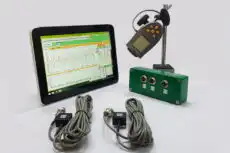
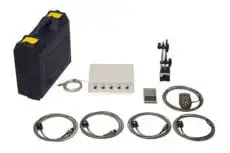
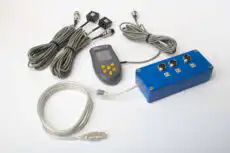
On installed critical machines, centerline monitoring lives within the permanent protection system. On the many smaller machines that have no proximity probes, the equivalent reliability work is done with a portable two-channel analyser such as the Balanset-1A, which measures casing vibration and the 1× मोठेपणा आणि टप्पा at the bearings and — where the fault is unbalance — corrects it by क्षेत्र संतुलन the rotor in place. The two approaches are complementary: the centerline plot watches where a large rotor sits, while the portable analyser diagnoses and fixes the dynamic forces that move it.

