Hva er vibrasjon?



Vibrasjoner, i maskinsammenheng, er den mekaniske oscillasjonen — den repeterende frem-og-tilbake-bevegelsen — til en maskin eller dens komponenter rundt en likevektsposisjon. Et visst vibrasjonsnivå er iboende i alt driftsutstyr, men en endring i vibrasjonsmønsteret er ofte det første og mest pålitelige tegnet på et utviklende problem. Derfor er vibrasjon hjørnesteinen i vibrasjonsdiagnostikk og prediktivt vedlikehold: det lar en ingeniør “lytte” til en maskin og lese dens mekaniske tilstand lenge før en feil blir synlig eller hørbar.
1. Definisjon: Essensen av vibrasjon
Enhver vibrasjon er en respons på en kraft. En roterende maskin genererer kontinuerlig små periodiske krefter, og konstruksjonen responderer ved å oscillere; størrelsen og karakteren til denne oscillasjonen avhenger av den eksiterende kraften og maskinens stivhet, masse og demping. Vibrasjon er derfor aldri problemet i seg selv — det er et symptom hvis mønster koder den underliggende årsaken. Kunsten i vibrasjonsanalyse dekoder det mønsteret.
2. Viktige egenskaper ved vibrasjon
For å kunne analyseres må vibrasjon kvantifiseres. Fire egenskaper beskriver den fullstendig:
- Frekvens: hvor ofte bevegelsen gjentar seg, målt i hertz (Hz) eller omdreininger per minutt (CPM). Frekvensen identifiserer kilde til vibrasjonen — ubalanse, feiljustering, en lagerskade — fordi hver feil genererer energi ved karakteristiske frekvenser i forhold til driftshastighet.
- Amplitude: hvor alvorlig bevegelsen er, og indikerer alvorlighet av en feil. Amplitude kan uttrykkes på tre måter:
- Forskyvning: den totale tilbakelagte avstanden (mikrometer eller mils), mest nyttig ved lave frekvenser.
- Hastighet: bevegelseshastigheten (mm/s eller in/s) — den målestørrelsen som oftest brukes til å vurdere maskinens generelle tilstand.
- Akselerasjon: endringsraten for hastigheten (i g), særlig følsom for høyfrekvente hendelser som tann- og lagerfeil.
- Fase: en tidsmessig måling som beskriver hvor en vibrerende del befinner seg i syklusen sin i forhold til en annen del eller til en fast referanse, for eksempel en Keyphasor puls. Fase er avgjørende for å diagnostisere feilinnretting og bøyde aksler, og er grunnlaget for rotor balansering.
- Retning: vibrasjon oppstår i alle retninger, så målinger tas horisontalt, vertikalt og aksialt for å danne et fullstendig bilde av hvordan maskinen beveger seg.
3. Kilder til maskinvibrasjon
Et fåtall mekaniske tilstander er ansvarlige for det store flertallet av vibrasjoner i industrien, og de fleste avslører seg gjennom et karakteristisk frekvens- og fasemønster:
- Ubalanse: ujevn massefordeling rundt rotasjonssenterlinjen — et “tungt punkt” — som gir et sterkt 1×-respons.
- Feiljustering: sentrallinjene til to koblede aksler er ikke kollineære, og øker typisk 1×- og 2×-komponentene.
- Mekanisk løshet: slitte eller løse bolter, lager eller fundamentfestinger, som ofte genererer flere harmoniske.
- Lagerfeil: feil på løpebanene eller rulleelementene, som opptrer ved lagerfeilfrekvenser.
- Girfeil: slitte, utchippede eller feilinnrettede tenner som eksiterer tannhjul-inngrepsfrekvens og sidebåndene.
- Resonans: en påtvunget frekvens som sammenfaller med en komponents egenfrekvens, og forsterker bevegelsen dramatisk.
- Elektriske problemer: motorfeil som brutt rotorstang eller et eksentrisk luftgap.
4. Hvorfor vibrasjonsmåling er viktig
Systematisk måling og analyse av vibrasjoner gir fire konkrete fordeler for industrielt vedlikehold:
- Tidlig feiloppdagelse: problemer oppdages lenge før de blir synlige, hørbare eller forårsaker sekundære skader.
- Grunnårsaksanalyse: frekvensinnholdet peker nøyaktig ut den eksakte mekanismen, og muliggjør en målrettet reparasjon fremfor gjetting.
- Sikkerhet: Overvåking av vibrasjoner bidrar til å forhindre katastrofale feil som kan sette personell og miljø i fare.
- Effektivitet: maskiner som går jevnt, bruker mindre energi og produserer høyere kvalitet.
5. Måling og vurdering av vibrasjon i felt
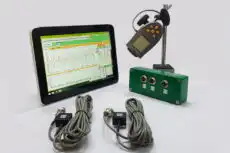
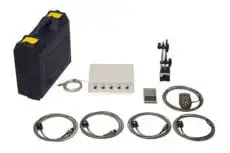
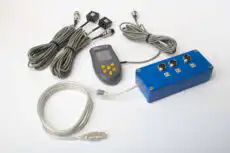
I felt festes et akselerometer til lagerhuset, og signalet transformeres av en FFT til et spektrum, som deler totalmålingen inn i de individuelle frekvenskomponentene som avslører hver enkelt feil. Den målte alvorlighetsgrad sammenlignes deretter med akseptsoner i ISO 20816 (den moderne etterfølgeren til ISO 10816). Når den dominerende komponenten er 1× ubalanse, kan det samme instrumentet som måler den, også korrigere den: et bærbart to-kanals analyseverktøy som Balanset-1A registrerer amplitude og fase i maskinens egne lagre og veileder en balanseringskorreksjon på stedet, og måler deretter på nytt for å bekrefte at vibrasjonen er redusert innenfor toleransen — noe som lukker sløyfen fra diagnose til verifisert reparasjon.

