Kuelewa Msemamo-Pembeni (Unyeti wa Mhimili wa Pembeni) katika Kipimo cha Mtetemo

Cross-talk — rasmi zaidi unyeti wa mhimili wa pembeni or unyeti wa mhimili wa msalaba — ni kosa la kipimo lililomo asili katika vipozatetemo vya mtetemo, na hasa katika accelerometers. Ni mwelekeo wa kipozatetemo kutoa ishara ya matokeo kwa kukabiliana na mtetemo unaopingamana na mhimili wake rasmi wa kipimo. Katika hali kamilifu, kiakisi cha mtetemo kilichoundwa kupima mwendo wa wima kingejibu only kwa mwendo wa wima peke yake na kupuuza kila kitu cha mlalo au cha mhimili. Katika ulimwengu wa kweli, kutofautiana kidogo kwa kipengele cha hisi kunakipa jibu dogo lakini lisilo sifuri kwa ingizo hizo “nje ya mhimili” — na matokeo hayo yasiyotakiwa ndiyo msemamo-pembeni.
1. Fasili: Msemamo-Pembeni ni Nini?
Kila kiakisi cha mtetemo cha vitendo kina mhimili mmoja rasmi wa unyeti ambao umewekwa viwango. Unyeti wa mhimili wa pembeni unaelezea kiasi ambacho kipozatetemo hicho hicho kinajibu mwendo unaopingamana na mhimili huo. Kasoro hii inatokana na kutolana kidogo kati ya uzito wa mtetemeko, kioo cha piezoelectric, na msingi wa kufungwa — angalia accelerometer ya piezoelectric kwa utaratibu wa msingi. Kwa kuwa kosa limeingizwa ndani ya kipengele cha hisi, haliwezi kurekebishwa eneo la kazi; linaweza tu kubainishwa, kupunguzwa wakati wa utengenezaji, na kushughulikiwa kwa mbinu bora za kipimo.
Ni muhimu kutofautisha mseto wa mhimili (cross-talk) na kuingiliwa kwa umeme kati ya chaneli. Hapa neno hili linamaanisha mechanical mwitikio wa mhimili wa pembeni ndani ya kipimo kimoja, si uvujaji wa ishara kati ya nyaya au pembejeo za kipimo.
2. Kwa Nini Mseto wa Mhimili ni Tatizo?
Mseto wa mhimili unachafua data ya mtetemo na unaweza kusababisha makosa ya uchunguzi moja kwa moja, kwa sababu mtetemo kutoka mwelekeo mmoja “unavuja” kwenye kipimo cha mwingine. Fikiria mashine yenye mtetemo mkubwa wa usawa lakini mtetemo mdogo wa wima. Kipimo cha mshtuko kilichowekwa wima chenye usikivu mkubwa wa mhimili wa pembeni huchukua sehemu ya mwendo huo mkubwa wa usawa na kuiongeza kwenye matokeo yake. Usomaji basi unaonyesha zaidi ya wima amplitude kuliko inavyowepo kweli — na mchambuzi anaweza kufuatilia hitilafu ya mwelekeo wa wima ambayo haipo.
Hii inakuwa tatizo kubwa hasa wakati:
- Performing modal analysis or Operating Deflection Shape (ODS) uchambuzi, ambapo vipimo sahihi katika mielezo yote mitatu (X, Y, Z) ni muhimu ili kuonyesha mwendo wa mashine kwa usahihi. Nishati potovu ya mhimili wa pembeni inapotosha umbo la hali zilizokokotolewa.
- Kugundua hitilafu katika mashine ngumu ambapo kipengele cha mwelekeo ndicho ufunguo wa chanzo cha tatizo — kwa mfano, kutenganisha tabia ya mwelekeo ya aina tofauti za misalignment from genuine unbalance.
- Kufanya usawazishaji wa usahihi wa juu — hasa kwenye mashine ya kusawazisha, ambapo usahihi wa utenganishaji wa uso wa marekebisho unategemea ishara safi, sahihi kimuundo.
3. Kupima Mseto wa Mhimili
Usikivu wa mhimili wa pembeni kawaida hutolewa na mtengenezaji wa kipimo kama asilimia ya mhimili mkuu sensitivity. Kipimo cha mshtuko cha viwanda kizuri kinaweza kubainisha less than 5%; vipimo vya maabara vya usahihi wa juu hufanya vizuri zaidi sana. Asilimia 5 inamaanisha kwamba kwa kila g 1 ya mtetemo unaowekwa perpendicular kwa mhimili mkuu, kipimo hutoa ishara sawa na chini ya g 0.05 katika mwelekeo wa msingi.
The total kosa la mseto wa mhimili unaoona kweli unategemea mambo mawili yanayofanya kazi pamoja:
- Usikivu wa asili wa mhimili wa pembeni wa kipimo chenyewe.
- Uwiano wa ukubwa wa mtetemo wa mhimili wa pembeni kwa ukubwa unaopimwa katika mhimili mkuu.
Sababu ya pili ni rahisi kudharau. Hata kipimo chenye usikivu mdogo wa mhimili wa pembeni kinaweza kutoa kosa kubwa wakati mtetemo nje ya mhimili ni mkubwa zaidi kuliko ishara inayohusika.
Mfano wa kazi: kipimo chenye usikivu wa mhimili wa pembeni wa 4%, kilichowekwa kusoma kiwango cha wima cha 1.0 mm/s huku 10 mm/s ikipo kwa usawa, kinaweza kuchukua takriban 0.04 × 10 = 0.4 mm/s ya ishara potovu — kosa la 40% katika kiasi unachohusika.
Makosa ya hali bora na mbaya zaidi pia yanategemea mwelekeo wa angular wa mwendo mkubwa wa mhimili wa pembeni, kwa kuwa usikivu wa mhimili wa pembeni wenyewe hutofautiana kulingana na mwelekeo unaozunguka kipimo.
4. Kupunguza Athari za Msisimko wa Kuvuka Mhimili (Cross-Talk)
- Tumia sensorer zenye ubora wa juu: Ulinzi wa moja kwa moja zaidi ni accelerometer iliyoundwa kwa usahihi wa hali ya juu yenye unyeti mdogo uliobainishwa wa mhimili wa msalaba. A accelerometer ya hali ya kukata (shear-mode) kwa kawaida hutoa upinzani bora wa mwelekeo wa transverse kuliko muundo wa compression.
- Isakinishe ipasavyo: Poor mounting huongeza msisimko wa kuvuka mhimili. Sensorer lazima ikae gorofa na ya pembe za kulia dhidi ya uso ili mhimili wake mkuu ulingane kweli kweli na mwelekeo uliokusudiwa; sensorer iliyoinamia inaelezea upya mihimili yake yenyewe. Fuata ISO 5348 kwa usakinishaji wa kimitambo.
- Tumia accelerometer za triaxial: Pale ambapo data sahihi ya mhimili mwingi inahitajika, sensorer ya triaxial — vipengele vitatu vya ugunduzi vya orthogonal katika kizuizi kimoja, vilivyorekebishwa kisambaza katika kiwanda ili kupunguza msisimko wa kuvuka kati ya mihimili — mara nyingi ni chaguo bora zaidi na huondoa mkanganyiko wa mwelekeo.
- Angalia cheti cha urekebishaji (calibration): A traceable cheti cha calibration inabainisha unyeti wa transverse uliopimwa kwa kitengo maalum, si tu kiwango cha juu cha majaribio ya aina.
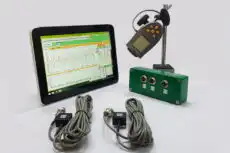
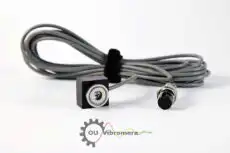
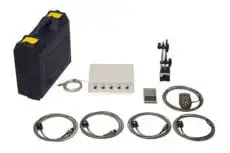
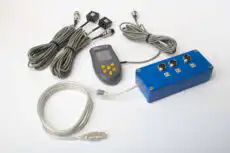
Katika hali ya utekelezaji wa kawaida, jibu la vitendo kwa kawaida ni usakinishaji uliofanywa kwa nidhamu. Kifaa cha uwanja cha njia mbili kama vile Balancet-1A kinategemea kila accelerometer kusoma usawa wake mwenyewe kwa usafi; sensorer iliyosakinishwa kwa stud mraba kwenye pedi iliyochongwa inatoa ishara ya 1× ya kweli ya mwelekeo upana na awamu, wakati sumaku iliyowekwa juu ya nyumba ya silinda iliyopakwa rangi inaalika msisimko wa kuvuka mhimili na mounting resonance kuchanganya kipimo.

