Kuelewa Utambuzi katika Uchafu wa Mitetemo


Diagnosis in vibration analysis ni mchakato wa kutambua aina maalum ya hitilafu inayosababisha uchafu usiotarajiwa vibration, kuamua sehemu ipi iliyo na hitilafu, na kuelewa sababu ya asili. Inakwenda zaidi ya ugunduzi wa hitilafu — kujua kuwa tatizo lipo — ili kujibu maswali matatu mazuri: hitilafu ipi maalum, sehemu ipi, na kwa nini ilitokea? Utambuzi sahihi ni muhimu kwa sababu hitilafu tofauti zinahitaji dawa tofauti: unbalance calls for kusawazisha, matatizo ya bearing zinahitaji kubadilisha bearing, na misalignment zinahitaji urekebishaji wa ulinganifu.
Utambuzi ni kiini cha uchanganuzi na tafsiri wa nidhamu. Inabadilisha data ya kupima kuwa maagizo maalum, yenye hatua inayofaa, kwa njia ya tathmini ya utaratibu wa mstari wa frequency, muundo wa amplitude, phase mahusiano, na uuguzi na muundo wa mashine na hali ya uendeshaji. Ni kama sababu ya akilini iliyodisiplin kama unavyojuwa ishara.
1. Mchakato wa Utambuzi
Utambuzi mzuri unafuata mtiririko wa kazi wa hatua tano unaozingatiwa badala ya mwoneko mmoja wa ajabu. Kila hatua hupunguza mgogoro wa hitilafu inayowezekana hadi maelezo moja yatasama kwa wazi zaidi kuliko nyingine.
Hatua 1: Mkusanyo wa Data
Kusanya picha kamili kabla ya kutafsiri kitu chochote: kiwango cha jumla cha mitetemo; FFT spectra katika kila kasi na kuongeza kasi; time waveforms; spectra ya envelopu kwa uchafu wa bearing; na phase measurements. Muhimu sana, chukua usomaji kwa mwelekeo mwingi (usawa, wima, axial) na mahali mengi, kwa sababu kielelezo cha kosa mara nyingi kinategemea mahali na mhimili ambao unapima.
Hatua ya 2: Kutambua Mifumo
Tambua vipengele vya taajweza ya kuu na viunganishe na hifadhidata ya taajweza ya kosa. Mifumo michache inafunika visa vingi: 1× running speed inaonyesha kutokuwa na usawa au eccentricity; 2× inaonyesha suka-suka ya mtazamo au kilema; taajweza za kosa la kuzaa BPFO, BPFI, BSF na FTF zinaonyesha kasoro za elementi zenye kupumulika; na nishati katika taajweza ya mesh ya gia inasaini matatizo ya gia.
Hatua ya 3: Uthibitisho
Thibitisha kwamba kielelezo cha kosa kamili — je kielelezo kinatarajiwa harmonics and sidebands hakika kuwepo? Angalia thabiti katika sehemu za kupima, linganisha na kielelezo kinachojulikana cha kosa, na kuunganisha na vigezo vingine kama vile joto na utendaji. Kosa halisi linasema hadithi thabiti kutoka kwa pembe kadhaa kwa wakati mmoja.
Hatua ya 4: Uchambuzi wa Mizizi ya Kosa
Maswali kwa nini kosa lilitengeneza mwanzo. Chunguza hali za uendeshaji, historia ya matengenezo, na muundo; linganisha sababu zinazochochea; na tambua hatua za kuzuia zilizosimama kurudisha kutokea. Kubadilisha kuzaa linalofa bila kupata tatizo la kumafuta au suka-suka ya mtazamo ambalo liliharibu lazima kurudi saa kwa kosa linajifunza.
Hatua ya 5: Taswira
Tafsiri utambuzi kuwa vitendo vya kurekebishwa mahususi na ratiba inayohusiana na kiwango na kasi ya maendeleo, na jumuisha marekebishaji ya mizizi ya kosa yanayohitajika kupinga kosa kwa kurudi.
2. Mifumo ya Kawaida ya Utambuzi
Kasoro nyingi za mashine zinapatikana kielelezo kinachojulikana. Nne zinazofuata zinacheza sehemu kubwa ya utambuzi wa kawaida.
Unbalance
Signature: vibration ya 1× kuu, kuu kwa mwelekeo wa radiali. Confirmation: awamu thabiti na jibu wazi kwa usawa. Cause: kupoteza nyenzo au kuongezwa kwa nyenzo, au kuchelezo cha utengenezaji. Action: kusawazisha rotor. Usahihisho unaohitajika unaweza kupangiliwa kwa kikokotoo cha uzito wa majaribio kabla ya kazi ya mtihani wa kwanza.
Misalignment
Signature: high 2× (with 1×) and a strong axial component. Confirmation: mahusiano ya awamu ya sifa katika coupling na jibu kwa usawazisho wa mahali. Cause: kosa la uongezaji, ukuaji wa joto, au kushuka kwa msingi. Action: usawazisho wa usahihi.
Kasoro za Kumbimbi
Signature: masafa ya kasoro ya kumbimbi yenye harmoniki na sidebands. Confirmation: uchambuzi wa envelope na ulinganifu wa masafa yaliyohesabiwa. Cause: kuchoka, kushindwa kwa ubrolization, au uchafuzi. Action: badilisha kumbimbi na karibia uzani wa mzizi.
Kupungua kwa Mitambo
Signature: multiple harmonics (1×, 2×, 3× and beyond), often erratic. Confirmation: awamu isiyo imara na jibu lisilo na mstari. Cause: boliti zilizokosa, mongezo yenye kuvaa, au mipasuko. Action: kuimarisha, kurekebisha, au kubadilisha vipengele vinavyoathiriwa. Angalia kupungua kwa mitambo kwa saini kamili.
3. Ujumbe wa Utambuzi
Utambuzi wa amanzi unajumuisha kauli ya jinsi uahimilivu wa hitimisho ni — hii inabongeza kama ilifanya kwa haraka au kuchunguza zaidi.
- Ujumbe wa juu: dalili ya kaida ya hitilafu iko, viashiria vingi vinalofanya kazi, na kesi inalingana na muundo unajulikana. Kitendo cha kusahihisha mahsusi kinaweza kupendekezwa moja kwa moja.
- Ujumbe wa kati: viashiria vingi vinaelekeza kwa hitilafu moja lakini utata fulani bado upo. Inaweza kuwa sawa kupendekeza ukaguzi ili kuthibitisha kabla ya kujitolea kwa ukarabati mkubwa.
- Ujumbe wa chini: mitetemo ni safi isiyofaa lakini sababu haijulikani na hitilafu kadhaa zinaweza kuwa. Pendekeza jaribio zaidla na orodhesha uwezekano wa changamano badala ya kulazimisha hukum moja.
4. Zana na Msaada
Rasilimali kadhaa zina kasi na kubainisha mchakato wa kugundua:
- Hifadhidata za marudio ya hitilafu: hifadhidata za nguzo na marudio yaliyohesabiwa na orodha za marudio mahsusi kwa vifaa hutoa marejeo ya haraka kwa muafakati wa muundo.
- Chati na meza za kugundua: chati za aina ya hitilafu jamii na dalili, miti ya uamuzi, na mwongozo wa marejeo huandaa mantiki.
- Mifumo ya wataalamu: programu inayobinja sheria za kugundua inaweza kutekeleza kitambulisho cha hitilafu kiotomatiki na alama ya ujumbe. Inahusu mchambuzi lakini haisiti mahali pa ujinga wa wanadamu.
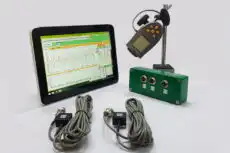
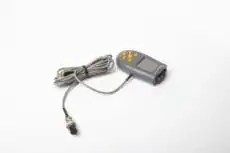
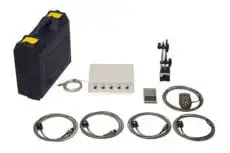
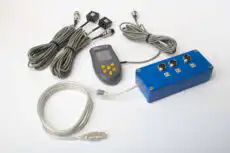
Katika eneo hizi msaada inahusishwa na chombo kinachobebeka. Chumba cha njia mbili kama Balancet-1A kunakamata wigo, mbu ya wakati na awamu ambayo chaguo la diagnosis linategemea, na — wakati hukum ni kutohusunika — kinasahihisha juu ya mahali kupitia kutohusunika kwa uso mmoja au nyuso mbili katika nguzo za chombo.
5. Ujinga wa Kugundua na Maendeleo
Kugundua hutegemea ujinga ambao huchukua wakati kujenga: muundo wa chombo na uendeshaji, nadharia ya mitetemo, mekanizmi na dalili za hitilafu za kawaida, na mbinu sahihi ya kupima. Hizi zinakuzwa kupitia mafunzo rasmi na cheti — hasa ISO 18436-2 — pamoja na uzoefu wa vitendo, mafunzo kutoka kwa wachambuzi wa makale, maoni kutoka kwa uthibitisho wa ukarabati, na kujifunza kwa kuendelea. Kitanzi cha maoni kina umuhimu sana: kila ukarabati unakuthibitishwa kinabainisha maktaba ya muundo wa mchambuzi kwa kesi inayofuata.
Kwa muhtasari, kugundua ni sanaa na sayansi ya tafsiri ya uchambuzi wa mitetemo ambayo inatambua hitilafu mahsusi kutoka kwa dalili za mitetemo. Kwa kuchanganya njia za utaratibu, kutambua muundo, ujinga wa vifaa, na mantiki ya kugundua, kugundua kwa ufanisi kugeuka condition-monitoring data kuwa kupanduliwa kwa matengano yanayolenga na kurekebisha kwangu ya chanzo.

