Kuelewa Torsional Vibration katika Mashine Zinazozunguka
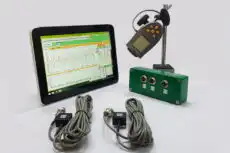


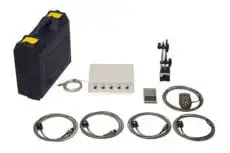


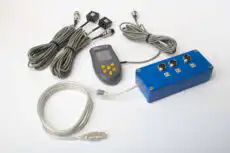
Vibration ya torque ni mtetemo wa pembe wa mhimili unaozunguka kuhusu mhimili wake mwenyewe — mwendo wa kupinda na kulegea ambapo sehemu tofauti za mhimili huzunguka kwa muda mfupi kwa kasi tofauti kidogo. Tofauti na vibration ya baadhi (mwendo wa pembeni) au mitetemo ya upande (mwendo wa mbele na nyuma kando ya mhimili), torsional vibration haihusishi uhamisho wowote wa mstari; mhimili tu huongeza na kupunguza kasi kuhusu mzunguko wa wastani, ukipitia kuongezeka kwa pembe kubadilika badilika kwa mzunguko chanya na hasi. Ingawa vipimo vyake kwa kawaida ni vidogo zaidi kuliko vya mtetemo wa upande na ni vigumu sana kugundua, inaweza kujenga msongo mkubwa wa kubadilika badilika katika mihimili, vishikizo, na meno ya gia — na ni moja ya njia chache za kushindwa ambazo zinaweza kuharibu mfumo wa uendeshaji bila onyo lolote.
1. Utaratibu wa Kimwili
Jinsi Torsional Vibration Inavyotokea
Utaratibu ni rahisi zaidi kufikiria kama mfumo wa chemchemi-uzito uliofungwa kuzunguka mhimili wa mzunguko:
- Fikiria mhimili mrefu unaounganisha motor na mzigo unaoendesha.
- Mhimili hufanya kazi kama chemchemi ya torsional, ukihifadhi na kutoa nishati unapopinda.
- Torque inayobadilika inapousumbua, mhimili hutetemeka, huku sehemu zikizunguka kwa kasi zaidi na polepole kuliko kasi ya wastani.
- Mitetemeko hii huongezeka kwa kasi sana ikiwa mara kwa mara ya msukumo inaendana na mara kwa mara asili ya torsional — torsional resonance.
Frequensi za Asili za Torsional
Kila mfumo wa mhimili una marudio asilia ya torsional yaliyowekwa na:
- Ugumu wa torsional wa mhimili: utendaji wa kipenyo cha mhimili, urefu, na moduli ya kuvunjika kwa nyenzo (shear modulus).’
- Inertia ya mfumo: mara za inertia za vipande vinavyozunguka vilivyounganishwa — rotor ya motor, vishikizo, meno ya gia, na mzigo.
- Njia nyingi: mifumo ya uendeshaji yenye utata ina masafa kadhaa ya asili ya mtetemo wa kujikunja, si moja tu.
- Athari za uongezaji: viungo vya kubadilika huongeza unyumbufu wa kujikunja, hivyo kupunguza masafa ya asili.
Kwa sababu masafa haya yanategemea tu ugumu na ajali — si vifaa vya kusaidia mzunguko au msingi — mashine inayokuwa kimya kimaumbile kwa upande wa radiali bado inaweza kuwa katika hali ya hatari ya mwangwi wa mtetemo wa kujikunja.
2. Sababu Kuu za Mtetemo wa Kujikunja
1. Torque Inayobadilika kutoka kwa Injini za Pisitoni
Chanzo cha kawaida zaidi katika matumizi mengi:
- Injini za dizeli na petroli: kila tukio la mwako hutoa msukumo wa torque badala ya msukumo laini.
- Firing order: huunda mawimbi ya kasi ya injini.
- Idadi ya silinda: silinda chache huzalisha mabadiliko makubwa ya torque kwa kila mzunguko.
- Hatari ya mwangwi: kasi ya uendeshaji inaweza kulingana na mwangwi wa critical speed.
2. Nguvu za Mzunguko wa Meno ya Gia
Mifumo ya gia huzalisha msisimko wa kujikunja kwa kawaida kabisa:
- The taajweza ya mesh ya gia (idadi ya meno × RPM) huzalisha torque inayobadilika.
- Makosa ya nafasi za meno na usahihi wa umbo la meno huongeza athari hiyo.
- Gear backlash inaweza kusababisha mzigo wa mgongano meno yanapotengana na kuungana tena.
- Hatua nyingi za gia huunda mifumo ya kujikunja yenye utata na njia nyingi.
3. Matatizo ya Injini za Umeme
Injini za umeme zinaweza kuzalisha msongo wa ugeuzaji (torsional) zenyewe:
- Mzunguko wa kupita kwa nguzo (pole-passing frequency): mwingiliano kati ya rotor na stator unazalisha kani ya msukumo inayopiga-piga.
- Baa za rotor zilizovunjika: huzalisha mapigo ya kani ya ugeuzaji katika slip frequency.
- Viendesha kasi tofauti (VFD): Ubadilishaji wa PWM unaweza kuchochea mipangilio ya torsional moja kwa moja.
- Msongo wa kuanzisha (starting transients): kuanzisha injini kunazalisha mitetemo mikubwa ya kani ya ugeuzaji rotor inapoongeza kasi.
4. Mabadiliko ya Mzigo wa Mchakato
Mzigo unaobadilika kwenye vifaa vinavyoendeshwa unarudisha mapigo ya kani ya ugeuzaji kwenye mnyororo wa uendeshaji:
- Compressor surge events.
- Pump cavitation na kusababisha msongo mkali wa kani ya ugeuzaji.
- Mizigo ya mzunguko katika visagaji, mashine za kusaga, na mashine za kushinikiza.
- Blade-passing nguvu katika mashabiki na turbine.
5. Matatizo ya Viungio na Mnyororo wa Uendeshaji
- Viungio vilivyochakaa au vilivyoharibika vyenye mwanya au backlash — angalia kasoro za shinikizo.
- Viungio vya ulimwengu wote (universal joints) vinavyofanya kazi kwa pembe, ambavyo huzalisha msisimko wa torsional mara mbili (2×).
- Kuteleza na kung'aka kwa uendeshaji wa mkanda.
- Mwendo wa pembetatu wa uendeshaji kwa mnyororo (chain-drive polygon action).
3. Changamoto za Kugundua na Kupima
Kwa Nini Mtetemo wa Torsional ni Mgumu Kugundua
Tofauti na mtetemo wa pembeni, mtetemo wa mgawanyiko unajificha mbali na vifaa vya kawaida vya uchunguzi:
- Hakuna mwendo wa radiali: ordinary accelerometers kwenye makao ya beari haiwezi kuhisi mwendo wa mgawanyiko peke yake.
- Amplitudi ndogo za pembe: amplitudi za kawaida ni sehemu ndogo za shahada moja.
- Vifaa maalum vinahitajika: vitambuzi maalum vya mtetemo wa mgawanyiko au uchambuzi wa hali ya juu vinahitajika.
- Mara nyingi hupuuzwa: mara chache huwa sehemu ya programu ya kawaida ya vibration-monitoring ufuatiliaji, hivyo dalili ya kwanza mara nyingi huwa hitilafu.
Mbinu za Kupima
1. Vipima Mkazo (Strain Gauges)
- Huwekwa kwa pembe ya 45° kwa mhimili wa shimoni ili kupima mkazo wa kuchongomeza.
- Require a telemetry mfumo wa kupitisha ishara kutoka kwenye shimoni inayozunguka.
- Hutoa kipimo cha moja kwa moja cha msongo wa mtetemo wa mgawanyiko.
- Mbinu sahihi zaidi, lakini ngumu na ghali.
2. Vitambuzi Viwili vya Mtetemo wa Mgawanyiko
- Vitambuzi viwili vya macho au sumaku hupima kasi katika maeneo tofauti ya shimoni.
- Tofauti ya awamu kati ya ishara mbili hufunua mtetemo wa mgawanyiko.
- Kipimo bila mguso.
- Inaweza kufungwa kwa muda au kudumu.
3. Vipimo vya Torsional vya Laser (Laser Torsional Vibrometers)
- Kipimo cha macho cha mabadiliko ya kasi ya angular ya shimoni.
- Bila mawasiliano, bila kuhitaji maandalizi ya shimoni.
- Ghali, lakini yenye nguvu kwa utatuzi wa matatizo.
4. Viashiria Visivyo vya Moja kwa Moja
- Uchambuzi wa saini ya mkondo wa motor (MCSA) unaweza kufichua matatizo ya torsional kutoka upande wa umeme.
- Mifumo ya uchakavu wa meno ya gia na viungo.
- Shaft fatigue-maeneo na mwelekeo wa nyufa.
- Mifumo isiyo ya kawaida ya mtetemo wa pembeni ambayo inaweza kuunganishwa na hali za torsional.
4. Matokeo na Mifumo ya Uharibifu
Kushindwa kwa Uchovu
Hatari kuu ya mtetemo wa torsional ni uchovu wa mzunguko mrefu:
- Kushindwa kwa shimoni: nyufa za uchovu kawaida huendelea kwa pembe ya 45° kwa mhimili wa shimoni, kando ya nyuso za msongo wa juu zaidi wa kango.
- Kushindwa kwa kiungo: uchovu wa meno ya kiungo cha gia na vipande vinavyonyumbuka.
- Kuvunjika kwa meno ya gia: kuharakishwa na mtetemo wa torsional, ukichangia gear defects.
- Uhalifu wa susi na njia ya susi: msuguano na uchakavu kutokana na mzigo unaobadilika mara kwa mara.
Sifa za Kushindwa kwa Mzunguko wa Torque
- Mara nyingi ni ya ghafla na ya maangamizi, bila onyo lolote la mapema.
- Nyuso za kuvunjika kwa pembe ya takriban 45° kwa mhimili wa shimoni.
- Alama za mawimbi kwenye uso wa kuvunjika zinaonyesha maendeleo ya ufa wa uchovu.
- Inaweza kutokea hata wakati viwango vya mtetemo wa nyuma vinakubalika kabisa — hii ndiyo sababu matatizo ya torsional mara nyingi hupuuzwa.
Matatizo ya Utendaji
- Matatizo ya udhibiti wa kasi katika viendeshi vya usahihi.
- Uchakao mkubwa katika masanduku ya gia na viunganishi.
- Kelele kutoka kwa mgongano wa gia na athari za viunganishi.
- Ufanisi mdogo wa uhamishaji wa nguvu.
5. Uchanganuzi na Uundaji wa Mfano
Uchanganuzi wa Torsional Wakati wa Usanifu
Usanifu imara unahitaji uchambuzi wa mzunguko wa torque:
- Hesabu ya masafa asilia: tambua kila kasi muhimu ya torsional.
- Uchanganuzi wa mwitikio wa kulazimishwa: tabiri amplitudi za torsional katika hali za uendeshaji.
- Mchoro wa Campbell: a Campbell diagram unaopanga masafa asilia ya torsional dhidi ya kasi ya uendeshaji ili kubaini maelewano.
- Uchanganuzi wa msongo: kuhesabu mkazo wa kukatizana unaobadilika katika vipande muhimu.
- Utabiri wa muda wa uchovu: kukisia muda wa maisha ya kipande chini ya mzigo wa msokoto — kikokotozi cha maisha ya uchovu hubadilisha mkazo unaobadilika na mkondo wa S-N kuwa idadi inayotarajiwa ya mizunguko.
Software Tools
Programu maalum hufanya uchambuzi mzito zaidi:
- Mifano ya wingi-misa iliyounganishwa yenye inertia nyingi.
- Uchambuzi wa msokoto kwa kutumia vipengele vya kikomo (finite element).
- Uigaji wa uwanja wa muda wa matukio ya muda mfupi kama vile kuanza kwa motor na mzunguko mfupi.
- Uchambuzi wa sauti wa maelewano katika uwanja wa mzunguko.
6. Mbinu za Kupunguza na Kudhibiti
Suluhisho la Uundo
- Pengo la kujitenga: weka mzunguko wa asili wa msokoto mbali angalau ±20% kutoka kwa mzunguko wa msisimko.
- Damping: jumuisha vidhibiti vya msokoto (aina za mnato au msuguano) ili kutoa nishati — uso wa vitendo wa kimitambo damping.
- Viungo vya kubadilika: ongeza utiifu wa msokoto ili kupeleka mzunguko wa asili chini ya safu ya msisimko.
- Mass tuning: ongeza vifaa vya flywheel au badilisha inertia ili kuhamisha mzunguko wa asili.
- Mabadiliko ya ugumu: badilisha vipimo vya shimoni au ugumu wa kiungo.
Suluhisho za Uendeshaji
- Vikwazo vya kasi: epuka uendeshaji unaoendelea kwa kasi muhimu ya msokoto.
- Kuongeza kasi haraka: pita haraka kasi muhimu wakati wa kuanza.
- Usimamizi wa mzigo: epuka hali za uendeshaji zinazochochea njia za msokoto.
- VFD tuning: rekebisha vigezo vya mfumo wa kuendesha ili kupunguza msisimko wa torsional.
Uchaguzi wa Vipande
- Viungo vya kupoza mzunguko (high-damping couplings): viungo vya elastomeric au hydraulic vinavyofyonza nishati ya torsional.
- Vidhibiti vya mtetemo wa torsional (torsional dampers): vifaa vilivyoundwa mahususi kwa mifumo ya injini zinazopiga-piga (reciprocating).
- Gear quality: gia za usahihi wenye uvumilivu mdogo hupunguza msisimko chanzo chake.
- Nyenzo ya shimu (shaft): nyenzo zenye nguvu ya juu dhidi ya uchovu kwa shimu (shafts) zenye hali ngumu za torsional.
7. Matumizi ya Tasnia na Viwango
Matumizi Muhimu
Uchambuzi wa torsional ni muhimu sana kwa:
- Uendeshaji wa motoenzi wa pamoja: jenereta za dizeli na kompresa za injini za gesi.
- Shafti za mageuzo mrefu: msukumo wa meli na mashine za kusongesha chuma (rolling mills).
- Sanduku la gia la nguvu ya juu: turbine za upepo na mifumo ya gia ya kiviwanda.
- Mifumo ya kasi inayobadilika (variable-speed drives): matumizi ya motor za VFD na mifumo ya servo.
- Mifumo ya miili mingi (multi-body systems): mifumo ya uendeshaji changamano yenye mashine kadhaa zilizounganishwa.
Viwango Husika
- API 684: mienendo ya rotori, ikiwa ni pamoja na taratibu za uchambuzi wa mtetemo wa mzunguko.
- API 617: mahitaji ya mtetemo wa mzunguko kwa compressors za centrifugal.
- API 672: uchambuzi wa mtetemo wa mzunguko kwa compressors za reciprocating za vifurushi.
- ISO 22266: mtetemo wa mzunguko wa mashine zinazozunguka.
- VDI 2039: torsional vibration of drivelines — calculation, measurement, reduction.
8. Uhusiano na Aina Nyingine za Mtetemo
Ingawa ni tofauti na mtetemo wa upande na mtetemo wa mhimili, mtetemo wa mzunguko hauzuiliwi daima katika mwelekeo wake — unaweza kuunganika na hali nyingine:
- Uunganiko wa upande na mzunguko: katika miundo fulani, hali za mtetemo wa mzunguko na mtetemo wa upande huingiliana na kubadilishana nishati.
- Gear mesh: mtetemo wa mzunguko hubadilisha mzigo wa meno ya gia, ambao kwa upande wake huchochea mtetemo wa upande.
- Viungo vya ulimwengu wote (universal joints): angular misalignment huunganisha mtetemo wa mzunguko unaoingia na kutoa mtetemo wa upande.
- Changamoto ya utambuzi: saini ya mtetemo ngumu inaweza kubeba michango kutoka kwa aina kadhaa za mtetemo wakati mmoja, ndiyo maana hitilafu inayopinga usawazishaji au uoanisho wakati mwingine hujitokeza kuwa na asili ya mtetemo wa mzunguko.
Kwa kazi ya kawaida ya uwanjani, somo la vitendo ni kwamba matatizo ya mtetemo wa mzunguko hujificha nyuma ya masomo ya radial safi. Wakati kichanganuzi cha portable kama vile Balancet-1A kinathibitisha kwamba 1X unbalance and misalignment iko ndani ya mipaka ya uvumilivu lakini mfumo wa uendeshaji bado unakabiliwa na kushindwa mara kwa mara kwa shimoni, muunganiko, au gia, uchunguzi wa mtetemo wa mzunguko ndio hatua inayofaa inayofuata. Kuelewa na kusimamia mtetemo wa mzunguko ni muhimu kwa uendeshaji wa kuaminika wa mifumo ya usambazaji wa nguvu: unapewa umakini mdogo kuliko mtetemo wa upande katika ufuatiliaji wa kawaida, lakini una umuhimu mkubwa wakati wa usanifu na utatuzi wa mifumo ya nguvu ya juu au usahihi, ambapo kushindwa kwa mtetemo wa mzunguko kunaweza kuwa na athari mbaya.

