Kuelewa Mtetemo wa Upande katika Mashine Zinazozunguka





Mtetemo wa upande — pia huitwa mtetemo wa radiali au wa msalaba — ni mwendo wa shimbi linalozunguka unaokwenda perpendicular (pembekuzi) kwa mhimili wake wa kuzunguka. Kwa lugha rahisi, ni mwendo wa kushoto-kulia na juu-chini wa shimbi wakati wa kuzunguka. Ni aina ya kawaida zaidi ya vibration katika mashine zinazozunguka na kwa kawaida husababishwa na nguvu za radiali kama vile unbalance, misalignment, shimbi lililopinda, au matatizo ya bearing. Kuelewa hili ni msingi wa rotor dynamics, kwa sababu ni njia ya msingi ya mtetemo kwa vifaa vingi na ndio kipaumbele cha ufuatiliaji wa mtetemo na kusawazisha work.
1. Mwelekeo na Upimaji
Mtetemo wa upande hupimwa katika uso unaokwenda perpendicular kwa mhimili wa shimbi. Mwelekeo mbili za pembekuzi zinauelezea kikamilifu:
- Horizontal: mwendo wa kushoto-kulia sambamba na ardhi.
- Vertical: mwendo wa juu-chini perpendicular kwa ardhi.
- Radial: mwelekeo wowote unaopendana na mhimili wa shimoni — kwa vitendo, mchanganyiko wa vektori wa vipengele vya usawa na wima.
Mgawanyiko wa usawa na wima si wa kinadharia tu: ugumu wa msaada huwa tofauti katika pande hizo mbili, kwa hivyo mashine mara nyingi hutetereka zaidi katika mwelekeo mmoja kuliko mwingine, na tofauti hiyo yenyewe ni dalili ya uchunzuaji. Vipimo kwa kawaida huchukuliwa katika:
- Nyumba za beari: using an accelerometer or a mpangaji wa kasi kwenye kifuniko cha beari au msingi wake.
- Shaft surface: kwa kutumia heshima proximity probe inayopima mwendo wa shimoni moja kwa moja kwa kuhusiana na beari.
- Mwelekeo mwingi: usomaji katika mwelekeo wa usawa na wima hutoa picha kamili ya mwendo wa pembeni.
2. Sababu Kuu za Mtetemo wa Pembeni
Mtetemo wa pembeni hutokana na vyanzo vingi, na thamani ya uchambuzi ni kwamba kila chanzo huacha alama yake ya kipekee katika masafa, awamu na mzunguko.
Kutokusawazishwa vizuri (sababu ya kawaida zaidi)
Unbalance ndiyo sababu ya kawaida zaidi. Usambazaji usio na ulinganifu wa uzito huunda nguvu ya mzunguko wa katikati inayozalisha:
- Mtetemo kwa 1× — mara moja kwa zunguko katika running speed.
- Awamu inayotulia kiasi phase relationship.
- Ukubwa unaopanda kwa mraba wa kasi.
- Mzunguko mwembamba wa duara au umbo la duara bapa shaft orbit.
Misalignment
Hitilafu ya nafasi ya shaft kati ya mashine zilizounganishwa huzalisha nguvu za pembeni zinazoonyesha:
- Kipengele kikuu cha 2× (mara mbili kwa zunguko).
- Uchochezi wa masafa ya 1× na harmoniki za juu pia.
- Mara nyingi kipengele kikubwa cha mhimili pia — sifa muhimu ya kutofautisha.
- Mahusiano ya awamu yanayotofautiana na yale ya kutofautiana kwa usawa.
Mhimili uliopinda au ulioinama
Mhimili uliopinda au kuinama kwa kudumu huleta upenyo wa kijiometri unaosababisha:
- Mtetemo wa 1× unaoweza kufanana sana na kutofautiana kwa usawa.
- Mtetemo mkubwa hata kwa kasi ya polepole ya mzunguko.
- Hali ambayo usawazishaji peke yake hauwezi kurekebisha kweli — tatizo la msingi la shaft bow linahitaji kushughulikiwa.
Kasoro za bearing
Bering ya vipande vinavyoviringika kasoro huzalisha alama tofauti ya upande:
- Vipande vya masafa ya juu katika masafa ya hitilafu ya bering.
- Urekebishaji kwa masafa ya chini, ukiunda sidebands.
- Alama ambayo mara nyingi inahitaji uchambuzi wa envelope ili kutoa kutoka kwa kelele za pana za bendi.
Uleggevu wa mitambo
Bering zilizolegea, misingi au bolti za kushikilia huunda mwitikio usio wa mstari unaotarajiwa wa kupungua kwa mitambo:
- A train of harmonics (1×, 2×, 3×, …).
- Mwitikio usio wa mstari kwa nguvu inayoathiri.
- Usomaji usio wa kawaida au usio imara.
Mgongano wa rota na sehemu ya kusimama
Mgusano kati ya sehemu zinazozunguka na zinazosimama — hali ya rotor rub — generates:
- Vipande vya chini ya usawazishaji.
- Mabadiliko ya ghafla ya ukubwa wa mtetemo na awamu.
- Inawezekana kutokea kupinda kwa mhimili kwa sababu ya joto ambapo msuguano unawasha upande mmoja.
3. Mtetemo wa Upande dhidi ya Aina Nyingine za Mtetemo
Mashine zinazozunguka zinaweza kutetemeka katika mwelekeo mitatu mkuu, na kuzitofautisha ni hatua ya kwanza katika utambuzi wowote.
| Type | Direction | Typical causes | Measurement |
|---|---|---|---|
| Upande (radial) | Perpendicular kwa mhimili wa shimoni | Kukosekana usawa, kutofautiana kwa mstari, shimoni lililopinda, kasoro za beari | Vibao vya kuharakisha (accelerometers) au vipengele vya kasi kwenye nyumba; uchunguzi wa ukaribu kwenye shimoni |
| Axial | Sambamba na mhimili wa shimoni | Kutofautiana kwa mstari, matatizo ya beari ya msukumo, matatizo ya mtiririko wa mchakato | Vibao vya kuharakisha vilivyowekwa kwa mwelekeo wa mhimili |
| Torsional | Kupinda kuzunguka mhimili wa shimoni | Matatizo ya mzunguko wa gia, matatizo ya umeme wa motor, matatizo ya kiungo | Vipengele maalum vya mtetemo wa torque au vipimo vya mkazo |
Mtetemo wa upande kawaida ni kipengele chenye amplitudo kubwa zaidi na kinachosomwa kwa urahisi zaidi na vibao vya kawaida vya kuharakisha. Mtetemo wa mhimili ni mdogo kwa kawaida lakini una umuhimu wa kiutambuzi kwa kutofautiana kwa mstari na hitilafu za msukumo, huku mtetemo wa torque kawaida ni mdogo lakini unaweza kusababisha kushindwa kwa uchovu na haionekani kwa vipengele vya kawaida vya radial.
4. Modi za Mtetemo wa Upande na Kasi Muhimu
In rotor dynamics, modi za mtetemo wa upande zinaelezea maumbo ya kipekee ya kupinda ambayo shimoni huchukua, na kila moja inahusishwa na critical speed ambapo kasi ya uendeshaji inafanana na mzunguko wa asili.
- Modi ya kwanza ya upande: umbo rahisi la kupinda — upinde mmoja au bao — katika mzunguko wa chini kabisa wa asili. Inachochewa kwa urahisi zaidi na kukosekana usawa, na kasi ya kwanza muhimu inahusiana nazo.
- Modi ya pili ya upande: kupinda kwa umbo la S na nodi moja nodal point, kwa mzunguko wa asili wa juu zaidi; hii ni kasi ya pili ya muhimu na ina umuhimu hasa kwa rotors zinazo punguza.
- Miundo ya juu ya upande: maumbo tata zaidi yenye nodi nyingi, yanayohusiana tu na rotors zinazozunguka kwa kasi sana au zinazonyumbulika sana, na wakati mwingine huchochewa na nguvu za kupita kwa mzabibu au nguvu nyingine za marudio ya juu.
Kujua mahali ambapo kasi hizi muhimu zinaangukia kuhusu kasi ya uendeshaji ni msingi wa muundo salama; a Kikokotoo cha Kasi ya Kritiki ya Rotor hutoa makadirio ya kwanza ya mzunguko wa asili wa shimoni kutoka kwa jiometri yake na msaada wake.
5. Upimaji, Ufuatiliaji na Viwango
Mtetemo wa upande huonyeshwa na vigezo kadhaa vinavyofanya kazi pamoja:
- Amplitude: the magnitude of motion, in displacement (µm, mils), velocity (mm/s, in/s) or acceleration (g, m/s²).
- Frequency: kawaida mara 1× kasi ya uendeshaji kwa mtetemo unaodhibitiwa na kutokuwa na usawa, lakini ukienea hadi harmonics na vipengele vingine kwa hitilafu nyingine.
- Phase: muda wa kilele cha uhamishaji kuhusiana na alama ya kumbukumbu kwenye shimoni.
- Orbit: njia halisi inayofuatwa na kitovu cha shimoni, ikionekana kutoka upande wa mwisho.
Viwango vya kimataifa vinaweka mipaka inayokubalika. The ISO 20816 series — mbadala wa kisasa wa ISO 10816 — inafafanua mipaka ya mtetemo kwa aina mbalimbali za mashine kulingana na kasi ya RMS, wakati kanuni za sekta kama vile API 610, 617 na API 684 zinashughulikia pampu, kompresa na mienendo ya rotors hasa. Mifumo hii inafafanua maeneo ya ukali — yanayokubalika, tahadhari na kengele — iliyopimwa kulingana na aina na ukubwa wa vifaa; kwa hali ya kawaida ya mashine za viwanda vya kati unaweza kulinganisha usomaji dhidi ya maeneo kwa kutumia zana ya mipaka ya mtetemo ya ISO 20816-3.
6. Udhibiti na Kupunguza
Kusawazisha ni tiba kuu ya mtetemo wa upande unaosababishwa na kutokuwa na usawa. Mbinu inategemea rotor: usawazishaji wa uso mmoja kwa rotors za aina ya diski, uongezaji wa nyuso mbili kwa rotors nyingi za viwandani, na kusawazisha kwa muundo kwa rotors za kubadilika zinazozunguka zaidi ya kasi ya muhimu.
Alignment hupunguza nguvu za upande kutokana na utofauti wa mstari. Usahihi mifumo ya uendeshaji wa mwamba wa laser hueweka maeneo ya mifumo ipasavyo, upanuzi wa joto unazingatiwa katika malengo ya usawa wa mstari, na soft foot husahihishwa kabla ya usawa wa mstari kuanza.
Damping hudhibiti amplitudo, hasa karibu na kasi za muhimu: beari za mafuta ya kioevu hutoa upunguzaji mkubwa damping, a kiazezi cha filamu iliyosindikwa huongeza zaidi pale inahitajika, na matibabu ya muundo wa msaada husaidia pia.
Urekebishaji wa ugumu huhamisha kasi za muhimu nje ya masafa ya uendeshaji: kuongeza kipenyo cha mhimili huzipandisha, kupunguza bearing span hupandisha kasi ya kwanza ya muhimu, na kuimarisha msingi hubadilisha mwitikio wa mfumo mzima — ukumbusho kwamba uimara wa misingi ni sehemu ya mfumo wa rotor-beari, si nje yake.
7. Umuhimu wa Uchunguzi na Utendaji wa Uwanjani
Uchambuzi wa mtetemo wa upande ni msingi wa utambuzi wa mashine. Kufuatilia mwenendo wake kwa muda huonyesha matatizo yanayokua; marudio yake na muundo wake hutambua hitilafu maalum; amplitudo yake dhidi ya kiwango inaonyesha ukali; kupungua kwake kunathibitisha usawa uliofanikiwa; na kiwango chake huamsha hatua za matengenezo kulingana na hali.
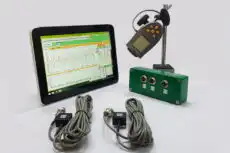
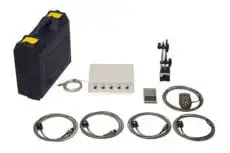
Uwanjani, haya yote yanafanywa kwenye mashine inayoendesha. Wahandisi huweka sensori kwenye makao ya beari na kutumia chombo cha kubebeka chenye njia mbili kama vile Balancet-1A ili kunasa mtetemo wa upande pande zote mbili, kusoma amplitudo na awamu ya 1×, na kuona wigo ambao hutenganisha kukosekana kwa usawa kutoka kwa utofauti wa mstari, kulegea au hitilafu za beari. Kwa sababu chombo hicho kimoja hupima amplitudo na awamu na kukokotoa mgawo wa ushawishi, mhandisi anaweza kuendelea moja kwa moja kutoka uchunguzi hadi usahihishaji — kusawazisha rotor kwenye beari zake mwenyewe kwa kasi ya uendeshaji kisha kupima tena mtetemo wa upande kuthibitisha marekebisho, bila haja ya mashine ya kusawazisha au kutenganisha.
Usimamizi mzuri wa mtetemo wa upande ni, mwishowe, unaohakikisha mashine zinazozunguka zinaendesha kwa uaminifu kwa muda mrefu, ndiyo maana unakaa katikati ya programu za ufuatiliaji wa mtetemo, mikakati ya matengenezo ya kutabiria na muundo wa mwelekeo wa rotor.

