Kuelewa Mzunguko wa Kupita kwa Msumari



Mzunguko wa kupita kwa msumari (VPF — inaitwa pia mzunguko wa mzunguko wa mabawa ya impela au kwa urahisi mzunguko wa kupita kwa mabawa) ni mzunguko ambao kwa wakati wake mabawa ya impela inayozunguka hupita karibu na sehemu ya kumbukumbu isiyozunguka kama vile mkondo wa kutoka kwa pampu (ulimi), mabawa ya difusa, au sehemu nyingine ya mwili wa pampu. Huhesabika kama idadi ya mabawa ya impela ikiwa imezidishwa na mzunguko wa mzunguko wa shimoni: VPF = Nv × RPM / 60. VPF ni sawa moja kwa moja ya pampu na frequency ya kupita kwa blade inayoonekana katika mashabiki, nayo ni chanzo kikuu cha msukosuko wa maji vibration katika pampu za centrifugal, kwa kawaida ikionekana kati ya 100 na 500 Hz kwa mashine za viwandani. Kufuatilia ukubwa wa VPF na harmonics kutoa taarifa muhimu za utambuzi kuhusu hali ya impela, utendaji wa maji, na nafasi za ndani.
1. Mahesabu na Maadili ya Kawaida
Formula
VPF = Nv × N / 60 where Nv = number of impeller vanes, N = shaft speed in RPM, and the result is in Hz.
Kwa sababu VPF daima ni mzidisho wa nambari nzima wa running speed (1×), iko imara kati ya vipengele vya usawa (synchronous) vya wigo — ni mzunguko wa kweli wa kiwango cha mabawa harmonic wa kasi ya shimoni, si mzunguko huru.
Mifano iliyotumika
- Small pump: 5 vanes at 3500 RPM → VPF = 5 × 3500 / 60 = 292 Hz.
- Pampu kubwa ya mchakato: 7 vanes at 1750 RPM → VPF = 7 × 1750 / 60 = 204 Hz.
- Pampu yenye kasi ya juu: 6 vanes at 4200 RPM → VPF = 6 × 4200 / 60 = 420 Hz.
Idadi ya kawaida ya mabawa
- Pampu za centrifugal: Mabawa 3–12, huku 5–7 yakiwa ya kawaida zaidi.
- Small pumps: mabawa machache (3–5).
- Large pumps: mabawa zaidi (7–12).
- Pampu zenye kichwa cha maji kikubwa: mabawa zaidi ili kuhamisha nishati kwa ufanisi.
Kujua idadi halisi ya mabawa ni muhimu, kwa sababu ndiyo inayotofautisha VPF na mzunguko wa bahati mbaya wa shimoni; ikiwa mchoro wa impela haupatikani, idadi ya mabawa mara nyingi inaweza kuthibitishwa kwa kuhesabu mpangilio wa harmonic ambao kilele kikuu cha maji huonekana. Hiyo Kikokotaji cha Blade Pass Frequency inashughulikia hesabu kwa pampu na mashabiki, na hiyo Kihesabu cha Mzunguko wa Harmoniki husaidia kuweka VPF na mizidisho yake kwenye mhimili wa mzunguko.
2. Utendaji wa Kimwili
Mapigo ya shinikizo
VPF hutokana na mabadiliko ya shinikizo la majimaji badala ya nguvu za mitambo. Mfululizo ni huu:
- Kila msumeno wa impela husukuma maji kuelekea nje kwa kasi ya juu.
- Msumeno unapopita kwenye mkato wa volute, hutoa pigo kali la shinikizo.
- Tofauti ya shinikizo katika msumeno hubadilika haraka wakati huo.
- Hii hutoa pigo la nguvu kwenye impela na kwenye mwili wa pampu.
- With Nv vanes, Nv mapigo kama hayo hutokea kila mzunguko.
- Mzunguko wa mapigo unaotokana na hili ni sawa na kiwango cha kupita kwa msumeno — VPF.
Hii inafanya VPF kuwa moja ya sababu za kawaida za nguvu za hydraulic zinazoathiri pampu, tofauti na msisimko wa kitambo tu kama vile unbalance au kasoro za beringi.
Katika hatua ya muundo (BEP)
- Pembe ya mtiririko unaoingia inafanana na pembe ya msumeno.
- Mtiririko ni laini, na msukosuko mdogo.
- Ukubwa wa VPF ni wastani na imara.
- Usambazaji wa shinikizo kuzunguka mwili wa pampu uko karibu na hali bora.
Mbali na hatua ya muundo
- Pembe ya mtiririko haifanani tena na pembe ya msumeno.
- Msukosuko na kutengana kwa mtiririko huongezeka.
- Mapigo ya shinikizo yanakuwa makali zaidi.
- Amplitude ya VPF inaongezeka, mara nyingi ikifuatana na vipengele vya ziada vya mzunguko.
3. Kutafsiri Tagnosis
Amplitude ya kawaida ya VPF
- Pampu inafanya kazi katika au karibu na hatua yake bora ya ufanisi (BEP).
- Amplitude ya VPF imara katika vipimo vya mfululizo.
- Kwa kawaida asilimia 10–30 ya amplitude ya mtetemo wa 1×.
- Wigo safi wenye maudhui ya chini ya harmoniki.
Kinachokueleza mwinuko wa VPF
Kufanya kazi nje ya BEP. Uendeshaji wa mtiririko wa chini (chini ya ~70% ya BEP) huinua VPF, vivyo hivyo uendeshaji wa mtiririko wa juu (zaidi ya ~120% ya BEP); bendi bora ni takriban 80–110% ya BEP. Uendeshaji endelevu wa mtiririko wa chini pia unahusishwa na mzunguko wa ndani.
Matatizo ya pengo kati ya impela na makochi. Pete za mwavuli zilizochakaa, au impela iliyohamishwa na bearing wear, huongeza pengo la uendeshaji; amplitude ya VPF inapanda kadri pengo linavyoongezeka, ikifuatana na kupotea kwa utendaji kupitia uvujaji wa ndani.
Uharibifu wa impela. Mapanga yaliyovunjika au kupasuka huleta kutokuwa na usawa, na kutoa VPF yenye sidebands at ±1× running speed; erosion, build-up on the vanes, or foreign-object damage act similarly. These are typical of broader kasoro za impela.
Resonansi ya majimaji. Iwapo VPF itapatana na sauti ya akustika resonance ndani ya mabomba au makochi, amplitude inakuzwa kwa kiasi kikubwa, wakati mwingine ikisababisha mtetemo mkali wa miundo na kelele inayohitaji marekebisho ya mfumo.
4. Harmoniki na Subharmoniki za VPF
2×VPF na zaidi
Harmoniki nyingi za kiwango cha kupita kwa mabawa ni ishara ya onyo:
- 2×VPF present: inaashiria usawa usio sawa wa mabawa au msongo wa katikati ya gurudumu.
- Harmoniki nyingi: zinaashiria msukosuko mkali wa majimaji au uharibifu wa mabawa.
- Amplitudo nyingi kupita kiasi: huongeza hatari ya fatigue hitilafu za mabawa na kifuniko cha pampu.
Subharmonics
- Vipengele vya sehemu kama VPF/2 au VPF/3.
- Vinaashiria kutokuwa thabiti kwa mtiririko, ikiwa ni pamoja na kuzunguka kwa msongo na seli za kutengana.
- Kawaida zaidi kwa viwango vya chini sana vya mtiririko, na inafanana na subharmonic phenomena.
5. Ufuatiliaji na Mwenendo
Kuweka msingi wa kumbukumbu
- Rekodi VPF wakati pampu ni mpya au imefanyiwa matengenezo upya.
- Idhibiti kwa hatua ya uendeshaji iliyopangwa.
- Weka uwiano wa kawaida wa amplitudo ya VPF-hadi-1×.
- Weka mipaka ya kengele, kawaida mara 2–3 ya amplitudo ya msingi ya VPF.
Vigezo vya mwenendo
- VPF amplitude: vifuatiliwe kwa wakati; ongezeko thabiti linaashiria tatizo linaloendelea.
- VPF/1× ratio: inapaswa kubaki thabiti kiasi.
- Maudhui ya harmoniki: the appearance or growth of 2×VPF and 3×VPF.
- Ukuaji wa bendi za pembeni: emergence of ±1× sidebands around VPF.
Kuoanisha na hali za uendeshaji
- Piga chati VPF dhidi ya kiwango cha mtiririko.
- Tambua eneo la uendeshaji lenye VPF ya chini zaidi.
- Gundua wakati nukta ya kazi imehamia.
- Linganisha tabia ya VPF na upotevu wa utendaji uliopimwa.
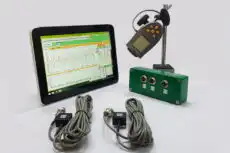
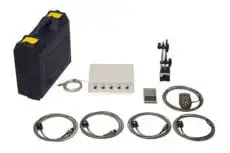
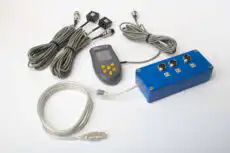
This kind of trend analysis inategemea wigo thabiti, unaoweza kurudiwa. Kichanganuzi cha njia mbili kinachobebeka kama vile Balancet-1A captures the Wigo wa FFT huku VPF ikionekana wazi katika eneo la majimaji la 100–500 Hz, ili mtaalamu aweze kuthibitisha kilele cha mzunguko wa msumari, kufuatilia ukubwa wake na mipande yake kutoka ziara hadi ziara, na kuthibitisha au kuondoa sababu za kimakanika unbalance kabla ya kufungua pampu.
6. Vitendo vya Kurekebisha
Uboreshaji wa hatua ya uendeshaji
- Rekebisha mtiririko ili kuleta pampu karibu zaidi na BEP.
- Punguza mtiririko wa kutoa au badilisha upinzani wa mfumo.
- Thibitisha kwamba hali za kuingiza maji ni sahihi.
Urekebishaji wa kimakanika
- Badilisha pete za kuvaa zilizochakaa ili kurejesha nafasi za muundo.
- Badilisha msukosuko uliochakaa au kuharibika.
- Rekebisha matatizo ya beari yanayoruhusu msukosuko kusogea.
- Thibitisha nafasi sahihi ya msukosuko, ya mhimili na ya radiali.
Maboresho ya majimaji
- Boresha mabombo ya kuingiza ili kupunguza kuzunguka kwa awali na msukosuko.
- Weka visawazisha vya mtiririko pale inapofaa.
- Thibitisha kwamba kingo ya kutosha ya NPSH ipo ili kuepuka cavitation.
- Ondoa kuingia kwa hewa.
7. Uhusiano na Masafa Mengine
VPF versus BPF
- Maneno haya mara nyingi hutumika kwa kubadilishana kwa pampu na mashabiki.
- VPF: neno linalopendelewa kwa pampu (vane zinazosogeza kioevu).
- BPF: neno linalopendelewa kwa mashabiki (mabledi yanayosogeza hewa).
- Mahesabu na mbinu ya utambuzi wa hitilafu ni sawa kabisa.
VPF dhidi ya kasi ya uendeshaji
- VPF = Nv × (masafa ya kasi ya uendeshaji).
- VPF daima ni masafa ya juu zaidi kuliko 1×.
- Kwa mfano, kwa impela yenye vane 7, VPF inakaa hasa sawa na mara 7 ya kasi ya uendeshaji.
Masafa ya kupita kwa vane ni kipengele cha msingi cha mtetemo wa kihidroliki wa kila pampu ya centrifugal. Kuimudu hesabu yake, kutambua amplitudo ya kawaida dhidi ya ile iliyoongezeka, na kuhusisha mifumo yake na hali za uendeshaji pamoja na hali ya pampu kunabadilisha kilele kimoja cha wigo kuwa zana yenye nguvu ya utambuzi wa hitilafu — inayoongoza maamuzi bora kuhusu uboreshaji wa hatua ya kazi, urejeshaji wa pengo, na ubadilishaji wa impela. Ni msingi wa pana zaidi wa utambuzi wa hitilafu za pampu.

