ਵੇਨ ਪਾਸਿੰਗ ਫ੍ਰੀਕੁਐਂਸੀ ਨੂੰ ਸਮਝਣਾ

ਵੇਨ ਪਾਸਿੰਗ ਫ੍ਰੀਕੁਐਂਸੀ (VPF — ਜਿਸਨੂੰ ਇੰਪੈਲਰ ਵੇਨ ਫ੍ਰੀਕੁਐਂਸੀ ਜਾਂ ਸਿਰਫ਼ ਵੇਨ ਪਾਸ ਵੀ ਕਿਹਾ ਜਾਂਦਾ ਹੈ) ਉਹ ਬਾਰੰਬਾਰਤਾ ਹੈ ਜਿਸ 'ਤੇ ਘੁੰਮਦੇ ਪੰਪ ਇੰਪੈਲਰ ਦੇ ਵੇਨ ਇੱਕ ਸਥਿਰ ਸੰਦਰਭ ਬਿੰਦੂ, ਜਿਵੇਂ ਕਿ ਵੋਲਿਊਟ ਕਟਵਾਟਰ (ਟੰਗ), ਡਿਫਿਊਜ਼ਰ ਵੇਨ, ਜਾਂ ਕਿਸੇ ਹੋਰ ਕੇਸਿੰਗ ਫੀਚਰ ਦੇ ਕੋਲੋਂ ਲੰਘਦੇ ਹਨ। ਇਸਦੀ ਗਣਨਾ ਇੰਪੈਲਰ ਵੇਨਾਂ ਦੀ ਗਿਣਤੀ ਨੂੰ ਸ਼ਾਫਟ ਦੀ ਘੂਰਨਸ਼ੀਲ ਬਾਰੰਬਾਰਤਾ ਨਾਲ ਗੁਣਾ ਕਰਕੇ ਕੀਤੀ ਜਾਂਦੀ ਹੈ: VPF = Nv × RPM / 60. VPF ਪੱਖਿਆਂ ਵਿੱਚ ਦੇਖੀ ਜਾਣ ਵਾਲੀ ਬਲੇਡ ਪਾਸਿੰਗ ਫ੍ਰੀਕੁਐਂਸੀ ਦਾ ਸਿੱਧਾ ਪੰਪ-ਸਮਾਨ ਹੈ, ਅਤੇ ਇਹ ਪ੍ਰਮੁੱਖ ਹਾਈਡ੍ਰੌਲਿਕ ਵਾਈਬ੍ਰੇਸ਼ਨ ਸਰੋਤ ਹੈ ਸੈਂਟਰੀਫਿਊਗਲ ਪੰਪਾਂ ਵਿੱਚ, ਜੋ ਆਮ ਤੌਰ 'ਤੇ ਉਦਯੋਗਿਕ ਮਸ਼ੀਨਾਂ ਲਈ 100 ਤੋਂ 500 Hz ਦੇ ਵਿਚਕਾਰ ਦਿਖਾਈ ਦਿੰਦਾ ਹੈ। VPF ਦੇ ਐਂਪਲੀਟਿਊਡ ਅਤੇ ਇਸ ਦੇ ਹਾਰਮੋਨਿਕਸ ਦੀ ਟਰੈਕਿੰਗ ਇੰਪੈਲਰ ਦੀ ਹਾਲਤ, ਹਾਈਡ੍ਰੌਲਿਕ ਪ੍ਰਦਰਸ਼ਨ ਅਤੇ ਅੰਦਰੂਨੀ ਕਲੀਅਰੈਂਸਾਂ ਬਾਰੇ ਮਹੱਤਵਪੂਰਨ ਡਾਇਗਨੌਸਟਿਕ ਜਾਣਕਾਰੀ ਦਿੰਦੀ ਹੈ।
1. ਗਣਨਾ ਅਤੇ ਖਾਸ ਮੁੱਲ
ਫਾਰਮੂਲਾ
VPF = Nv × N / 60 ਜਿੱਥੇ Nv = ਇੰਪੈਲਰ ਵੇਨਾਂ ਦੀ ਗਿਣਤੀ, N = RPM ਵਿੱਚ ਸ਼ਾਫਟ ਦੀ ਸਪੀਡ, ਅਤੇ ਨਤੀਜਾ Hz ਵਿੱਚ ਹੁੰਦਾ ਹੈ।
ਕਿਉਂਕਿ VPF ਹਮੇਸ਼ਾ ਚੱਲਣ ਦੀ ਗਤੀ (1×) ਦਾ ਪੂਰਨ-ਅੰਕ ਗੁਣਜ ਹੁੰਦਾ ਹੈ, ਇਹ ਸਪੈਕਟ੍ਰਮ ਦੇ ਸਿੰਕ੍ਰੋਨਸ ਹਿੱਸਿਆਂ ਵਿੱਚ ਪੱਕੇ ਤੌਰ 'ਤੇ ਬੈਠਦਾ ਹੈ — ਇਹ ਸ਼ਾਫਟ ਸਪੀਡ ਦਾ ਇੱਕ ਸੱਚਾ ਬਲੇਡ-ਰੇਟ ਹਾਰਮੋਨਿਕ ਹੈ, ਨਾ ਕਿ ਕੋਈ ਸੁਤੰਤਰ ਬਾਰੰਬਾਰਤਾ।
ਹੱਲ ਕੀਤੀਆਂ ਉਦਾਹਰਨਾਂ
- ਛੋਟਾ ਪੰਪ: 3500 RPM 'ਤੇ 5 ਵੇਨ → VPF = 5 × 3500 / 60 = 292 Hz.
- ਵੱਡਾ ਪ੍ਰੋਸੈਸ ਪੰਪ: 1750 RPM 'ਤੇ 7 ਵੇਨ → VPF = 7 × 1750 / 60 = 204 Hz.
- ਹਾਈ-ਸਪੀਡ ਪੰਪ: 4200 RPM 'ਤੇ 6 ਵੇਨ → VPF = 6 × 4200 / 60 = 420 Hz.
ਆਮ ਵੇਨ ਗਿਣਤੀ
- ਸੈਂਟ੍ਰੀਫਿਊਗਲ ਪੰਪ: 3–12 ਵੇਨ, ਜਿਸ ਵਿੱਚ 5–7 ਸਭ ਤੋਂ ਆਮ ਹਨ।
- ਛੋਟੇ ਪੰਪ: ਘੱਟ ਵੇਨ (3–5)।
- ਵੱਡੇ ਪੰਪ: ਵੱਧ ਵੇਨ (7–12)।
- ਉੱਚ-ਹੈੱਡ ਪੰਪ: ਊਰਜਾ ਨੂੰ ਪ੍ਰਭਾਵਸ਼ਾਲੀ ਢੰਗ ਨਾਲ ਟ੍ਰਾਂਸਫਰ ਕਰਨ ਲਈ ਵੱਧ ਵੇਨ।
ਸਹੀ ਵੇਨ ਗਿਣਤੀ ਜਾਣਨਾ ਜ਼ਰੂਰੀ ਹੈ, ਕਿਉਂਕਿ ਇਹੀ VPF ਨੂੰ ਇੱਕ ਇਤਫਾਕੀਆ ਸ਼ਾਫਟ ਹਾਰਮੋਨਿਕ ਤੋਂ ਵੱਖਰਾ ਕਰਦਾ ਹੈ; ਜੇਕਰ ਇੰਪੈਲਰ ਦਾ ਡਰਾਇੰਗ ਉਪਲਬਧ ਨਾ ਹੋਵੇ, ਤਾਂ ਵੇਨ ਦੀ ਗਿਣਤੀ ਦੀ ਪੁਸ਼ਟੀ ਅਕਸਰ ਉਸ ਹਾਰਮੋਨਿਕ ਕ੍ਰਮ ਦੀ ਗਿਣਤੀ ਕਰਕੇ ਕੀਤੀ ਜਾ ਸਕਦੀ ਹੈ ਜਿਸ 'ਤੇ ਪ੍ਰਮੁੱਖ ਹਾਈਡ੍ਰੌਲਿਕ ਪੀਕ ਸਥਿਤ ਹੁੰਦਾ ਹੈ। ਬਲੇਡ ਪਾਸ ਬਾਰੰਬਾਰਤਾ ਕੈਲਕੁਲੇਟਰ ਪੰਪਾਂ ਅਤੇ ਪੱਖਿਆਂ ਦੋਵਾਂ ਲਈ ਗਣਿਤ ਨੂੰ ਸੰਭਾਲਦਾ ਹੈ, ਅਤੇ ਹਾਰਮੋਨਿਕ ਫ੍ਰੀਕੁਐਂਸੀ ਕੈਲਕੁਲੇਟਰ VPF ਅਤੇ ਇਸਦੇ ਗੁਣਜਾਂ ਨੂੰ ਬਾਰੰਬਾਰਤਾ ਧੁਰੇ 'ਤੇ ਸਥਾਪਿਤ ਕਰਨ ਵਿੱਚ ਮਦਦ ਕਰਦਾ ਹੈ।
2. ਭੌਤਿਕ ਵਿਧੀ
ਦਬਾਅ ਦੀਆਂ ਧੜਕਣਾਂ
VPF ਮਕੈਨੀਕਲ ਬਲ ਦੀ ਬਜਾਏ ਹਾਈਡ੍ਰੌਲਿਕ ਦਬਾਅ ਦੀ ਤਬਦੀਲੀ ਤੋਂ ਪੈਦਾ ਹੁੰਦਾ ਹੈ। ਕ੍ਰਮ ਇਸ ਤਰ੍ਹਾਂ ਹੈ:
- ਹਰੇਕ ਇੰਪੈਲਰ ਵੇਨ ਤਰਲ ਨੂੰ ਉੱਚ ਵੇਗ ਨਾਲ ਬਾਹਰ ਵੱਲ ਲੈ ਜਾਂਦਾ ਹੈ।
- ਜਦੋਂ ਇੱਕ ਵੇਨ ਵੋਲਿਊਟ ਕਟਵਾਟਰ ਦੇ ਕੋਲੋਂ ਲੰਘਦਾ ਹੈ, ਤਾਂ ਇਹ ਇੱਕ ਤਿੱਖੀ ਦਬਾਅ ਧੜਕਣ ਪੈਦਾ ਕਰਦਾ ਹੈ।
- ਵੇਨ ਦੇ ਪਾਰ ਦਬਾਅ ਦਾ ਅੰਤਰ ਉਸ ਪਲ ਤੇਜ਼ੀ ਨਾਲ ਬਦਲਦਾ ਹੈ।
- ਇਹ ਇੰਪੈਲਰ ਅਤੇ ਕੇਸਿੰਗ ਦੋਵਾਂ 'ਤੇ ਇੱਕ ਬਲ ਧੜਕਣ ਪੈਦਾ ਕਰਦਾ ਹੈ।
- Nv ਵੇਨਾਂ ਦੇ ਨਾਲ, Nv ਅਜਿਹੀਆਂ ਧੜਕਣਾਂ ਹਰ ਘੂਰਨ ਵਿੱਚ ਹੁੰਦੀਆਂ ਹਨ।
- ਨਤੀਜੇ ਵਜੋਂ ਧੜਕਣ ਦੀ ਬਾਰੰਬਾਰਤਾ ਵੇਨ-ਪਾਸ ਰੇਟ — ਭਾਵ VPF — ਦੇ ਬਰਾਬਰ ਹੁੰਦੀ ਹੈ।
ਇਹ VPF ਨੂੰ ਕਲਾਸਿਕ ਹਾਈਡ੍ਰੋਲਿਕ ਬਲ ਵਿੱਚੋਂ ਇੱਕ ਬਣਾਉਂਦਾ ਹੈ ਜੋ ਪੰਪ 'ਤੇ ਕੰਮ ਕਰਦਾ ਹੈ, ਜੋ ਸ਼ੁੱਧ ਮਕੈਨੀਕਲ ਉਤੇਜਨਾਵਾਂ ਜਿਵੇਂ ਕਿ ਅਸੰਤੁਲਨ ਜਾਂ ਬੇਅਰਿੰਗ ਨੁਕਸਾਂ ਤੋਂ ਵੱਖਰਾ ਹੈ।
ਡਿਜ਼ਾਈਨ ਪੁਆਇੰਟ (BEP) 'ਤੇ
- ਆਉਣ ਵਾਲੇ ਪ੍ਰਵਾਹ ਦਾ ਕੋਣ ਵੇਨ ਦੇ ਕੋਣ ਨਾਲ ਮੇਲ ਖਾਂਦਾ ਹੈ।
- ਪ੍ਰਵਾਹ ਸੁਚਾਰੂ ਹੈ, ਘੱਟੋ-ਘੱਟ ਟਰਬੂਲੈਂਸ ਦੇ ਨਾਲ।
- VPF ਦਾ ਐਂਪਲੀਟਿਊਡ ਮੱਧਮ ਅਤੇ ਸਥਿਰ ਹੁੰਦਾ ਹੈ।
- ਕੇਸਿੰਗ ਦੇ ਆਲੇ-ਦੁਆਲੇ ਦਬਾਅ (ਪ੍ਰੈਸ਼ਰ) ਵੰਡ ਲਗਭਗ ਅਨੁਕੂਲ ਹੁੰਦੀ ਹੈ।
ਡਿਜ਼ਾਈਨ ਪੁਆਇੰਟ ਤੋਂ ਦੂਰ
- ਵਹਾਅ ਕੋਣ ਹੁਣ ਵੇਨ ਦੇ ਕੋਣ ਨਾਲ ਮੇਲ ਨਹੀਂ ਖਾਂਦਾ।
- ਟਰਬੂਲੈਂਸ ਅਤੇ ਫਲੋ ਸੈਪਰੇਸ਼ਨ ਵਧਦੇ ਹਨ।
- ਪ੍ਰੈਸ਼ਰ ਪਲਸੇਸ਼ਨ ਹੋਰ ਮਜ਼ਬੂਤ ਹੁੰਦੇ ਹਨ।
- VPF ਐਂਪਲੀਟਿਊਡ ਵਧਦਾ ਹੈ, ਅਕਸਰ ਵਾਧੂ ਫ੍ਰੀਕੁਐਂਸੀ ਕੰਪੋਨੈਂਟਸ ਦੇ ਨਾਲ।
3. ਡਾਇਗਨੌਸਟਿਕ ਵਿਆਖਿਆ
ਸਧਾਰਨ VPF ਐਂਪਲੀਟਿਊਡ
- ਪੰਪ ਆਪਣੇ ਸਭ ਤੋਂ ਵਧੀਆ ਕੁਸ਼ਲਤਾ ਪੁਆਇੰਟ (BEP) 'ਤੇ ਜਾਂ ਨੇੜੇ ਚੱਲ ਰਿਹਾ ਹੈ।
- VPF ਐਂਪਲੀਟਿਊਡ ਲਗਾਤਾਰ ਮਾਪਾਂ ਦੌਰਾਨ ਸਥਿਰ ਰਹਿੰਦਾ ਹੈ।
- ਆਮ ਤੌਰ 'ਤੇ 1× ਵਾਈਬ੍ਰੇਸ਼ਨ ਐਂਪਲੀਟਿਊਡ ਦਾ 10–30%।
- ਘੱਟੋ-ਘੱਟ ਹਾਰਮੋਨਿਕ ਸਮੱਗਰੀ ਵਾਲਾ ਇੱਕ ਸਾਫ਼ ਸਪੈਕਟ੍ਰਮ।
ਵਧਿਆ ਹੋਇਆ VPF ਤੁਹਾਨੂੰ ਕੀ ਦੱਸਦਾ ਹੈ
BEP ਤੋਂ ਹਟ ਕੇ ਚਲਾਉਣਾ। ਘੱਟ-ਵਹਾਅ ਸੰਚਾਲਨ (BEP ਦੇ ~70% ਤੋਂ ਘੱਟ) VPF ਨੂੰ ਵਧਾਉਂਦਾ ਹੈ, ਜਿਵੇਂ ਕਿ ਉੱਚ-ਵਹਾਅ ਸੰਚਾਲਨ (BEP ਦੇ ~120% ਤੋਂ ਉੱਪਰ) ਵੀ ਕਰਦਾ ਹੈ; ਅਨੁਕੂਲ ਬੈਂਡ ਲਗਭਗ BEP ਦਾ 80–110% ਹੈ। ਲਗਾਤਾਰ ਘੱਟ-ਵਹਾਅ ਚਲਾਉਣਾ ਵੀ ਇਸ ਨਾਲ ਜੁੜਿਆ ਹੋਇਆ ਹੈ ਅੰਦਰੂਨੀ ਪੁਨਰ-ਚਲਣ (ਰੀਸਰਕੁਲੇਸ਼ਨ).
ਇੰਪੈਲਰ-ਤੋਂ-ਕੇਸਿੰਗ ਕਲੀਅਰੈਂਸ ਸਮੱਸਿਆਵਾਂ। ਘਸੇ ਹੋਏ ਵੀਅਰ ਰਿੰਗ, ਜਾਂ ਇੱਕ ਇੰਪੈਲਰ ਜੋ ਇਸ ਦੁਆਰਾ ਖਿਸਕਿਆ ਹੋਇਆ ਹੈ ਬੀਅਰਿੰਗ ਘਿਸਾਵਟ, ਚੱਲਦੀ ਕਲੀਅਰੈਂਸ ਨੂੰ ਵਧਾਉਂਦੇ ਹਨ; ਜਿਵੇਂ-ਜਿਵੇਂ ਕਲੀਅਰੈਂਸ ਖੁੱਲ੍ਹਦੀ ਹੈ VPF ਐਂਪਲੀਟਿਊਡ ਵਧਦਾ ਹੈ, ਅੰਦਰੂਨੀ ਲੀਕੇਜ ਰਾਹੀਂ ਪ੍ਰਦਰਸ਼ਨ ਦੇ ਨੁਕਸਾਨ ਦੇ ਨਾਲ।
ਇੰਪੈਲਰ ਨੁਕਸਾਨ। ਟੁੱਟੀਆਂ ਜਾਂ ਤਿੜਕੀਆਂ ਵੇਨਾਂ ਅਸਮਾਨਤਾ ਪੈਦਾ ਕਰਦੀਆਂ ਹਨ, ਜਿਸ ਨਾਲ VPF ਪੈਦਾ ਹੁੰਦਾ ਹੈ ਸਾਈਡਬੈਂਡਸ ±1× ਚੱਲਣ ਦੀ ਗਤੀ 'ਤੇ; ਖੋਰ, ਵੇਨਾਂ 'ਤੇ ਜਮ੍ਹਾਂ ਹੋਣਾ, ਜਾਂ ਬਾਹਰੀ-ਵਸਤੂ ਨੁਕਸਾਨ ਵੀ ਇਸੇ ਤਰ੍ਹਾਂ ਕੰਮ ਕਰਦੇ ਹਨ। ਇਹ ਵਿਆਪਕ ਦੇ ਖਾਸ ਹਨ ਇੰਪੈਲਰ ਦੇ ਨੁਕਸ.
ਹਾਈਡ੍ਰੌਲਿਕ ਰੈਜ਼ੋਨੈਂਸ। ਜੇ VPF ਇਤਫਾਕਨ ਇੱਕ ਧੁਨੀ ਨਾਲ ਮੇਲ ਖਾਂਦਾ ਹੈ ਰੈਜ਼ੋਨੈਂਸ (ਅਨੁਨਾਦ) ਪਾਈਪਿੰਗ ਜਾਂ ਕੇਸਿੰਗ ਵਿੱਚ, ਐਂਪਲੀਟਿਊਡ ਬਹੁਤ ਜ਼ਿਆਦਾ ਵਧ ਜਾਂਦਾ ਹੈ, ਕਈ ਵਾਰ ਗੰਭੀਰ ਸੰਰਚਨਾਤਮਕ ਵਾਈਬ੍ਰੇਸ਼ਨ ਅਤੇ ਸ਼ੋਰ ਪੈਦਾ ਕਰਦਾ ਹੈ ਜਿਸ ਲਈ ਸਿਸਟਮ ਸੋਧਾਂ ਦੀ ਲੋੜ ਹੁੰਦੀ ਹੈ।
4. VPF ਹਾਰਮੋਨਿਕਸ ਅਤੇ ਸਬ-ਹਾਰਮੋਨਿਕਸ
2×VPF ਅਤੇ ਵੱਧ
ਵੇਨ-ਪਾਸ ਦਰ ਦੇ ਕਈ ਹਾਰਮੋਨਿਕਸ ਇੱਕ ਚੇਤਾਵਨੀ ਸੰਕੇਤ ਹਨ:
- 2×VPF ਮੌਜੂਦ: ਗੈਰ-ਇਕਸਾਰ ਵੇਨ ਸਪੇਸਿੰਗ ਜਾਂ ਇੰਪੈਲਰ ਸਨਕੀਪਣ (ਐਕਸੈਂਟ੍ਰਿਸਿਟੀ) ਵੱਲ ਇਸ਼ਾਰਾ ਕਰਦਾ ਹੈ।
- ਕਈ ਹਾਰਮੋਨਿਕਸ: ਗੰਭੀਰ ਹਾਈਡ੍ਰੌਲਿਕ ਟਰਬੂਲੈਂਸ ਜਾਂ ਵੇਨ ਨੁਕਸਾਨ ਵੱਲ ਇਸ਼ਾਰਾ ਕਰਦੇ ਹਨ।
- ਬਹੁਤ ਜ਼ਿਆਦਾ ਐਂਪਲੀਟਿਊਡ: ਦਾ ਖ਼ਤਰਾ ਵਧਾਉਂਦਾ ਹੈ ਥਕਾਵਟ (ਫੈਟੀਗ) ਵੇਨਾਂ ਅਤੇ ਕੇਸਿੰਗ ਵਿੱਚ ਅਸਫਲਤਾਵਾਂ।
ਸਬਹਾਰਮੋਨਿਕਸ
- VPF/2 ਜਾਂ VPF/3 ਵਰਗੇ ਭਿੰਨਾਤਮਕ ਕੰਪੋਨੈਂਟਸ।
- ਵਹਾਅ ਅਸਥਿਰਤਾਵਾਂ ਨੂੰ ਦਰਸਾਉਂਦੇ ਹਨ, ਜਿਸ ਵਿੱਚ ਰੋਟੇਟਿੰਗ ਸਟਾਲ ਅਤੇ ਸੈਪਰੇਸ਼ਨ ਸੈੱਲ ਸ਼ਾਮਲ ਹਨ।
- ਬਹੁਤ ਘੱਟ ਵਹਾਅ ਦਰਾਂ 'ਤੇ ਸਭ ਤੋਂ ਆਮ, ਅਤੇ ਹੋਰਾਂ ਵਰਗਾ ਸਬ-ਹਾਰਮੋਨਿਕ ਵਰਤਾਰਿਆਂ ਵਿੱਚ ਸ਼ਾਮਲ ਕਰਦੀ ਹੈ।
5. ਨਿਗਰਾਨੀ ਅਤੇ ਰੁਝਾਨ (ਟ੍ਰੈਂਡਿੰਗ)
ਬੇਸਲਾਈਨ ਸਥਾਪਿਤ ਕਰਨਾ
- ਜਦੋਂ ਪੰਪ ਨਵਾਂ ਹੋਵੇ ਜਾਂ ਹਾਲ ਹੀ ਵਿੱਚ ਓਵਰਹਾਲ ਕੀਤਾ ਗਿਆ ਹੋਵੇ ਤਾਂ VPF ਰਿਕਾਰਡ ਕਰੋ।
- ਇਸ ਨੂੰ ਡਿਜ਼ਾਈਨ ਸੰਚਾਲਨ ਪੁਆਇੰਟ 'ਤੇ ਦਸਤਾਵੇਜ਼ੀਕਰਨ ਕਰੋ।
- ਆਮ VPF-ਤੋਂ-1× ਐਂਪਲੀਟਿਊਡ ਅਨੁਪਾਤ ਸਥਾਪਿਤ ਕਰੋ।
- ਅਲਾਰਮ ਸੀਮਾਵਾਂ ਸੈੱਟ ਕਰੋ, ਆਮ ਤੌਰ 'ਤੇ ਬੇਸਲਾਈਨ VPF ਐਂਪਲੀਟਿਊਡ ਦਾ 2–3×।
ਰੁਝਾਨ ਪੈਰਾਮੀਟਰ
- VPF ਐਂਪਲੀਟਿਊਡ: ਸਮੇਂ ਦੇ ਨਾਲ ਟ੍ਰੈਕ ਕੀਤਾ ਗਿਆ; ਇੱਕ ਲਗਾਤਾਰ ਵਾਧਾ ਇੱਕ ਵਿਕਸਿਤ ਹੋ ਰਹੀ ਸਮੱਸਿਆ ਦਾ ਸੰਕੇਤ ਦਿੰਦਾ ਹੈ।
- VPF/1× ਅਨੁਪਾਤ: ਮੁਕਾਬਲਤਨ ਸਥਿਰ ਰਹਿਣਾ ਚਾਹੀਦਾ ਹੈ।
- ਹਾਰਮੋਨਿਕ ਸਮੱਗਰੀ: 2×VPF ਅਤੇ 3×VPF ਦਾ ਪ੍ਰਗਟ ਹੋਣਾ ਜਾਂ ਵਧਣਾ।
- ਸਾਈਡਬੈਂਡ ਵਿਕਾਸ: VPF ਦੇ ਆਲੇ-ਦੁਆਲੇ ±1× ਸਾਈਡਬੈਂਡਾਂ ਦਾ ਉਭਰਨਾ।
ਓਪਰੇਟਿੰਗ ਹਾਲਾਤਾਂ ਨਾਲ ਸੰਬੰਧ ਜੋੜਨਾ
- VPF ਨੂੰ ਪ੍ਰਵਾਹ ਦਰ ਦੇ ਵਿਰੁੱਧ ਪਲਾਟ ਕਰੋ।
- ਘੱਟੋ-ਘੱਟ VPF ਦੇ ਓਪਰੇਟਿੰਗ ਜ਼ੋਨ ਦੀ ਪਛਾਣ ਕਰੋ।
- ਪਤਾ ਲਗਾਓ ਕਿ ਡਿਊਟੀ ਪੁਆਇੰਟ ਕਦੋਂ ਬਦਲ ਗਿਆ ਹੈ।
- VPF ਦੇ ਵਿਹਾਰ ਨੂੰ ਮਾਪੇ ਗਏ ਪ੍ਰਦਰਸ਼ਨ ਦੇ ਘਟਾਅ ਨਾਲ ਸੰਬੰਧਿਤ ਕਰੋ।
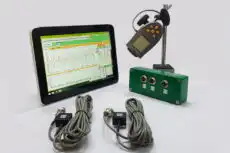
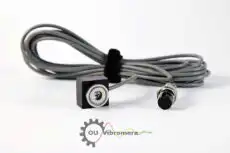
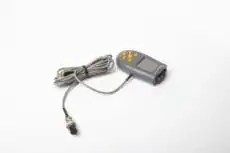
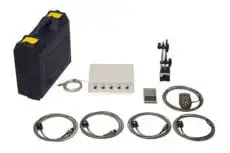
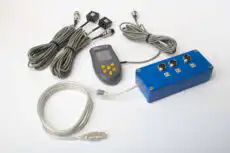
ਇਸ ਤਰ੍ਹਾਂ ਦੀ ਰੁਝਾਨ ਵਿਸ਼ਲੇਸ਼ਣ ਇਕਸਾਰ, ਦੁਹਰਾਈਯੋਗ ਸਪੈਕਟਰਾ 'ਤੇ ਨਿਰਭਰ ਕਰਦੀ ਹੈ। ਇੱਕ ਪੋਰਟੇਬਲ ਦੋ-ਚੈਨਲ ਵਿਸ਼ਲੇਸ਼ਕ ਜਿਵੇਂ ਕਿ Balanset-1A ਦਰਸਾਉਂਦਾ ਹੈ FFT ਸਪੈਕਟ੍ਰਮ ਵਿੱਚ ਜਿਸ ਵਿੱਚ VPF ਨੂੰ 100–500 Hz ਹਾਈਡ੍ਰੌਲਿਕ ਖੇਤਰ ਵਿੱਚ ਸਪਸ਼ਟ ਤੌਰ 'ਤੇ ਹੱਲ ਕੀਤਾ ਗਿਆ ਹੋਵੇ, ਤਾਂ ਜੋ ਇੱਕ ਤਕਨੀਸ਼ੀਅਨ ਵੇਨ-ਪਾਸ ਪੀਕ ਦੀ ਪੁਸ਼ਟੀ ਕਰ ਸਕੇ, ਹਰ ਦੌਰੇ 'ਤੇ ਇਸਦੇ ਐਂਪਲੀਟਿਊਡ ਅਤੇ ਸਾਈਡਬੈਂਡਾਂ ਨੂੰ ਦੇਖ ਸਕੇ, ਅਤੇ ਮਕੈਨੀਕਲ ਅਸੰਤੁਲਨ ਨੂੰ ਪੰਪ ਖੋਲ੍ਹਣ ਤੋਂ ਪਹਿਲਾਂ ਸ਼ਾਮਲ ਜਾਂ ਬਾਹਰ ਕੱਢ ਸਕੇ।
6. ਸੁਧਾਰਾਤਮਕ ਕਾਰਵਾਈਆਂ
ਓਪਰੇਟਿੰਗ-ਪੁਆਇੰਟ ਓਪਟੀਮਾਈਜ਼ੇਸ਼ਨ
- ਪੰਪ ਨੂੰ BEP ਦੇ ਨੇੜੇ ਲਿਆਉਣ ਲਈ ਪ੍ਰਵਾਹ ਨੂੰ ਵਿਵਸਥਿਤ ਕਰੋ।
- ਡਿਸਚਾਰਜ ਨੂੰ ਥ੍ਰੌਟਲ ਕਰੋ ਜਾਂ ਸਿਸਟਮ ਪ੍ਰਤੀਰੋਧ ਬਦਲੋ।
- ਪੁਸ਼ਟੀ ਕਰੋ ਕਿ ਸਕਸ਼ਨ ਹਾਲਾਤ ਢੁਕਵੇਂ ਹਨ।
ਮਕੈਨੀਕਲ ਕਰੈਕਸ਼ਨ
- ਡਿਜ਼ਾਈਨ ਕਲੀਅਰੈਂਸ ਨੂੰ ਬਹਾਲ ਕਰਨ ਲਈ ਘਸੇ ਹੋਏ ਵੀਅਰ ਰਿੰਗਾਂ ਨੂੰ ਬਦਲੋ।
- ਘਸੇ ਹੋਏ ਜਾਂ ਖਰਾਬ ਹੋਏ ਇੰਪੈਲਰ ਨੂੰ ਬਦਲੋ।
- ਬੇਅਰਿੰਗ ਸਮੱਸਿਆਵਾਂ ਨੂੰ ਠੀਕ ਕਰੋ ਜੋ ਇੰਪੈਲਰ ਨੂੰ ਖਿਸਕਣ ਦਿੰਦੀਆਂ ਹਨ।
- ਸਹੀ ਇੰਪੈਲਰ ਸਥਿਤੀ ਦੀ ਪੁਸ਼ਟੀ ਕਰੋ, ਧੁਰੀ ਅਤੇ ਰੇਡੀਅਲ ਦੋਵੇਂ।
ਹਾਈਡ੍ਰੌਲਿਕ ਸੁਧਾਰ
- ਪ੍ਰੀ-ਸਵਰਲ ਅਤੇ ਟਰਬੂਲੈਂਸ ਘਟਾਉਣ ਲਈ ਇਨਲੈਟ ਪਾਈਪਿੰਗ ਵਿੱਚ ਸੁਧਾਰ ਕਰੋ।
- ਜਿੱਥੇ ਢੁਕਵਾਂ ਹੋਵੇ, ਫਲੋ ਸਟ੍ਰੇਟਨਰ ਲਗਾਓ।
- ਬਚਣ ਲਈ ਢੁਕਵੇਂ NPSH ਮਾਰਜਿਨ ਦੀ ਪੁਸ਼ਟੀ ਕਰੋ ਕੈਵੀਟੇਸ਼ਨ.
- ਹਵਾ ਦੇ ਦਾਖਲੇ ਨੂੰ ਖਤਮ ਕਰੋ।
7. ਹੋਰ ਫ੍ਰੀਕੁਐਂਸੀਆਂ ਨਾਲ ਸੰਬੰਧ
VPF ਬਨਾਮ BPF
- ਇਹ ਸ਼ਬਦ ਅਕਸਰ ਪੰਪਾਂ ਅਤੇ ਪੱਖਿਆਂ ਵਿੱਚ ਇੱਕ-ਦੂਜੇ ਦੀ ਥਾਂ ਵਰਤੇ ਜਾਂਦੇ ਹਨ।
- VPF: ਪੰਪਾਂ ਲਈ ਪਸੰਦੀਦਾ ਸ਼ਬਦ (ਵੇਨ ਤਰਲ ਹਿਲਾਉਂਦੇ ਹਨ)।
- BPF: ਪੱਖਿਆਂ ਲਈ ਪਸੰਦੀਦਾ ਸ਼ਬਦ (ਬਲੇਡ ਹਵਾ ਹਿਲਾਉਂਦੇ ਹਨ)।
- ਗਣਨਾ ਅਤੇ ਨਿਦਾਨ ਪਹੁੰਚ ਇੱਕੋ ਜਿਹੀ ਹੈ।
VPF ਬਨਾਮ ਚੱਲਣ ਦੀ ਗਤੀ
- VPF = Nv × (ਚੱਲਣ-ਗਤੀ ਦੀ ਫ੍ਰੀਕੁਐਂਸੀ)।
- VPF ਹਮੇਸ਼ਾ 1× ਤੋਂ ਵੱਧ ਫ੍ਰੀਕੁਐਂਸੀ ਹੁੰਦੀ ਹੈ।
- ਉਦਾਹਰਨ ਲਈ, 7-ਵੇਨ ਇੰਪੈਲਰ ਲਈ, VPF ਬਿਲਕੁਲ 7× ਚੱਲਣ ਦੀ ਗਤੀ 'ਤੇ ਪੈਂਦਾ ਹੈ।
ਵੇਨ ਪਾਸਿੰਗ ਫ੍ਰੀਕੁਐਂਸੀ ਹਰ ਸੈਂਟਰੀਫਿਊਗਲ ਪੰਪ ਦਾ ਬੁਨਿਆਦੀ ਹਾਈਡ੍ਰੌਲਿਕ ਵਾਈਬ੍ਰੇਸ਼ਨ ਹਿੱਸਾ ਹੈ। ਇਸਦੀ ਗਣਨਾ ਵਿੱਚ ਮੁਹਾਰਤ ਹਾਸਲ ਕਰਨਾ, ਆਮ ਬਨਾਮ ਉੱਚੇ ਐਂਪਲੀਟਿਊਡਾਂ ਨੂੰ ਪਛਾਣਨਾ, ਅਤੇ ਇਸਦੇ ਪੈਟਰਨਾਂ ਨੂੰ ਓਪਰੇਟਿੰਗ ਹਾਲਾਤਾਂ ਅਤੇ ਪੰਪ ਦੀ ਸਥਿਤੀ ਦੋਵਾਂ ਨਾਲ ਸੰਬੰਧਿਤ ਕਰਨਾ, ਇੱਕ ਇਕੱਲੇ ਸਪੈਕਟ੍ਰਲ ਪੀਕ ਨੂੰ ਇੱਕ ਸ਼ਕਤੀਸ਼ਾਲੀ ਨਿਦਾਨ ਸੰਦ ਵਿੱਚ ਬਦਲ ਦਿੰਦਾ ਹੈ — ਜੋ ਡਿਊਟੀ-ਪੁਆਇੰਟ ਓਪਟੀਮਾਈਜ਼ੇਸ਼ਨ, ਕਲੀਅਰੈਂਸ ਬਹਾਲੀ, ਅਤੇ ਇੰਪੈਲਰ ਬਦਲੀ ਬਾਰੇ ਸਹੀ ਫੈਸਲਿਆਂ ਦੀ ਅਗਵਾਈ ਕਰਦਾ ਹੈ। ਇਹ ਵਿਆਪਕ ਪੰਪ ਨੁਕਸ ਨਿਦਾਨ.

