API 670 தரநிலையைப் புரிந்துகொள்ளுதல்






API 670 (American Petroleum Institute Standard 670: “Machinery Protection Systems”) is the globally recognised industry standard specifying minimum requirements for the vibration, temperature, and position monitoring systems that provide automatic alarming and shutdown protection for critical rotating machinery in the petroleum, chemical, and power-generation industries. It defines sensor types and quantities, alarm and trip functionality, redundancy requirements, testing procedures, and system-design criteria — all aimed at reliable விசையாழிகள் மற்றும் அமுக்கிகளில்। against catastrophic failures. Where general guidance such as ISO 20816 tells you how to evaluate அதிர்வு தீவிரம், நிரந்தரமாக நிறுவப்பட்ட அமைப்பை எவ்வாறு உருவாக்குவது என்பதை API 670 உங்களுக்குக் கூறுகிறது watches இயந்திரத்தை, அது தன்னையே அழித்துக்கொள்வதற்கு முன்பு அதைத் தடுத்து நிறுத்துகிறது.
API 670 is commonly specified by purchasers for critical turbomachinery in hydrocarbon service — its applicability is defined by the purchaser, the machine’s criticality and the project specification rather than by any universal power threshold — and it is widely adopted as best practice well beyond the petroleum industry. It represents the consensus approach to protecting முக்கியமான இயந்திரங்கள், பாதுகாப்பு மற்றும் நம்பகத்தன்மையை நடைமுறை செயல்படுத்தலுக்கு எதிராக எடைபோடுகிறது.
1. நோக்கம் மற்றும் பொருந்தும் நிலை
திட்டமிடப்படாத செயலிழப்பு மிகவும் ஆபத்தானதாகவோ அல்லது மிகவும் விலையுயர்ந்ததாகவோ இருக்கும் இயந்திரங்களை இந்த தரநிலை இலக்காகக் கொண்டுள்ளது — பொதுவாக நிறுவப்பட்ட உதிரி இல்லாத பெரிய, அதிவேக, ஒற்றை-ட்ரெயின் உபகரணங்கள்.
Covered Equipment
- Steam and gas turbines
- Centrifugal and axial compressors
- முக்கியமான சேவையில் உள்ள மையவிலக்கு பம்புகள்
- Large generators and motors in critical service
- Expanders and blowers
- பொதுவாக, பெட்ரோலியம் மற்றும் மின்சார துறைகள் முழுவதும் உள்ள முக்கியமான டர்போஇயந்திரங்கள்
When It Is Required
- Wherever the purchaser or project specification invokes it — typically large, unspared, high-consequence machine trains
- முக்கியமான சேவை (காப்புப்பிரதி இல்லை, செயலிழப்பின் விளைவு அதிகம்)
- வாங்குபவருக்கும் விற்பனையாளருக்கும் இடையிலான ஒப்பந்தத் தேவைகள்
- Corporate engineering standards
- அங்கீகரிக்கப்பட்ட சிறந்த நடைமுறையாக பெரும்பாலும் தன்னார்வமாக பயன்படுத்தப்படுகிறது
2. Key Requirements
API 670 prescribes what to measure, how many sensors to use, and how the alarm and trip functions must behave. The actual setpoint values are not fixed by the standard — they are established for each machine by the purchaser and OEM, based on the machine’s design, bearing clearances and rotor-dynamic behaviour. The headline measurements are radial vibration, axial position, a phase reference, and bearing temperature.
Radial Vibration Monitoring
- Sensors: XY 근접 탐침 ஒவ்வொரு தாங்கியிலும் ஜோடிகள் (ஒரு இயந்திரத்திற்கு குறைந்தபட்சம் நான்கு ப்ரோப்கள், ஒரு தாங்கிக்கு இரண்டு).
- Measurement: shaft displacement தாங்கியுடன் தொடர்புடையது — தொடாத எடி-கரண்ட் ப்ரோப்கள் வீட்டை அல்ல, தண்டையே கண்காணிக்கின்றன.
- Alarm/Trip: setpoints in peak-to-peak displacement are machine-specific — defined by the purchaser and OEM from the bearing clearances and rotor-dynamic analysis, not fixed as universal values by the standard.
- Response time: ட்ரிப் கண்டறிதலில் இருந்து செயலிழப்பு துவக்கம் வரை 1 வினாடிக்கு குறைவாக.
Axial Position Monitoring
- Sensors: two axial displacement probes (redundant).
- Purpose: monitor thrust-bearing நிலை மற்றும் அச்சு ரோட்டார் நிலை.
- Alarm/Trip: கிடைக்கும் அச்சு இடைவெளிக்கு ஏற்ப அமைக்கப்படுகிறது.
Phase Reference (Keyphasor)
- Sensors: two keyphasor probes (redundant).
- Purpose: ஒரு சுழற்சிக்கு ஒருமுறை நேரமைப்பு phase and speed measurement.
- Requirement: முழுமையான ரோட்டார் பகுப்பாய்வுக்கு கட்டாயம் — இது இல்லாமல், Bode, துருவ மற்றும் சுற்றுப்பாதை போன்ற வரைபடங்களை உருவாக்க முடியாது.
Bearing Temperature
- Sensors: two RTDs per bearing (redundant).
- Alarm: பொதுவாக 95–105 °C.
- Trip: பொதுவாக 110–120 °C.
3. பணிநிறைவு மற்றும் வாக்களிப்பு
உண்மையான பிழைகளுக்கு ட்ரிப் ஆகி, தவறானவற்றுக்கு அமைதியாக இருந்தால் மட்டுமே ஒரு பாதுகாப்பு அமைப்பு பயனுள்ளதாகும். வாக்களிப்பு தர்க்கத்திற்கு உணவளிக்கும் பணிநிறைவு சென்சார்கள் மூலம் API 670 இந்த சமநிலையை அடைகிறது.
Sensor Redundancy
- ஒவ்வொரு முக்கியமான அளவுருவுக்கும் குறைந்தபட்சம் இரண்டு சென்சார்கள்.
- ஒற்றை-புள்ளி சென்சார் செயலிழப்பு பாதுகாப்பை முடக்குவதைத் தடுக்கிறது.
- உண்மையான நிகழ்வுகளை சென்சார் பிழைகளிலிருந்து வேறுபடுத்த வாக்களிப்பு தர்க்கத்தை செயல்படுத்துகிறது.
Voting Logic
- 2-இல்-2 (AND): ட்ரிப் வழங்கப்படுவதற்கு முன் இரண்டு சென்சார்களும் ஒத்துப்போக வேண்டும்.
- 2-out-of-3: மூன்றில் ஏதேனும் இரண்டு சென்சார்கள் செயலைத் தூண்டுகின்றன — மிகவும் முக்கியமான இயந்திரங்களுக்கு விரும்பப்படும் அமைப்பு.
- Purpose: நம்பகமான செயலிழப்பு பாதுகாப்பின் தேவைக்கு எதிராக தொந்தரவு-ட்ரிப் தடுப்பை சமன்படுத்துகிறது.
Monitor Redundancy
- இரட்டை மானிட்டர் ராக்குகள் சில நேரங்களில் குறிப்பிடப்படுகின்றன.
- ஒவ்வொரு சேனலுக்கும் சுயாதீன மின்சாரத் தொகுதிகள்.
- சங்கிலி முழுவதும் செயலிழப்பு-பாதுகாப்பு வடிவமைப்பு.
4. கணினி அம்சங்கள் மற்றும் சோதனை
Required Functions
- கண்காணிக்கப்படும் அனைத்து அளவுருக்களின் நிகழ்நேர காட்சிகள்.
- கட்டமைக்கக்கூடிய நேர தாமதங்களுடன் கூடிய எச்சரிக்கை மற்றும் ட்ரிப் செயல்பாடுகள்.
- Alarm acknowledgement and reset.
- Bode and orbit plots for diagnostics.
- நிகழ்வு பதிவு மற்றும் வரலாற்று காப்பகப்படுத்தல்.
- Diagnostic software tools.
Data Recording
- அனைத்து அளவுருக்களின் தொடர்ச்சியான போக்கு கண்காணிப்பு.
- பல சிக்கல்கள் முதலில் வெளிப்படும் துவக்க மற்றும் பணிநிறுத்த இடைநிலை மாற்றங்களைப் பிடித்தல்.
- Alarm-event data snapshots.
- Long-term historical archiving.
Acceptance and Periodic Testing
செயல்படுத்துவதற்கு முன் பாதுகாப்பு நிரூபிக்கப்பட்டு, வாழ்நாள் முழுவதும் நிரூபிக்கப்பட்டதாக இருக்கும் வகையில் API 670 ஒரு கட்டமைக்கப்பட்ட சோதனைத் திட்டத்தைக் குறிப்பிடுகிறது:
- Factory Acceptance Test (FAT): முழுமையான அமைப்பு ஏற்றுமதிக்கு முன் சோதிக்கப்படுகிறது — அனைத்து செயல்பாடுகளும் சரிபார்க்கப்படுகின்றன, அளவீட்டுச் சரிசெய்தல் உறுதிப்படுத்தப்படுகிறது, ஆவணங்கள் வழங்கப்படுகின்றன.
- Site Acceptance Test (SAT): நிறுவலுக்குப் பிறகு, ஒரு முழுமையான செயல்பாட்டுச் சோதனை ஒவ்வொரு சென்சார் சேனலையும் சரிபார்த்து, அலாரம் மற்றும் ட்ரிப் செயல்பாடுகளை இயக்கி, அமைப்பை அதன் விவரக்குறிப்புக்கு எதிராக மதிப்பீடு செய்கிறது.
- Periodic testing: காலாண்டு அல்லது ஆண்டுதோறும் நடத்தப்படும் செயல்பாட்டுச் சோதனைகள் ட்ரிப் சுற்றுகள் இன்னும் இயங்குகின்றனவா என்பதை உறுதிப்படுத்தி, சென்சார் அளவீட்டுச் சரிசெய்தலை மீண்டும் சரிபார்த்து, ஆவணங்களைத் தற்போதையதாக வைத்திருக்கின்றன.
5. திருத்தங்கள், தொடர்புடைய தரநிலைகள் மற்றும் கள சமநிலைப்படுத்தல்
The 5வது பதிப்பு (2014) டிஜிட்டல் அமைப்புகளுக்காக தரநிலையை நவீனப்படுத்தியது, சைபர் பாதுகாப்புத் தேவைகளைச் சேர்த்தது, சென்சார் விவரக்குறிப்புகளைப் புதுப்பித்தது, மற்றும் சோதனை நடைமுறைகளை மேம்படுத்தியது; இதுவே இன்று மிக பரவலாக செயல்படுத்தப்படும் பதிப்பாகும். API 670 தொடர்புடைய ஆவணங்களின் ஒரு குடும்பத்திற்குள்ளும் அமைந்துள்ளது:
- API 617: axial and centrifugal compressors.
- API 610: centrifugal pumps.
- API 684: rotor-dynamics analysis.
- ISO 7919: தண்டு-அதிர்வு வரம்புகள் (வீட்டுள் அளவீடுகளுக்கான தண்டு-சார்பு இணையான கூறு).
- ISO 20816: bearing-housing vibration limits (formerly ISO 10816).
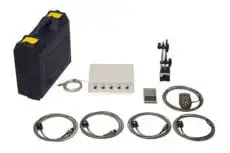
API 670 எதைச் செய்கிறது என்பதைத் தெளிவாகப் புரிந்துகொள்வது மதிப்புள்ளது not செய்கிறது: அது ஒரு இயந்திரத்தைப் பாதுகாக்கிறது, ஆனால் அதை அது சரிசெய்வதில்லை. நிரந்தர அமைப்பு உயரும் 1× உச்சத்தைக் கொடியிட்டுக் காட்டும்போது unbalance, அதற்கான தீர்வு இன்னும் ஒரு சமநிலைப்படுத்தல் பணியாகும், பொதுவாக களத்திலேயே நடத்தப்படுகிறது. போன்ற ஒரு கையடக்க இரு-சேனல் பகுப்பாய்வி Balanset-1A இந்த இடைவெளியில் சரியாக ஒரு API 670 நிறுவலை நிறைவு செய்கிறது — இயந்திரத்தின் சொந்த தாங்குருளிகளில் 1× வீச்சு மற்றும் கட்டத்தை அளந்து, திருத்த எடைகளைக் கணக்கிட்டு, சரிபார்க்கிறது மீதமுள்ள ஏற்றத்தாழ்வு பழுதுபார்த்தலுக்குப் பிறகு, நிலையான பாதுகாப்பு ஆய்வுக் கருவிகளைத் தொந்தரவு செய்யாமல்.
In sum, API 670 is the cornerstone standard for machinery-protection systems in the petroleum, chemical, and power industries. By specifying sensor configurations, redundancy, alarm and trip functionality, and testing, it ensures consistent, reliable protection across facilities worldwide, preventing catastrophic turbomachinery failures through proven monitoring and automatic shutdown.

