தூண்டல் மோட்டார்களில் ஸ்லிப் அதிர்வெண்ணைப் புரிந்துகொள்ளுதல்


Slip frequency என்பது ஒத்திசைவு வேகத்திற்கும் — ஸ்டேட்டரின் காந்தப்புலத்தின் சுழற்சி வேகத்திற்கும் — ஒரு தூண்டல் மோட்டாரின் உண்மையான ரோட்டர் வேகத்திற்கும் இடையே உள்ள வேறுபாடு ஆகும், இது ஹெர்ட்ஸில் வெளிப்படுத்தப்படுகிறது. காந்தப்புலம் ரோட்டர் கடத்திகளைக் கடந்து எவ்வளவு வேகமாக “வழுக்குகிறது” என்பதை இது அளவிடுகிறது, அந்த ஒப்பீட்டு இயக்கமே முறுக்கு விசையை உருவாக்கும் ரோட்டர் மின்னோட்டத்தைத் தூண்டுவது. ஸ்லிப் அதிர்வெண் தூண்டல் மோட்டார் எவ்வாறு செயல்படுகிறது என்பதற்கு அடிப்படையானது, மேலும் இது சமமாக அடிப்படையானது motor diagnostics, because — through the pole-pass frequency (slip frequency × number of poles) — it sets the sideband spacing in the vibration and current signatures of rotor bar defects.
இயல்பான சுமையின் கீழ் இயங்கும் ஒரு மோட்டாருக்கு, ஸ்லிப் அதிர்வெண் பொதுவாக பின்வரும் வரம்பில் இருக்கும் 0.5–3 Hz. இது சுமையுடன் அதிகரிக்கிறது, இது மோட்டார் எவ்வளவு கடினமாக வேலை செய்கிறது என்பதற்கான மறைமுக ஆனால் வசதியான அளவீடாக மாற்றுகிறது. ஒரு மோட்டார் அதிர்வு ஸ்பெக்ட்ரத்தைச் சரியாகப் படிப்பதும் — அதிலிருந்து மின்காந்தக் கோளாறுகளைக் கண்டறிவதும் — ஸ்லிப்பைப் புரிந்துகொள்வதைச் சார்ந்துள்ளது.
1. தூண்டல் மோட்டார்களில் ஸ்லிப் எவ்வாறு செயல்படுகிறது
The Induction Principle
ஒரு தூண்டல் மோட்டார் மின்காந்த நிகழ்வுகளின் ஒரு தொடர் வழியாக முறுக்கு விசையை உருவாக்குகிறது:
- ஸ்டேட்டர் சுருள்கள் ஒத்திசைவு வேகத்தில் சுழலும் ஒரு காந்தப்புலத்தை உருவாக்குகின்றன.
- இந்தப் புலம் ரோட்டரை விட சற்று வேகமாகச் சுழல்கிறது.
- புலத்திற்கும் ரோட்டர் பட்டைகளுக்கும் இடையே உள்ள ஒப்பீட்டு இயக்கம் ரோட்டரில் மின்னோட்டத்தைத் தூண்டுகிறது.
- அந்தத் தூண்டப்பட்ட மின்னோட்டம் ரோட்டரின் சொந்த காந்தப்புலத்தை உருவாக்குகிறது.
- ஸ்டேட்டர் மற்றும் ரோட்டர் புலங்களின் தொடர்பு முறுக்கு விசையை உருவாக்குகிறது.
- Key point: ரோட்டர் ஒருபோதும் ஒத்திசைவு வேகத்தை எட்டினால், எந்த ஒப்பீட்டு இயக்கமும் இருக்காது, எந்தத் தூண்டலும் இருக்காது, எனவே எந்த முறுக்கு விசையும் இருக்காது.
Why Slip Is Necessary
- தூண்டல் ஏற்படவே வேண்டுமானால் ரோட்டர் ஒத்திசைவு வேகத்தை விட மெதுவாக இயங்க வேண்டும்.
- ஸ்லிப் அதிகமாக இருந்தால், அதிக மின்னோட்டம் தூண்டப்பட்டு அதிக முறுக்கு விசை உருவாக்கப்படுகிறது.
- சுமை இல்லாத நிலையில் ஸ்லிப் குறைந்தபட்சமாக இருக்கும் — சுமார் 1%.
- முழு சுமையில் இது அதிகமாக இருக்கும் — பொதுவாக 3–5%.
- மோட்டார் தனது முறுக்கு விசையை சுமையுடன் தானாகப் பொருத்திக்கொள்ளும் வழிமுறையே ஸ்லிப் ஆகும்.
2. Calculating Slip Frequency
The Basic Formula
fs = (Nsync − Nactual) / 60
where fs = slip frequency (Hz), Nsync = ஒத்திசைவு வேகம் (RPM), மற்றும் Nactual = actual rotor speed (RPM).
Using Slip Percentage
- Slip (%) = [(Nsync − Nactual) / Nsync] × 100
- fs = (Slip% × Nsync) / 6000
Three related quantities are easily confused, so it pays to keep them apart: the slip frequency fs defined above (the speed difference in Hz — the convention used throughout this glossary); the electrical slip frequency s·fline (the frequency of the currents induced in the rotor, where s is the per-unit slip); and the pole-pass frequency FP = number of poles × fs = 2·s·fline, which is the sideband spacing actually observed in rotor-bar diagnostics. The synchronous speed itself follows from the supply line frequency மற்றும் துருவங்களின் எண்ணிக்கையிலிருந்து. நீங்கள் கையால் கணக்கிட விரும்பவில்லை என்றால், மோட்டர் சறுக்கல் மற்றும் உண்மையான RPM கணிப்பான் நேம்ப்ளேட் தரவை நேரடியாக ஸ்லிப் மற்றும் இயங்கும் வேகமாக மாற்றுகிறது.
செயல்பட்ட உதாரணங்கள்
4-துருவ, 60 Hz மோட்டார் சுமை இல்லாத நிலையில்:
- Nsync = 1800 RPM, Nactual = 1795 RPM (லேசான சுமை)
- fs = (1800 − 1795) / 60 = 0.083 Hz; slip = 0.3%
அதே மோட்டார் முழு சுமையில்:
- Nsync = 1800 RPM, Nactual = 1750 RPM (rated speed)
- fs = (1800 − 1750) / 60 = 0.833 Hz; slip = 2.8%
2-துருவ, 50 Hz மோட்டார்:
- Nsync = 3000 RPM, Nactual = 2950 RPM
- fs = (3000 − 2950) / 60 = 0.833 Hz; slip = 1.7%
3. அதிர்வு கண்டறிதலில் ஸ்லிப் அதிர்வெண்
ரோட்டர் பட்டை குறைபாடுகளுக்கான பக்கப்பட்டை இடைவெளி
இதுவே ஸ்லிப் அதிர்வெண்ணின் மிக முக்கியமான ஒற்றை கண்டறிதல் பயன்பாடாகும். உடைந்த அல்லது விரிசல் ஏற்பட்ட ரோட்டர் பட்டை மின்காந்த சமச்சீரின்மையை உருவாக்குகிறது, இது பின்வருவதை மாடுலேட் செய்கிறது 1× இயக்க வேகம் peak, producing sidebands spaced at the pole-pass frequency FP = poles × fs:
- Pattern: sidebands around 1× running speed at ±FP, ±2FP, ±3FP.
- Example: a 4-pole, 1750 RPM motor (29.2 Hz) with fs = 0.83 Hz, so FP = 4 × 0.83 = 3.33 Hz.
- Sidebands at: 25.8 Hz and 32.5 Hz around the 29.2 Hz peak, plus 22.5 Hz and 35.8 Hz, and so on.
- Diagnosis: these symmetric sidebands indicate broken or cracked rotor bars.
- Amplitude: பக்கப்பட்டைகளின் உயரம் உடைந்த பட்டைகளின் எண்ணிக்கையையும் தீவிரத்தையும் பிரதிபலிக்கிறது.
Current Signature Analysis
மோட்டார் மின்னோட்ட ஸ்பெக்ட்ரா (MCSA) மின் வழங்கல் வரி அதிர்வெண்ணைச் சுற்றி நெருக்கமாகத் தொடர்புடைய ஒரு வடிவத்தைக் காட்டுகிறது:
- Rotor bar defects create sidebands around line frequency.
- Pattern: fline ± 2·s·fline, where s is the per-unit slip — the same ±FP spacing as in vibration, since 2·s·fline = FP.
- For the 4-pole 60 Hz motor above (s = 50/1800 ≈ 2.8%, FP = 3.33 Hz), the sidebands sit at 56.7 Hz and 63.3 Hz.
- இது அதிர்விலிருந்து செய்யப்பட்ட ரோட்டர் பட்டை கண்டறிதலைச் சுயாதீனமாக உறுதிப்படுத்துகிறது. மோட்டார் மின் குறைபாடு அதிர்வெண் கால்குலேட்டர் எந்த மோட்டாருக்கும் இந்த எதிர்பார்க்கப்படும் மின்னோட்ட பக்கப்பட்டைகளை அமைக்கிறது.
4. Slip as a Load Indicator
Slip Varies with Load
- No load: 0.2–1% ஸ்லிப் (பொதுவான மோட்டார்களுக்கு 0.1–0.5 Hz).
- Half load: 1–2% slip (0.5–1.0 Hz).
- Full load: 2–5% slip (1–2.5 Hz).
- Overload: greater than 5% slip (over 2.5 Hz).
- Starting: 100% சறுக்கம் — ரோட்டார் தற்காலிகமாக நிலையாக இருப்பதால், சறுக்கு அதிர்வெண் மின்வழி அதிர்வெண்ணுக்குச் சமமாக இருக்கும்.
சுமையை மதிப்பிட சறுக்கத்தைப் பயன்படுத்துதல்
- உண்மையான மோட்டார் வேகத்தைத் துல்லியமாக அளவிடவும்.
- ஒத்திசைவு வேகத்துடனான வேறுபாட்டிலிருந்து சறுக்கத்தைக் கணக்கிடவும்.
- அதை நேம்பிளேட்டில் உள்ள மதிப்பிடப்பட்ட முழுச்சுமை சறுக்கத்துடன் ஒப்பிடவும்.
- மோட்டார் சுமையை சதவீதமாக மதிப்பிடவும்.
- நேரடி திறன் அளவீடு கிடைக்காத போது இது குறிப்பாகப் பயனுள்ளதாக இருக்கும்.
5. Factors Affecting Slip
Design Factors
- Rotor resistance: higher resistance gives more slip.
- Motor design class: NEMA வடிவமைப்பு எழுத்து சறுக்குப் பண்பை வடிவமைக்கிறது.
- Voltage: கொடுக்கப்பட்ட சுமைக்கு குறைந்த மின்னழுத்தம் சறுக்கத்தை அதிகரிக்கிறது.
இயக்க நிலைமைகள்
- சுமை திருப்புவிசை: சறுக்கத்தின் முதன்மை நிர்ணயக் காரணி.
- Supply voltage: undervoltage raises slip.
- அதிர்வெண் மாறுபாடு: மின்னளிப்பு அதிர்வெண்ணில் ஏற்படும் மாற்றங்கள் ஒத்திசைவு வேகத்தையும், அதனால் சறுக்கத்தையும் நகர்த்துகின்றன.
- Temperature: a hot rotor has higher resistance, which increases slip.
Motor Condition
- Broken rotor bars increase slip, because torque production becomes less effective.
- Stator winding problems can shift slip.
- உராய்வைக் கூட்டும் தாங்கி சிக்கல்கள் சறுக்கத்தை சிறிது அளவு உயர்த்துகின்றன.
6. சறுக்கு அதிர்வெண் எவ்வாறு அளவிடப்படுகிறது
Direct Speed Measurement
- Use a tachometer அல்லது உண்மையான RPM-ஐ வாசிக்க ஸ்ட்ரோபைப் பயன்படுத்தவும்.
- நேம்பிளேட்டிலிருந்து ஒத்திசைவு வேகத்தை எடுக்கவும் (துருவங்கள் மற்றும் அதிர்வெண்).
- Calculate slip as fs = (Nsync − Nactual) / 60.
- இதுவே மிகவும் துல்லியமான முறையாகும்.
From the Vibration Spectrum
- 1× இயக்க-வேக உச்சத்தைத் துல்லியமாக அடையாளம் காணவும்.
- அந்த உச்ச அதிர்வெண்ணை இயக்க வேகமாக மாற்றவும்.
- ஒத்திசைவு வேகத்துடனான வேறுபாட்டிலிருந்து சறுக்கத்தைப் பெறவும்.
- இதற்கு உயர்-தெளிவுத்திறன் தேவைப்படுகிறது FFT; the FFT தெளிவாக்கம் கணக்கியல் சறுக்கு-இடைவெளி கொண்ட உச்சங்களைப் பிரிக்கப் போதுமான கோடுகளை அமைக்க உதவுகிறது.
From Sideband Spacing
- ரோட்டார் பட்டை குறைபாட்டின் பக்கப்பட்டைகள் இருந்தால், அவற்றுக்கு இடையேயான இடைவெளி is the pole-pass frequency; dividing it by the number of poles gives the slip frequency directly.
- Convenient — but only available once a defect has appeared.
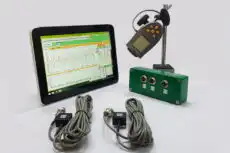
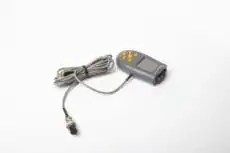
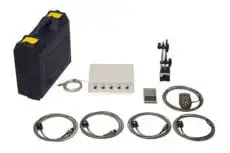
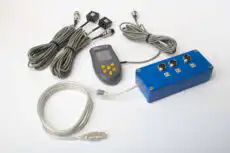
நடைமுறையில் இந்த அளவீடுகள் பகுதி இடத்தில் ஒரு போர்ட்டபிள் இரு-சேனல் கருவியைப் பயன்படுத்தி மேற்கொள்ளப்படுகின்றன. அந்த Balanset-1A records the vibration spectrum at the motor bearing while its optical laser tachometer reads true shaft speed, so you can pin down the exact 1× frequency, compute slip, and search for the pole-pass-spaced sidebands that betray rotor bar damage — all without taking the motor off line. Because slip changes with load, the most revealing measurements are taken with the machine under its normal duty.
7. நடைமுறைக் கண்டறிதல் பயன்பாடு
Normal Slip Values
- ஒவ்வொரு மோட்டாருக்கும் பல சுமைகளில் ஒரு அடிப்படை சறுக்கத்தை ஆவணப்படுத்தவும்.
- வழக்கமான முழுச்சுமை சறுக்கம் 1–3% — எப்போதும் நேம்பிளேட்டைச் சரிபார்க்கவும்.
- நேம்பிளேட் மதிப்பை விட அதிகமான சறுக்கம் அதிக சுமை அல்லது மோட்டார் சிக்கலைக் குறிக்கலாம்.
- கொடுக்கப்பட்ட சுமையில் எதிர்பார்க்கப்பட்ட மதிப்பை விடக் குறைவான சறுக்கம் மின்சாரக் கோளாறைச் சுட்டிக்காட்டலாம்.
Abnormal Slip Indicators
- Excessive slip: motor overloaded, rotor bars broken, or high rotor resistance.
- Variable slip: load fluctuations or electrical-supply instability.
- Low slip at load: a possible stator problem or voltage issue.
Slip frequency sits at the heart of both induction-motor operation and induction-motor diagnostics. As the basis of the pole-pass sideband spacing that reveals rotor bar defects, and as a stand-in for motor loading, it carries a great deal of condition information in a single number. Determining it accurately is what lets an analyst interpret motor vibration and current signatures correctly — and tell normal running apart from a developing fault.

