బ్యాలెన్సింగ్ సేవలు › బ్యాలెన్సింగ్ మెషీన్ vs. పోర్టబుల్ బ్యాలెన్సర్
బ్యాలెన్సింగ్ మెషిన్ vs. పోర్టబుల్ ఫీల్డ్ బ్యాలెన్సర్ — మీకు నిజంగా ఏది కావాలి?
స్థిర బ్యాలెన్సింగ్ మెషిన్ మరియు Balanset-1A వంటి పోర్టబుల్ టూ-ప్లేన్ ఫీల్డ్ బ్యాలెన్సర్ రెండూ అదే భౌతిక సమస్యను సరిచేస్తాయి. సరైన ఎంపిక ఆధారపడుతుంది రోటర్ను తొలగించవచ్చో లేదో, మీరు నెలకు ఎన్ని రోటర్లను బ్యాలెన్స్ చేస్తారు మరియు మీకు ఉన్న బడ్జెట్ ఏమిటి అనే దానిపై. ఈ పేజీ మీకు నిజాయితీగా, పక్కపక్కన పోల్చి నిర్ణయం తీసుకోవడానికి మార్గదర్శకాన్ని అందిస్తుంది.
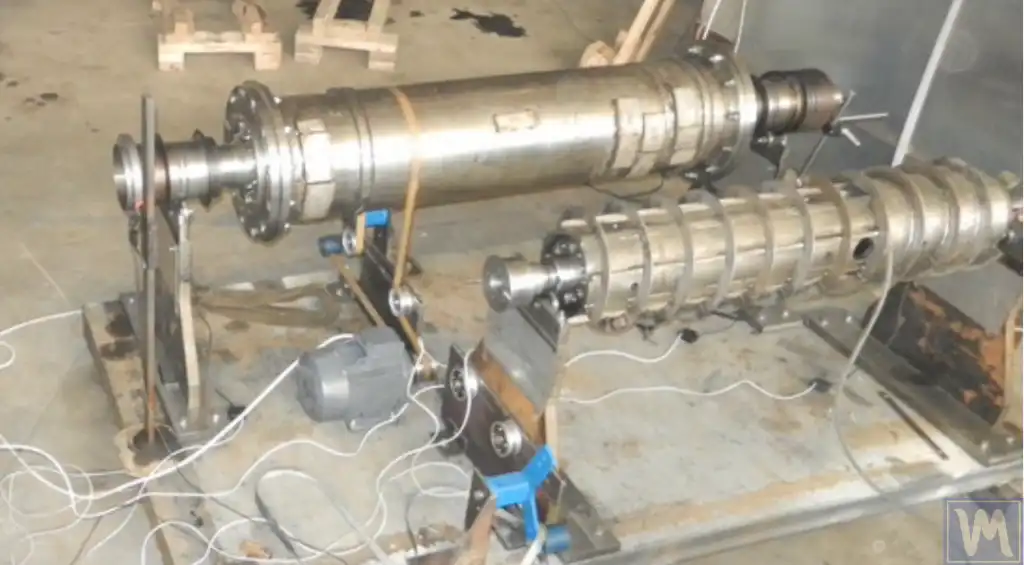
సంక్షిప్తంగా: స్థిర బ్యాలెన్సింగ్ మిషన్ అనేది సరైన సాధనం, మీరు వర్క్షాప్లో రోజుకు అనేక ఒకే విధమైన చిన్న రోటర్లను బ్యాలెన్స్ చేసేటప్పుడు — ఇది నిర్ణీత పరిమాణాల పరిధిలో వేగం మరియు పునరావృత్తిని అందిస్తుంది, కానీ రోటర్ తొలగింపు మరియు €10,000–€100,000+ మూలధన వ్యయం అవసరమవుతాయి. పోర్టబుల్ ఫీల్డ్ బ్యాలెన్సర్ (Balanset-1A, €1,975 పూర్తి కిట్) దాదాపు అన్ని ఇతర పరిస్థితులకు సరైన సాధనం: తొలగింపు లేకుండా ఇన్-సిటు బ్యాలెన్సింగ్, పని వేగానికి తీసుకెళ్ళగలిగే ఏ రోటర్ అయినా, బహుళ-సైట్ నిర్వహణ, మరియు మిషన్ను సమర్థించలేని అప్పుడప్పుడు వచ్చే పనులు. రెండు పద్ధతులూ ఒకే ISO 21940-11 ప్రభావ-గుణాంక గణితాన్ని ఉపయోగిస్తాయి మరియు ఒకే G-గ్రేడ్ సహనాలను సాధిస్తాయి — వ్యత్యాసం నిర్వహణాత్మకమైనది, సాంకేతికమైనది కాదు.
పక్కపక్కన పోలిక: స్థిర బ్యాలెన్సింగ్ మెషీన్ vs. పోర్టబుల్ Balanset-1A
దిగువ ప్రతి వరుసా నిజమైన నిర్ణయ ప్రమాణం. పట్టికను పైనుండి క్రిందికి చదవండి, ప్రతి సాధనం ఎక్కడ గెలుస్తుందో గమనించండి, మరియు మీ పరిస్థితికి సిఫారసుపై చేరుకోవడానికి తదుపరి విభాగంలోని నిర్ణయ కార్డులను ఉపయోగించండి.
| ప్రమాణం | పోర్టబుల్ Balanset-1A (ఫీల్డ్ బ్యాలెన్సర్, €1,975) |
స్థిర బ్యాలెన్సింగ్ మెషీన్ (వర్క్షాప్, €10,000–€100,000+) |
|---|---|---|
| రోటర్ను తొలగించాలా? | లేదు — మిషన్ యొక్క స్వంత బేరింగ్లలోనే బ్యాలెన్స్ చేస్తుంది | అవును — పూర్తి తొలగింపు, రవాణా మరియు పునఃస్థాపన అవసరం |
| నిజమైన పని వేగం & పరిస్థితులలో బ్యాలెన్స్ చేస్తుంది | అవును — వాస్తవ వేగం, ఉష్ణోగ్రత, లోడ్ | లేదు — ప్రత్యేక తక్కువ-వేగం స్పిండిల్, నియంత్రిత పరిస్థితులు |
| కప్లింగ్, షాఫ్ట్ వంపు & పూర్తి అసెంబ్లీని పరిగణనలోకి తీసుకుంటుంది | అవును — మొత్తం తిరిగే అసెంబ్లీ స్థానంలోనే సరిదిద్దబడుతుంది | ఇంపెల్లర్ లేదా రోటర్ మాత్రమే; అసెంబ్లీ ప్రభావాలు పరిగణించబడవు |
| ప్రతి పని కు డౌన్టైమ్ | సెన్సార్ అమరిక మాత్రమే (<15 నిమి); సాధారణ పని <1 గంట | గంటల నుండి రోజుల వరకు: విచ్ఛేదన, రవాణా, బ్యాలెన్సింగ్, పునఃసమీకరణ |
| పోర్టబిలిటీ / బహుళ-సైట్ వినియోగం | క్యారీ-ఆన్ కేస్లో సరిపోతుంది — ఏ సైట్లో అయినా, ఏ రోటర్ అయినా | స్థిర సంస్థాపన; రోటర్లు దాన్ని చేరుకోవాలి |
| ద్వి-తలం (డైనమిక్) బ్యాలెన్సింగ్ | అవును — 2 ఛానెల్స్, ఏకకాల కొలత | అవును — 2-ప్లేన్ సామర్థ్యంతో స్థిర స్పిండిల్ |
| సింగిల్-ప్లేన్ (స్టాటిక్) బ్యాలెన్సింగ్ | అవును | అవును |
| FFT స్పెక్ట్రమ్ & వైబ్రేషన్ డయాగ్నొస్టిక్స్ | అవును — FFT, వేవ్ఫారమ్, 1× ఫేజ్, హార్మొనిక్స్ | లేదు — యంత్రాలు కేవలం 1× వద్ద బలాన్ని కొలుస్తాయి |
| ISO 21940-11 అవశేష అసమతుల్యత నివేదిక | స్వయంచాలకంగా, ప్రతి పని తర్వాత ముద్రించదగినది | అవును (యంత్రం-నిర్దిష్ట ఫార్మాట్) |
| ఒకే విధమైన చిన్న రోటర్లపై అవుట్పుట్ | మధ్యస్థం — ప్రతి పనికి సెన్సార్ సెటప్ అవసరం | అధికం — స్థిర మాండ్రెల్స్పై వేగవంతమైన చక్రం (రోజుకు 20+ రోటర్లు) |
| అంకిత ఉత్పత్తి లైన్లో పునరావృత్తి సామర్థ్యం | మంచిది — కానీ బాహ్య నిర్మాణం ప్రభావితం చేయవచ్చు | అద్భుతం — క్రమాంకన స్పిండిల్, నిర్మాణంపై ఆధారపడదు |
| చాలా పెద్ద లేదా అమర్చిన రోటర్లపై వినియోగించదగినది | అవును — పరికరం ద్వారా పరిమాణ పరిమితి నిర్ణయించబడదు | మిషన్ సామర్థ్యం మరియు హ్యాండ్లింగ్ లాజిస్టిక్స్ ద్వారా పరిమితం |
| ఇప్పటికే ఉన్న పాత బ్యాలెన్సింగ్ యంత్రాలను అప్గ్రేడ్ చేస్తుంది | అవును — Balanset OEM అరిగిపోయిన ఎలక్ట్రానిక్స్ను భర్తీ చేస్తుంది | వర్తించదు — ఇదే మిషన్ |
| పరికర కొనుగోలు ధర | €1,975 (పూర్తి కిట్, అన్నీ చేర్చబడ్డాయి) | €10,000–€100,000+ (యంత్రం మాత్రమే) |
| టూలింగ్ వ్యయం (ఆర్బర్స్, అడాప్టర్లు, చక్స్) | లేదు — సెన్సర్లు ఏ బేరింగ్కైనా క్లిప్ లేదా మాగ్నెట్ ద్వారా అమరుతాయి | ప్రతి రోటర్ కుటుంబానికి €100–€500+, కొనసాగుతూ |
| పునాది / నిర్మాణం అవసరం | లేదు — నిమిషాల్లో ఎక్కడైనా సెటప్ చేయవచ్చు | అవును — దృఢమైన పునాది మరియు నేల స్థలం అవసరం |
| వార్షిక కాలిబ్రేషన్ / సేవా ఒప్పందం | తప్పనిసరి ఒప్పందం లేదు; 2-సంవత్సరాల వారంటీ చేర్చబడింది | అవును — సాధారణంగా €500–€3,000/సంవత్సరం |
| ఎవరికి అత్యంత అనువైనది | ఫీల్డ్ నిర్వహణ, బహుళ-సైట్ కాంట్రాక్టర్లు, ఇన్-సిటు పని, అప్పుడప్పుడు వచ్చే పనులు | అధిక-పరిమాణ ఉత్పత్తి వర్క్షాప్లు, OEM లైన్లు, ఖచ్చితమైన చిన్న భాగాలు |
ఏది ఎంచుకోవాలి — నిర్ణయ మార్గదర్శిక
రెండు ప్రశ్నలకు సమాధానం ఇవ్వండి: రోటర్ను తొలగించి వర్క్షాప్కు తీసుకెళ్ళవచ్చా? మరియు మీరు నెలకు దాదాపు 20 కంటే ఎక్కువ ఒకే విధమైన రోటర్లను బ్యాలెన్స్ చేస్తున్నారా? దిగువ కార్డులు ఆ సమాధానాలను స్పష్టమైన సిఫారసుకు మ్యాప్ చేస్తాయి.
పోర్టబుల్ Balanset-1A ఎంచుకోండి, ఒకవేళ…
రోటర్ను తొలగించలేకపోతే (పెద్ద ఫ్యాన్లు, అమర్చిన పంప్ ఇంపెల్లర్లు, అమర్చిన డ్రైవ్షాఫ్ట్లు), లేదా మీరు నెలకు 20 కంటే తక్కువ రోటర్లను బ్యాలెన్స్ చేస్తే, లేదా మీరు బహుళ సైట్లలో పని చేస్తే, లేదా మీ బడ్జెట్ €5,000 కంటే తక్కువగా ఉంటే. Balanset-1A €1,975 వద్ద 1 kg మైక్రో-ఫ్యాన్ల నుండి బహుళ-టన్నుల డ్రమ్ల వరకు అన్ని ఇన్-సిటు రోటర్ రకాలను కవర్ చేస్తుంది — ద్వి-తలం బ్యాలెన్సింగ్, FFT డయాగ్నోస్టిక్స్, మరియు ISO 21940-11 నివేదిక చేర్చబడ్డాయి.
స్థిర బ్యాలెన్సింగ్ మెషీన్ను ఎంచుకోండి, ఒకవేళ…
మీరు ఒక వర్క్షాప్ నడుపుతున్నారు, అక్కడ ఒకే కుటుంబానికి చెందిన చిన్న రోటర్లను (మోటార్ ఆర్మేచర్లు, టూల్ హోల్డర్లు, చిన్న ఇంపెల్లర్లు) రోజుకు చాలాసార్లు స్థిర మాండ్రెల్లపై బ్యాలెన్సింగ్ చేస్తారు, మరియు పోర్టబిలిటీ కంటే అత్యధిక ఉత్పాదకత వేగం అవసరం. నిర్దిష్ట OEM అంగీకార పరీక్షలు మరియు అంతరిక్ష సర్టిఫికేషన్ల కోసం కూడా హార్డ్-బేరింగ్ మెషీన్ అవసరమవుతుంది, అక్కడ రోటర్ వశ్యతకు స్వతంత్రంగా ట్రేస్ చేయదగిన బలం కొలత తప్పనిసరి.
రెండూ వాడండి — మీ పాత మెషీన్ను అప్గ్రేడ్ చేయండి
ఇప్పటికే ఒక స్థిర బ్యాలెన్సింగ్ మెషీన్ కలిగి ఉన్నారా, దీని ఎలక్ట్రానిక్స్ పాడయ్యాయా లేదా వాడుకలో లేవా? ఆ Balanset-1A OEM వేరియంట్ కేవలం మెజరింగ్ హెడ్ను మాత్రమే భర్తీ చేస్తుంది — కొత్త మెషీన్ ఖర్చు లేకుండా మీకు ఆధునిక టు-ప్లేన్ డిజిటల్ సిస్టమ్ అందిస్తుంది. మరియు అదే యూనిట్ సైట్లో అవసరమైనప్పుడు మీ పోర్టబుల్ ఫీల్డ్ బ్యాలెన్సర్గా కూడా పనిచేస్తుంది.
పోర్టబుల్ ఫీల్డ్ బ్యాలెన్సింగ్ ఎలా పనిచేస్తుంది — దశల వారీగా
Balanset-1A స్థిర మెషీన్ వలె అదే ఇన్ఫ్లుయెన్స్ కోఎఫీషియంట్ గణితాన్ని ఉపయోగిస్తుంది, రెండు వైబ్రేషన్ సెన్సర్లు మరియు ఒక లేజర్ టాకోమీటర్తో స్థలంలోనే అమలు చేస్తుంది. తొలగింపు లేదు, అడాప్టర్లు లేవు, ప్రత్యేక పునాది అవసరం లేదు:
- సెన్సార్లను అమర్చండి. ఒక వైబ్రేషన్ యాక్సెలెరోమీటర్ ప్రతి బేరింగ్ హౌసింగ్కు క్లిప్ లేదా మాగ్నెట్ ద్వారా అమరుస్తారు. షాఫ్ట్పై రిఫ్లెక్టివ్ స్ట్రిప్ను గురి చేసి లేజర్ టాకోమీటర్ అమర్చబడుతుంది. విడదీయడం అవసరం లేదు — మెషీన్ అంతటా సాధారణ నిర్వహణ పరిస్థితులలో నడుస్తుంది.
- బేస్లైన్ కొలవండి. నిర్వహణ వేగంతో ఒక రన్ ప్రతి బేరింగ్లో 1× RPM వైబ్రేషన్ వెక్టర్ (amplitude మరియు phase) నమోదు చేస్తుంది — మెషీన్ వాస్తవంగా నడిచే ఖచ్చితమైన వేగం మరియు ఉష్ణోగ్రత వద్ద కొలిచిన ప్రస్తుత అన్బ్యాలెన్స్ స్థితి.
- ట్రయల్ వెయిట్ జోడించండి. రోటర్పై గుర్తించిన కోణ స్థానంలో ఒక చిన్న తెలిసిన ద్రవ్యరాశిని తాత్కాలికంగా అమరుస్తారు. రెండవ రన్ రోటర్ ఎలా స్పందిస్తుందో చూపిస్తుంది — ఇది ప్లేన్ 1 యొక్క ఇన్ఫ్లుయెన్స్ కోఎఫీషియంట్. టు-ప్లేన్ పనికి, ప్లేన్ 2 పై రెండవ ట్రయల్ వెయిట్ రన్ క్రాస్-కప్లింగ్ కోఎఫీషియంట్లను ఇస్తుంది.
- పరికరాన్ని గణన చేయనివ్వండి. Balanset-1A ఇన్ఫ్లుయెన్స్ కోఎఫీషియంట్ సమీకరణాలను పరిష్కరించి, ప్రతి ప్లేన్ కోసం కరెక్షన్ ద్రవ్యరాశి మరియు కోణాన్ని ప్రదర్శిస్తుంది. మాన్యువల్ గణన అవసరం లేదు.
- కరెక్షన్ వెయిట్ను అమర్చండి. సూచించిన స్థానంలో గణించిన ద్రవ్యరాశిని వెల్డ్, బోల్ట్ లేదా క్లాంప్ చేయండి. ట్రయల్ వెయిట్ చివరి కరెక్షన్లో భాగం కాకపోతే దాన్ని తొలగించండి.
- ధృవీకరించి డాక్యుమెంట్ చేయండి. చివరి రన్ రెసిడ్యువల్ అన్బ్యాలెన్స్ ISO 21940-11 G-గ్రేడ్ టాలరెన్స్ లోపల ఉందని నిర్ధారిస్తుంది. Balanset-1A బ్యాలెన్సింగ్ నివేదికను ముద్రిస్తుంది, ముందు/తర్వాత విలువలు, కరెక్షన్ ద్రవ్యరాశులు మరియు సాధించిన బ్యాలెన్స్ గ్రేడ్ నమోదు చేస్తుంది.
స్థిర బ్యాలెన్సింగ్ మెషీన్ నిజంగా మెరుగైన చోట
పోర్టబుల్ ఫీల్డ్ బ్యాలెన్సర్ ప్రతి పరిస్థితికి సరైన సమాధానం కాదు. ఈ సందర్భాల గురించి నిజాయితీగా ఉండండి — ఒక వర్క్షాప్ మెషీన్ తన అదనపు ధరకు విలువైనదిగా నిరూపించుకునే పరిస్థితులు ఇవే:
స్టాండర్డ్లు & టాలరెన్స్లు — రెండు విధానాల్లో ఒకే లక్ష్యం
ISO 21940-11 (పూర్వం ISO 1940-1) G0.4 నుండి G4000 వరకు రిజిడ్-రోటర్ బ్యాలెన్స్ క్వాలిటీ గ్రేడ్లను నిర్వచిస్తుంది మరియు రోటర్ మాస్ మరియు సర్వీస్ స్పీడ్ ఆధారంగా అనుమతించదగిన అవశేష అన్బ్యాలెన్స్ను నిర్దేశిస్తుంది. స్టేషనరీ బ్యాలెన్సింగ్ మెషిన్ మరియు Balanset-1A పోర్టబుల్ ఫీల్డ్ బ్యాలెన్సర్ రెండూ ఒకే ఇన్ఫ్లూయెన్స్-కోఎఫిషియెంట్ పద్ధతిని ఉపయోగిస్తాయి మరియు ఒకే G-గ్రేడ్ ఫలితాన్ని సాధించడం అవసరం — స్టాండర్డ్ రెండు విధానాల మధ్య వ్యత్యాసం చూపించదు.
అనువర్తనం ప్రకారం సాధారణ G-గ్రేడ్లు: G6.3 సాధారణ పారిశ్రామిక ఫ్యాన్లు, పంపులు, మోటార్లు మరియు వ్యవసాయ యంత్రాల కోసం; G2.5 అధిక-ప్రెసిషన్ ప్రాసెస్ యంత్రాలు, మల్టీ-స్టేజ్ పంపులు మరియు చాలా ఎలక్ట్రిక్ మోటార్ల కోసం; G1.0 లేదా అంతకంటే మెరుగైనది ప్రెసిషన్ మెషిన్-టూల్ స్పిండిల్స్, డెంటల్ డ్రిల్స్ మరియు గ్యాస్ టర్బైన్ల కోసం. మా అవశేష అసమతుల్యత కాలిక్యులేటర్ మీ నిర్దిష్ట రోటర్ కోసం అనుమతించదగిన టాలరెన్స్ కనుగొనడానికి.
ISO 14694 పారిశ్రామిక ఫ్యాన్లను నియంత్రిస్తుంది మరియు వివిధ ఫ్యాన్ క్లాసులకు (BV-1 నుండి BV-5) అంగీకార వైబ్రేషన్ వేలాసిటీ పరిమితులను నిర్వచిస్తుంది, ఇవి ISO 21940-11 బ్యాలెన్స్ గ్రేడ్లతో సహసంబంధం కలిగి ఉంటాయి. Balanset-1A మీ అప్లికేషన్ డిమాండ్ చేసే ఏ గ్రేడ్ అయినా దానికి వ్యతిరేకంగా g·mm లో అవశేష అన్బ్యాలెన్స్ను కొలుస్తుంది, లెక్కిస్తుంది మరియు డాక్యుమెంట్ చేస్తుంది.
Balanset-1A — పూర్తి పోర్టబుల్ ఫీల్డ్-బ్యాలెన్సింగ్ కిట్
ఈ పేజీలోని ప్రతి పోలికలో పోర్టబుల్ వైపు ఒక ఇన్స్ట్రుమెంట్ ద్వారా అందించబడుతుంది: Balanset-1A. ఇది రిజిడ్ రోటర్లను బ్యాలెన్స్ చేసే రెండు-చానల్ డైనమిక్ బ్యాలెన్సర్ మరియు వైబ్రేషన్ అనలైజర్ వాటి స్వంత బేరింగ్లలో, ఆపరేటింగ్ వేగంతో, 3-రన్ ఇన్ఫ్లూయెన్స్-కోఎఫిషియెంట్ పద్ధతిని ఉపయోగించి — సాఫ్ట్వేర్ ఖచ్చితమైన కరెక్షన్ మాస్ మరియు కోణాన్ని లెక్కిస్తుంది, ISO G-గ్రేడ్తో పోల్చి చూస్తుంది మరియు ప్రింట్ చేయగల నివేదికను సేవ్ చేస్తుంది. ఇది మిస్అలైన్మెంట్, లూజ్నెస్ మరియు బేరింగ్ లోపాలను నిర్ధారించడానికి స్వతంత్ర FFT వైబ్రేషన్ అనలైజర్గా కూడా పనిచేస్తుంది.
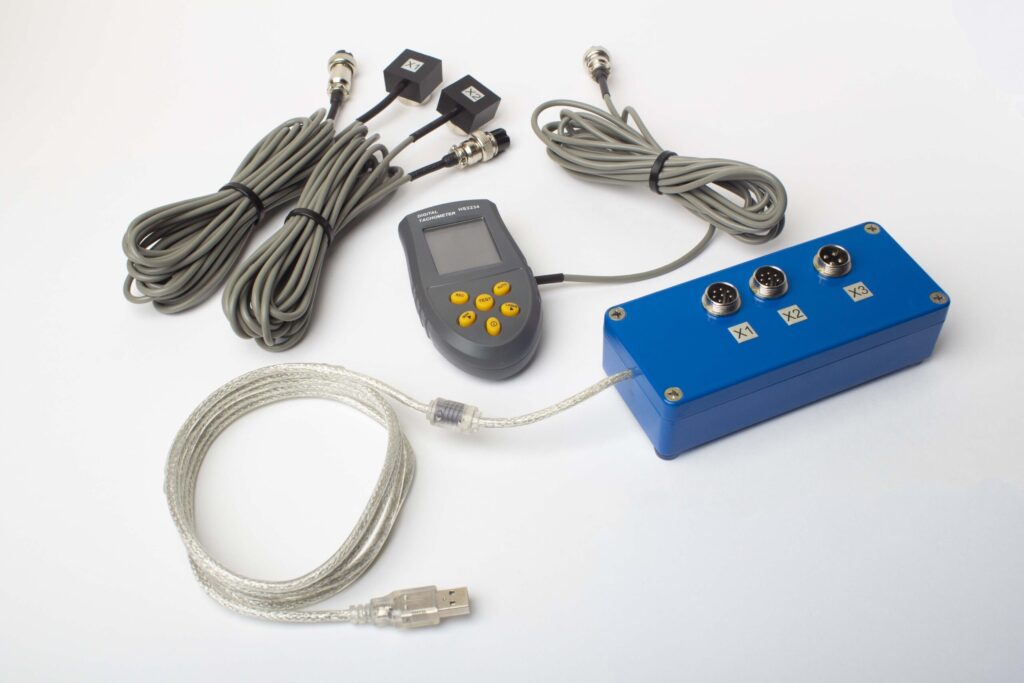
పూర్తి కిట్లో ఏముంది
€1,975 · పూర్తి కిట్, స్టాక్లో ఉంది, VAT ఇన్వాయిస్
- ఇంటర్ఫేస్ మెజర్మెంట్ యూనిట్ (USB, 2 చానెల్లు)
- రెండు వైబ్రేషన్ యాక్సెలెరోమీటర్లు (4 m కేబుల్, 10 m ఐచ్ఛికం)
- లేజర్ టాకోమీటర్ / ఆప్టికల్ ఫేజ్ సెన్సర్ (50–500 mm)
- సెన్సార్ కోసం మాగ్నెటిక్ స్టాండ్
- ట్రయల్ & కరెక్షన్ వెయిట్ల కోసం డిజిటల్ స్కేల్
- Windows బ్యాలెన్సింగ్ & అనాలిసిస్ సాఫ్ట్వేర్
- ప్లాస్టిక్ ట్రాన్స్పోర్ట్ కేస్
పూర్తి కిట్
యూనిట్ · 2 సెన్సార్లు · లేజర్ టాకోమీటర్ · మాగ్నెటిక్ స్టాండ్ · డిజిటల్ స్కేల్ · సాఫ్ట్వేర్ · ట్రాన్స్పోర్ట్ కేస్. బాక్స్ తెరిచిన వెంటనే బ్యాలన్సింగ్ ప్రారంభించడానికి అవసరమైనదంతా.
OEM సెట్
యూనిట్ · 2 సెన్సార్లు · లేజర్ టాకోమీటర్ · సాఫ్ట్వేర్. ఇప్పటికే స్టాండ్, స్కేల్ మరియు కేస్ కలిగి ఉన్న ఇంటిగ్రేటర్లు కోసం, లేదా అసలు ఎలక్ట్రానిక్స్ను రీప్లేస్ చేయడానికి బ్యాలెన్సింగ్ మెషిన్లో యూనిట్ను ఎంబెడ్ చేసే వారి కోసం.
| పరామితి | విలువ |
|---|---|
| మెజర్మెంట్ చానెల్లు | 2 (సింగిల్-ప్లేన్ & టూ-ప్లేన్ బ్యాలెన్సింగ్) |
| వైబ్రేషన్ వేగం పరిధి | 0.02–80 mm/s RMS |
| పౌనఃపున్య పరిధి | 5–1000 Hz (550 Hz పైన ≤10% యాంప్లిట్యూడ్ దోషం) |
| కొలత ఖచ్చితత్వం | పూర్తి స్కేల్లో ±5% |
| విధానం | 3-రన్ ఇన్ఫ్లుయెన్స్-కో఼ఎఫిషియెంట్ (1 లేదా 2 ప్లేన్లు) |
| విశ్లేషణ | 1× వద్ద ఆంప్లిట్యూడ్ & ఫేజ్, FFT స్పెక్ట్రమ్ & వేవ్ఫారమ్, సేవ్ అయిన రిపోర్టులు |
| ల్యాప్టాప్ | చేర్చబడలేదు (Windows PC, అభ్యర్థన మేరకు అందుబాటులో) |
వాస్తవ ఉదాహరణలు
బ్యాలెన్సింగ్ సిస్టమ్ నుండి కొనుగోలుదారులకు నిజంగా ఏమి అవసరం
బ్యాలెన్సింగ్ మెషీన్ తయారీదారులు సాధారణంగా ప్రచారం చేసేవి మరియు కొనుగోలుదారులకు వాస్తవంగా అవసరమైనవి — రెండింటిని పని చేసే పోలికలతో విమర్శనాత్మక ఇంజినీరింగ్ దృష్టికోణంలో పరిశీలించడం.
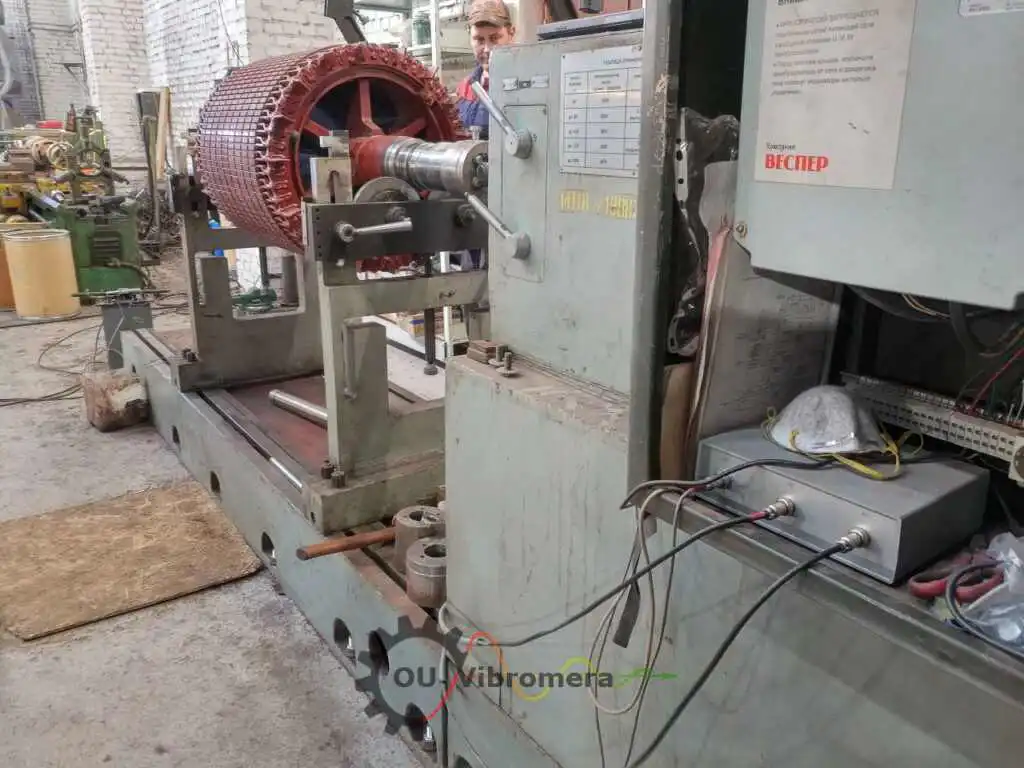
పాత బ్యాలెన్సింగ్ మెషీన్ను ఆధునికీకరించడం
హార్డ్-బేరింగ్ బ్యాలెన్సింగ్ మెషీన్లోని అరిగిన ఎలక్ట్రానిక్స్ను Balanset-1A మెజర్మెంట్ సిస్టమ్తో భర్తీ చేయడం — కొత్త మెషీన్ ఖర్చులో కొంత భాగం మాత్రమే.
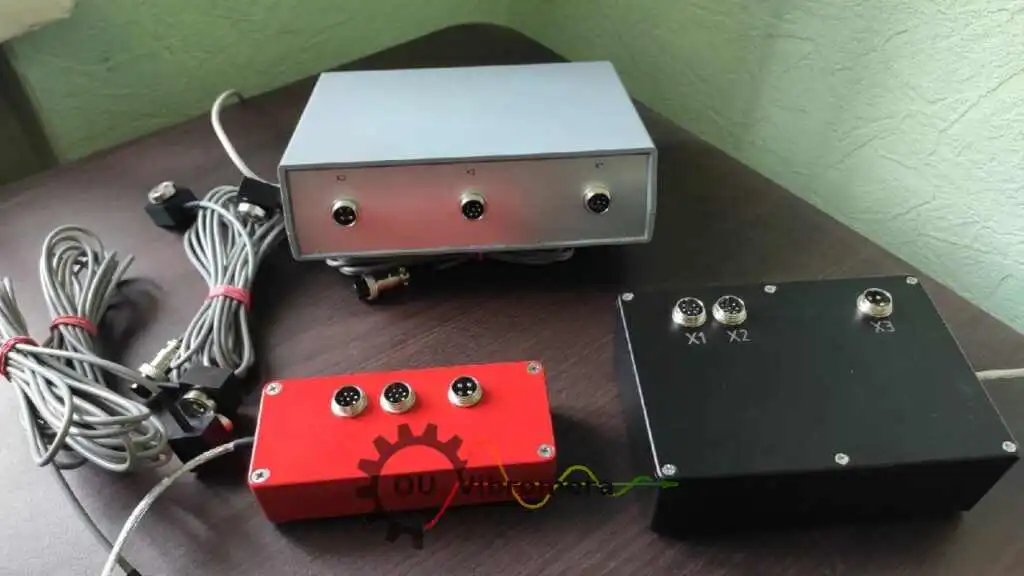
పోర్టబుల్ బ్యాలెన్సర్ మరియు వైబ్రేషన్ అనలైజర్
Balanset-1A ని పోర్టబుల్ ఫీల్డ్ బ్యాలెన్సర్గా మరియు స్వతంత్ర వైబ్రేషన్ అనలైజర్గా రెండుగా ఉపయోగించడం — అదే స్థానంలో, నిర్వహణ వేగంలో.
ఉచిత కాలిక్యులేటర్లు
బ్యాలెన్సింగ్ మెషీన్ vs. పోర్టబుల్ ఫీల్డ్ బ్యాలెన్సర్ — తరచుగా అడిగే ప్రశ్నలు
పోర్టబుల్ ఫీల్డ్ బ్యాలెన్సర్ స్థిర బ్యాలెన్సింగ్ మెషీన్ యొక్క కచ్చితత్వాన్ని సరిపోల్చగలదా?
స్థిర బ్యాలెన్సింగ్ మెషీన్ ఆర్థికంగా అర్థవంతంగా ఉండేది ఎప్పుడు?
కొత్తది కొనే బదులు పాత బ్యాలెన్సింగ్ మెషీన్ను రిపేర్ చేయడం విలువైనదేనా?
Balanset-1A ని స్థిర బ్యాలెన్సింగ్ మెషీన్లో ఇంటిగ్రేట్ చేయవచ్చా?
పోర్టబుల్ Balanset-1A ఏ రోటార్ సైజులను హ్యాండిల్ చేయగలదు?
తొలగించలేని ఇన్స్టాల్డ్ ఫ్యాన్ లేదా పంప్కు ఏ పద్ధతి మెరుగైన ఫలితం ఇస్తుంది?
మనకు ఇప్పటికే బ్యాలెన్సింగ్ మెషీన్ ఉన్నప్పుడు పోర్టబుల్ కిట్ ఖర్చును నిర్వహణకు ఎలా సమర్థించాలి?
మీ పనికి సరైన పరికరం ఏదో తెలుసుకోండి — తర్వాత దాన్ని పనిలో పెట్టండి
రోటర్ వేగంగా పరిగెత్తగలిగితే మరియు మీ బృందం బేరింగ్ హౌసింగ్లకు యాక్సెస్ చేయగలిగితే, Balanset-1A ఒక గంటలోపు, ఏ సైట్లోనైనా, €1,975 సంపూర్ణ ధరకు రెండు-ప్లేన్ ISO 21940-11 బ్యాలెన్సింగ్ అందిస్తుంది. మీరు ఒకే విధమైన చిన్న భాగాలపై అధిక-వాల్యూమ్ ప్రొడక్షన్ లైన్ నడుపుతుంటే, స్థిర మెషీన్ తన స్థానాన్ని సంపాదిస్తుంది — మరియు Balanset-1A OEM మాడ్యూల్ దాని కొలత వ్యవస్థను అప్గ్రేడ్ చేయగలదు. ఫోరమ్లో మీ రోటర్ వివరాలు పోస్ట్ చేయండి, ఏ విధానం సరైనదో మేము నిజాయితీగా చెప్తాం.

