Usluge balansiranja › Mašina za balansiranje u odnosu na prijenosivi balansir
Mašina za balansiranje u odnosu na prijenosivi balansir na mjestu — koja vam je zapravo potrebna?
I stacionarna mašina za balansiranje i prijenosivi balansir s dva nivoa na mjestu kao Balanset-1A ispravlja isti fizički problem. Pravi izbor zavisi od može li se rotor ukloniti, koliko rotora balansirate mjesečno, i kakav budžet vam stoji na raspolaganju. Ova stranica pruža vam poštenu, uporednu vodiču za donošenje odluke.
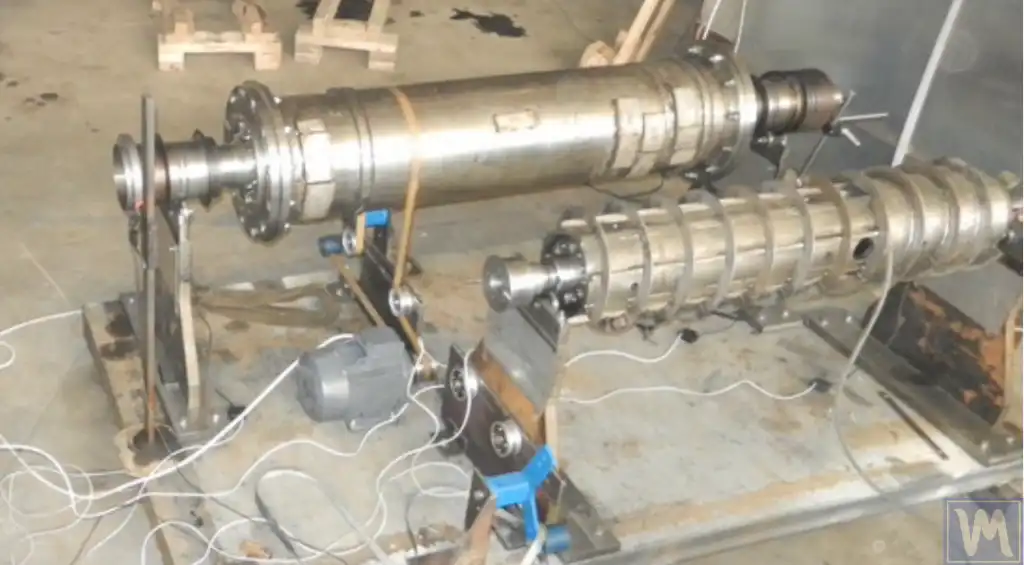
Ukratko: Stacionarna mašina za balansiranje je pravi alat kada balansirate mnogo identičnih malih rotora dnevno u radionici — nudi brzinu i ponovljivost na fiksnom rasponu veličina, ali zahtijeva uklanjanje rotora i kapitalno ulaganje od €10.000–€100.000+. Prenosivi poljski balanser (Balanset-1A, €1.975 kompletan) je pravi alat za gotovo sve ostale situacije: balansiranje u mjestu bez uklanjanja, bilo koji rotor koji može postići radnu brzinu, održavanje na više lokacija, i povremeni poslovi gdje se mašina ne može opravdati. Obje metode koriste istu ISO 21940-11 matematiku koeficijenta uticaja i postižu iste tolerancije G-klase — razlika je operativna, a ne tehnička.
Uporedna analiza: stacionarna mašina za balansiranje naspram prenosivog Balanset-1A
Svaki red ispod je pravi kriterij za donošenje odluke. Pročitajte tabelu od vrha prema dnu, primjetite gdje svaki alat pobjeđuje, i koristite kartice za odlučivanje u sljedećem dijelu da došle do preporuke za vašu situaciju.
| Kriterij | Prenosivi Balanset-1A (poljski balanser, €1.975) |
Stacionarna mašina za balansiranje (radionica, €10.000–€100.000+) |
|---|---|---|
| Rotor mora biti uklonjen? | Ne — balansira u ležištima same mašine | Da — potpuno uklanjanje, transport i ponovno postavljanje |
| Balansira pri pravoj radnoj brzini & uvjetima | Da — prava brzina, temperatura, opterećenje | Ne — odvojena niskobrzinska vretena, kontrolirani uvjeti |
| Računa sprezanje, fleksibilnost vratila i kompletan skup | Da — cjelokupni rotirajući skup balansiran na mjestu | Samo rotor ili radni kotač; efekti sklopa zanemareni |
| Vrijeme zastoja po poslu | Samo montaža senzora (<15 min); tipičan posao <1 sat | Sati do dana: demontaža, transport, balansiranje, ponovno sastavljanje |
| Prenosivost / upotreba na više lokacija | Stane u putni kofer — bilo koja lokacija, bilo koji rotor | Fiksna instalacija; rotori se moraju dovesti do nje |
| Dvoslojno (dinamičko) balansiranje | Da — 2 kanala, istovremeno mjerenje | Da — fiksna osovina sa mogućnošću dvoslojnog balansiranja |
| Jednoslojno (statičko) balansiranje | Da | Da |
| FFT spektar & dijagnostika vibracija | Da — FFT, valni oblik, faza 1×, harmonici | Ne — uređaji mjere silu samo na 1× |
| Izvještaj o rezidualnoj neuravnoteženosti prema ISO 21940-11 | Automatski, ispisivo nakon svakog posla | Da (specifičan format za uređaj) |
| Propusnost na identičnim malim rotorima | Umjerena — svaki posao zahtijeva postavljanje senzora | Visoko — brz ciklus na fiksnim mandrelima (20+ rotora/dan) |
| Ponovljivost na namjenskoj proizvodnoj liniji | Dobro — ali utječeno vanjskom strukturom | Odlično — kalibrirana vretena, neovisno od strukture |
| Upotrebljivo na vrlo velikim ili ugrađenim rotorima | Da — nema postavljene granice veličine od strane instrumenta | Ograničeno kapacitetom mašine i logistikom rukovanja |
| Nadograđuje postojeće stare balansne mašine | Da — Balanset OEM zamjenjuje istrošenu elektroniku | N/A — jeste sama mašina |
| Cijena nabave opreme | €1.975 (Kompletan set, sve je uključeno) | €10.000–€100.000+ (samo mašina) |
| Trošak alata (arbori, adapteri, čahure) | Ništa — senzori se kliještaće ili magnetski montiraju na bilo koji ležaj | €100–€500+ po familiji rotora, kontinuirano |
| Temelj / instalacija potrebna | Ne — postavlja se bilo gdje za nekoliko minuta | Da — kruta temeljna konstrukcija i prostor na podu |
| Godišnja kalibracija / ugovor o održavanju | Bez obaveznog ugovora; 2-godišnja garancija uključena | Da — tipično €500–€3.000/god. |
| Kome najbolje odgovara | Polsko održavanje, izvođači na više lokacija, rad u situ, povremeni poslovi | Proizvodnje velike količine, OEM linije, precizni mali dijelovi |
Koji bi trebao odabrati koji — vodeća odluka
Odgovorite na dva pitanja: Može li se rotor ukloniti i donijeti u radionicu? i Balansirate li više od otprilike 20 identičnih rotora mjesečno? Kartice ispod preslikavaju ta odgovora na jasnu preporuku.
Odaberite prenosivi Balanset-1A ako…
Rotor se ne može ukloniti (veliki ventilatori, instalirane pumpe, ugrađena vratila s klapnom), ili balansirate manje od 20 rotora mjesečno, ili radite na više mjesta, ili vam je proračun ispod €5.000. Balanset-1A od €1.975 pokriva svaki rotor u situ od 1 kg mikroventilatora do bubnjeva od više tona — s balansiranjem u dvije ravnine, FFT dijagnostikom i uključenim ISO 21940-11 izvještajem.
Odaberite stacionarni stroj za balansiranje ako…
Vodite radionicu koja balansirate istu obitelj malih rotora (armature motora, čvrste mufle, male propelere) mnogo puta dnevno na fiksnim mandrelima, a brzina propusnosti je važnija od prenosivosti. Stroj s tvrdom ležajem također je potreban za određene OEM testove prihvaćanja i certifikaciju zrakoplova gdje je obavezna mjerljiva mjerenja sile nezavisna od fleksibilnosti rotora.
Koristite oboje — nadogradite svoj stari stroj
Već posjedujete stacionarni stroj za balansiranje čija elektronika je otkazala ili postala zastarjela? Balanset-1A OEM varijanta zamjenjuje samo mjernu glavu — dajući vam moderni digitalni sustav s balansiranjem u dvije ravnine bez troška novog stroja. A ista jedinica se dvostruko koristi kao vaš prenosivi terski balancer kada vam je potreban na terenu.
Kako terenska balansiranja na terenu radi — korak po korak
Balanset-1A koristi istu matematiku koeficijenta uticaja kao stacionarna mašina, primenjena na mestu sa dva senzora vibracija i jednim laserskim tachometrom. Bez uklanjanja, bez adaptera, bez posebne osnove:
- Montaža senzora. Jedan vibracijski akcelerometar se fiksira ili magneti-montira na kućište svakog ležaja. Laserski tachometar je usmeren na reflektivnu nalepnicu na vratilu. Nije potrebna demontaža — mašina radi pod normalnim uslovima tokom celog procesa.
- Izmjerite baznu vrijednost. Jedno pokretanje pri radnoj brzini registruje vektor vibracija 1× RPM (amplitudu i fazu) na svakom ležaju — trenutno stanje neuravnoteženosti, mereno na tačnoj brzini i temperaturi na kojoj mašina zaista radi.
- Dodajte probnu masu. Mala poznata masa se privremeno fiksira na označenoj ugaonoj poziciji na rotoru. Drugo pokretanje pokazuje kako rotor reaguje — to je koeficijent uticaja za ravan 1. Za dverapavnu balansiranju, drugo pokušajno-težinsko pokretanje na ravni 2 daje koeficijente unakrsne sprege.
- Dozvoli uređaju da izračuna. Balanset-1A rešava jednačine koeficijenta uticaja i prikazuje masu korekcije i ugao za svaku ravan. Nije potreban ručni proračun.
- Montaž korekcijske mase. Zavaryte, zakovajte ili stegnite izračunanu masu na navedenu poziciju. Uklonite pokušajnu težinu osim ako ne čini deo finalne korekcije.
- Provjerite i dokumentirajte. Finalno pokretanje potvrđuje da je preostala neuravnoteženost u granicama tolerancije G-razreda ISO 21940-11. Balanset-1A ispisuje izveštaj o balansiranju koji beleži vrednosti pre/posle, mase korekcije i postignuti razred balanse.
Gde stacionarna mašina za balansiranje zaista pobjeđuje
Prijenosna terenska balansirnica nije pravi odgovor za svaku situaciju. Budite iskren o ovim slučajevima — to su uslovi gde mašina u radionici oporavlja svoju premiju cene:
Standardi & tolerancije — ista svojstva, bilo kako
ISO 21940-11 (prethodno ISO 1940-1) definiše klase kvalitete balansa krutog rotora od G0,4 do G4000 i specificira dozvoljena disbalansa kao funkciju mase rotora i brzine upotrebe. Kako stacionarna balansirajuća mašina tako i Balanset-1A prenosiva balansirajuća nož koriste istu metodu koeficijenta uticaja i trebaju postići isti rezultat G-ocjene — standard ne pravi razliku između dva pristupa.
Česte G-ocjene prema primjeni: G6.3 za opće industrijske ventilatore, pumpe, motore i poljoprivredne mašine; G2.5 za stroje veće preciznosti, višestupanjske pumpe i većinu elektromotora; G1.0 ili bolje za precizne strojne alate vretena, dentalne bušilice i plinove turbine. Koristite naš kalkulator rezidualnog disbalansa kako biste pronašli dozvoljenu toleranciju za vašeg specifičnog rotora.
ISO 14694 upravlja industrijskim ventilatorima i definiše granice brzine vibracija prihvatanja za različite klase ventilatora (BV-1 do BV-5), koji se koreliraju sa gradama ISO 21940-11. Balanset-1A mjeri, izračunava i dokumentira rezidualni disbalans u g·mm prema kojoj god ocjeni vaša primjena zahtijeva.
Balanset-1A — kompletan prenosivi komplet za balansiranje na terenu
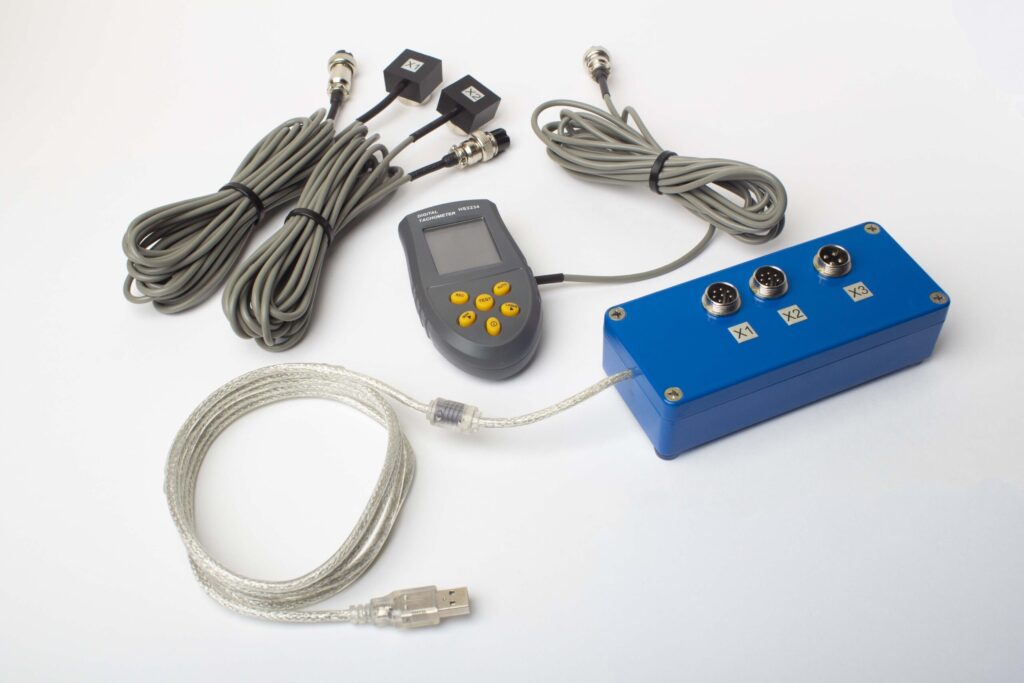
Prenosiva strana svakog poređenja na ovoj stranici isporučuje se jednim instrumentom: Balanset-1A. To je dvokanalski dinamički balancer i analizator vibracija koji balansira krute rotore u njihovim sopstvenim ležajevima, pri radnoj brzini, koristeći metodu od 3 pokretanja sa koeficijentima utjecaja — softver izračuna točnu masu korekcije i kut, uspoređuje sa ISO G-gradom, i sprema ispis za tiskanje. Također funkcija kao samostalan FFT analizator vibracija za dijagnostiku dezosijanosti, labavosti i grešaka ležaja.
Šta se nalazi u kompletu
€1.975 · Kompletan komplet, dostupan, račun sa PDV-om
- Interfejsna mjerna jedinica (USB, 2 kanala)
- Dva akcelerometra za vibracije (4 m kabel, 10 m opciono)
- Laserski tahometar / optički senzor faze (50–500 mm)
- Magnetni stalak za senzor
- Digitalna vaga za probne i korektivne težine
- Windows softver za balansiranje i analizu
- Plastični transportni kofer
Kompletan set
Jedinica · 2 senzora · laserski tahometar · magnetni stalak · digitalna vaga · softver · transportni kofer. Sve što je potrebno da počnete sa balansiranjem iz kutije.
OEM set
Jedinica · 2 senzora · laserski tahometar · softver. Za integratore koji već imaju postolj, vagu i kutiju, ili koji ugrađuju jedinicu u stroj za balansiranje kako bi zamijenili njegovu originalnu elektroniku.
| Parametar | Vrijednost |
|---|---|
| Kanali mjerenja | 2 (jednoplanski i dvoplanski balans) |
| Raspon brzine vibracije | 0.02–80 mm/s RMS |
| Raspon frekvencije | 5–1000 Hz (≤10% greška amplitude iznad 550 Hz) |
| Tačnost mjerenja | ±5% pune skale |
| Metoda | 3-prolazni koeficijent uticaja (1 ili 2 ravni) |
| Analiza | Amplituda i faza na 1×, FFT spektar i talasni oblik, sačuvana izvještaja |
| Laptop | Nije uključeno (Windows PC, dostupno na zahtjev) |
Stvarni slučajevi
Što kupci stvarno trebaju od sustava za balansiranje
Kritički inženjersak pogled na ono što kupci stvarno trebaju nasuprot onoga što proizvođači strojeva za balansiranje obično oglašavaju — sa detaljnim usporedbama.
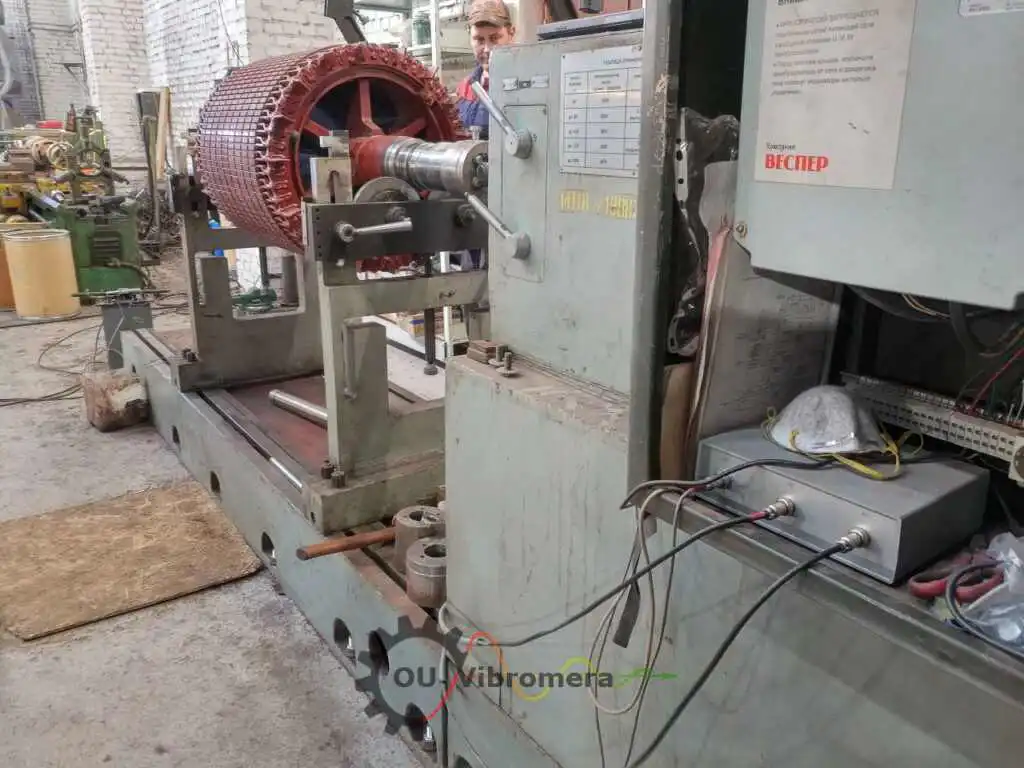
Modernizacija staroga stroja za balansiranje
Zamjena ostarjele elektronike na stroju za balansiranje sa čvrsto oslonjenicima sa sustavom mjerenja Balanset-1A — za dio cijene novoga stroja.
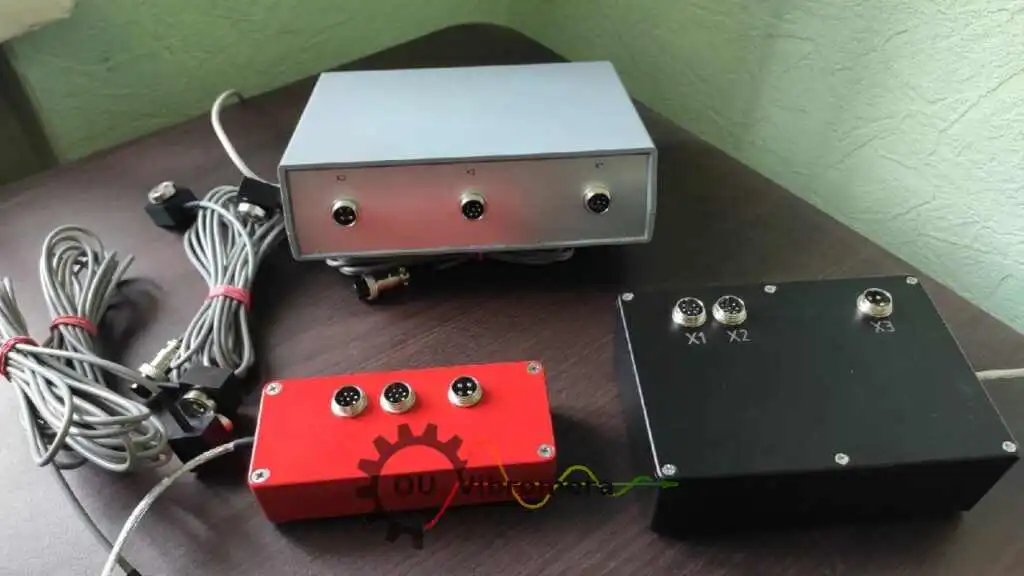
Prenosivi balancer i analizator vibracija
Korištenje Balanset-1A kao prenosivog terenskog balancera i kao samostalnoga analizatora vibracija — na mjestu, pri radnoj brzini.
Besplatni kalkulatori
Stroj za balansiranje naspram prenosivog terenskog balancera — FAQ
Može li prenosivi terenskii balancer postići točnost stacionarnoga stroja za balansiranje?
Kada stacionarni stroj za balansiranje ima ekonomsku smislu?
Je li vrijedilo popraviti stari stroj za balansiranje umjesto kupnje novoga?
Može li se Balanset-1A integrirati u stacionarni stroj za balansiranje?
Koje veličine rotora može prenosivi Balanset-1A rukovati?
Koja metoda daje bolji rezultat za instaliran ventilator ili pumpu koja se ne može ukloniti?
Kako mogu opravdati trošak mobilnog kompleta menadžmentu kada već imamo mašinu za balansiranje?
Znajte koji alat odgovara vašem poslu — pa ga onda ukinite
Ako rotor može raditi pri brzini i vaš tim može pristupiti kućištima ležajeva, Balanset-1A isporučuje dvostepeno ISO 21940-11 balansiranje za manje od sat vremena, na bilo kojem mjestu, za €1.975 kompletno. Ako vodite proizvodnu liniju visokog volumena sa identičnim malim dijelovima, stacionarna mašina zaslužuje svoje mjesto — a Balanset-1A OEM modul i dalje može nadograditi njegov mjerni sistem. Objavite detalje vašeg rotora na forumu i reći ćemo vam iskreno koji je pristup ispravan.

