Understanding Oil Whirl
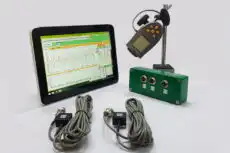

Oil whirl ay isang uri ng self-excited, unstable vibration na nangyayari sa mga makina na may fluid-film (journal) bearings — ang malalaking turbines, compressors at pumps kabilang dito. Ito ay isang anyo ng fluid-induced instability kung saan ang oil film na sumusuporta sa shaft ay nagsisimulang itulak ang shaft sa paligid ng bearing clearance sa forward circular motion. Dahil ang whirling na ito ay nangyayari sa frequency sa ibaba ng machine’s running speed (1×), ito ay sub-synchronous vibration — at dahil ito ay self-excited, hindi na nangangailangan ng external forcing function upang panatilihin ito.
1. Kahulugan: Ano ang Oil Whirl?
Unlike unbalance, na isang synchronous (1×) forced vibration, ang oil whirl ay isang Self-excited vibration: ang enerhiya na nag-drive sa ito ay nagmula sa steady rotation ng shaft mismo, na napasok sa pamamagitan ng bearing oil film. Ang pagkakaiba na ito ay mahalaga sa diagnostics, dahil ang self-excited instabilities ay maaaring biglaan na lumitaw, lumaki nang mabilis, at hindi maaaring “mapabilis” tulad ng paraan na maaaring gawin sa 1× unbalance.
2. Mga Katangian ng Oil Whirl
Ang oil whirl ay may maraming natatanging, identifiable signatures sa vibration data:
- Frequency: ang pinaka-prominent na feature ay isang large-amplitude peak sa isang frequency na bahagdan na mas mababa sa kalahati ng running speed — karaniwang nasa pagitan ng 0.4× at 0.48× (40% hanggang 48% ng shaft speed). Sa isang machine na tumatakbo sa 3000 rpm (50 Hz), ang oil whirl ay lilitaw sa humigit-kumulang 1200–1440 rpm (20–24 Hz).
- Direction: ang vibration ay pangunahing radial (horizontal at vertical) at madalas na strongly directional.
- Orbit plot: nakita sa orbit plot mula sa X–Y proximity probes, oil whirl appears as a large, forward-precessing, often distorted (non-circular) orbit containing a single well-defined internal loop.
- Behaviour: ang oil whirl ay hindi nakaugnay sa isang fixed frequency. Habang tumaas ang machine speed, ang whirl frequency ay sumusubaybay dito, palaging pinapanatili ang characteristic ~0.4×–0.48× ratio ng bagong running speed. Ang speed-tracking na pag-uugali na ito ay ang pangunahing pagkakaiba-iba mula sa isang structural resonance, na nanatili sa isang fixed frequency anuman ang shaft speed.
Ang pagkuha ng mga feature na ito nang malinaw ay nangangailangan ng phase-referenced, multi-channel measurement. Ang isang cascade (waterfall) plot na kinunan sa panahon ng isang run-up or coastdown ay partikular na revealing, dahil ang sub-synchronous peak ay nakikita na sumusunod sa running speed sa halip na nanatili sa parehong lugar.
3. Ang Mekanismo: Paano Nangyayari ang Oil Whirl?
Ang oil whirl ay nagmula sa dynamics ng hydrodynamic oil wedge na sumusuporta sa shaft sa isang journal bearing. Sa normal operation ang rotating shaft ay umaagaw ng oil sa isang wedge-shaped gap, na bumubuo ng isang pressure field na tumatagos at sumusuporta sa shaft. Ang shaft ay hindi nakakaupo sa gitna ng bearing kundi gumagapang nang bahagdan na offset, sa isang attitude angle sa load line.
Ang oil sa loob ng wedge na iyon ay sariling umiikot sa paligid ng bearing sa humigit-kumulang kalahati ng shaft’s surface speed — na eksakto kung bakit ang resulting instability ay lumilitaw na kaunti sa ilalim ng 0.5×. Kung ang bearing ay lightly loaded o may excessive clearance, ang stabilising forces ay humihina. Ang isang maliit na disturbance ay maaaring pagkatapos hayaang maging “captured” ang shaft ng circulating film, na nagsisimulang mag-drive sa ito sa isang circular path sa paligid ng bearing. Ang resulta ay isang self-sustaining vibration na maaaring lumaki sa napakataas na amplitude, madalas na limitado lamang ng bearing clearance mismo — sa puntong iyon ang shaft ay nagsisimulang makipag-contact sa bearing surface.
4. Oil Whip: Ang Mas Malubhang Porma
Kung ang machine ay bumibilis sa puntong kung saan ang oil-whirl frequency (~0.4×–0.48×) ay tumutugma sa isa sa rotor’s natural frequencies — a critical speed — ang condition ay tumataas nang dramatic. Ito ay tinatawag na oil whip, ang violent end-member ng mas malawak na whirl-and-whip family of instabilities.
- Locked frequency: ang vibration ay “naglock sa” ang rotor’s natural frequency at hindi na tumataas habang ang machine ay patuloy na bumibilis pa.
- High amplitude: ang kondisyon ng resonanisya ay nagpapataas ng amplitude nang lubhang mataas.
- Danger: ang oil whip ay isang napakabigat, hindi matatag na kondisyon na maaaring magdulot ng katastropikong pagkabigo, kabilang ang wiper ng bearing at malubhang rotor rub.
5. Mga Karaniwang Dahilan at Solusyon
- Causes: mga bearing na may mababang karga, labis na clearance ng bearing, viscosity ng langis na napakababa, labis na supply pressure ng langis, o isang disenyo ng makina na nagsisiguro na ang critical speed ay humigit-kumulang dalawang beses ang running speed (kaya ang rotor ay umaabot sa critical nito eksaktong kung saan ang whirl frequency ay dumarating).
- Solutions: ang mga remedyo ay naglalayong sirain ang hindi matatag na oil film. Ang mga pagpipilian ay kinabibilangan ng pagtaas ng bearing load, pagwawasto ng oil viscosity, at muling disenyo ng bearing gamit ang anti-whirl geometry — lemon-bore (elliptical), pressure-dam, o multi-lobe at tilting-pad mga disenyo na nagsasama ng symmetric film circulation. Pag-install ng Damper na squeeze-film ay maaaring magdagdag ng stabilizing damping sa ilang mga makina.
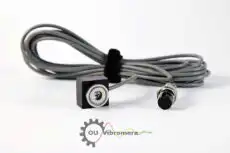
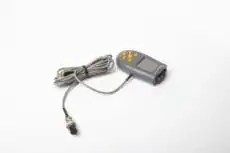
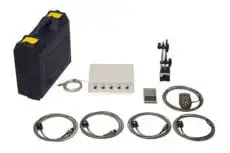
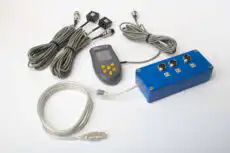
Ang pagpapatunay ng diagnosis sa larangan ay nangangahulugang pagsukat ng sub-synchronous peak at ang phase nito, at pag-aalis ng mga synchronous na sandata — unbalance at misalignment — una. Ang isang portable na two-channel analyzer tulad ng Balanset-1A captures the amplitude and phase across the spectrum ng vibrasyon at nagsusuri kung ang 1× component ay katanggap-tanggap; kung ang residual 1× ay malinis ngunit isang malakas na ~0.45× peak ay patuloy na sumusunod sa bilis, ang problema ay isang fluid-film instability tulad ng oil whirl, hindi isang balance fault — at ang solusyon ay nakasalalay sa bearing, hindi sa correction weights. Ang characteristic instability frequencies ay maaaring i-cross-check gamit ang Journal Bearing (Oil Whirl & Oil Whip) Frequency calculator.

