Sinxron va subsinxron tebranish tushuntiriladi
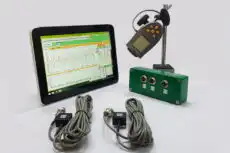


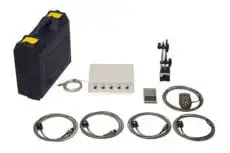


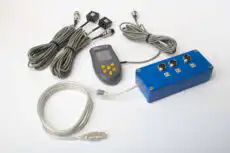
Sinxron tebranish — bu mashina asosiy aylanish tezligining aniq butun son karrali chastotasida yuzaga keladigan har qanday tebranish running speed (1×). U, aytish mumkinki, val aylanishi bilan “sinxron” holda sodir bo'ladi va aylanuvchi mashinalar tebranishlarining eng keng tarqalgan turkumi hisoblanadi. Spektrda pik tebranish spektri sinxronmi yoki yo'qligini aniqlash sub-synchronous, or asynchronous har qanday diagnostikaning birinchi va eng muhim qadamlaridan biridir.
1. Ta'rif: Sinxron tebranish nima?
Tebranish komponenti val tezligini butun son nisbatida kuzatsa, u sinxron hisoblanadi:
- Aylanish tezligiga to'liq mos keladigan (1×) tebranish sinxron hisoblanadi.
- Vibration at twice the running speed (2×), three times (3×), and so on, is also synchronous — these higher orders are the harmonics aylanish tezligidan.
Sinxron pikining asosiy xususiyati shundan iboratki, u mashina bilan birga siljiydi: tezlikni o'zgartiring va pik ham o'sha nisbatda qolishga harakat qilib o'zgaradi. Kundalik mexanik nosozliklarning katta qismi — unbalance, misalignment, a bent shaft, and mexanik bo'shashish — sinxron tebranish sifatida namoyon bo'ladi. Masalan, muvozanatsizlik har doim 1× AYL/min chastotasida ko'rinadi va mashina tezligidagi har qanday o'zgarishni aniq kuzatib boradi, aynan shuning uchun field balancing 1× komponentga qaratilgan.
2. Ta'rif: Sinxron osti tebranish nima?
Sub-sinxron tebranish chastotada yuzaga keladigan har qanday tebranish below asosiy ish tezligidan past (1×dan kam) — “sub-” prefiksi shunchaki “past” degan ma'noni anglatadi. Sezilarli sinxron osti tebranish ko'pincha jiddiy ogohlantirish belgisi hisoblanadi, chunki u odatda o'z-o'zidan qo'zg'aladigan, beqaror rotor-dynamic hodisalar tomonidan, oddiy mexanik yeyilish yoki o'rnatish muammolari orqali emas, balki yuzaga keladi. Ayniqsa muhimi shundaki, sinxron tebranishdan farqli o'laroq, sinxron osti tebranishning ta'sir kuchi rotorning o'z harakati tomonidan hosil qilinadi — bu uning instability.
3. FFT spektrida ularni qanday ajratish mumkin
Bu komponentlarni FFT spektrda ajratish, nimalarga e'tibor berish kerakligini bilgach, unchalik qiyin emas:
- Sinxron cho'qqilar: the 1× RPM peak (running speed) and any peaks sitting on exact integer multiples (2×, 3×, …).
- Sinxronik chastota ostidagi cho'qqilar: chastota o'qida paydo bo'ladigan barcha sezilarli cho'qqilar before the 1× peak — for example at 0.42×–0.48× of running speed, the classic signature of oil whirl.
- Sinxron bo'lmagan cho'qqilar: ish tezligining butun son ko'paytmasiga to'g'ri kelmaydigan cho'qqilar, ko'pincha podshipnik nosozlik chastotalariga yoki tashqi manbalarga bog'liq.
Bu toifalar o'rtasidagi chegara ish tezligiga nisbatan aniqlanadi, shuning uchun tasdiqlangan tezlik ma'lumotnomasiga ega bo'lish muhimdir. O'zgaruvchan tezlikdagi mashina uchun tachometer pulse — or order analysis tahlilchiga 1× chizig'ini aniq belgilash va cho'qqini noto'g'ri yorliqlantirishning oldini olish imkonini beradi.
4. Nega bu farqlash muhimdir
Sinxron va sinxron osti tebranishni ajratish diagnostika uchun asosiy ahamiyatga ega, chunki ikkalasi butunlay boshqa muammolar guruhini — va turli yechimlarni — ko'rsatadi:
- Sinxron muammolar (masalan, muvozanatsizlik) majburiy tebranishlar. Ular odatda mexanik sozlashlar — balanslashtirish yoki tekislash — orqali bartaraf etilishi mumkin va umuman aytganda bashorat qilinishi hamda barqaror bo'lishi mumkin.
- Sinxron ostidagi muammolar are often o'z-o'zidan qo'zg'aladigan tebranishlar yoki beqarorliklar. Ular rotor-podshipnik tizimi ning asosiy konstruksiyasi yoki holatidagi muammoni ko'rsatadi va balanslashtirish orqali tuzatib bo'lmaydi. Bunday holatlar beqaror va juda zararli bo'lishi mumkin. Keng tarqalgan sabablarga yog' aylanishi va oil whip in fluid-film sirt podshipniklariva rotor bilan stator o'rtasidagi rubs.
Shu sababli, yuqori amplitudali subsinxron cho'qqi odatda xuddi shu amplitudadagi sinxron cho'qqiga qaraganda jiddiyroq ogohlantirish holati sifatida baholanadi: birinchisi mashinaning yaxlitligiga tahdid solishi mumkin, ikkinchisi esa odatda texnik xizmat ko'rsatish vazifasi hisoblanadi.
5. Tashxis asosida chora ko'rish
Once the spectrum tells you the dominant energy is synchronous, the path forward is usually correction rather than redesign. A dominant 1× peak points to unbalance and a balancing job; elevated 1× and 2× together, often with axial activity, point to misalignment. In the field this is exactly the territory a two-channel instrument such as the Balanset-1A boshqaradi: u 1× ni o'lchaydi amplitude and phase sinxron muvozanatsizlik javobini belgilaydigan va uni kamaytirish uchun tuzatish og'irliklarini hisoblaydigan. Agar aksincha, tahlil kuchli subsinxron komponent mavjudligini ko'rsatsa, to'g'ri yondashuv — sinov og'irliklariga murojaat qilmasdan — podshipnik bo'shliqlari, moylashtirish va rotorning barqarorligini tekshirishdir.

