ਸਿੰਕ੍ਰੋਨਸ ਅਤੇ ਸਬ-ਸਿੰਕ੍ਰੋਨਸ ਵਾਈਬ੍ਰੇਸ਼ਨ ਦੀ ਵਿਆਖਿਆ

ਸਿੰਕ੍ਰੋਨਸ ਵਾਈਬ੍ਰੇਸ਼ਨ ਕੋਈ ਵੀ ਵਾਈਬ੍ਰੇਸ਼ਨ ਹੈ ਜੋ ਕਿਸੇ ਅਜਿਹੀ ਫ੍ਰੀਕੁਐਂਸੀ 'ਤੇ ਹੁੰਦੀ ਹੈ ਜੋ ਮਸ਼ੀਨ ਦੀ ਪ੍ਰਾਇਮਰੀ ਚੱਲਣ ਦੀ ਗਤੀ (1×) ਦਾ ਬਿਲਕੁਲ ਪੂਰਨ-ਅੰਕ ਗੁਣਜ ਹੁੰਦੀ ਹੈ। ਇਹ, ਸ਼ਾਬਦਿਕ ਤੌਰ 'ਤੇ, ਸ਼ਾਫਟ ਦੇ ਘੁੰਮਣ ਨਾਲ “ਸਿੰਕ ਵਿੱਚ” ਹੁੰਦੀ ਹੈ, ਅਤੇ ਇਹ ਘੁੰਮਣ ਵਾਲੀ ਮਸ਼ੀਨਰੀ ਵਿੱਚ ਪਾਈ ਜਾਣ ਵਾਲੀ ਵਾਈਬ੍ਰੇਸ਼ਨ ਦੀ ਸਭ ਤੋਂ ਆਮ ਸ਼੍ਰੇਣੀ ਹੈ। ਇਹ ਪਛਾਣਨਾ ਕਿ ਕੀ ਕਿਸੇ ਵਾਈਬ੍ਰੇਸ਼ਨ ਸਪੈਕਟ੍ਰਮ 'ਤੇ ਭਰੋਸਾ ਕਰਨ ਲਈ ਬੁਨਿਆਦੀ ਹੈ ਵਿੱਚ ਇੱਕ ਪੀਕ ਸਿੰਕ੍ਰੋਨਸ ਹੈ, ਸਬ-ਸਿੰਕ੍ਰੋਨਸ, ਜਾਂ ਅਸਿੰਕ੍ਰੋਨਸ ਕਿਸੇ ਵੀ ਨਿਦਾਨ (diagnosis) ਦੇ ਪਹਿਲੇ ਅਤੇ ਸਭ ਤੋਂ ਸ਼ਕਤੀਸ਼ਾਲੀ ਕਦਮਾਂ ਵਿੱਚੋਂ ਇੱਕ ਹੈ।
1. ਪਰਿਭਾਸ਼ਾ: ਸਿੰਕ੍ਰੋਨਸ ਵਾਈਬ੍ਰੇਸ਼ਨ ਕੀ ਹੈ?
ਵਾਈਬ੍ਰੇਸ਼ਨ ਦਾ ਇੱਕ ਹਿੱਸਾ ਸਿੰਕ੍ਰੋਨਸ ਹੁੰਦਾ ਹੈ ਜਦੋਂ ਇਸਦੀ ਫ੍ਰੀਕੁਐਂਸੀ ਸ਼ਾਫਟ ਦੀ ਸਪੀਡ ਨੂੰ ਇੱਕ ਪੂਰਨ-ਅੰਕ ਅਨੁਪਾਤ 'ਤੇ ਟਰੈਕ ਕਰਦੀ ਹੈ:
- ਬਿਲਕੁਲ ਚੱਲਣ ਦੀ ਸਪੀਡ (1×) 'ਤੇ ਵਾਈਬ੍ਰੇਸ਼ਨ ਸਿੰਕ੍ਰੋਨਸ ਹੁੰਦੀ ਹੈ।
- ਚੱਲਣ ਦੀ ਸਪੀਡ ਦੇ ਦੁੱਗਣੇ (2×), ਤਿੰਨ ਗੁਣਾ (3×), ਅਤੇ ਇਸ ਤਰ੍ਹਾਂ ਹੋਰ 'ਤੇ ਵਾਈਬ੍ਰੇਸ਼ਨ ਵੀ ਸਿੰਕ੍ਰੋਨਸ ਹੁੰਦੀ ਹੈ — ਇਹ ਉੱਚ ਆਰਡਰ ਹਾਰਮੋਨਿਕਸ ਚੱਲਣ ਦੀ ਗਤੀ ਦਾ।
ਪਰਿਭਾਸ਼ਿਤ ਵਿਵਹਾਰ ਇਹ ਹੈ ਕਿ ਇੱਕ ਸਿੰਕ੍ਰੋਨਸ ਪੀਕ ਮਸ਼ੀਨ ਨਾਲ ਚੱਲਦਾ ਹੈ: ਸਪੀਡ ਬਦਲੋ ਅਤੇ ਪੀਕ ਉਸੇ ਗੁਣਜ 'ਤੇ ਲਾਕ ਰਹਿਣ ਲਈ ਸ਼ਿਫਟ ਹੋ ਜਾਂਦਾ ਹੈ। ਜ਼ਿਆਦਾਤਰ ਆਮ ਮਕੈਨੀਕਲ ਨੁਕਸ — ਅਸੰਤੁਲਨ, ਮਿਸਅਲਾਈਨਮੈਂਟ, ਇੱਕ ਝੁਕਿਆ ਹੋਇਆ ਸ਼ਾਫਟ, ਅਤੇ ਮਕੈਨੀਕਲ ਢਿੱਲਾਪਣ — ਸਾਰੇ ਸਿੰਕ੍ਰੋਨਸ ਵਾਈਬ੍ਰੇਸ਼ਨ ਦੇ ਰੂਪ ਵਿੱਚ ਪ੍ਰਗਟ ਹੁੰਦੇ ਹਨ। ਉਦਾਹਰਨ ਲਈ, ਅਨਬੈਲੈਂਸ ਹਮੇਸ਼ਾ 1× RPM 'ਤੇ ਦਿਖਾਈ ਦਿੰਦਾ ਹੈ ਅਤੇ ਮਸ਼ੀਨ ਦੀ ਸਪੀਡ ਵਿੱਚ ਕਿਸੇ ਵੀ ਬਦਲਾਅ ਨੂੰ ਬਿਲਕੁਲ ਟਰੈਕ ਕਰਦਾ ਹੈ, ਜਿਸ ਕਾਰਨ ਹੀ ਸਾਈਟ ਬੈਲੇਂਸਿੰਗ (ਫੀਲਡ ਬੈਲੇਂਸਿੰਗ) 1× ਕੰਪੋਨੈਂਟ ਨੂੰ ਟਾਰਗੇਟ ਕਰਦਾ ਹੈ।
2. ਪਰਿਭਾਸ਼ਾ: ਸਬ-ਸਿੰਕ੍ਰੋਨਸ ਵਾਈਬ੍ਰੇਸ਼ਨ ਕੀ ਹੈ?
ਸਬ-ਸਿੰਕ੍ਰੋਨਸ ਵਾਈਬ੍ਰੇਸ਼ਨ ਕੋਈ ਵੀ ਵਾਈਬ੍ਰੇਸ਼ਨ ਹੈ ਜੋ ਕਿਸੇ ਫ੍ਰੀਕੁਐਂਸੀ 'ਤੇ ਹੁੰਦੀ ਹੈ ਹੇਠਾਂ ਮੁੱਖ ਚੱਲਣ ਦੀ ਸਪੀਡ (1× ਤੋਂ ਘੱਟ) ਤੋਂ — ਅਗੇਤਰ “sub-” ਦਾ ਸਿੱਧਾ ਮਤਲਬ “ਹੇਠਾਂ” ਹੈ। ਮਹੱਤਵਪੂਰਨ ਸਬ-ਸਿੰਕ੍ਰੋਨਸ ਵਾਈਬ੍ਰੇਸ਼ਨ ਅਕਸਰ ਇੱਕ ਗੰਭੀਰ ਚੇਤਾਵਨੀ ਸੰਕੇਤ ਹੁੰਦੀ ਹੈ, ਕਿਉਂਕਿ ਇਹ ਆਮ ਤੌਰ 'ਤੇ ਸਵੈ-ਉਤੇਜਿਤ, ਅਸਥਿਰ ਰੋਟਰ-ਡਾਇਨਾਮਿਕ ਵਰਤਾਰਿਆਂ ਦੁਆਰਾ ਪੈਦਾ ਹੁੰਦੀ ਹੈ, ਨਾ ਕਿ ਆਮ ਮਕੈਨੀਕਲ ਘਿਸਾਵ ਜਾਂ ਫਿਟ ਸਮੱਸਿਆਵਾਂ ਦੁਆਰਾ। ਖਾਸ ਤੌਰ 'ਤੇ, ਸਿੰਕ੍ਰੋਨਸ ਵਾਈਬ੍ਰੇਸ਼ਨ ਦੇ ਉਲਟ, ਸਬ-ਸਿੰਕ੍ਰੋਨਸ ਵਾਈਬ੍ਰੇਸ਼ਨ ਲਈ ਬਲ ਲਗਾਉਣ ਵਾਲਾ ਕਾਰਕ ਖੁਦ ਰੋਟਰ ਦੀ ਗਤੀ ਦੁਆਰਾ ਪੈਦਾ ਹੁੰਦਾ ਹੈ, ਜੋ ਇਸਨੂੰ ਵਧ ਕੇ ਬਣਨ ਦੇ ਸਮਰੱਥ ਬਣਾਉਂਦਾ ਹੈ ਇੱਕ ਅਸਥਿਰਤਾ.
3. FFT ਸਪੈਕਟ੍ਰਮ ਵਿੱਚ ਇਹਨਾਂ ਨੂੰ ਕਿਵੇਂ ਵੱਖ ਕਰੀਏ
ਇਹਨਾਂ ਕੰਪੋਨੈਂਟਾਂ ਨੂੰ ਇੱਕ FFT ਸਪੈਕਟ੍ਰਮ ਵਿੱਚ ਵੱਖ ਕਰਨਾ ਸਿੱਧਾ ਹੈ, ਬਸ ਇਹ ਪਤਾ ਹੋਣਾ ਚਾਹੀਦਾ ਹੈ ਕਿ ਕੀ ਲੱਭਣਾ ਹੈ:
- ਸਿੰਕ੍ਰੋਨਸ ਪੀਕ: 1× RPM ਪੀਕ (ਚੱਲਣ ਦੀ ਸਪੀਡ) ਅਤੇ ਕੋਈ ਵੀ ਪੀਕ ਜੋ ਬਿਲਕੁਲ ਪੂਰਨ-ਅੰਕ ਗੁਣਜਾਂ (2×, 3×, …) 'ਤੇ ਸਥਿਤ ਹਨ।
- ਸਬ-ਸਿੰਕ੍ਰੋਨਸ ਪੀਕ: ਕੋਈ ਵੀ ਮਹੱਤਵਪੂਰਨ ਪੀਕ ਜੋ ਫ੍ਰੀਕੁਐਂਸੀ ਧੁਰੇ 'ਤੇ ਦਿਖਾਈ ਦਿੰਦੇ ਹਨ ਪਹਿਲਾਂ 1× ਪੀਕ ਤੋਂ — ਉਦਾਹਰਨ ਲਈ ਚੱਲਣ ਦੀ ਸਪੀਡ ਦੇ 0.42×–0.48× 'ਤੇ, ਜੋ ਕਿ ਦੀ ਕਲਾਸਿਕ ਨਿਸ਼ਾਨੀ ਹੈ ਤੇਲ ਭੌਂਰੀ (oil whirl).
- ਨਾਨ-ਸਿੰਕ੍ਰੋਨਸ ਪੀਕ: ਪੀਕ ਜੋ ਚੱਲਣ ਦੀ ਸਪੀਡ ਦਾ ਪੂਰਨ-ਅੰਕ ਗੁਣਜ ਨਹੀਂ ਹਨ, ਅਕਸਰ ਇਹਨਾਂ ਨਾਲ ਜੁੜੇ ਹੁੰਦੇ ਹਨ ਬੇਅਰਿੰਗ ਫਾਲਟ ਫ੍ਰੀਕੁਐਂਸੀਆਂ ਜਾਂ ਬਾਹਰੀ ਸਰੋਤਾਂ ਨਾਲ।
ਕਿਉਂਕਿ ਇਹਨਾਂ ਸ਼੍ਰੇਣੀਆਂ ਵਿਚਕਾਰ ਸੀਮਾ ਚੱਲਣ ਦੀ ਸਪੀਡ ਦੇ ਸਾਪੇਖ ਪਰਿਭਾਸ਼ਿਤ ਹੁੰਦੀ ਹੈ, ਇਸ ਲਈ ਇੱਕ ਪੁਸ਼ਟੀ ਕੀਤਾ ਸਪੀਡ ਸੰਦਰਭ ਜ਼ਰੂਰੀ ਹੈ। ਇੱਕ ਟੈਕੋਮੀਟਰ ਪਲਸ — ਜਾਂ ਆਰਡਰ ਵਿਸ਼ਲੇਸ਼ਣ ਵੇਰੀਏਬਲ-ਸਪੀਡ ਮਸ਼ੀਨ 'ਤੇ — ਵਿਸ਼ਲੇਸ਼ਕ ਨੂੰ 1× ਲਾਈਨ ਨੂੰ ਬਿਲਕੁਲ ਪਿੰਨ ਕਰਨ ਅਤੇ ਪੀਕ ਨੂੰ ਗਲਤ ਲੇਬਲ ਕਰਨ ਤੋਂ ਬਚਣ ਦਿੰਦੀ ਹੈ।
4. ਇਹ ਫ਼ਰਕ ਮਹੱਤਵਪੂਰਨ ਕਿਉਂ ਹੈ
ਸਿੰਕ੍ਰੋਨਸ ਨੂੰ ਸਬ-ਸਿੰਕ੍ਰੋਨਸ ਵਾਈਬ੍ਰੇਸ਼ਨ ਤੋਂ ਵੱਖ ਕਰਨਾ ਨਿਦਾਨ ਲਈ ਬੁਨਿਆਦੀ ਹੈ ਕਿਉਂਕਿ ਦੋਵੇਂ ਪੂਰੀ ਤਰ੍ਹਾਂ ਵੱਖ-ਵੱਖ ਸਮੱਸਿਆਵਾਂ ਦੇ ਪਰਿਵਾਰਾਂ ਵੱਲ ਇਸ਼ਾਰਾ ਕਰਦੇ ਹਨ — ਅਤੇ ਵੱਖ-ਵੱਖ ਹੱਲਾਂ ਵੱਲ:
- ਸਿੰਕ੍ਰੋਨਸ ਸਮੱਸਿਆਵਾਂ (ਜਿਵੇਂ ਕਿ ਅਨਬੈਲੈਂਸ) ਹਨ ਬਲਪੂਰਵਕ (forced) ਵਾਈਬ੍ਰੇਸ਼ਨ। ਇਹਨਾਂ ਨੂੰ ਆਮ ਤੌਰ 'ਤੇ ਮਕੈਨੀਕਲ ਸੁਧਾਰਾਂ — ਬੈਲੈਂਸਿੰਗ ਜਾਂ ਅਲਾਈਨਮੈਂਟ — ਨਾਲ ਠੀਕ ਕੀਤਾ ਜਾ ਸਕਦਾ ਹੈ, ਅਤੇ ਇਹ ਆਮ ਤੌਰ 'ਤੇ ਪੂਰਵ-ਅਨੁਮਾਨਯੋਗ ਅਤੇ ਸਥਿਰ ਹੁੰਦੇ ਹਨ।
- ਸਬ-ਸਿੰਕ੍ਰੋਨਸ ਸਮੱਸਿਆਵਾਂ ਅਕਸਰ ਹੁੰਦੇ ਹਨ ਸਵੈ-ਉਤੇਜਿਤ ਵਾਈਬ੍ਰੇਸ਼ਨ ਜਾਂ ਅਸਥਿਰਤਾਵਾਂ। ਇਹ ਦੇ ਬੁਨਿਆਦੀ ਡਿਜ਼ਾਈਨ ਜਾਂ ਸਥਿਤੀ ਵਿੱਚ ਕਿਸੇ ਸਮੱਸਿਆ ਵੱਲ ਇਸ਼ਾਰਾ ਕਰਦੇ ਹਨ ਰੋਟਰ-ਬੇਅਰਿੰਗ ਸਿਸਟਮ ਅਤੇ ਬੈਲੈਂਸਿੰਗ ਨਾਲ ਠੀਕ ਨਹੀਂ ਕੀਤੇ ਜਾ ਸਕਦੇ। ਅਜਿਹੀਆਂ ਸਥਿਤੀਆਂ ਅਸਥਿਰ ਅਤੇ ਬਹੁਤ ਵਿਨਾਸ਼ਕਾਰੀ ਹੋ ਸਕਦੀਆਂ ਹਨ। ਆਮ ਕਾਰਨਾਂ ਵਿੱਚ ਆਇਲ ਵ੍ਹਰਲ (oil whirl) ਅਤੇ ਆਇਲ ਵਿਪ ਫਲੁਇਡ-ਫਿਲਮ ਵਿੱਚ ਜਰਨਲ ਬੇਅਰਿੰਗਾਂ, ਅਤੇ ਰੋਟਰ-ਟੂ-ਸਟੇਟਰ ਰਗੜ.
ਇਸ ਕਾਰਨ, ਇੱਕ ਉੱਚ-ਐਂਪਲੀਟਿਊਡ ਸਬ-ਸਿੰਕ੍ਰੋਨਸ ਪੀਕ ਨੂੰ ਆਮ ਤੌਰ 'ਤੇ ਉਸੇ ਐਂਪਲੀਟਿਊਡ ਦੇ ਸਿੰਕ੍ਰੋਨਸ ਪੀਕ ਨਾਲੋਂ ਇੱਕ ਜ਼ਿਆਦਾ ਗੰਭੀਰ ਅਲਾਰਮ ਸਥਿਤੀ ਮੰਨਿਆ ਜਾਂਦਾ ਹੈ: ਪਹਿਲਾ ਮਸ਼ੀਨ ਦੀ ਇਕਸਾਰਤਾ ਨੂੰ ਖ਼ਤਰੇ ਵਿੱਚ ਪਾ ਸਕਦਾ ਹੈ, ਜਦੋਂ ਕਿ ਦੂਜਾ ਆਮ ਤੌਰ 'ਤੇ ਇੱਕ ਮੇਨਟੇਨੈਂਸ ਕੰਮ ਹੁੰਦਾ ਹੈ।
5. ਨਿਦਾਨ 'ਤੇ ਕਾਰਵਾਈ ਕਰਨਾ
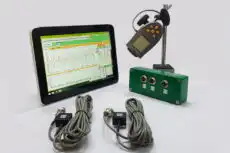
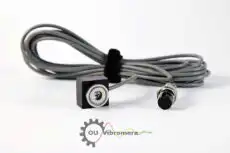
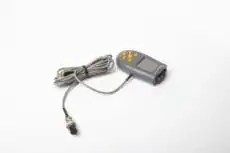
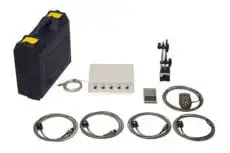
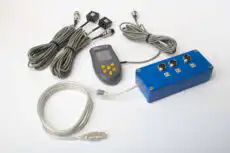
ਇੱਕ ਵਾਰ ਜਦੋਂ ਸਪੈਕਟ੍ਰਮ ਦੱਸਦਾ ਹੈ ਕਿ ਪ੍ਰਮੁੱਖ ਊਰਜਾ ਸਿੰਕ੍ਰੋਨਸ ਹੈ, ਤਾਂ ਅੱਗੇ ਦਾ ਰਸਤਾ ਆਮ ਤੌਰ 'ਤੇ ਰੀਡਿਜ਼ਾਈਨ ਦੀ ਬਜਾਏ ਸੁਧਾਰ ਹੁੰਦਾ ਹੈ। ਇੱਕ ਪ੍ਰਮੁੱਖ 1× ਪੀਕ ਅਨਬੈਲੈਂਸ ਅਤੇ ਬੈਲੈਂਸਿੰਗ ਦੇ ਕੰਮ ਵੱਲ ਇਸ਼ਾਰਾ ਕਰਦਾ ਹੈ; 1× ਅਤੇ 2× ਦੋਵਾਂ ਦਾ ਵਧਣਾ, ਅਕਸਰ ਧੁਰੀ (axial) ਗਤੀਵਿਧੀ ਦੇ ਨਾਲ, ਮਿਸਅਲਾਈਨਮੈਂਟ ਵੱਲ ਇਸ਼ਾਰਾ ਕਰਦਾ ਹੈ। ਫੀਲਡ ਵਿੱਚ ਇਹ ਬਿਲਕੁਲ ਉਹ ਖੇਤਰ ਹੈ ਜਿੱਥੇ ਇੱਕ ਦੋ-ਚੈਨਲ ਯੰਤਰ ਜਿਵੇਂ ਕਿ Balanset-1A ਸੰਭਾਲਦਾ ਹੈ: ਇਹ 1× ਐਂਪਲੀਟਿਊਡ (ਆਯਾਮ) ਅਤੇ ਫੇਜ਼ ਨੂੰ ਮਾਪਦਾ ਹੈ ਜੋ ਇੱਕ ਸਿੰਕ੍ਰੋਨਸ ਅਨਬੈਲੈਂਸ ਰਿਸਪਾਂਸ ਨੂੰ ਪਰਿਭਾਸ਼ਿਤ ਕਰਦੇ ਹਨ ਅਤੇ ਇਸਨੂੰ ਘਟਾਉਣ ਲਈ ਸੁਧਾਰ ਵਜ਼ਨ (correction weights) ਦੀ ਗਣਨਾ ਕਰਦਾ ਹੈ। ਜੇਕਰ, ਇਸ ਦੇ ਉਲਟ, ਵਿਸ਼ਲੇਸ਼ਣ ਇੱਕ ਮਜ਼ਬੂਤ ਸਬ-ਸਿੰਕ੍ਰੋਨਸ ਕੰਪੋਨੈਂਟ ਦਾ ਖੁਲਾਸਾ ਕਰਦਾ ਹੈ, ਤਾਂ ਸਹੀ ਜਵਾਬ ਬੇਅਰਿੰਗ ਕਲੀਅਰੈਂਸਾਂ, ਲੁਬਰੀਕੇਸ਼ਨ ਅਤੇ ਰੋਟਰ ਸਥਿਰਤਾ ਦੀ ਜਾਂਚ ਕਰਨਾ ਹੈ — ਟਰਾਇਲ ਵਜ਼ਨ ਲਈ ਨਹੀਂ।

