Balanslaşdırma maşın istehsalçıları üçün müştəri tələblərinin əsaslılığına dair iki qeyd
Giriş
Axırın bir il yarıda şirkətimiz müxtəlif tipli balanslaşdıran maşınlar satın alınması ilə bağlı 30-dan çox sorğu almışdır. Bu sorğulara əlavə edilən Texniki Xüsusiyyətlərin təhlili göstərir ki, əksəriyyəti maşınların istehsal müddətlərinə və xərçlərinə əhəmiyyətli dərəcədə təsir edən və potensial təchizatçıların siyahısını azaldan bir sıra xarakteristikasını ehtiva edir. Bunların arasında iki tələb fərqlənir:
- Müəyyən bir qalıq balanssızlıq təmin etmə tələbi, o, 0,1 q*mm/kq (µm) -dən çox olmamalıdır.
- Tarazlama maşınının Ölçmə Alətlərinin Qeydiyyatına daxil edilməsi tələbi.
Let’s analyze the reasonableness and feasibility of implementing these requirements from the perspective of a real consumer.
1. Maşın üçün dəqiqlik tələblərinin təhlili
We will verify the validity of the customer’s accuracy requirements using a Technical Specification for a balancing machine designed to balance rotors of electric motors, turbo units, and compressors weighing between 10 and 1500 kg. The specification sets a tolerance for specific residual imbalance that, according to the customer, should not exceed 0.1 g*mm/kg.
Bu tələbi yoxlamaq üçün biz ISO 1940-1 "Mexaniki vibrasiya – Rotorlar üçün balans keyfiyyəti tələbləri" cədvəlindən istifadə edirik. Bu cədvəlin tövsiyyələrinə əsasən, sifariş edilən maşının təmin etməsi lazım olan elektrik motorlarının, turbo blokların və kompressorların balans dəqiqliyi, rotorlar G2.5 keyfiyyət dərəcə. Balanslaşdırılan rotorun gözlənilən işçi fırlanma tezliyinin, məsələn, 200 Hz olduğunu qəbul etsək (bu, çox böyük ehtiyatla əksər məlum maşınların fırlanma tezliklərini əhatə edir), standartdakı 5 nömrəli düsturdan istifadə edərək statik (bir müstəvili) balanslaşdırma üçün yol verilən qalıq xüsusi balanssızlığı asanlıqla hesablaya bilərik: eper = 2500 / (6.28 * 200) = 1.99 q*mm/kq.
Eyni ISO 1940-1 standartının tövsiyələrini nəzərə alaraq (bu gün onun yerini ISO 21940-11 tərəfindən əvəz edilmişdir), 7-ci bölmədə göstərilən dinamik balanslaşdırma zamanı iki-dəstəkli asimmetrik rotor üçün icazə verilən qiymət ən azı 0,3 * eper olmalı, bu, bizim halda 0,6 q*mm/kq olacaq, ilkin Texniki Xüsusiyyətdə tələb edilən 0,1 q*mm/kq deyil. Bu icazə verilən balanslaşdıran tolerantlıq iki düzəliş müstəvisi arasında paylanması bizim Qalıq balanssızlıq kalkulyatoru (ISO 21940-11).
Başqa sözlə, təhlilimiz göstərir ki, bu Texniki Şərtnamədə (və bir çox oxşar sənəddə) balanslama maşınının dəqiqliyi üçün qoyulan tələblər açıq-aydın həddən artıqdır. Bu həddən artıq tələblərin praktik tətbiqi istehsalçını adətən son dərəcə yüksək dəqiqliyə malik maşınların istehsalında ortaya çıxan ciddi dizayn və texnoloji vəzifələri həll etməyə məcbur edir ki, bu da şübhəsiz maşınların qiymətinə və istehsal müddətinə təsir göstərir. Üstəlik, bu tələblər hər zaman texniki cəhətdən mümkün olmur.
Həmçinin qeyd etmək vacibdir ki, belə yüksək dəqiqlikli maşınların effektiv istismarı potensial müştəridən bir sıra əlavə şərtlərin yerinə yetirilməsini tələb edə bilər; məsələn, termostabil və təmiz otaqların, vibrasiya izolyasiyalı bünövrələrin və s. yaradılması. Bunların yaradılma xərcləri hətta maşının alınmasına çəkilən xərcləri də ötə bilər. Müştəri nümayəndəsinin (yuxarıda qeyd olunan Texniki Şərtin müəllifinin) bu tələbin yerinə yetirilməsinin maşında əhəmiyyətli dərəcədə daha aşağı qalıq disbalans əldə etməyə, faktiki olaraq G0.4 dərəcəsinə uyğun nəticəyə imkan verdiyi ilə bağlı mümkün etirazına cavab olaraq, onlara ISO 1940-1 tətbiq edilməzdən əvvəl qüvvədə olmuş GOST 22061-76 “Machines and technological equipment. System of balancing quality grades. Basic provisions” (müasir beynəlxalq qarşılığı ISO 21940-11-dir, əvvəllər ISO 1940-1) standartının tövsiyələri ilə tanış olmaq tövsiyə oluna bilər.
Bu standartın 3-cü bölməsi, Sovet İttifaqının balanslaşdırma sahəsindəki ən yaxşı mütəxəssislər tərəfindən hazırlanıb və aşağıdakını məntiqli şəkildə bildirir:
- 1-ci balans keyfiyyəti dərəcəsinə aid məhsulların rotorları (ISO 1940-1-ə görə G0.4 dərəcəsi) bütün iş şəraitlərində öz ötürücüsündən istifadə edilməklə öz korpusu daxilində və öz rulmanlarında balanslaşdırılmalıdır.
- İkinci balanslaşdırma keyfiyyət dərəcəsinə (G1.0 dərəcəsi) aid məhsulların rotorları öz rulmanlarında və ya öz korpusunda balanslaşdırılmalıdır, əgər öz sürücüsü mövcud deyilsə, xüsusi sürücü ilə.
- 3-cü-dən 11-ci-yə qədər balanslaşdırma keyfiyyət siniflərinə (G2.5-dən G4000-ə qədər) aid məhsulların rotorları hissə və ya yığma vahidləri kimi balanslaşdırıla bilər.
Bu tövsiyələrin mahiyyəti ondadır ki, balanslaşdırma maşınında G0.4 və G1.0 keyfiyyət dərəcələrini tarazlamağa çalışmaq çox vaxt texniki və iqtisadi baxımdan mənasızdır. Rotorları maşına quraşdırdıqdan sonra əldə olunan dəqiqlik itir, onu bərpa etmək üçün rotor yığmasının (öz rulmanlarında və öz sürücüsü ilə) əlavə yenidən balanslaşdırılması tələb olunur ki, bu da portativ vibrasiya balanslaşdırma avadanlığı ilə həyata keçirilir.
Bu tezisin əyani nümunəsi kimi yüksək dəqiqlikli silindrik cilalama dəzgahında (dəqiqlik sinfi “C”) istifadə üçün nəzərdə tutulmuş cilalama daşının balanslaşdırılmasını götürə bilərik. ISO 1940-1-in yuxarıda qeyd olunan Cədvəl 1 tələblərinə əsasən, cilalama daşının balans keyfiyyəti ən azı G0.4 dərəcəsinə uyğun olmalıdır. Nəzərə alsaq ki, iş zamanı cilalama daşının gözlənilən fırlanma tezliyi 6000 rpm (100 Hz) olacaq, ISO 1940-1-in məlum 7-ci düsturundan istifadə etməklə icazə verilən xüsusi qalıq disbalansı eper müəyyən edirik; bu dəyər 0.64 g*mm/kg olacaq.
Başqa sözlə, balanslaşdırma maşınında bu tolerantlığı təmin etməklə balanslaşdırma aparıldıqdan sonra, dəyirmi daşın kütlə mərkəzinin texnoloji oxa (balanslaşdırma maşınının patron oxu) nəzərən yerdəyişməsi 0,64 mkm-dən çox olmamalıdır. GOST 11654-90 milli standartına uyğun olaraq “C” sinifli dəyirmanlama dəzgahının şpindelinin yol verilən radial döngüsü 2 mkm olduğundan, dəyirmi daşımızı ona quraşdırdıqdan sonra (dəyirmi daşın bazasının texnoloji oxdan işçi oxa dəyişdirilməsi), qalıq xüsusi balanssızlıq əhəmiyyətli dərəcədə arta bilər və ISO 1940-1 tərəfindən tövsiyə olunan tolerantlığı ən azı üç dəfə üstələyə bilər. Bu və buna bənzər digər hallarda, əvvəl qeyd edildiyi kimi, montaj mərhələsində yaranan xətaları kompensasiya etmək üçün əlavə balanslaşdırma tələb olunur.
Yuxarıdakı məlumat bizə imkan verir ki, əksər hallarda orta və ağır tipli balanslama maşınları üçün dəqiqlik tələbi 0,5 g*mm/kg və ya hətta 1,0 g*mm/kg səviyyəsində qala bilər. Bu tövsiyənin praktikada tətbiqi istehsalçının maşının istehsal mürəkkəbliliyini və xərclərini əhəmiyyətli dərəcədə azaltmağa imkan verir, müştəri isə (rasional texnoloji proses tətbiq olunduğu təqdirdə) tələb olunan balanslama dəqiqliyinə nail ola bilər. Bu qaydanın əsas istisnası, məsələn, gyroskop rotorlarının, avtomobil turba kompressorlarının və s. balanslaşdırılması üçün istifadə olunan kiçik ixtisaslaşmış balanslaşdırma maşınları ola bilər. Bu maşınların dizayn xüsusiyyətləri 0,1 g*mm/kg və ya daha aşağı qalıq spesifik balanssızlıq səviyyəsinə çatmağa imkan verir ki, bu da texniki cəhətdən əsaslandırılmış və iqtisadi cəhətdən məqsədəuyğundur.
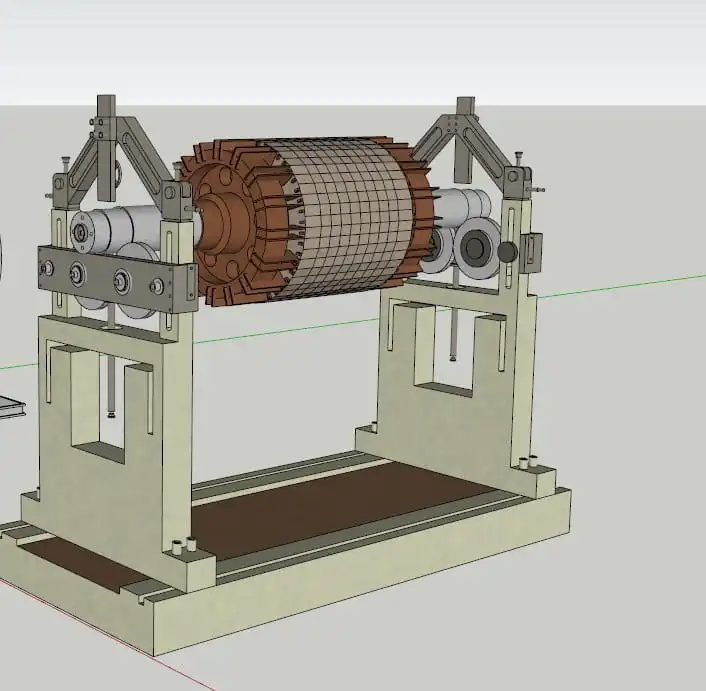
2. Ölçü alətlərinin reyestrinə balanslama maşınlarının daxil edilməsinin zəruriliyi
In recent years, an astonishing discovery has been made in our country that could confound the “departed in peace” specialists from ENIMS**, who developed the classifier of metal-cutting machines. With someone’s “light hand,” a completely new type of equipment has appeared on the machine market – “Vibration Measurement Balancing Machines,” which must have a Certificate from the Russian State Standard and the corresponding marking.*)
And all would be well, but it suddenly turned out that “advanced” customers began to include in their Technical Specifications a mandatory requirement for the inclusion of balancing machines in the Register of Measuring Instruments. Let us try to understand how legally and technically justified this requirement is, as well as its economic feasibility.
To begin with, it is useful to understand how this requirement relates to the recommendations of existing regulatory documents. Let’s start with ISO 8-82 “Metal-Cutting Machines. General Requirements for Accuracy Testing.” This standard establishes the basic concepts and principles of machine classification by accuracy, general requirements for accuracy testing, and general requirements for accuracy verification methods. It is important to note that the references to procedures for evaluating the qualitative characteristics of machines in this standard use only the term “verification” and there is no mention of the need to include machines in the Register of Measuring Instruments and, accordingly, the need for their “calibration.”
Diqqət yetirilməli növbəti sənəd ISO 21940-21-dir (əvvəllər ISO 2953) “Mechanical vibration – Rotor balancing – Part 21: Description and evaluation of balancing machines.” Balanslaşdırma maşınlarının texniki xarakteristikalarına və onların “yoxlanması” üsullarına konkret tələblər qoyan bu standartda da maşınların kalibrlənməsi və Ölçü Alətləri Reyestrinə daxil edilməsi zərurətini nəzərdə tutan tələblər yoxdur. Bununla əlaqədar qeyd edilməlidir ki, kalibrləmə ilə bağlı tələblər cilalama dəzgahları və CNC dəzgahları üçün ISO kimi digər dəzgah növlərinin standartlarında da yoxdur; bunlar da müxtəlif ölçmə sistemlərini özündə birləşdirə bilər.
Üstəlik, xarici balanslama maşınlarının məlum bütün modellərinin texniki sənədlərində oxşar tələblər mövcud deyil ki, bu da bizim fikrimizcə, vacib bir presedentdir. Yuxarıda təqdim olunan arqumentlərə əsaslanaraq, aşağıdakı nəticələr çıxarmaq olar:
- Existing regulatory and technical documents developed for machine tools and, in particular, for balancing machines, do not include requirements for their inclusion in the Register of Measuring Instruments and, accordingly, the need for their calibration. As a result, the inclusion of such requirements in Technical Specifications during competitive procurement procedures “de facto” significantly increases the production costs of machines and the expenses for their subsequent operation and, as it seems to us, “de jure” violates the rights of bona fide machine manufacturers who follow the letter and spirit of existing regulatory documents.
- Ölçmə sisteminin rutin sınaqları balanslaşdırma maşınının tərkib hissəsi kimi ISO 21940-21-in (əvvəllər ISO 2953) tələbləri və tövsiyələrinə uyğun aparıla bilər və aparılmalıdır; bu, yoxlamalarda etalon rotordan, sınaq çəkiləri dəstindən və kalibrlənmiş tərəzilərdən istifadəni nəzərdə tutur. Bu sınaqlara mütləq aşağıdakı yoxlama növləri daxil edilməlidir:
- Minimum əldə edilə bilən qalıq tarazsızlığı (Umar) yoxlamaq;
- Dengesizlik azaldılması əmsalını (URR) yoxlayın;
- Şərti balanslaşdırma dövrəsinin işləməsinin yoxlanılması (rotorun 180° fırlanma proseduru ilə).
Qeyd etmək vacibdir ki, bu yoxlamalar ölçmə sistemini maşından sökmədən həyata keçirilir və kalibrləmə titrəmə stendindən istifadə tələb etmir, bu da xarici təşkilatlardan mütəxəssislərin cəlb olunmasına ehtiyacı aradan qaldırır və işin əməkgüzəştini və xərclərini əhəmiyyətli dərəcədə azaldır. Yuxarıda qeyd olunan əsas yoxlamalara əlavə olaraq, zərurət yarandıqda ölçmə sisteminin digər vacib parametrləri birbaşa maşında (yuxarıda qeyd olunan istinad rotoru, test çəkiləri dəsti və kalibrlənmiş tərəzilərdən istifadə etməklə) yoxlana bilər, o cümlədən:
- Amplitud və faza titrəmə siqnalı oxunuşlarının ölçüdən ölçüyə təkrarlanabilirliyi;
- Vibrasiya siqnalının amplituduna görə ölçmə sistemi oxunuşlarının xəttiliyi
- Ölçmə sisteminin ayırdetmə qabiliyyəti (ölçmə sistemi tərəfindən davamlı olaraq qeydə alınan ən aşağı səviyyəli balanssızlıq), və s.
Nəticə
Müəllif ümid edir ki, həm müştərilər, həm də balanslama maşınlarının istehsalçıları bu işdə irəli sürülən arqumentləri və tövsiyələri anlayacaqlar; bu işin əsas məqsədi hər iki tərəf üçün istehsal xərclərini minimallaşdırmaqla yanaşı, balanslama əməliyyatlarının lazımi keyfiyyətini təmin etməkdir.
*Qeyd: Əgər bu tendensiya inkişaf etməyə davam edərsə, tezliklə Vibrasiya Ölçmə Uçot Maşınlarının, Vibrasiya Ölçmə Preslərinin və hətta Vibrasiya Ölçmə Valma Zavodlarının yaradılması barədə məlumat əldə etməyimiz istisna edilmir. Axı onlar balanslama maşınları ilə ixtisaslaşmış vibrasiya ölçmə avadanlığından istifadə etmək imkanını bölüşürlər.
ENIMS stands for “Experimental Research Institute of Metal-Cutting Machine Tools” (Экспериментально-исследовательский институт металлорежущих станков). This was a research institute in the Soviet Union dedicated to the development and improvement of various types of metal-cutting machines and equipment. The institute played a significant role in the advancement of the machine-building industry and the standardization of metalworking equipment by developing regulatory documents and standards, such as classifiers for machine tools and methods for their accuracy testing.
V.D. Feldman, Chief Specialist of LLC “Kinematics,” 2024

Nikolai Shelkovenko
Nikolai Shelkovenko vibrasiya təhlili mühəndisi, həmçinin Vibromera şirkətinin təsisçisi və baş direktorudur. 15 ildən artıqdır ki, o, fırlanan avadanlığı sınaq stendində deyil, sahədə balanslaşdırır: malçlayıcılar, sənaye ventilyatorları, qırıcılar, sentrifuqalar, vallar və işçi millər. Məhz bu işdən Balanset cihazları yarandı — onlar mütəxəssisin maşının yanına apara biləcəyi və yerində təkbaşına istifadə edə biləcəyi alət kimi hazırlanıb, laboratoriya avadanlığı kimi yox. Vibromera 2017-ci ildə təsis edilib və 2023-cü ildən Portuqaliyanın Porto şəhərində yerləşir. Balanset xəttinin işlənməsi, yığılması və dəstəyi burada həyata keçirilir. Flaqman cihaz Balanset-1A-dır — bir və iki müstəvidə balanslaşdırma, həmçinin vibrasiya diaqnostikası üçün portativ analizator. Nikolai müştəri dəstəyində, mürəkkəb balanslaşdırma hallarının həllində və proqram təminatının hazırlanmasında şəxsən iştirak edir. O, dünyanın hər yerindən olan müştərilərlə, istənilən dildə işləyir.


0 Şərhlər