ব্যান্ড-পাস ফিল্টার বোঝা

A ব্যান্ড-পাস ফিল্টার (BPF) একটি ফ্রিকোয়েন্সি-নির্বাচনী সংকেত-প্রক্রিয়াকরণ উপাদান যা ভাইব্রেশন একটি নির্বাচিত ফ্রিকোয়েন্সি ব্যান্ডের মধ্যে উপাদানগুলি পাস করতে দেয় যখন সেই ব্যান্ডের উভয় নিচে এবং উপরে সবকিছু দুর্বল করে। এটি, কার্যকরভাবে, একটি উচ্চ-পাস ফিল্টার (যা নিম্ন ফ্রিকোয়েন্সি বাধা দেয়) এবং একটি লো-পাস ফিল্টার (যা উচ্চ ফ্রিকোয়েন্সি বাধা দেয়), একটি “উইন্ডো” গঠন করে যা কেবলমাত্র একটি নির্বাচিত মধ্য পরিসীমা অনুমতি দেয়। প্রতিটি ব্যান্ড-পাস ফিল্টার তিনটি সংখ্যা দ্বারা বর্ণিত হয়: এর কেন্দ্র ফ্রিকোয়েন্সি, এর ব্যান্ডউইথ এবং এর অর্ডার বা খাড়াতা। কম্পন কাজে বিপিএফ অপরিহার্য এনভেলপ বিশ্লেষণ, একটি নির্দিষ্ট পরিসীমায় ফোকাসড ডায়াগনস্টিক্সের জন্য, এবং ব্যান্ডের বাইরের সবকিছু প্রত্যাখ্যান করে শব্দ থেকে দুর্বল সংকেত উন্নীত করার জন্য। এটি আরও বিস্তৃত সরঞ্জাম সংগ্রহের সবচেয়ে বেশি ব্যবহৃত সরঞ্জামগুলির মধ্যে একটি সংকেত পরিস্রাবণ.
১. ফিল্টার পারামিটার
কেন্দ্র কম্পাঙ্ক (f₀)
- পাসব্যান্ডের মাঝে এবং সর্বোচ্চ ফিল্টার প্রতিক্রিয়ার বিন্দু।
- আগ্রহের ফ্রিকোয়েন্সি বিষয়বস্তু মেলানোর জন্য নির্বাচিত — সাধারণত একটি পরিচিত রেজোন্যান্স বা ত্রুটি ফ্রিকোয়েন্সি।
ব্যান্ডউইথ (BW)
- সংজ্ঞা: −৩ ডিবি পয়েন্টের মধ্যে ফ্রিকোয়েন্সি বিস্তার, fউচ্চ − fকম.
- সংকীর্ণ ব্যান্ড: BW < f₀-এর 10% — অত্যন্ত নির্বাচনশীল।
- প্রশস্ত ব্যান্ড: BW > f₀-এর 50% — কম নির্বাচনশীল।
- Q ফ্যাক্টর: Q = f₀ / BW; উচ্চতর Q মানে সংকীর্ণতর, অধিক নির্বাচনশীল ফিল্টার।
ফিল্টার বৈশিষ্ট্য
- নিম্ন কাটঅফ (fকম): যেখানে নিম্ন স্কার্ট −৩ ডিবি-তে পড়ে।
- উচ্চ কাটঅফ (fউচ্চ): যেখানে উচ্চ স্কার্ট −৩ ডিবি-তে পড়ে।
- শেপ ফ্যাক্টর: স্টপব্যান্ড থেকে পাসব্যান্ড প্রস্থের অনুপাত — ফিল্টার কত তীক্ষ্ণভাবে বন্ধ হয় তার একটি পরিমাপ।
২. কম্পন বিশ্লেষণে প্রয়োগসমূহ
২.১ এনভেলপ বিশ্লেষণ — প্রাথমিক ব্যবহার
ব্যান্ড-পাস ফিল্টার রোলিং-এলিমেন্ট বেয়ারিং ত্রুটি সনাক্ত করার জন্য গুরুত্বপূর্ণ প্রথম পদক্ষেপ:
- ব্যান্ড নির্বাচন: সাধারণত ৫০০ হার্জ–১০ কিলোহার্জ বা ১ কিলোহার্জ–২০ কিলোহার্জ।
- উদ্দেশ্য: বেয়ারিং প্রভাব যে উত্তেজিত করে এমন উচ্চ-ফ্রিকোয়েন্সি কাঠামোগত রেজোন্যান্স বিচ্ছিন্ন করুন।
- প্রক্রিয়া: বিপিএফ → এনভেলপ সনাক্তকরণ (ডিমডুলেশন) → FFT এনভেলপের।
- ফলাফল: সেই বেয়ারিং ত্রুটি ফ্রিকোয়েন্সি স্পষ্টভাবে প্রকাশিত ফলাফলে দাঁড়িয়ে থাকে খাম বর্ণালী.
2.2 রেজোনেন্স ব্যান্ড বিশ্লেষণ
কাঠামোগত বা বহন সম্পর্কিত একটি ফ্রিকোয়েন্সির চারপাশে কঠোরভাবে ফিল্টারিং রেজোন্যান্স সেই মোড থেকে শক্তি অন্যান্য সমস্ত ফ্রিকোয়েন্সি থেকে আলাদা করে, আপনাকে একটি নির্দিষ্ট রেজোনেন্সে উত্তেজনা এবং প্রতিক্রিয়া মূল্যায়ন করার অনুমতি দেয় — রেজোনেন্স সমস্যা নিরীক্ষণে একটি শক্তিশালী সহায়তা।
2.3 ফ্রিকোয়েন্সি-পরিসীমা বিচ্ছিন্নকরণ
একটি BPF একটি নির্বাচিত ডায়াগনস্টিক পরিসরে ফোকাস করতে পারে — বলুন নিম্ন-ফ্রিকোয়েন্সি কাজের জন্য 10–100 Hz — নিম্ন-ফ্রিকোয়েন্সি বিচ্যুতি এবং উচ্চ-ফ্রিকোয়েন্সি শব্দ দূর করে আপনি যত্ন করেন এমন উপাদানগুলি স্পষ্ট করতে।
2.4 গিয়ার মেশ বিচ্ছিন্নকরণ
ব্যান্ডটিকে কেন্দ্র করে গিয়ার মেশ ফ্রিকোয়েন্সি সেই শিখর এবং এর সাইডব্যান্ডগুলি যায় যখন অন্যান্য গিয়ার পর্যায় এবং বহন ফ্রিকোয়েন্সি প্রত্যাখ্যান করে, ফোকাসড গিয়ার বিশ্লেষণ সক্ষম করে। যেখানে লক্ষ্য হল একটি নির্দিষ্ট ব্যান্ডের পরিবর্তে একটি পরিবর্তনশীল গতি অনুসরণ করা, ট্র্যাকিং ফিল্টার শ্যাফট অর্ডারের সাথে সম্পর্কিত একই বিচ্ছিন্নকরণ সম্পাদন করে।
3. ব্যান্ড-পাস ফিল্টার ডিজাইন
ক্যাসকেড করা নিম্ন-পাস এবং উচ্চ-পাস
সবচেয়ে সাধারণ বাস্তবায়ন সহজভাবে দুটি সরল ফিল্টার চেইন করে:
- একটি উচ্চ-পাস বিভাগ f এর নিচে সবকিছু ব্লক করেকম.
- একটি নিম্ন-পাস বিভাগ f এর উপরে সবকিছু ব্লক করেউচ্চ.
- সিরিজে তারা ব্যান্ড-পাস গঠন করে, প্রতিটি বিভাগ সামগ্রিক নির্বাচনশীলতায় অবদান রাখে।
সরাসরি ব্যান্ড-পাস ডিজাইন
বিকল্পভাবে ফিল্টারটি একটি ক্যাসকেডের পরিবর্তে একটি একক পর্যায় হিসাবে অপ্টিমাইজ করা হয়। এটি ডিজাইন করা আরও জটিল কিন্তু ভাল বৈশিষ্ট্য অর্জন করতে পারে, এবং এটি বিশেষায়িত অ্যাপ্লিকেশনের জন্য সংরক্ষিত। একটি কাছাকাছি আত্মীয় হল নচ ফিল্টার, যা বিপরীত কাজ করে — একটি সংকীর্ণ ব্যান্ড প্রত্যাখ্যান করে অন্যসব কিছু যায়।
4. ব্যবহারিক বিবেচনা
ব্যান্ডউইথ বিনিময় (ট্রেড-অফ)
সংকীর্ণ ব্যান্ডউইথ উন্নত নির্বাচনযোগ্যতা এবং সংলগ্ন ফ্রিকোয়েন্সির শক্তিশালী দমন প্রদান করে, কিন্তু এটি ফ্রিকোয়েন্সি বিচ্যুতি মিস করতে পারে এবং নির্ভুল টিউনিং দাবি করে — যখন আগ্রহের ফ্রিকোয়েন্সি পরিচিত এবং স্থিতিশীল তখন সেরা। প্রশস্ত ব্যান্ডউইথ ফ্রিকোয়েন্সি ভিন্নতা ক্যাপচার করে এবং টিউনিংয়ে অনেক কম সংবেদনশীল, কাছাকাছি অনাকাঙ্ক্ষিত বিষয়বস্তুর দুর্বল দমনের মূল্যে — যখন ফ্রিকোয়েন্সি পরিবর্তিত হয় বা সম্পূর্ণ পরিসীমা গুরুত্বপূর্ণ তখন সেরা।
এনভেলপ বিশ্লেষণের জন্য ব্যান্ড নির্বাচন
- সাধারণ ব্যান্ড: ৫০০–২,০০০ Hz, ১,০০০–৫,০০০ Hz এবং ৫,০০০–২০,০০০ Hz।
- নির্বাচন: সবচেয়ে শক্তিশালী বহনকারী অনুরণন উত্তেজনার সাথে ব্যান্ড নির্বাচন করুন।
- যাচাই করুন: কাঁচা ত্বরণ পরীক্ষা করুন স্পেকট্রাম সেই অনুরণন প্রথম সনাক্ত করতে।
- অপ্টিমাইজ করুন: বহনকারী-ত্রুটি সংকেত সর্বাধিক করতে ব্যান্ড সামঞ্জস্য করুন।
৫। সংকেতে ফিল্টার প্রভাব
সময়-তরঙ্গ প্রভাব
একটি ব্যান্ড-পাস-ফিল্টার করা টাইম ওয়েভফর্ম শুধুমাত্র পাসব্যান্ড বিষয়বস্তু দেখায়। সংকীর্ণ ব্যান্ডের সাথে এটি একটি মডুলেটেড বাহক হিসাবে প্রদর্শিত হয়; নিম্ন-ফ্রিকোয়েন্সি পরিবর্তন এবং উচ্চ-ফ্রিকোয়েন্সি শব্দ চলে যায়, যা ব্যাখ্যাকে অনেক বেশি সহজতর করতে পারে।
স্পেকট্রাম প্রভাব
স্পেকট্রামে, পাসব্যান্ড প্রশস্ততা সংরক্ষিত থাকে যখন স্টপব্যান্ড প্রশস্ততা সাধারণ ৪০–৮০ dB দ্বারা হ্রাস পায়। ফলাফল হল আগ্রহের ব্যান্ডে দৃষ্টি নিবদ্ধ একটি পরিচ্ছন্ন প্রদর্শনী, যেখানে শব্দ পাসব্যান্ডের বাইরে ছিল সর্বত্র নিম্নীকৃত শব্দ তল।
৬। ডিজিটাল বনাম অ্যানালগ, এবং ফ্রিকোয়েন্সি পরিসীমা দ্বারা ব্যান্ড
ডিজিটাল বনাম অ্যানালগ ফিল্টার
এনালগ ব্যান্ড-পাস ফিল্টারগুলি সংকেত পথে হার্ডওয়্যারে প্রয়োগ করা হয়, রিয়েল টাইমে কাজ করে, নির্মিত হওয়ার পর থেকে নির্দিষ্ট বৈশিষ্ট্য থাকে এবং অ্যান্টি-অ্যালিয়াসিং এবং সংকেত শর্তকরণ ব্যবহৃত হয়। ডিজিটাল ডিজিটালাইজেশনের পরে ফিল্টারগুলি সফটওয়্যারে সংকেত প্রক্রিয়া করে, সামঞ্জস্যযোগ্য প্যারামিটার সরবরাহ করে এবং ডেটা সংগ্রহের পরেও প্রয়োগ বা সরানো যায় — এই কারণেই আধুনিক বিশ্লেষকগুলি বিস্তৃত ডিজিটাল BPF বিকল্প প্রদান করে।
পরিসীমা অনুযায়ী সাধারণ ব্যান্ড
- নিম্ন-ফ্রিকোয়েন্সি (10–200 Hz): অসন্তুলন এবং বিপরীতকরণ বিশ্লেষণ, নিম্ন-গতির যন্ত্রপাতি এবং ভিত্তি বা কাঠামোগত কম্পন।
- মধ্য-ফ্রিকোয়েন্সি (200–2,000 Hz): গিয়ার মেশ ফ্রিকোয়েন্সি, ব্লেড এবং ভেন প্যাসিং ফ্রিকোয়েন্সি এবং নিম্নতর বিয়ারিং ত্রুটি ফ্রিকোয়েন্সি।
- উচ্চ-ফ্রিকোয়েন্সি (2–40 kHz): বিয়ারিং-ত্রুটি এনভেলপ বিশ্লেষণ, উচ্চ-ফ্রিকোয়েন্সি প্রভাব এবং বিয়ারিং-অনুরণন উত্তেজনা।
7. ক্ষেত্রে ব্যান্ড-পাস ফিল্টারিং
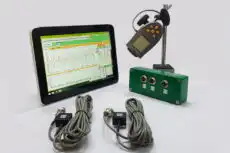
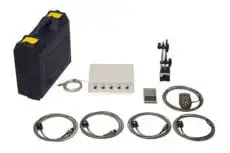
অনুশীলনে, ব্যান্ড-পাস ফিল্টার খুব কমই একা ব্যবহৃত হয় — এটি একটি পরিমাপ চেইনের একটি পর্যায় যা সংকেতকে নমুনা, উইন্ডো এবং রূপান্তরিত করে, তাই নির্বাচিত ব্যান্ডটি অবশ্যই যন্ত্রের নমুনা ব্যান্ডউইথের মধ্যে থাকবে। একটি পোর্টেবল দ্বি-চ্যানেল বিশ্লেষক যেমন Balanset-1A মোটামুটি 5 Hz থেকে 1 kHz পর্যন্ত কম্পন পরিমাপ করে এবং 1× সমাধান করে বিস্তার এবং দশা অন-সাইট ভারসাম্যকরণের জন্য প্রয়োজনীয়; ব্যান্ড-পাস এবং এনভেলপ কৌশলগুলি তখন সেই কর্মপ্রবাহকে পরিপূরক করে যখন একজন প্রকৌশলীকে নিশ্চিত করতে হবে যে একটি উচ্চ-ফ্রিকোয়েন্সি বিয়ারিং ত্রুটি, সাধারণ অসন্তুলনের পরিবর্তে, সমস্যার সত্যিকারের উৎস। এই জাতীয় বিশ্লেষণ সেট আপ করার সময়, FFT রেজোলিউশন ক্যালকুলেটর লাইন গণনা এবং ব্যান্ডউইথকে আপনি যে ব্যান্ডটি পরীক্ষা করতে চান তার সাথে মেলাতে সাহায্য করে, যাতে ঘনিষ্ঠভাবে ব্যবধানের ত্রুটি লাইন এবং সাইডব্যান্ডগুলি একসাথে নষ্ট না হয়। ব্যান্ড-পাস নির্বাচনে দক্ষতা অর্জন করা — বিশেষত এনভেলপ বিশ্লেষণ এবং ফ্রিকোয়েন্সি-পরিসীমা বিচ্ছিন্নকরণের জন্য — একটি জটিল কম্পন স্বাক্ষর থেকে স্পষ্ট ডায়াগনস্টিক তথ্য বের করার জন্য অপরিহার্য।

