নিম্ন-অনুচ্ছেদ ফিল্টার বোঝা

A লো-পাস ফিল্টার (LPF) একটি ফ্রিকোয়েন্সি-নির্বাচনী সংকেত-প্রক্রিয়াকরণ উপাদান যা ভাইব্রেশন একটি নির্বাচিত কাটঅফ ফ্রিকোয়েন্সির নীচের উপাদানগুলি অনুমতি দেয় যখন এর উপরের উপাদানগুলি হ্রাস করে। কম্পন বিশ্লেষণ এটি তিনটি কাজ সম্পাদন করে যা একটি বিশ্লেষক ছাড়া করতে পারে না: অ্যান্টি-এলিয়াসিং (ডিজিটাল ডেটায় মিথ্যা ফ্রিকোয়েন্সি প্রদর্শন প্রতিরোধ), শব্দ হ্রাস এবং ফোকাসড অধ্যয়নের জন্য নিম্ন-ফ্রিকোয়েন্সি অঞ্চল বিচ্ছিন্ন করা। এটি উচ্চ-পাস ফিল্টার এর আয়না প্রতিবিম্ব, এবং দুটি অন্য প্রতিটি সংকেত পরিস্রাবণ স্কিম।
নিম্ন-অনুচ্ছেদ ফিল্টারগুলি সম্ভবত কম্পনন যন্ত্রপাতিতে সবচেয়ে বেশি ব্যবহৃত ফিল্টার। প্রতিটি ডিজিটাইজিং সিস্টেমে রূপান্তরকারীর সামনে একটি বাধ্যতামূলক অ্যান্টি-এলিয়াসিং ফিল্টার বসে, এবং একই ফাংশন ডেটা মসৃণকরণ, উচ্চ-ফ্রিকোয়েন্সি শব্দ অপসারণ এবং নিম্ন-ফ্রিকোয়েন্সি ঘটনাগুলিতে ফোকাস করার জন্য একটি বিশ্লেষণ সরঞ্জাম হিসাবে অফার করা হয়। সংকেতটি কীভাবে আকৃতি দেয় তা বুঝা অতএব কোনো স্পেকট্রাম আপনি পড়ছেন।
১. ফিল্টার বৈশিষ্ট্যসমূহ
কাটঅফ ফ্রিকোয়েন্সি (fc)
- সংজ্ঞা: যে ফ্রিকোয়েন্সিতে ফিল্টার প্রতিক্রিয়া −3 dB-তে হ্রাস পেয়েছে, অর্থাৎ পাসব্যান্ড প্রশস্ততার 70.7%।
- f এর নিচেc (পাসব্যান্ড): ফ্রিকোয়েন্সিগুলি ন্যূনতম হ্রাস সহ অনুমতি পায়।
- f এর উপরেc (স্টপব্যান্ড): ফ্রিকোয়েন্সিগুলি ক্রমান্বয়ে হ্রাস পায়।
- ট্রানজিশন ব্যান্ড: f এর চারপাশের অঞ্চলc যেখানে হ্রাস ধারাবাহিকভাবে বৃদ্ধি পায়।
ফিল্টার অর্ডার এবং রোল-অফ
একটি ফিল্টারের অর্ডার পাসব্যান্ড থেকে স্টপব্যান্ডে কতটা তীক্ষ্ণভাবে রূপান্তরিত হয় তা নির্ধারণ করে:
- ১ম অর্ডার: ৬ dB/অক্টেভ (২০ dB/দশক) — ধীরে ধীরে রোল-অফ।
- ২য় অর্ডার: ১২ dB/অক্টেভ (৪০ dB/দশক) — মধ্যম।
- ৪র্থ অর্ডার: ২৪ dB/অক্টেভ (৮০ dB/দশক) — খাড়া।
- ৮ম অর্ডার: ৪৮ dB/অক্টেভ (১৬০ dB/দশক) — অত্যন্ত খাড়া।
- উচ্চতর অর্ডার: আরও তীক্ষ্ণ ট্রানজিশন এবং আরও ভালো স্টপব্যান্ড প্রত্যাখ্যান, কিন্তু আরও ফেজ শিফট এবং দীর্ঘতর ট্রানজিয়েন্ট প্রতিক্রিয়ার খরচে।
ফিল্টার প্রতিক্রিয়া ধরন
একই কাটঅফ এবং ক্রম বিভিন্ন গাণিতিক আকার দিয়ে বাস্তবায়িত করা যায়, প্রতিটি সমতলতা, তীক্ষ্ণতা এবং ফেজ আচরণের মধ্যে ট্রেড-অফ করে:
- বাটারওয়ার্থ: সর্বোচ্চ সমতল পাসব্যান্ড কোন ঝড়ঝড়ানি ছাড়াই।
- চেবিশেভ: তীক্ষ্ণ কাটঅফ, পাসব্যান্ডে ঝড়ঝড়ানি গ্রহণ করা।
- বেসেল: রৈখিক ফেজ, যা ন্যূনতম তরঙ্গরূপ বিকৃতি মানে — সঠিক পছন্দ যখন টাইম ওয়েভফর্ম গুরুত্বপূর্ণ।
- এলিপটিক: সম্ভাব্য তীক্ষ্ণ ট্রানজিশন, পাসব্যান্ড এবং স্টপব্যান্ড উভয়েই ঝড়ঝড়ানি সহ।
২. প্রাথমিক প্রয়োগ
অ্যান্টি-এলিয়াসিং (সবচেয়ে গুরুত্বপূর্ণ)
এটি একটি ফাংশন যা কোন ডিজিটাইজার বাদ দিতে পারে না। এটি ছাড়া, Nyquist সীমার উপরে ফ্রিকোয়েন্সি ফিরে আসে এবং মিথ্যা শিখর হিসাবে উপস্থিত হয় — এর ঘটনা অ্যালিয়াসিং.
- উদ্দেশ্য: Nyquist ফ্রিকোয়েন্সির উপরে ফ্রিকোয়েন্সি ব্লক করুন (নমুনা হার / ২)।
- প্রয়োজনীয়তা: এটিকে অবশ্যই কাজ করতে হবে আগে অ্যানালগ-থেকে-ডিজিটাল রূপান্তর — সফ্টওয়্যার এর পরে একটি এলিয়াস অপসারণ করতে পারে না।
- সাধারণ কাটঅফ: ০.৪–০.৮ × (নমুনা হার / ২)।
- খাড়াত্ব: ভাল এলিয়াসিং প্রত্যাখ্যানের জন্য সাধারণত ৮ম ক্রম বা উচ্চতর।
- উপেক্ষার ফলাফল: অপর্যাপ্ত অ্যান্টি-এলিয়াসিং মিথ্যা বর্ণালী শিখর তৈরি করে যা প্রকৃত ত্রুটিগুলি অনুকরণ করে।
নয়েজ রিডাকশন
- উচ্চ-ফ্রিকোয়েন্সি বৈদ্যুতিক শব্দ অপসারণ করে।
- সেন্সর-তার শব্দ ছাঁকে।
- ডেটা মসৃণ করে ট্রেন্ডিং.
- আগ্রহের নিম্ন-ফ্রিকোয়েন্সি উপাদানগুলির জন্য সংকেত-থেকে-শব্দ অনুপাত উন্নত করে।
ফ্রিকোয়েন্সি পরিসীমা সীমাবদ্ধতা
- আগ্রহের ফ্রিকোয়েন্সি পরিসরে বিশ্লেষণ কেন্দ্রীভূত করে।
- উদাহরণ: নিম্ন-গতির যন্ত্রপাতির জন্য 0–100 Hz বিশ্লেষণ।
- অপ্রাসঙ্গিক উচ্চ-ফ্রিকোয়েন্সি সামগ্রী অপসারণ করে।
- ডেটা-প্রক্রিয়াকরণ এবং স্টোরেজের প্রয়োজনীয়তা হ্রাস করে।
সমন্বয় প্রস্তুতি
- এর আগে প্রয়োগ করা হয় ইন্টিগ্রেটিং ত্বরণ থেকে বেগ.
- অত্যন্ত উচ্চ ফ্রিকোয়েন্সি অপসারণ করে — এমন শব্দ যা সমন্বয় অন্যথায় প্রসারিত করত।
- সাধারণ সংক্ষিপ্ত ফ্রিকোয়েন্সি: প্রয়োগের উপর নির্ভর করে 1000–5000 Hz।
- অনিয়ন্ত্রিত সমন্বয়ের সাথে সমস্যাগ্রস্ত শব্দ প্রসারণ প্রতিরোধ করে।
3. সংক্ষিপ্ত ফ্রিকোয়েন্সি নির্বাচন
অ্যান্টি-এলিয়াসিং প্রয়োগ
- নিয়ম: fc = 0.4 × নমুনা হার (রক্ষণশীল) থেকে 0.8 × নমুনা হার (আক্রমণাত্মক)।
- উদাহরণ: একটি 10 kHz নমুনা হার f প্রদান করেc = ৪০০০ Hz।
- মানদণ্ড: Nyquist ফ্রিকোয়েন্সিতে 60 dB এর চেয়ে বেশি স্টপব্যান্ড ক্ষয়।
বিশ্লেষণাত্মক প্রয়োগ
- f সেট করুনc আগ্রহের সর্বোচ্চ ফ্রিকোয়েন্সির ঠিক উপরে।
- কম-ফ্রিকোয়েন্সি বিশ্লেষণের জন্য (০–২০০ Hz): fc = ২০০–৩০০ Hz।
- জন্য অসাম্য শুধুমাত্র (১× উপাদান): fc = 5–10× রানিং স্পিড.
- সর্বদা ফিল্টার ট্রানজিশন ব্যান্ডের জন্য মার্জিন রাখুন।
নয়েজ রিডাকশন
- স্পেকট্রাম থেকে শব্দ ফ্রিকোয়েন্সি পরিসীমা চিহ্নিত করুন।
- f সেট করুনc শব্দ ফ্রিকোয়েন্সি প্রত্যাখ্যান করার সময় সিগন্যাল ফ্রিকোয়েন্সি পাস করতে।
- শব্দ অপসারণ এবং সিগন্যাল সংরক্ষণের মধ্যে ভারসাম্য রাখুন।
৪. পরিমাপে প্রভাব
বিস্তার ডোমেইন
- পাসব্যান্ড: ন্যূনতম বিস্তার পরিবর্তন, সাধারণত ০.৫ dB এর কম।
- স্টপব্যান্ড: শক্তিশালী হ্রাস, ৪০–৮০ dB বা তার বেশি।
- সামগ্রিক লেভেল: যদি উল্লেখযোগ্য উচ্চ-ফ্রিকোয়েন্সি সামগ্রী উপস্থিত ছিল তবে ফিল্টার সামগ্রিক কম্পনের পাঠ হ্রাস করে।
টাইম ডোমেইন
- উচ্চ-ফ্রিকোয়েন্সি ভিন্নতা অপসারিত হওয়ার সাথে সাথে তরঙ্গরূপ মসৃণ করা হয়।
- তীক্ষ্ণ কোণ এবং শিখর গোলাকার হয়।
- ট্রানজিয়েন্ট প্রতিক্রিয়া (ফিল্টার রিংিং) তরঙ্গরূপের আকৃতি প্রভাবিত করতে পারে।
- ফেজ বিকৃতি তরঙ্গরূপের ব্যাখ্যার পদ্ধতি পরিবর্তন করতে পারে।
ফ্রিকোয়েন্সি ডোমেইন
- স্পেকট্রাম কাটঅফের উপরে হ্রাসকৃত বিস্তার দেখায়।
- উচ্চ-ফ্রিকোয়েন্সি শিখর হ্রাসপ্রাপ্ত বা নির্মূল করা হয়।
- যদি শব্দ উচ্চ-ফ্রিকোয়েন্সি হত তবে শব্দ তল হ্রাসপ্রাপ্ত হয়।
5. সাধারণ সমস্যা এবং সমাধান
অপর্যাপ্ত অ্যান্টি-এলিয়েসিং
- লক্ষণ: স্পেকট্রামে মিথ্যা নিম্ন-ফ্রিকোয়েন্সি শিখর।
- কারণ: উচ্চ ফ্রিকোয়েন্সি নাইকুইস্টের নিচে ফিরে আসা।
- সমাধান: আরও খাড়া ফিল্টার ব্যবহার করুন, নমুনা হার বৃদ্ধি করুন এবং ফিল্টার প্রকৃতপক্ষে কাজ করছে তা যাচাই করুন।
কাটঅফ খুব কম
- লক্ষণ: বৈধ উচ্চ-ফ্রিকোয়েন্সি সংকেত দুর্বল হয়ে যায়।
- উদাহরণ: বেয়ারিং ত্রুটি ফ্রিকোয়েন্সি অত্যন্ত আক্রমণাত্মক লোপাস ফিল্টার দ্বারা হ্রাস পায়।
- সমাধান: কাটঅফ ফ্রিকোয়েন্সি বৃদ্ধি করুন বা আরও মৃদু ফিল্টার ঢাল ব্যবহার করুন।
ফিল্টার শিল্পকর্ম
- রিংগিং: তীক্ষ্ণ ফিল্টার কাটঅফের কারণে সময় ডোমেনে দোলন।
- পর্যায় বিকৃতি: পর্যায় স্থানান্তর থেকে উদ্ভূত তরঙ্গরূপ আকৃতির পরিবর্তন।
- সমাধান: যেখানে পর্যায় রৈখিকতা গুরুত্বপূর্ণ তেমন গুরুত্বপূর্ণ তরঙ্গরূপ প্রয়োগের জন্য একটি বেসেল ফিল্টার ব্যবহার করুন।
৬. পরিপূরক ফিল্টার
লোপাস বনাম হাইপাস
- লো-পাস: নিম্ন ফ্রিকোয়েন্সি পাস করে, উচ্চ ফ্রিকোয়েন্সি ব্লক করে।
- হাই-পাস: উচ্চ ফ্রিকোয়েন্সি পাস করে, নিম্ন ফ্রিকোয়েন্সি ব্লক করে।
- পরিপূরক: একটি ব্যান্ড-পাস ফিল্টার গঠনের জন্য একসাথে ব্যবহৃত হয়।
ব্যান্ড-পাস ফিল্টার
- হাইপাস এবং লোপাস পর্যায়ের সমন্বয়।
- ফলাফল ব্যান্ড-পাস ফিল্টার শুধুমাত্র একটি নির্দিষ্ট ব্যান্ডের মধ্যে ফ্রিকোয়েন্সি পাস করে।
- এটি সেই ব্যান্ডের নীচে এবং উপরে উভয় সামগ্রী প্রত্যাখ্যান করে।
- এটি সামনের শেষ এনভেলপ বিশ্লেষণ, যেখানে একটি বেয়ারিং এর কাঠামোগত অনুরণন চারপাশে একটি ব্যান্ড ডিমডুলেশনের আগে বিচ্ছিন্ন করা হয়।
৭. ফিল্ড লো-পাস ফিল্টার কোথায় মানানসই
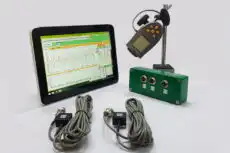
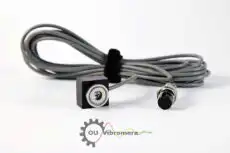
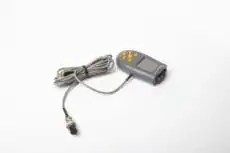
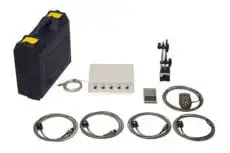
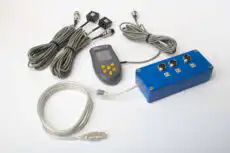
একটি ডিজিটাল ফিল্ড যন্ত্রে লো-পাস ফিল্টার বেশিরভাগই অদৃশ্য — এটি অধিগ্রহণ শৃঙ্খলের ভিতরে নীরবে তার অ্যান্টি-অ্যালিয়াসিং কাজ করে — এখনও এটি প্রতিটি পাঠার বিশ্বাসযোগ্যতা সমর্থন করে। একটি পোর্টেবল দ্বি-চ্যানেল বিশ্লেষক যেমন Balanset-1A প্রতিটিকে ব্যান্ড সীমিত করে অ্যাক্সিলারোমিটার নমুনা নেওয়ার আগে চ্যানেল, তাই FFT এটি ভারসাম্য এবং ডায়াগনস্টিকসের জন্য গণনা করে তার কর্মক্ষমতা পরিসীমা জুড়ে অ্যালিয়াসড শিখরগুলি থেকে মুক্ত। বর্ণালী পরিষ্কার সঙ্গে, বিশ্লেষক 1× সমাধান করতে পারে বিস্তার এবং দশা একটি রোটর ভারসাম্য করতে এবং একটি সত্য রিপোর্ট করতে প্রয়োজন অবশিষ্ট ভারসাম্যহীনতা, বরং দুর্বল ফিল্টারিং দ্বারা তৈরি একটি ভূত ফ্রিকোয়েন্সি তাড়া করছে না।
লো-পাস ফিল্টার কম্পন পরিমাপ সিস্টেমের মৌলিক উপাদান, অ্যান্টি-অ্যালিয়াসিং সুরক্ষা থেকে শোর হ্রাস এবং ফ্রিকোয়েন্সি-পরিসীমা নির্বাচন পর্যন্ত অপরিহার্য ফাংশন পরিবেশন করা। তাদের অপারেশন বোঝা, সঠিকভাবে কাটঅফ ফ্রিকোয়েন্সি নির্বাচন করা এবং পরিমাপ সংকেতের উপর তাদের প্রভাব প্রশংসা করা সঠিক বিশ্লেষণ এবং ডিজিটাল ডেটা অধিগ্রহণে পরিমাপ শিল্পবৃদ্ধি এড়ানোর জন্য গুরুত্বপূর্ণ।

